Bringing home a new kitten is an exciting experience, but it requires careful preparation to ensure the little ball of fur grows into a healthy and happy pet. Did you know that the first few months of a kitten’s life are crucial for its development? Proper care during this period can significantly impact its overall health and behavior.
We will guide you through the essential tips for kitten care, covering nutrition, socialization, and health checks. By following these tips, you can help your kitten thrive.
Key Takeaways
- Understand the importance of nutrition for your kitten’s growth.
- Learn how to socialize your kitten for better behavior.
- Discover the essential health checks for kittens.
- Find out how to create a safe environment for your kitten.
- Get tips on training your kitten for a harmonious home.
The Journey of Kitten Parenthood
Bringing a new kitten home marks the beginning of an exciting journey of growth, learning, and companionship. As a kitten owner, understanding the developmental milestones of your kitten is crucial for providing the best possible care.
What to Expect in the First Months
The first few months of a kitten’s life are critical for their development. During this period, kittens receive their first vaccinations at around 6-8 weeks old, and socialization should start early, introducing them to new people, environments, and other animals.
Kitten Development Milestones
Kitten developmentencompasses both physical and behavioral growth. Monitoring these milestones helps ensure your kitten is on track.
Physical Development Timeline
- Eyes open at around 7-10 days
- Starts to walk at around 2-3 weeks
- Reaches adult size by 6-12 months
Behavioral Development Stages
- Socialization period: 2-14 months
- Learning basic commands and behaviors
- Developing hunting skills through play
Understanding these developmental stages is key to Raising Kitten successfully. By being aware of what to expect, you can tailor your care to meet your kitten’s needs, ensuring a healthy and happy growth trajectory.

Extra 40% Discount on All Orders
Why pay full price for quality? Want the VIP treatment for your pet? Join PetCare+ now to solve the problem of recurring costs with a massive 40% OFF, plus exclusive free gifts and free shipping on every order.
Pet Care Supplies
Mon-Fri 9 AM – 5 PM CST
Creating the Perfect Kitten Environment
As you welcome a new kitten into your home, it’s essential to create a safe and nurturing environment. This involves removing hazards, securing loose items, and providing the necessary supplies for your kitten to grow and thrive.
Kitten-Proofing Your Home
Kitten-proofing is a critical step in preparing your home for a new pet. It requires a thorough examination of your living space to identify and mitigate potential dangers.
Common Household Hazards
- Electrical cords and wires that can be chewed on
- Toxic substances like cleaning supplies and certain plants
- Small objects that can be swallowed, such as coins or marbles
Safe Spaces for Exploration
Creating safe areas for your kitten to explore is just as important as removing hazards. This can include:
- Designating a quiet room for your kitten to acclimate
- Providing scratching posts to save your furniture
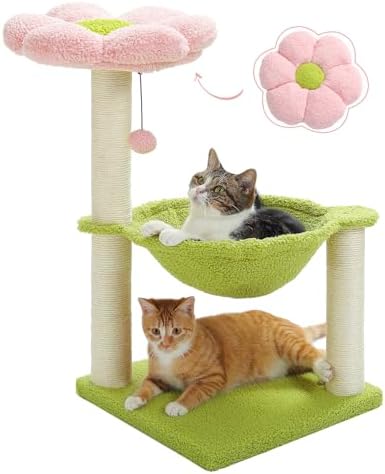
- Setting up climbing structures for exercise and play
Essential Supplies Checklist
Having the right supplies is crucial for your kitten’s comfort and development.
Basic Necessities
- Food and water bowls
- High-quality kitten food
- Litter box and litter
Comfort and Enrichment Items
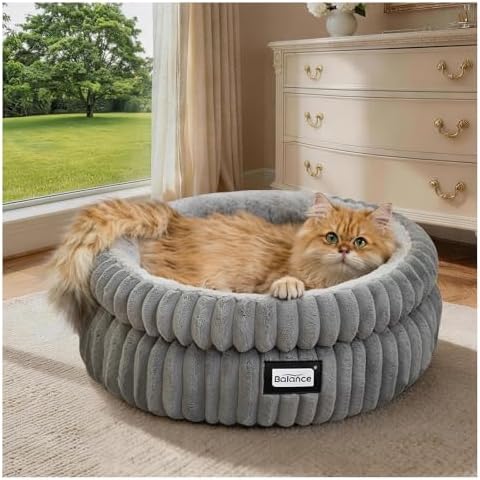
- Cozy bedding for comfortable rest
- Toys that stimulate mental and physical activity
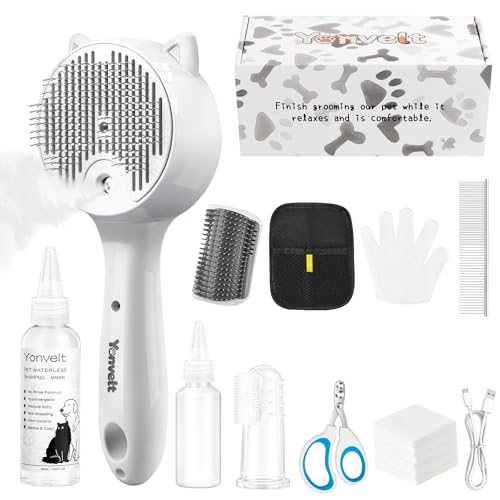
- Grooming tools for maintaining your kitten’s coat
By kitten-proofing your home and stocking up on the essential supplies, you can create a nurturing environment that supports your kitten’s health and happiness.
Essential Tip 1: Nutrition Fundamentals
Understanding the nutritional fundamentals is key to ensuring your kitten’s optimal growth. We will explore the dietary needs of kittens and how to meet them through a properfeeding schedule.
Understanding Kitten Nutritional Needs
Kittens require a diet rich in protein and essential nutrients to support their rapid growth and development.
Protein Requirements
Kittens need a higher proportion of protein in their diet compared to adult cats. Protein is crucial for building strong muscles, organs, and tissues.
Essential Nutrients for Growth
Besides protein, kittens require essential nutrients like vitamins and minerals. These nutrients support various bodily functions, including immune response and bone development.
Feeding Schedule by Age
The feeding schedule for kittens varies by age, with younger kittens requiring more frequent meals.
Weaning to 3 Months
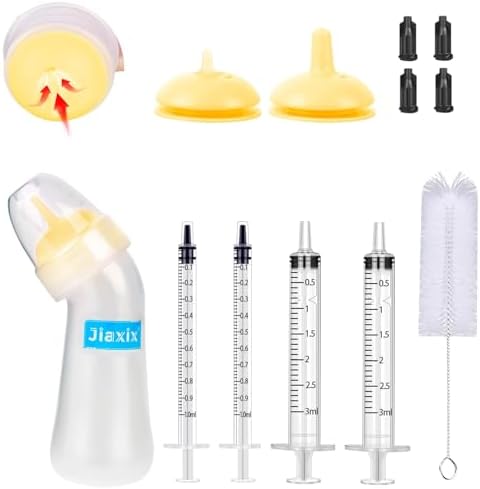
During this period, kittens are weaned off their mother’s milk and transitioned to solid food. They need to be fed 3-4 times a day.
3-6 Months Feeding Plan
As kittens grow, their feeding frequency can be reduced. At this stage, they can be fed 2-3 times a day.
6-12 Months Transition
By the time kittens are 6 months old, they can be fed twice a day, transitioning towards an adult feeding schedule.
| Age | Feeding Frequency |
|---|---|
| Weaning to 3 Months | 3-4 times a day |
| 3-6 Months | 2-3 times a day |
| 6-12 Months | 2 times a day |
Feeding your kitten according to their age and nutritional needs is crucial for their development into a healthy adult cat.



Selecting Quality Kitten Food
Choosing the right food for your kitten is a crucial decision that impacts their overall health and development. With so many options available, it’s essential to understand the differences between various types of kitten food and how to choose the best one for your pet.
Wet vs. Dry Food Comparison
The debate between wet and dry kitten food has been ongoing among pet owners. According to Dr. Jennifer Coates, a veterinarian, “Both types of food have their advantages, and the choice ultimately depends on the kitten’s individual needs and preferences.”
Benefits of Each Type
Dry food is often praised for its convenience and dental benefits, as it helps reduce tartar buildup. On the other hand, wet food is typically higher in protein and moisture, making it more palatable for many kittens.
Combination Feeding Approaches
Many pet owners opt for a combination of both wet and dry food to provide variety and reap the benefits of each. This approach can help keep mealtime interesting and ensure the kitten is getting a well-rounded diet.
Decoding Food Labels
Understanding kitten food labels is crucial for making an informed decision. Look for foods that list high-quality protein sources, such as chicken or salmon, as the first ingredient.
Ingredients to Seek Out
- High-quality protein sources (chicken, salmon)
- Whole grains or complex carbohydrates
- Essential vitamins and minerals
Red Flags to Avoid
Be cautious of foods containing fillers, by-products, or artificial preservatives. According to the American Animal Hospital Association, “foods with these ingredients can be detrimental to a kitten’s health.”
By carefully evaluating the ingredients and nutritional content of kitten food, you can make an informed decision that supports your kitten’s health and well-being.



Essential Tip 2: Preventative Health Measures
As a responsible kitten owner, understanding preventative health measures can significantly impact your pet’s quality of life. We will explore the critical aspects of keeping your kitten healthy, focusing on vaccinations and parasite prevention.
Vaccination Schedule and Importance
Vaccinations play a crucial role in protecting your kitten from serious diseases. By following a recommended vaccination schedule, you can ensure your kitten develops the necessary immunity.
Core Vaccines Timeline
The core vaccines are essential for all kittens, regardless of their lifestyle or environment. The typical schedule for core vaccines is as follows:
- First dose: 6-8 weeks of age
- Second dose: 10-12 weeks of age
- Third dose: 14-16 weeks of age
Optional Vaccines Considerations
Optional vaccines are considered based on your kitten’s lifestyle and exposure risk. Your veterinarian can advise on the necessity of these vaccines.
| Vaccine Type | Typical Schedule | Considerations |
|---|---|---|
| Core Vaccines | 6-8, 10-12, 14-16 weeks | Essential for all kittens |
| Optional Vaccines | Varies based on risk | Depends on lifestyle and exposure |
Parasite Prevention Protocol
Parasites, both internal and external, can pose significant health risks to your kitten. Implementing a parasite prevention protocol is crucial.
Internal Parasites
Internal parasites, such as worms, can be controlled through regular deworming medication. The schedule for deworming varies based on age and risk factors.
External Parasites
External parasites like fleas and ticks can be managed with topical treatments or oral medications. Regular checks and preventative measures are essential.
As emphasized by veterinary professionals, “Preventative care is key to a long, healthy life for your kitten.” Regular check-ups and adherence to preventative measures can significantly reduce health risks.
“The best way to keep your kitten healthy is through prevention. Vaccinations and parasite control are foundational elements of kitten care.”
By understanding and implementing these preventative health measures, you can ensure your kitten has a strong foundation for a healthy life.


Monitoring Your Kitten’s Health
Monitoring your kitten’s health is an ongoing process that requires attention to detail and a proactive approach. As a kitten owner, being aware of your kitten’s physical condition and behavior is crucial for identifying potential health issues early.
Weekly Health Check Routine
Performing a weekly health check on your kitten can help detect any health concerns early on. This routine should include a physical examination and observation of your kitten’s behavior.
Physical Examination Steps
- Check your kitten’s eyes for brightness and clarity.
- Inspect their ears for signs of infection or debris.
- Examine their coat for dullness, excessive shedding, or skin irritations.
- Monitor their weight and overall body condition.
Behavioral Health Indicators
Changes in behavior can be indicative of underlying health issues. Watch for signs such as lethargy, loss of appetite, or increased vocalization.
Common Kitten Health Concerns
Kittens are prone to various health issues, ranging from respiratory problems to digestive issues. Being aware of these common concerns can help you identify them early.
| Health Issue | Symptoms | Action |
|---|---|---|
| Respiratory Issues | Coughing, sneezing, labored breathing | Consult a veterinarian if symptoms persist |
| Digestive Problems | Vomiting, diarrhea, loss of appetite | Seek veterinary care if symptoms are severe or prolonged |
| Emergency Warning Signs | Severe lethargy, difficulty breathing, severe injury | Immediate veterinary attention is required |
Respiratory Issues
Respiratory problems can range from mild to severe. Monitor your kitten for signs of distress, such as rapid breathing or wheezing.
Digestive Problems
Digestive issues are common in kittens. Keep an eye out for vomiting, diarrhea, or a decrease in appetite, and consult your veterinarian if these symptoms persist.
Emergency Warning Signs
Some health issues require immediate attention. If your kitten shows signs of severe distress, such as difficulty breathing or severe injury, seek veterinary care immediately.
By staying vigilant and performing regular health checks, you can help ensure your kitten remains healthy and thrives. Remember, when it comes to your kitten’s health, it’s always better to err on the side of caution.
Essential Tip 3: Socialization Strategies
Kitten socialization is not just about introducing your pet to new experiences; it’s about creating a confident and calm adult cat. Socialization is a critical aspect of kitten development, influencing their behavior and ability to interact with their environment, people, and other animals.
The Critical Socialization Window
The first few months of a kitten’s life are crucial for socialization. During this period, kittens are most receptive to new experiences, and their brains are wired to absorb and process the information they receive.
Timing Considerations
The critical socialization window typically occurs between 2 and 14 months of age, with the most sensitive period being between 2 and 7 months. It’s essential to maximize positive experiences during this time.
Exposure Checklist
To ensure your kitten is well-socialized, consider the following exposure checklist:
- Different environments (e.g., car rides, outdoor visits)
- Variety of people (different ages, clothing, etc.)
- Other animals (cats, dogs, etc.)
- New textures and surfaces
- Various sounds and noises


Introducing New People and Animals
When introducing your kitten to new people and animals, it’s crucial to do so in a controlled and gentle manner to avoid stressing your pet.
Controlled Introduction Techniques
Start by keeping your kitten in a separate room from the new person or animal, allowing them to become familiar with each other’s scents and sounds without the stress of a face-to-face encounter. Gradually increase their interaction under close supervision.
Reading Stress Signals
It’s vital to recognize signs of stress in your kitten, such as hissing, growling, or hiding. If you notice these behaviors, it’s best to slow down the introduction process or give your kitten space.
By understanding the critical socialization window and using controlled introduction techniques, you can help your kitten become a confident and calm adult cat. Socialization is an ongoing process that requires patience, consistency, and positive reinforcement.
The Art of Raising Kitten Successfully
The art of raising a kitten encompasses more than just basic care; it involves nurturing their physical and emotional growth. As we journey through the process of raising a kitten, it’s essential to focus on aspects that contribute to their overall development.
Building Confidence Through Play
Play is a crucial element in a kitten’s life, contributing significantly to their confidence and overall development. As emphasized by experts, “Play is not just a way for kittens to expend energy; it’s a vital component of their learning and socialization process.” Interactive play sessions with toys or even simple games like hide-and-seek can greatly enhance a kitten’s agility and confidence.
Interactive Play Sessions
Engaging in interactive play with your kitten not only strengthens your bond but also stimulates their natural hunting instincts. Using feather wands or laser pointers can encourage active play, helping to develop their motor skills.
Solo Play Opportunities
Providing solo play opportunities is equally important, as it allows kittens to explore and entertain themselves. Offering a variety of toys and puzzle toys can keep them engaged and stimulated.
Handling Practices for Well-Adjusted Cats
Handling practices are vital for raising a well-adjusted cat. Gentle and consistent handling from an early age can help kittens become comfortable with human interaction.
Touch Desensitization
Touch desensitization involves gently exposing your kitten to various types of touch, helping them become less sensitive to handling. This practice can reduce stress during grooming or veterinary visits.
Carrier Training
Carrier training is another essential handling practice. By introducing the carrier gradually and making it a comfortable space, you can reduce your kitten’s stress during travel.
By incorporating these practices into your daily routine, you can significantly contribute to your kitten’s development into a confident and well-adjusted cat.
Essential Tip 4: Training Fundamentals
The journey of raising a kitten involves several key components, with training being a pivotal element that influences their behavior and overall well-being. Effective training not only helps in housebreaking but also in shaping your kitten’s behavior and strengthening your bond with them.
Litter Box Training Mastery
Litter box training is a critical aspect of kitten care. It requires careful consideration of several factors, including box selection and placement, litter types, and troubleshooting common issues.
Box Selection and Placement
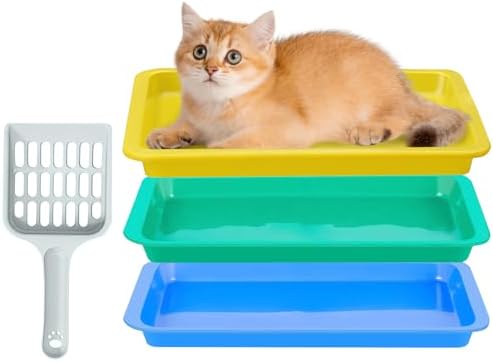
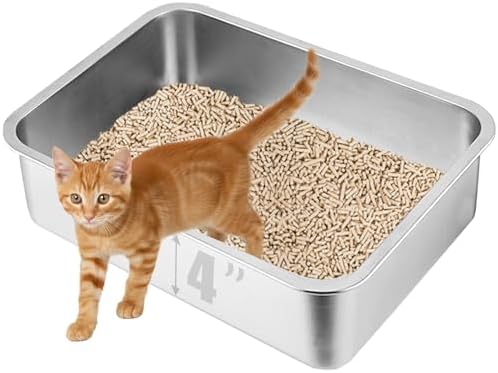
Choosing the right litter box and placing it in an appropriate location can significantly impact your kitten’s willingness to use it. The litter box should be large enough for your kitten, with low sides for easy access, and placed in a quiet, accessible area.
Litter Types and Preferences
Kittens may have different preferences when it comes to litter types. Some prefer clumping litter, while others may like non-clumping or natural litters. It’s essential to experiment to find what works best for your kitten.
Troubleshooting Issues
Despite your best efforts, issues may arise. Common problems include avoidance of the litter box or accidents outside of it. Identifying the cause, whether it’s medical, related to litter type, or box cleanliness, is crucial for resolving these issues.
Behavior Modification Techniques
Behavior modification is a vital part of kitten training, helping to encourage good behavior and discourage unwanted actions. Here are some techniques to consider:
- Positive Reinforcement Methods: Rewarding your kitten with treats, praise, or play when they exhibit desired behavior can be highly effective.
- Redirecting Unwanted Behaviors: Redirecting your kitten’s attention to an acceptable alternative when they engage in undesired behavior can help curb these actions.
By mastering litter box training and applying behavior modification techniques, you can help your kitten develop into a well-behaved and well-adjusted adult cat. Consistency, patience, and positive reinforcement are key to successful kitten training.


Managing Common Kitten Challenges
Kitten challenges are a normal part of the parenting journey, but there are ways to manage them effectively. As we navigate the journey of kitten parenthood, we encounter various behaviors that can be challenging, such as scratching and biting. Understanding the underlying causes of these behaviors is crucial to addressing them effectively.
Scratching Solutions
Scratching is a natural behavior for kittens, serving as a means to mark territory, exercise, and maintain nail health. To manage scratching, we need to provide appropriate outlets.
Appropriate Scratching Outlets
Providing a sturdy scratching post or pad can redirect scratching away from undesirable areas. We recommend placing these outlets near areas where your kitten tends to scratch.
Nail Trimming Procedures
Regular nail trimming is essential to prevent damage from scratching. We advise trimming your kitten’s nails every few weeks, using a kitten-specific nail clipper.
Biting and Rough Play
Biting and rough play are common kitten behaviors that can be managed with proper understanding and training.
Understanding Play Aggression
Play aggression is a natural behavior in kittens, used to develop hunting skills. Recognizing the signs of play aggression can help us intervene appropriately.
Teaching Bite Inhibition
Teaching bite inhibition is crucial to prevent painful bites. We can achieve this by gently discouraging biting during play and rewarding gentle behavior.
| Challenge | Solution | Tips |
|---|---|---|
| Scratching Furniture | Provide Scratching Posts | Place near scratching areas |
| Biting/Hard Play | Teach Bite Inhibition | Gently discourage biting |
By understanding and addressing these common kitten challenges, we can create a more harmonious home for both our kittens and ourselves.
Essential Tip 5: Enrichment and Exercise
Engaging our kittens in regular exercise and mental stimulation is key to their well-being. As we continue to nurture our kittens, it’s crucial to understand the importance of providing a balanced regimen that includes both physical activity and mental challenges.
Physical Activity Requirements
Regular exercise is vital for our kittens’ physical health and development. It helps maintain a healthy weight, improves muscle tone, and enhances flexibility.
Age-Appropriate Exercise
Kittens at different ages have varying exercise needs. For instance, younger kittens require shorter, more gentle play sessions, while older kittens can engage in more vigorous and longer activities.
- For kittens under 3 months: Gentle play with toys, short sessions of 5-10 minutes.
- For kittens between 3-6 months: More energetic play, sessions can be 10-15 minutes.
Structured Play Sessions
Structured play is essential for kittens. It not only provides them with the necessary physical exercise but also helps in developing their motor skills and social behavior.
- Use a variety of toys to keep play interesting.
- Engage in interactive play to stimulate natural hunting behaviors.
Mental Stimulation Necessities
Mental stimulation is just as important as physical exercise for our kittens. It helps prevent boredom, stress, and related behavioral issues.
Puzzle Toys and Challenges
Puzzle toys are an excellent way to challenge our kittens mentally. They require problem-solving to access treats, keeping the kittens engaged and stimulated.
- Introduce puzzle toys gradually to prevent frustration.
- Rotate puzzle toys to keep the kittens interested.
Environmental Enrichment
Creating an enriched environment is crucial for our kittens’ mental health. This can be achieved by providing a variety of stimuli, such as different textures, smells, and visual cues.
- Rearrange furniture periodically to create new exploration opportunities.
- Add plants (non-toxic) and climbing structures for variety.
By incorporating these enrichment and exercise strategies into our daily routine, we can ensure our kittens develop into happy, healthy, and well-adjusted cats.
Building a Lifelong Bond
The bond between you and your kitten is built on trust, care, and effective communication. As we navigate the journey of kitten parenthood, understanding how to strengthen this bond is essential for a harmonious and loving relationship.
Understanding Feline Communication
Feline communication is a complex mix of vocalizations, body language, and scent marking. By understanding these elements, we can better respond to our kitten’s needs and emotions.
Body Language Basics
Body language is a crucial aspect of feline communication. A relaxed kitten will have a loose, open posture, while a tense or frightened kitten may arch its back or flatten its ears. Recognizing these cues helps us tailor our interactions to our kitten’s comfort level.
Vocal Communication Cues
Kittens use various vocalizations to communicate their needs, from hunger to affection. By listening to these vocal cues, we can respond appropriately and strengthen our bond.
Quality Time Activities
Spending quality time with your kitten is vital for building a strong bond. Activities such as play, grooming, and simply cuddling can significantly enhance your relationship.
Trust-Building Exercises
Engaging in trust-building exercises, such as gentle petting and interactive play, can help your kitten feel secure and valued. As one expert notes,
“The bond between a cat and its owner is built on mutual trust and respect.”
Comfort and Security Routines
Establishing routines that provide comfort and security, such as regular feeding times and a cozy sleeping area, can help your kitten feel at ease and strengthen your bond.
By focusing on feline communication and dedicating time to quality interactions, we can build a lifelong bond with our kitten that is based on trust, care, and mutual understanding.


Conclusion
Raising a kitten requires attention to detail, patience, and dedication. By following the essential tips outlined in this article, you can help your kitten grow into a happy, healthy pet. Providing a nurturing environment, proper nutrition, and regular health checks are crucial for your kitten’s development.
As you navigate the journey of kitten parenthood, remember that socialization, training, and enrichment play a significant role in shaping your kitten’s behavior and overall well-being. By investing time and effort into kitten care, you can build a lifelong bond with your pet and ensure a healthy, happy life.
With the right guidance and care, raising a kitten can be a truly rewarding experience. By prioritizing kitten health and well-being, you can create a strong foundation for a lifelong friendship with your pet.
FAQ
What are the essential nutritional needs for kittens?
How often should I feed my kitten?
What is the critical socialization window for kittens?
How can I litter box train my kitten?
What are some common health concerns in kittens?
How can I provide mental stimulation for my kitten?
Why is parasite prevention important for kittens?
How can I help my kitten develop good habits and reduce unwanted behaviors?
References:
This article was created based on information from the following authoritative sources: American Society for the Prevention of Cruelty to Animals (ASPCA) and American Veterinary Medical Association