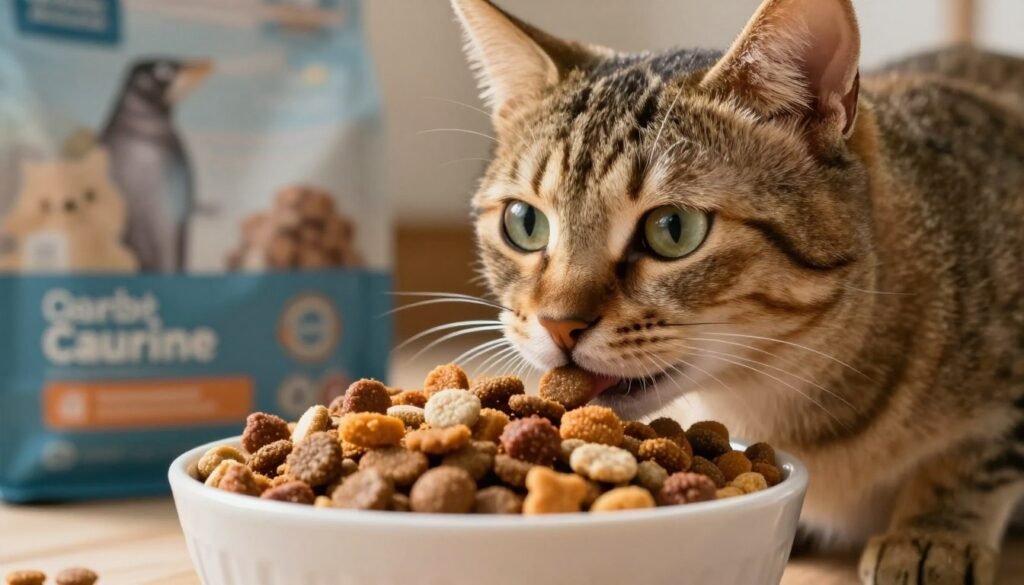
Did you know that a kitten’s early life experiences play a significant role in shaping their adult behavior? Research suggests that kittens that are handled gently and frequently during their first few months develop better social skills and are less likely to exhibit behavioral problems later in life.
As we explore the complex topic of kitten behavior, we’ll examine the key factors that influence a kitten’s development, including developmental milestones and environmental factors. By understanding these elements, we can better appreciate the intricacies of kitten behavior and provide our feline friends with the care and support they need to thrive.
Key Takeaways
- Early life experiences significantly impact a kitten’s adult behavior.
- Proper handling and socialization are crucial for a kitten’s development.
- Understanding kitten development stages is essential for providing optimal care.
- Environmental factors play a significant role in shaping kitten behavior.
- Recognizing the importance of kitten behavior can help strengthen the bond between cat and owner.
The Fascinating World of Kitten Development
The first six months of a kitten’s life are marked by extraordinary growth, with significant advancements in sensory and motor skills. During this period, kittens undergo rapid development, achieving crucial milestones that shape their future behavior.
Developmental Milestones from Birth to Six Months
Kittens develop at an incredible rate, with notable changes occurring in the first few months. Some key milestones include:
- Opening their eyes and ears within the first few weeks
- Starting to walk and crawl around 2-3 weeks old
- Beginning to play and interact with littermates
Critical Periods in Kitten Brain Development
Critical periods in kitten brain development are essential for their social and behavioral growth. Two significant aspects of this development are sensory development and motor skills progression.
Sensory Development Timeline
Kittens’ sensory development follows a specific timeline:
| Age | Sensory Development Milestone |
|---|---|
| 0-3 days | Blind and deaf, relying on touch and smell |
| 7-10 days | Eyes begin to open, ears start to respond to sound |
| 2-3 weeks | Vision and hearing become more refined |
Motor Skills Progression
Motor skills progression is another vital aspect of kitten development. Kittens start to:
- Crawl and attempt to stand around 2-3 weeks
- Walk and run by 4-5 weeks
- Engage in complex play by 6-8 weeks
Decoding Kitten Body Language
Kitten body language is a complex system of non-verbal cues that can reveal their emotional state. By understanding these signals, we can better respond to their needs and strengthen our bond with them.
Tail Positions and What They Mean
A kitten’s tail is a significant indicator of their mood. A high, upright tail often signifies confidence and happiness, while a low or tucked tail may indicate fear or submission.
Ear Movements and Facial Expressions
Ears that are forward and perked up suggest curiosity or excitement. Conversely, flattened ears can be a sign of fear or anxiety. Facial expressions, including the position of the whiskers and the tension around the mouth, also provide clues about a kitten’s emotional state.
Body Postures That Signal Emotions
A kitten’s overall body posture can convey a range of emotions. For instance, a relaxed, open posture indicates comfort and trust, whereas a tense, crouched posture may signal fear or defensiveness.
Signs of Contentment vs. Distress
| Behavior | Contentment | Distress |
|---|---|---|
| Tail Position | Upright, relaxed | Low, tucked, or lashing |
| Ear Position | Forward, perked up | Flattened, backward |
| Body Posture | Relaxed, open | Tense, crouched |
By paying attention to these cues, we can better understand our kittens’ emotional states and respond appropriately to their needs.
Kitten Behavior: Natural Instincts Explained
From hunting to self-preservation, kittens exhibit a range of instinctual behaviors from an early age. These natural instincts are crucial for their survival and development, shaping how they interact with their environment and other animals.
Hunting and Predatory Behaviors
Kittens begin to display hunting behaviors early in their development, practicing skills that will be essential for their survival. These behaviors include:
- Stalking and pouncing on toys or small objects
- Battling with siblings or other pets
- Exhibiting rapid reflexes and agility
Territorial Instincts in Young Cats
Territorial instincts are also present in young cats, who begin to mark their territory and defend it against other animals. This behavior is driven by their innate need to establish a secure environment.
Self-Preservation Mechanisms
Kittens also develop self-preservation mechanisms, such as hiding or freezing when faced with a potential threat. These behaviors are critical for their safety and well-being.
| Instinct | Description | Importance |
|---|---|---|
| Hunting Behavior | Stalking, pouncing, and battling | Develops hunting skills |
| Territorial Marking | Marking territory through scent or scratching | Establishes a secure environment |
| Self-Preservation | Hiding or freezing in response to threats | Ensures safety and well-being |
Understanding these natural instincts is essential for providing kittens with the care and environment they need to thrive. By recognizing and supporting these behaviors, we can help kittens develop into well-adjusted and healthy adult cats.
Socialization: The Foundation of Well-Adjusted Cats
The process of socialization plays a pivotal role in shaping the behavior and temperament of kittens. As we delve into the intricacies of kitten development, it becomes clear that socialization is not just a beneficial process, but a crucial one for their growth into well-adjusted adult cats.
The Importance of Early Socialization
Early socialization is critical for kittens to develop good social skills. It involves exposing them to a variety of environments, people, and other animals in a controlled and positive manner. This period, typically between two and fourteen months of age, is when kittens are most receptive to new experiences.
Key benefits of early socialization include:
- Reduced fear and aggression
- Better adaptation to new environments
- Improved interaction with people and other pets
Introducing Kittens to People and Other Animals
Introducing kittens to people and other animals should be done gradually and under supervision. It’s essential to ensure that these interactions are positive and not overwhelming for the kitten.
Overcoming Socialization Challenges
Despite the best efforts, some kittens may face socialization challenges. These can stem from lack of exposure, negative experiences, or genetic predispositions. Identifying these challenges early and working with a veterinarian or animal behaviorist can help mitigate them.
Socialization Timeline and Checklist
To ensure comprehensive socialization, follow this timeline and checklist:
| Age | Socialization Activity |
|---|---|
| 2-3 months | Introduce to various people, start leash training |
| 3-4 months | Expose to other vaccinated pets, new environments |
| 4-6 months | Continue socialization, introduce to new textures and sounds |
By following this structured approach to socialization, we can help our kittens develop into confident, calm, and well-adjusted cats.
Playful Antics: Understanding Kitten Play Behavior
Kitten play behavior encompasses a range of activities that are vital for their cognitive and motor skill development. Play is not just a form of entertainment for kittens; it’s a crucial aspect of their learning and growth process.
Types of Play and Their Purpose
Kittens engage in various types of play, each serving a different purpose. These include:
- Locomotor Play: Involves running, jumping, and other physical activities that help improve their motor skills.
- Social Play: Interacting with littermates or other pets, which aids in developing social skills and reducing aggression.
- Object Play: Playing with toys or objects, which enhances their problem-solving abilities and hand-eye coordination.
Appropriate Toys for Different Play Styles
Choosing the right toys for kittens is essential to encourage healthy play behavior. Some suitable options include:
- Feather wands and laser pointers for interactive play
- Soft toys and stuffed mice for object play
- Tunnels and climbing structures for locomotor play
When Play Becomes Aggression
It’s essential to recognize when play turns into aggression. Signs include hissing, growling, or swatting. If you notice these behaviors, it’s crucial to intervene and redirect their energy into more appropriate play.
Play Behavior Comparison Table
| Type of Play | Purpose | Appropriate Toys |
|---|---|---|
| Locomotor Play | Improves motor skills | Tunnels, climbing structures |
| Social Play | Develops social skills | Interactive toys, other pets |
| Object Play | Enhances problem-solving | Soft toys, feather wands |
By understanding the different aspects of kitten play behavior, we can better support their development and ensure they grow into well-adjusted adult cats.
Communicating with Your Kitten
Kitten communication is a complex process that involves vocalizations and non-verbal cues. Understanding these forms of communication is essential for building trust and strengthening your bond with your kitten.
Vocalizations and Their Meanings
Kittens use various vocalizations to convey their needs and emotions. For instance, a hungry kitten may cry or meow loudly, while a contented kitten may purr or make soft chirping sounds. Paying attention to these vocal cues can help you respond appropriately to your kitten’s needs.
- Loud meowing often indicates hunger or attention-seeking.
- Purring usually signifies contentment or self-soothing.
- High-pitched sounds can be a sign of excitement or playfulness.
Non-Verbal Communication Techniques
Non-verbal cues, such as body language and facial expressions, play a significant role in kitten communication. Observing your kitten’s posture and tail positions can provide valuable insights into their emotional state.
For example, a kitten with a tucked tail may be feeling fearful or submissive, while a kitten with an upright tail is likely confident or friendly.
Building Trust Through Consistent Communication
Consistency is key when communicating with your kitten. By responding consistently to their vocalizations and non-verbal cues, you can build trust and establish a strong bond. Regular interaction and positive reinforcement can also help your kitten feel secure and understood.
Feeding Behaviors and Food Preferences
Kitten feeding behaviors are influenced by a combination of natural instincts and nutritional needs. Understanding these behaviors is crucial for providing the right nutrition at different stages of their development.
Natural Feeding Patterns
Kittens are born with a natural instinct to suckle and later develop the behavior of eating solid food. Initially, they rely on their mother’s milk, which provides essential nutrients and antibodies.
As they grow, kittens transition to solid foods, mimicking the eating patterns of their mother. This transition is critical and should be supported with appropriate nutritional intake.
Food Preferences and Aversions
Kittens, like adult cats, can develop preferences for certain tastes and textures. It’s not uncommon for them to show aversion to certain foods, which can be due to various factors including taste, smell, or texture.
- Offer a variety of high-quality foods to determine preferences.
- Gradually introduce new foods to prevent digestive upset.
- Monitor their reaction to different foods to identify any aversions.
Managing Picky Eaters
Managing picky eaters involves understanding their nutritional needs and offering a range of suitable options. Consistency and patience are key.
Nutritional Needs by Age
| Age | Nutritional Needs | Recommended Foods |
|---|---|---|
| 0-4 weeks | High protein, mother’s milk | Mother’s milk or kitten formula |
| 4-8 weeks | Transition to solid foods | Kitten food, wet or dry |
| 8 weeks – 6 months | High energy, balanced nutrients | High-quality kitten food |
As kittens grow, their nutritional needs change. Providing the right food at the right time is crucial for their development. Consulting with a veterinarian can help tailor a diet plan that meets your kitten’s specific needs.
Litter Box Training and Elimination Habits
Establishing a proper litter box routine is vital for the health and happiness of your kitten. Litter box training is not just about teaching your kitten where to go; it’s also about understanding their natural elimination habits and creating a stress-free environment for both you and your pet.
Natural Instincts for Elimination
Kittens are born with the instinct to bury their waste, a trait inherited from their wild ancestors who used this behavior to hide their scent from predators. This natural instinct makes litter box training easier, as kittens are predisposed to using a litter box that mimics the texture and feel of soil or sand.
Step-by-Step Litter Box Training Guide
To train your kitten effectively, follow these steps:
- Choose the Right Litter Box: Select a litter box that is large enough for your kitten and has low sides for easy access.
- Select Appropriate Litter: Opt for a litter that is safe for kittens and has a texture they find comfortable.
- Place the Kitten in the Litter Box: After meals and naps, gently place your kitten in the litter box to create an association.
- Reward Successful Uses: Praise or reward your kitten when they use the litter box correctly.
Troubleshooting Common Litter Box Issues
Despite your best efforts, litter box issues can arise. Here are some common problems and their solutions:
- Accidents Outside the Litter Box: Check if the litter box is clean or if the litter type is acceptable to your kitten.
- Avoidance: Ensure the litter box is in a quiet, accessible location.
- Inconsistent Use: Stick to a routine and ensure the litter box is not too full or too empty.
By understanding your kitten’s natural instincts and following a step-by-step training guide, you can troubleshoot common litter box issues and create a happy, healthy environment for your pet.
Sleep Patterns and Resting Behaviors
Sleep plays a significant role in a kitten’s overall health and well-being. As kittens grow, their sleep patterns evolve, influenced by their natural instincts and environmental factors.
Understanding the Kitten Sleep Cycle
Kittens, like adult cats, are polyphasic sleepers, meaning they have multiple sleep periods throughout the day rather than one long, continuous sleep session like humans. Their sleep cycle includes both light and deep sleep stages.
- Light sleep allows kittens to rest while remaining alert to their surroundings.
- Deep sleep is crucial for physical recovery and growth.
Creating Comfortable Sleeping Spaces
Providing a comfortable and quiet sleeping area is vital for kittens. We recommend:
- A soft, warm bed in a quiet location.
- Avoiding drafts and direct sunlight.
- Ensuring the sleeping area is easily accessible.
Nighttime Activity Management
Managing a kitten’s nighttime activity is crucial for a good night’s sleep for both the kitten and the owner. Strategies include:
- Engaging in play before bedtime to tire them out.
- Establishing a calming pre-sleep routine.
Sleep Duration by Age
| Age | Average Sleep Duration (hours) |
|---|---|
| 0-3 months | 16-20 |
| 4-6 months | 14-16 |
Understanding these sleep patterns helps in creating a suitable environment for kittens to rest and grow.
Stress and Anxiety in Kittens
Understanding that kittens can suffer from stress and anxiety is crucial for providing them with a nurturing environment. As caregivers, we play a significant role in identifying the signs of stress and implementing strategies to alleviate it.
Recognizing Signs of Stress
Kittens exhibit stress and anxiety in various ways. Common signs include excessive grooming, changes in appetite, hiding, or aggressive behavior. We must be vigilant and recognize these signs early to address the root cause effectively.
- Excessive meowing or vocalization
- Changes in sleep patterns
- Increased hiding or avoidance behaviors
Common Stressors for Young Cats
Several factors can cause stress in kittens, including changes in their environment, introduction to new pets or people, and even changes in their owner’s work schedule. Identifying these stressors is key to mitigating their impact.
Calming Techniques and Environmental Modifications
To calm a stressed kitten, we can try several techniques. Creating a safe space, maintaining a consistent routine, and using pheromone diffusers are effective methods. Additionally, providing adequate play and exercise can help reduce anxiety.
Stress Reduction Checklist
| Technique | Description | Effectiveness |
|---|---|---|
| Safe Space Creation | Provide a quiet, comfortable area | High |
| Pheromone Therapy | Use synthetic pheromones to mimic natural calming signals | Medium to High |
| Consistent Routine | Maintain regular feeding, play, and sleep times | High |
By understanding and addressing kitten stress and anxiety, we can significantly improve their quality of life and strengthen our bond with them.
Common Behavioral Problems and Solutions
Understanding and addressing behavioral problems in kittens is crucial for developing a well-adjusted and happy pet. As kittens grow, they exhibit various behaviors that can sometimes be challenging for pet owners.
Scratching and Destructive Behaviors
Kittens scratch for a variety of reasons, including marking territory, exercising, and sharpening their claws. To mitigate scratching damage, provide appropriate scratching posts and pads. Using catnip or treats to encourage their use can be effective.
Aggression Toward People or Other Pets
Aggression in kittens can stem from fear, play, or territorial instincts. It’s essential to identify the cause and address it accordingly. Positive reinforcement training can help in modifying aggressive behaviors.
Excessive Vocalization and Attention-Seeking
Kittens vocalize to communicate their needs or wants. Understanding the reasons behind their vocalization is key to addressing the issue. Providing adequate attention and stimulation can reduce excessive vocalization.
Behavior Modification Techniques
Modifying kitten behavior requires patience and consistency. Techniques such as positive reinforcement, where desired behaviors are rewarded, can be highly effective.
| Behavioral Issue | Possible Cause | Solution |
|---|---|---|
| Scratching Furniture | Need for scratching, marking territory | Provide scratching posts, use catnip |
| Aggression | Fear, play aggression, territorialism | Identify cause, use positive reinforcement training |
| Excessive Vocalization | Need for attention, hunger, boredom | Provide adequate attention, check for medical issues |
The Impact of Environment on Kitten Behavior
Understanding the impact of environment on kitten behavior is essential for pet owners who want to raise well-adjusted cats. The environment in which a kitten grows and develops plays a significant role in shaping its behavior, social skills, and overall temperament.
Creating an Enriched Living Space
Creating an enriched living space is crucial for kittens. This involves providing a variety of stimuli to keep them engaged and active. We can achieve this by:
- Offering a range of toys that encourage different types of play
- Creating vertical spaces for climbing and observing
- Providing scratching posts to maintain nail health and satisfy the natural instinct to scratch
- Rotating toys regularly to prevent boredom
Multi-Cat Household Dynamics
In multi-cat households, dynamics can be complex. Introducing kittens to other cats requires careful planning to ensure harmony. We should:
- Start with a slow introduction process
- Monitor body language for signs of stress or aggression
- Provide separate resources for each cat to reduce competition
Indoor vs. Outdoor Considerations
The decision to keep a kitten indoors or allow outdoor access has significant implications for its behavior and health. While outdoor access can provide enrichment, it also exposes kittens to risks such as traffic, diseases, and predators. Indoor environments can be enriched to mitigate the lack of outdoor access.
Environmental Enrichment Ideas
To enrich an indoor environment, we can:
- Create a “catio” or screened outdoor enclosure
- Provide window perches for observing the outdoors
- Engage kittens in interactive play
By understanding and manipulating the environment, we can significantly influence kitten behavior, promoting healthy development and a strong bond between cat and owner.
Health-Related Behaviors to Monitor
Monitoring your kitten’s health-related behaviors is crucial for their overall well-being. As a kitten grows, various behaviors can indicate their health status, and being aware of these signs can help you identify potential issues early.
Grooming Habits and What They Indicate
Grooming is a vital aspect of a kitten’s daily routine, serving not only to keep their coat clean but also to mark their territory and relax. Changes in grooming habits can signal health issues. For instance, excessive grooming might indicate anxiety or skin irritation, while poor grooming could suggest illness or pain.
- Excessive Grooming: Could be a sign of stress, anxiety, or skin conditions.
- Poor Grooming: Might indicate underlying health issues such as arthritis or depression.
Changes in Behavior That Signal Illness
Kittens often hide signs of illness, but changes in behavior can be telling. Increased lethargy, loss of appetite, or sudden aggression can be indicators of underlying health problems. It’s essential to be vigilant and consult a veterinarian if you notice any unusual behavior.
When to Consult a Veterinarian
If you observe any significant changes in your kitten’s behavior or health, it’s crucial to consult a veterinarian. Early detection of health issues can significantly improve treatment outcomes.
Health Warning Signs Checklist
- Changes in appetite or water intake
- Increased lethargy or hiding
- Vomiting or diarrhea
- Coughing or difficulty breathing
- Changes in grooming habits
- Unusual vocalization
By being aware of these health-related behaviors and knowing when to seek veterinary advice, you can help ensure your kitten leads a healthy and happy life.
Training Your Kitten: Possibilities and Limitations
Effective kitten training involves a combination of understanding their natural behaviors and teaching them new skills. As we embark on this training journey, it’s essential to recognize both the possibilities and limitations of kitten training.
Basic Commands and Boundaries
Teaching basic commands is a fundamental part of kitten training. Commands such as “sit,” “stay,” and “come” not only help in managing behavior but also enhance communication between you and your kitten. Establishing clear boundaries is equally important, as it helps kittens understand what is expected of them.
Using positive reinforcement techniques, such as treats and praise, can significantly aid in this process. For instance, when teaching a kitten to “sit,” holding a treat above their head and moving it backwards towards their tail encourages them to sit down naturally.
Clicker Training Techniques
Clicker training is a highly effective method for training kittens. It involves using a clicker to mark the exact moment a desired behavior occurs, followed by a reward. This technique helps kittens associate the behavior with the reward, facilitating quicker learning.
To start clicker training, begin by associating the clicker sound with treats. Once your kitten understands that the clicker sound means a treat is coming, you can start using it to mark desired behaviors.
Age-Appropriate Training Expectations
Understanding the age-appropriate training expectations is crucial for successful kitten training. Kittens develop at different rates, but there are general milestones to expect.
Training Milestones Timeline
| Age | Training Milestones |
|---|---|
| 8-12 weeks | Basic commands like “sit” and “come” |
| 3-4 months | Understanding simple tricks and boundaries |
| 4-6 months | More complex behaviors and increased obedience |
By understanding these milestones, you can tailor your training approach to your kitten’s developmental stage, ensuring a more effective training process.
The Science Behind Kitten Behavior
Delving into the science behind kitten behavior reveals a rich tapestry of evolutionary explanations and genetic influences. Kitten behavior is shaped by a complex interplay of factors, including their evolutionary history, genetic predispositions, and environmental interactions.
Evolutionary Explanations
Kitten behavior has roots in their wild ancestors, where survival depended on specific traits and behaviors. For instance, the instinct to hunt and pounce on prey is an evolutionary adaptation
Genetic vs. Environmental Influences
Both genetic and environmental factors play crucial roles in shaping kitten behavior. While genetics determine predispositions to certain behaviors, environmental factors such as socialization and upbringing influence how these behaviors are expressed. Research has shown that kittens exposed to varied environments tend to be more adaptable and confident.
Current Research and Discoveries
Recent studies have shed light on the intricate mechanisms underlying kitten behavior. For example, research on brain development has highlighted critical periods for socialization and learning.
Notable Scientific Studies
One notable study published in the Journal of Feline Medicine and Surgery found that early socialization significantly impacts a kitten’s ability to interact with humans and other animals. Another study highlighted the importance of environmental enrichment in reducing stress and promoting healthy behavioral development.
By understanding the science behind kitten behavior, we can better appreciate the complex factors that influence their actions and development. This knowledge enables us to provide more effective care and support for our feline companions.
Conclusion: Nurturing a Lifelong Bond Through Understanding
Understanding kitten behavior is crucial for nurturing a lifelong bond between kittens and their owners. As we’ve explored throughout this article, kitten behavior is influenced by a combination of natural instincts, developmental milestones, and environmental factors. By recognizing and responding to these behaviors, we can create a nurturing environment that fosters a deep and lasting connection with our feline companions.
From the importance of early socialization to the impact of environment on kitten behavior, we’ve covered key aspects that shape a kitten’s personality and behavior. By applying this knowledge, we can address common behavioral problems, promote healthy development, and strengthen our bond with our kittens. As we continue to learn and understand our kittens’ needs and behaviors, we can provide the care and support they need to thrive.
By prioritizing understanding kitten behavior and nurturing a strong bond, we can enjoy a rewarding and loving relationship with our feline friends. This not only enhances the lives of our kittens but also enriches our own lives through the companionship and affection they provide.