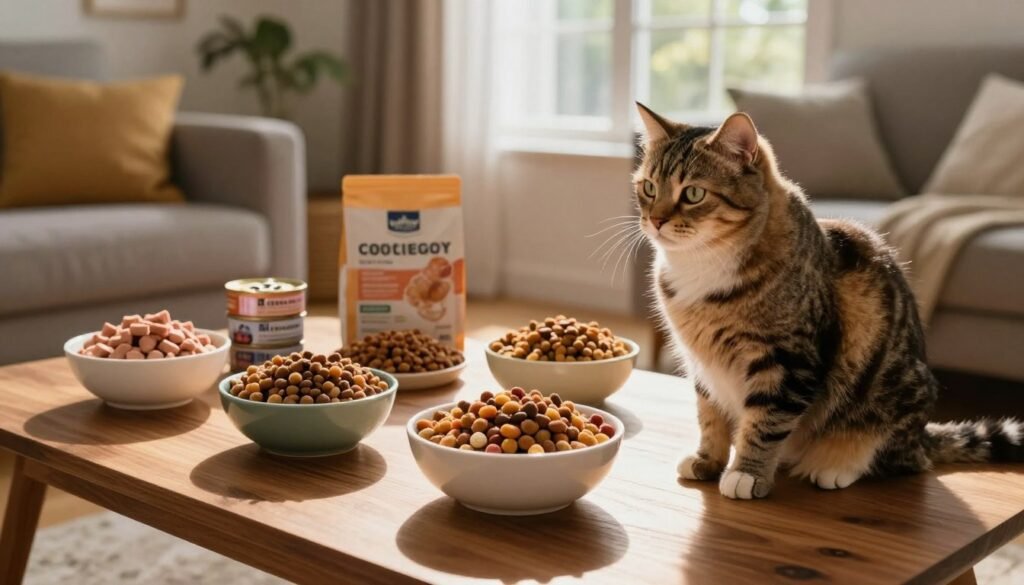
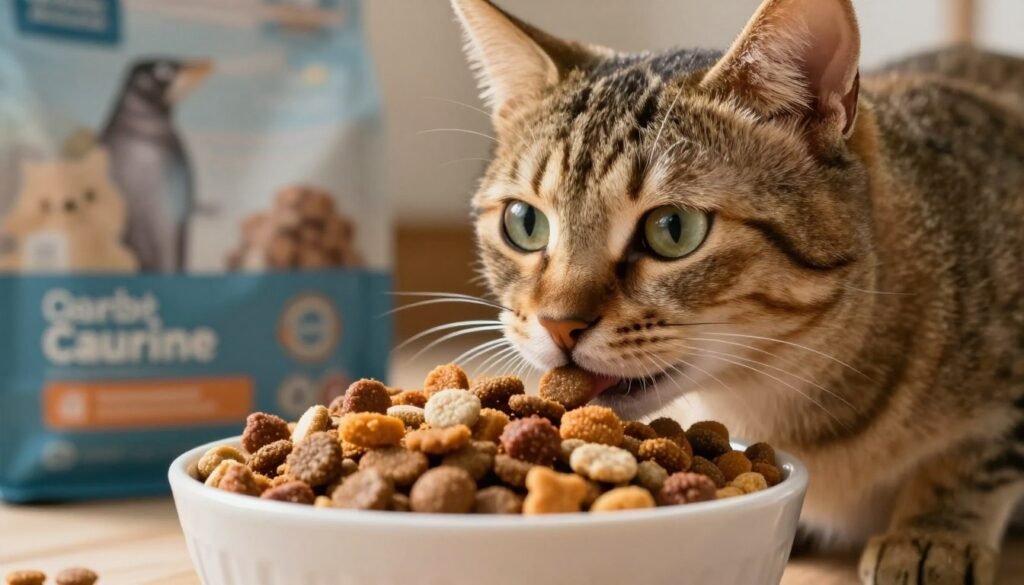
Welcome to our essential guide to feeding kittens properly. As a responsible pet owner, it’s important to ensure that your kitten receives the right nutrition for healthy growth and development. In this guide, we will provide you with valuable information on feeding kittens, including what food kittens can eat and a kitten feeding chart by age.
Feeding your kitten a balanced diet is crucial for their overall well-being. Just like baby humans, kittens have specific nutritional needs that must be met to support their growing bodies. Providing the right food in the right amounts can make a significant difference in their health and happiness.
Are you wondering what food kittens can eat? It’s essential to choose food that is specially formulated for kittens. These diets are formulated to provide all the necessary nutrients in appropriate proportions. However, as kittens grow, their dietary needs change, which is why understanding a kitten feeding chart by age is essential.
Key Takeaways:
- Feeding a balanced diet is crucial for a kitten’s growth and development.
- Choose specially formulated kitten food that meets their specific nutritional needs.
- Refer to a kitten feeding chart by age to provide the right amount of food at each stage of development.
- Monitor your kitten’s weight and adjust portion sizes accordingly.
- Introduce treats and water gradually, following the appropriate guidelines for their age.
Understanding the Nutritional Needs of Kittens
As responsible pet owners, it is crucial to understand the specific nutritional requirements of kittens at different stages of their development. Feeding them the right food in the right quantities ensures their proper growth and development. In this section, we will address some common concerns regarding kitten nutrition and provide guidance to help you make informed decisions.
How Much Do You Feed a Kitten?
The feeding amount for kittens varies depending on their age, size, and activity level. A general guideline is to provide them with small, frequent meals throughout the day. Overfeeding can lead to obesity, while underfeeding may result in malnourishment. It is essential to find the right balance to support your kitten’s growth.
“When it comes to feeding kittens, it’s important to monitor their weight and adjust their food intake accordingly. Always consult with your veterinarian to determine the ideal feeding schedule and quantity for your specific kitten.
During the first few weeks of life, kittens primarily rely on their mother’s milk. However, if the mother is absent or unable to nurse, you may need to step in and provide an appropriate substitute.
What Can I Feed My 3-Week-Old Kitten Without a Mother?
If you need to feed a 3-week-old kitten without a mother, consider using a kitten milk replacer formula. These formulas are specifically designed to provide the necessary nutrients and should be available at your local pet store or from your veterinarian. It is crucial to follow the instructions on the packaging carefully.
Additionally, you can introduce wet kitten food that is specially formulated for their age. Softening the food with warm water can make it easier for them to consume. Gradually transitioning to solid food over time will help their digestive system adapt.
| Age | Feeding Frequency | Food Type | |
|---|---|---|---|
| 3-4 weeks | 4-6 small meals | Kitten milk replacer formula | Wet kitten food (softened with water) |
| 4-6 weeks | 4-6 small meals | Kitten milk replacer formula | Wet kitten food (mashed) |
Remember to provide fresh water alongside their food to keep them hydrated. However, kittens at this age may not be proficient at drinking from a bowl, so monitor their water intake closely.
Understanding the nutritional needs of kittens is crucial for their overall health and development. By providing them with the right food, in the right quantities, and at the right time, you can ensure a strong foundation for a healthy life. Consult with your veterinarian for personalized advice based on your kitten’s specific needs and enjoy watching them grow into happy and thriving cats.
Choosing the Right Food for Your Kitten
When it comes to selecting the proper food for your kitten, it’s essential to consider their specific nutritional needs at different stages of development. Feeding your kitten a well-balanced diet is crucial for their overall health and growth. Here, we will discuss the importance of high-quality kitten food and provide recommendations for specific ages, including how much to feed a 3-month-old kitten and suitable options for 4-week-old kittens.
Importance of High-Quality Kitten Food
High-quality kitten food plays a vital role in providing your furry friend with the essential nutrients they need to thrive. Look for kitten-specific formulas that are formulated to meet the unique needs of young cats. These formulas typically contain higher levels of protein, fat, and essential vitamins and minerals to support healthy growth and development.
Quote: “Feeding your kitten a high-quality diet is crucial for their long-term health. The right food will provide them with the necessary nutrients to support their growth and development.” – Dr. Jessica Myers, Cat Nutrition Specialist
Feeding a 3-Month-Old Kitten
At 3 months of age, your kitten’s nutritional needs are slightly different compared to when they were younger. They still require a diet rich in protein, but their growing bodies now need additional nutrients to support bone and muscle development.
As a general guideline, you should feed your 3-month-old kitten about three to four small meals per day. Each meal should consist of around 1/3 to 1/2 cup of high-quality kitten food. However, it’s important to note that every kitten is unique, so it’s best to consult your veterinarian for personalized feeding recommendations based on the specific needs of your kitten.
Suitable Options for 4-Week-Old Kittens
When it comes to feeding 4-week-old kittens, it’s important to remember that they are still transitioning from milk to solid food. While they may begin to show interest in solid food, their teeth and digestive systems are still developing.
Consult with your veterinarian for suitable food options for 4-week-old kittens. They may recommend starting with a moistened kitten food formula or even a specialized kitten milk replacement formula to ensure their nutritional needs are met during this crucial stage of development.
Recommended Daily Food Amounts for Kittens
| Age | Recommended Daily Food Amount |
|---|---|
| 4 weeks | 2-4 tablespoons of moistened kitten food or specialized kitten milk replacement formula |
| 3 months | 1/3 to 1/2 cup of high-quality kitten food, divided into three to four meals |
| 4 months | 1/2 to 3/4 cup of high-quality kitten food, divided into three to four meals |
Remember, the feeding recommendations provided in the table are general guidelines. Your kitten’s specific nutritional needs may vary based on factors such as breed, weight, and activity level. It’s always best to consult with your veterinarian to determine the appropriate amount of food to feed your growing kitten.
Establishing a Feeding Schedule
When it comes to feeding kittens, establishing a consistent feeding schedule is paramount. A well-regulated routine ensures that your furry friend receives the nourishment they need at the right times. Plus, it helps maintain their overall health and development. Let’s explore the significance of a feeding schedule and understand how it varies based on the age of your kitten.
Feeding kittens by age plays a crucial role in their growth and nutritional needs. As kittens experience rapid development during their first few months, their feeding frequency changes accordingly. For instance, a 3-month-old kitten requires different feeding intervals compared to younger kittens.
How often to feed a 3-month-old kitten?
At three months of age, your kitten’s digestive system is more mature, allowing them to consume larger amounts of food in a single sitting. Provide your 3-month-old kitten with food three to four times a day, with evenly spaced meals. This helps ensure they receive adequate nutrition while avoiding overfeeding.
“A consistent feeding schedule helps provide structure and routine for your kitten, ensuring they receive the right nutrients at the right times. It also serves as a foundation for establishing healthy eating habits.”
Remember, each kitten is unique, and their specific needs may vary. Observing their behavior and consulting their veterinarian can provide further guidance on the ideal feeding schedule for your individual kitten.
Feeding Kittens by Age: A Guide
To help you establish a feeding schedule tailored to your kitten’s age, refer to the table below:
| Age | Feeding Frequency |
|---|---|
| 0-4 weeks | Every 2-3 hours |
| 4-8 weeks | Every 3-4 hours |
| 2-3 months | Every 4-6 hours |
| 4-6 months | Three meals a day |
As your kitten grows and transitions into adulthood, you can gradually reduce the number of meals per day while increasing the portion sizes. This gradual transition helps them adjust to a more adult-like feeding pattern.
By establishing and adhering to a feeding schedule, you’re providing your kitten with the proper nourishment they need to thrive. It’s a vital aspect of their care, promoting healthy growth, and maintaining their overall well-being.
Portion Control and Monitoring Your Kitten’s Weight
One of the key factors in ensuring the health and well-being of your kitten is proper portion control. Feeding your kitten the right amount of food is crucial to prevent both underfeeding and overfeeding, which can lead to various health issues. Monitoring your kitten’s weight regularly is also essential to track their growth and make adjustments to their portion sizes accordingly.
Feeding Kittens Chart by Weight
Feeding your kitten according to their weight is a reliable way to provide them with the optimal amount of food. Below is a handy feeding kittens chart by weight to help you determine the appropriate portion size for your kitten:
| Kitten Weight | Portion Size |
|---|---|
| 1-2 pounds (0.5-0.9 kg) | 1/4 – 1/3 cup, 3-4 times a day |
| 2-4 pounds (0.9-1.8 kg) | 1/3 – 1/2 cup, 3-4 times a day |
| 4-6 pounds (1.8-2.7 kg) | 1/2 – 2/3 cup, 3-4 times a day |
| 6-8 pounds (2.7-3.6 kg) | 2/3 – 3/4 cup, 3-4 times a day |
Keep in mind that these are general guidelines, and each kitten is unique. It’s essential to monitor your kitten’s weight regularly and consult with your veterinarian for personalized advice on portion sizes.
Adjusting Portion Sizes for a 4-Month-Old Kitten
At 4 months old, your kitten will be going through a growth spurt, requiring slightly more food to support their development. It’s recommended to increase their portion sizes gradually. You can add an extra 1/4 cup of food to their daily intake, divided into their regular feeding schedule. However, it’s crucial to monitor their weight and body condition to ensure they’re receiving the right amount of food and are not becoming overweight.
Remember, it’s always better to consult with your veterinarian when it comes to your kitten’s nutrition and feeding habits. They can provide personalized guidance based on your kitten’s specific needs, ensuring they grow up healthy and happy.
Introducing Treats and Water
In this section, we will discuss the importance of introducing treats and water into your kitten’s diet. As your kitten grows, it’s essential to provide them with a balanced and varied diet that includes more than just their regular meals.
“Treats can be a great way to bond with your kitten and reward good behavior,” says Dr. Emily Thompson, a renowned veterinarian at Pawsome Pet Clinic. “However, it’s crucial to choose treats that are specifically made for kittens and are nutritionally balanced.”
When selecting treats for your kitten, opt for those that are soft and small in size. This will make it easier for your kitten to chew and digest. Look for treats that are made with high-quality ingredients and are free from artificial colors, flavors, and preservatives. Some popular kitten treats brands include Purina Pro Plan, Royal Canin, and Hill’s Science Diet Kitten Treats.
“Remember, treats should only make up a small percentage of your kitten’s overall diet,” advises Dr. Thompson. “Too many treats can lead to weight gain and nutritional imbalances.”
“Water is also a crucial part of a kitten’s diet,” Dr. Thompson explains. “Kittens need access to clean and fresh water at all times.”
If your kitten is not drinking enough water on their own, you can encourage them by providing a shallow dish of water specifically designed for kittens. You may also consider using a cat water fountain, as some kittens find the sound of running water more enticing.
Kitten Treats Dos and Don’ts
- Do choose treats made specifically for kittens.
- Do opt for treats that are small and soft in texture.
- Do check the ingredient list for high-quality, natural ingredients.
- Don’t offer your kitten treats too frequently or in large quantities.
- Don’t choose treats that contain artificial colors, flavors, or preservatives.
Water Tips for Kittens
- Ensure your kitten has access to fresh, clean water at all times.
- Consider using a shallow dish or cat water fountain to entice your kitten to drink.
- Clean the water dish regularly to prevent bacteria buildup.
- Monitor your kitten’s water intake to ensure they are staying hydrated.
“By providing appropriate treats and ensuring access to water, you are promoting a healthy and well-rounded diet for your kitten,” concludes Dr. Thompson.
Dealing with Feeding Challenges
Feeding kittens can come with its own set of challenges. It’s not uncommon for kittens to refuse food or experience dietary allergies. As a responsible kitten owner, it’s important to be prepared and know how to address these feeding challenges.
Kittens Refusing Food
It can be worrying when your kitten starts refusing food. There can be various reasons for this behavior, such as stress, illness, or a change in their environment. To encourage your kitten to eat, try the following:
- Offer a different type or brand of food to entice their appetite.
- Warm up the food slightly to enhance its aroma and make it more appealing.
- Feed smaller, more frequent meals throughout the day to ensure they are getting enough nutrition.
- Provide a calm and quiet feeding area to reduce any potential stress.
“It’s important to monitor your kitten’s weight during this period. If you notice a significant decrease or no improvement in their appetite, consult with your veterinarian.”
Dietary Allergies
Some kittens may develop allergies to certain foods. Common symptoms of dietary allergies in kittens include diarrhea, vomiting, or skin irritations. If you suspect your kitten has a dietary allergy, consider the following:
- Identify the specific ingredient causing the allergy and avoid it in their diet.
- Consult with your veterinarian to determine suitable alternative food options.
- Gradually introduce new foods and observe your kitten’s reaction.
Feeding a 3-Week-Old Kitten without a Mother
If you have a 3-week-old kitten without a mother, it’s crucial to provide them with suitable nutrition to support their growth and development. At this stage, kittens can start transitioning to solid food. Here are some options:
- Offer a high-quality kitten formula specifically designed for their age.
- Mix the formula with a small amount of wet kitten food to help them get used to the taste and texture.
- Gradually decrease the frequency of bottle feeding and encourage them to eat from a shallow dish.
Remember to consult with your veterinarian for personalized advice based on your kitten’s specific needs.
Example Table: Common Feeding Challenges and Solutions
| Feeding Challenge | Solution |
|---|---|
| Kittens refusing food | Offer different types of food, warm up the food, feed smaller, frequent meals, provide a calm feeding area |
| Dietary allergies | Identify and avoid allergenic ingredients, consult with a veterinarian, gradually introduce new foods |
| Feeding a 3-week-old kitten without a mother | Provide a high-quality kitten formula, mix with wet kitten food, transition to shallow dish feeding |
By being aware of these feeding challenges and implementing the appropriate solutions, you can ensure that your kitten receives the nutrition they need for a healthy and happy life.
Conclusion
Feeding your kitten properly is essential for their health and growth. Throughout this guide, we have highlighted the importance of a balanced diet and provided recommendations for suitable food options at different stages of development. By following our kitten feeding chart and establishing a consistent feeding schedule, you can ensure your kitten receives the necessary nutrients they need to thrive.
Remember to monitor your kitten’s weight and adjust portion sizes accordingly. Our feeding kittens chart by weight can serve as a helpful reference. Additionally, don’t forget to introduce treats and provide water to keep your kitten hydrated.
In conclusion, proper nutrition plays a crucial role in your kitten’s overall well-being. By implementing the information and suggestions shared in this guide, you are setting the foundation for a healthy and happy life for your furry friend. If you have any concerns or encounter feeding challenges, consult with your veterinarian for personalized advice. Happy feeding!
FAQ
How much do you feed a kitten?
What can I feed my 3-week-old kitten without a mother?
What food can kittens eat?
What can I feed my 3-week-old kitten without a mother?
How often to feed a kitten 3 months?
What to feed kittens 4 weeks old?
Feeding kittens by age
How often to feed a kitten 3 months?
How much to feed a kitten 4 months?
Feeding kittens chart by weight
References:
This article was created based on information from the following authoritative sources: American Society for the Prevention of Cruelty to Animals (ASPCA) and American Veterinary Medical Association