Behind every cage door in a rescue facility, there is a story of resilience and a heartbeat waiting for a second chance. Understanding how animal shelters save lives goes far beyond providing food and water. It is about the tireless impact of rescue organizations that transform fear into hope.
From local community shelters to the nationwide no-kill movement in the US, these sanctuaries serve as the front line for saving homeless pets in America. According to the American Society for the Prevention of Cruelty to Animals (ASPCA), animal shelters play a critical role. They provide a safe haven for homeless pets.
Key Takeaways
- Animal shelters provide a safe haven for homeless pets.
- Rescue organizations transform fear into hope for pets in need.
- The no-kill movement is gaining momentum across the US.
- Adopting a pet can be a rewarding experience for both the pet and the owner.
- Organizations like the ASPCA and Best Friends Animal Society are leading the way in animal rescue efforts.
The Crisis of Homeless Animals in America
The United States is grappling with a severe crisis of homeless animals, with millions entering shelters each year. The ASPCA reports that about 6.3 million companion animals enter U.S. animal shelters annually. This staggering number highlights the urgent need for solutions.
Current Statistics on Stray and Abandoned Pets
The prevalence of homeless animals varies significantly across different regions. Understanding these statistics is essential for tackling the issue effectively.
Annual Intake Numbers Nationwide
Animal shelters in the U.S. face a substantial influx of animals each year. This includes both stray and abandoned pets, underscoring the widespread nature of the problem.
Regional Variations in Pet Homelessness
Different regions encounter unique challenges. Urban areas often face different issues than rural areas, highlighting the need for tailored solutions.
| Region | Annual Intake |
|---|---|
| Urban | 2 million |
| Rural | 1.5 million |
Causes of Animal Homelessness
Several factors contribute to animal homelessness, including economic instability, behavioral issues, and limited access to veterinary care.
Economic Factors
Economic instability can lead to pet owners being unable to care for their pets, resulting in homelessness.
Behavioral Issues
Some pets are surrendered due to behavioral problems that owners cannot address, leading to homelessness.
Lack of Accessible Veterinary Care
Limited access to veterinary care can exacerbate the issue of pet homelessness, making it harder to manage health issues.
The Evolution of Animal Shelters in the United States
The history of animal shelters in the United States is a narrative of gradual yet significant transformation. It mirrors the evolving societal views on animal welfare. From their humble beginnings to the sophisticated organizations of today, animal shelters have adapted to meet the needs of animals and communities alike.
Historical Development of Animal Welfare Organizations
The emergence of animal welfare organizations has been a cornerstone in the evolution of animal shelters. The American Society for the Prevention of Cruelty to Animals (ASPCA), established in 1866, stands as a prime example. It has been a beacon of change, influencing the trajectory of animal welfare.
Early Humane Societies
Early humane societies, such as the ASPCA, played a critical role in the establishment of the first animal shelters. These pioneers were dedicated to fostering kindness towards animals and providing sanctuary to those in need.
Transition from Pounds to Shelters
The concept of animal sheltering has evolved from simple “pounds” to more advanced shelters. These modern facilities offer care and support, marking a significant shift from the harsh conditions of the past.
Modern Animal Shelters: Types and Functions
Today, animal shelters come in various forms, each with its own approach and services. Recognizing these differences is essential for understanding their vital role in animal welfare.
Municipal vs. Private Shelters
Shelters can be broadly classified into municipal and private facilities. Municipal shelters are funded by local governments, whereas private shelters rely on donations, often enjoying more operational flexibility.
Open Admission vs. Limited Admission Facilities
Another critical distinction is their admission policies. Open admission shelters accept all animals, regardless of their condition or capacity. In contrast, limited admission facilities may decline animals if they are full or if the animal’s condition is deemed too severe.
| Shelter Type | Funding/Source | Admission Policy |
|---|---|---|
| Municipal Shelter | Local Government | Open Admission |
| Private Shelter | Donations | Limited Admission |
Inside Animal Shelters: Daily Operations and Challenges
Animal shelters are more than just places for animals. They are hubs of activity, focused on rehabilitation, adoption, and community outreach. Daily operations involve a variety of challenges and care procedures.
Intake Procedures and Assessment
Animals arriving at shelters undergo a detailed intake process. This includes health and behavioral assessments. Health evaluations are essential to identify any immediate medical needs.
Health Evaluations
Veterinarians conduct thorough examinations to check for diseases, injuries, or other health concerns. The American Society for the Prevention of Cruelty to Animals (ASPCA) emphasizes the importance of these evaluations for determining an animal’s health status.
Behavioral Assessments
Behavioral assessments help understand an animal’s temperament and behavior. This information is critical for finding the right home for them. Best Friends Animal Society highlights the importance of understanding an animal’s behavior for successful adoption.
Medical Care and Rehabilitation
Medical care is a top priority in animal shelters. Many provide a range of veterinary services.
Veterinary Services Provided
Veterinary services include vaccinations, spaying/neutering, and treatments for illnesses or injuries. These services are vital for maintaining the health and well-being of shelter animals.
Treatment for Common Shelter Illnesses
Shelter animals often face illnesses like upper respiratory infections. Prompt treatment is essential to prevent disease spread and ensure proper care.
Space and Resource Limitations
Animal shelters face significant challenges due to space and resource limitations.
Funding Challenges
Funding is a major issue, with many shelters relying on donations and fundraising events. The ASPCA stresses the importance of funding for animal shelter services.
Staffing and Capacity Issues
Staffing and capacity issues are also significant challenges. Many shelters operate with limited staff and resources. This can affect their ability to provide adequate care and find forever homes for animals.
In conclusion, animal shelters face numerous daily challenges, from intake and medical care to funding and staffing issues. Despite these obstacles, their dedication and community support remain vital. By partnering with organizations and engaging in shelter and rescue programs, shelters can enhance their capacity to care for animals and find them forever homes.
Be a Hero for Homeless Pets
You have the power to protect the vulnerable. Make a difference by supporting shelter animals today.
The No-Kill Movement in the US
The no-kill movement marks a significant shift in animal shelter management, aiming to save as many lives as possible. It seeks to reduce animal euthanasia, promoting a more compassionate and effective animal welfare system.
Definition and Philosophy
The no-kill movement believes every adoptable animal deserves a second chance. It focuses on providing shelter, care, and rehabilitation until they find a home.
The 90% Save Rate Benchmark
A core principle of the no-kill movement is achieving a 90% save rate. This milestone indicates a shelter successfully homes most of its animals.
Treatable vs. Untreatable Conditions
No-kill shelters distinguish between treatable and untreatable animals. Those with treatable conditions receive care to make them adoptable.
Progress and Challenges
Despite progress, the no-kill movement faces hurdles in achieving nationwide adoption. Some cities have reached no-kill status, setting examples for others.
Cities Achieving No-Kill Status
Cities like Austin, Texas, have implemented no-kill policies. Their success shows that with the right strategies and community support, shelter euthanasia can be significantly reduced.
Obstacles to Nationwide Implementation
Despite successes, challenges remain. Limited resources, lack of community engagement, and inadequate spay/neuter programs hinder widespread no-kill adoption.
Success Stories from No-Kill Communities
No-kill communities share valuable insights into saving more lives. Austin, Texas, is a notable example.
Austin, Texas Model
Austin’s success stems from a holistic approach. This includes robust community engagement, innovative adoption programs, and a strong spay/neuter initiative.
Lessons from Successful Programs
Successful no-kill programs emphasize collaboration between shelters, rescue groups, and the community. They highlight the need for continuous education and outreach.
Shelter and Rescue Partnership Programs
Animal shelters and rescue organizations are making great strides by working together. This collaboration is changing the game in finding homes for pets in need. It’s a significant step towards reducing pet euthanasia rates.
Transport and Transfer Initiatives
One key strategy is moving pets from high intake areas to lower ones. This saves lives and optimizes resources. It’s a vital part of their mission.
Moving Pets from High-Intake to Low-Intake Areas
Groups like the Best Friends Animal Society and Rescue Me lead this effort. They relocate pets from overcrowded shelters to areas with better adoption chances.
Interstate Rescue Networks
These networks allow pets to be transported across state lines. This expands their adoption possibilities, giving them a second chance at a happy life.
Collaborative Efforts Between Organizations
Shelters and rescue groups share resources and expertise. This leads to more effective adoption processes. It’s a win-win for everyone involved.
Shared Resources and Expertise
By combining their efforts, these organizations can offer better care. They also provide more support for adopters, making the adoption process smoother.
Joint Adoption Events
Together, they host events to showcase adoptable pets. This increases their visibility and adoption chances. It’s a powerful way to find forever homes.
| Organization | Type of Initiative | Impact |
|---|---|---|
| Best Friends Animal Society | Transport and Transfer | Saved over 10,000 pets in 2022 |
| Rescue Me | Interstate Rescue Networks | Facilitated the adoption of 5,000 pets across state lines |
Impact on Save Rates
The partnership has led to a significant increase in save rates. Data and case studies show that collaboration boosts adoption rates. It also lowers euthanasia rates, making a real difference in the lives of pets.
How Animal Shelters Connect Pets with Forever Homes
Animal shelters are key in linking pets with their forever homes through a detailed adoption process. This process aims to pair pets with families that fit their needs, boosting the chances of a successful adoption.
The Adoption Process Explained
The adoption journey at animal shelters is thorough, with several steps to find the perfect match between pets and their future families.
Application and Screening Procedures
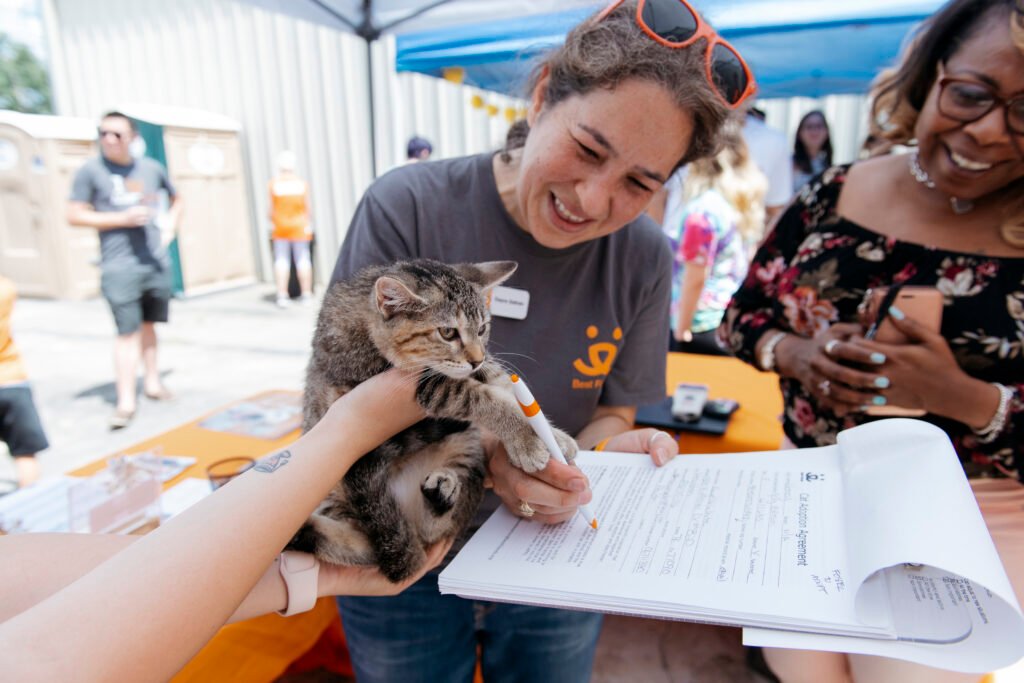
Prospective adopters must complete an application. This step helps shelter staff gauge their lifestyle, pet experience, and desired pet type. Such information is vital for a suitable match.
Home Visits and Follow-ups
Some shelters perform home visits to evaluate the pet’s new environment. Post-adoption follow-ups ensure the pet is settling well into its new home.
Matching Pets with Appropriate Families
Shelters aim to pair pets with families that meet their needs. They consider lifestyle and temperament when making these matches.
Considering Lifestyle Compatibility
An energetic dog might suit an active family, while a calm pet is better for a quieter home. This ensures a harmonious living environment.
Special Considerations for Different Animals
Diverse animals have distinct needs. Dogs need training and exercise, while cats require proper litter box conditions. These needs are critical for their well-being.
| Pet Type | Key Considerations | Ideal Home Characteristics |
|---|---|---|
| Dogs | Exercise needs, training requirements | Active families, spacious homes |
| Cats | Litter box maintenance, socialization needs | Quiet homes, owners with time for interaction |
| Small Mammals | Cage cleanliness, social interaction | Families with gentle children, adequate space for cages |
Post-Adoption Support Services
Many shelters, like those backed by the American Society for the Prevention of Cruelty to Animals (ASPCA), offer support after adoption. This ensures a smooth transition for pets and their new owners.
Training Resources
Shelters often provide or suggest training resources. These help new owners manage their pet’s behavior and strengthen their bond.
Medical and Behavioral Support
Some shelters offer medical care and behavioral support. This helps address any post-adoption issues.
Through a detailed adoption process and post-adoption support, animal shelters significantly boost the chances of successful, long-term adoptions. This ultimately saves more lives.
Beyond Adoption: Other Life-Saving Programs at Animal Shelters
Animal shelters do more than just find homes for pets. They run programs like foster care and trap-neuter-return to save lives. These efforts help animals in need and support the mission to reduce pet homelessness.
Foster Care Networks
Foster care networks are key in animal shelters. They provide temporary homes for animals until they’re adopted. This is vital for animals needing special care or not yet ready for a permanent home.
Benefits for Animals and Shelters
Foster care benefits both animals and shelters. For animals, it offers a safe, nurturing space, reducing stress and boosting adoption chances. For shelters, it frees up space, enabling them to help more animals in need.
How to Become a Foster Parent
Becoming a foster parent is easy. You just need to apply, go through a brief orientation or training, and be matched with an animal. Organizations like the American Society for the Prevention of Cruelty to Animals (ASPCA) and Best Friends Animal Society offer support and resources for foster parents.
Trap-Neuter-Return Programs
Trap-Neuter-Return (TNR) programs are essential in animal shelters. They involve trapping feral cats, spaying or neutering them, and then returning them to their colonies. This approach manages community cat populations humanely.
Managing Community Cat Populations
TNR programs effectively manage community cat populations. By spaying or neutering cats, they prevent new litters, reducing the population over time.
Impact on Shelter Intake Numbers
Implementing TNR programs can significantly reduce shelter intake numbers. By decreasing the number of feral cats, TNR programs allow shelters to focus on other animals in need.
Behavior Rehabilitation
Behavior rehabilitation is a critical program in many animal shelters. It involves working with animals that have behavioral issues to make them more adoptable.
Working with Fearful Animals
One key aspect of behavior rehabilitation is helping fearful animals. Trained staff and volunteers use various techniques to help these animals overcome their fears, making them more adoptable.
Addressing Common Behavioral Issues
Shelters also address common behavioral issues like aggression or separation anxiety. By understanding the causes and implementing appropriate training, shelters can significantly improve an animal’s adoptability.
| Program | Description | Benefits |
|---|---|---|
| Foster Care Networks | Temporary care for animals until adoption | Reduces shelter stress, improves animal care |
| Trap-Neuter-Return Programs | Manages feral cat populations through spay/neuter | Reduces feral cat populations, decreases shelter intake |
| Behavior Rehabilitation | Addresses behavioral issues in animals | Improves adoptability, reduces euthanasia rates |
The Role of Community in Supporting Animal Shelters
Local communities play a vital role in supporting animal shelters. Across the United States, shelters rely on community participation and generosity. This support is essential for caring for homeless pets and finding them forever homes.
Volunteer Opportunities
Volunteering is a key way to support animal shelters. Volunteers dedicate their time and skills to various tasks. These include caring for animals, assisting with daily operations, and supporting adoption efforts.
Direct Animal Care Roles
Volunteers in direct animal care roles focus on feeding, grooming, and exercising animals. These activities help socialize pets, making them more adoptable. This is a critical step in preparing them for new homes.
Administrative and Outreach Positions
Not all volunteers work directly with animals. Many are needed for administrative tasks. These include answering phones, processing adoptions, and managing fundraising events. These roles are just as important for the shelter’s success.
Donation and Fundraising Initiatives
Donations and fundraising are essential for animal shelters’ financial health. These efforts help cover costs for medical care, food, and other operational needs.
In-Kind Donations
In-kind donations, such as pet food, toys, and blankets, are greatly appreciated. Organizations like the American Society for the Prevention of Cruelty to Animals (ASPCA) and local pet supply businesses often support shelters with these donations.
Creative Fundraising Events
Creative fundraising events, such as charity runs, auctions, and bake sales, raise funds and increase community awareness. They highlight the shelter’s mission and importance.
“Community support is what makes it possible for us to continue our work. We’re grateful for every volunteer, donor, and advocate who helps us care for animals in need.” –
Community Education Programs
Community education programs are critical for promoting responsible pet ownership and humane education. These programs help prevent animal homelessness and strengthen the bond between pets and their owners.
Responsible Pet Ownership Classes
Classes on responsible pet ownership cover essential topics like animal behavior, health care, and training. The American Pet Products Association (APPA) provides resources for developing these programs.
Youth Humane Education
Youth humane education programs teach children about compassion, empathy, and treating animals with kindness. Organizations like Rescue Me and Save-A-Pet USA offer curricula and resources for shelters to implement these programs.
| Support Method | Description | Impact |
|---|---|---|
| Volunteering | Time and skills contributed to shelter operations | Enhances animal care and adoption efforts |
| In-Kind Donations | Goods such as food, toys, and supplies | Reduces operational costs, improves animal welfare |
| Fundraising Events | Events like charity runs and auctions | Raises funds, increases community awareness |
Innovative Strategies to Reduce Shelter Killing
The fight against shelter killing is gaining momentum through targeted efforts. These initiatives tackle the core issues leading to animal homelessness. By adopting effective strategies, animal shelters are seeing a significant drop in euthanasia rates.
Targeted Spay/Neuter Programs
Spay/neuter programs are a key strategy in reducing shelter killing. They aim to cut down on unwanted litters. This approach prevents animals from ending up in shelters in the first place.
Low-Cost and Free Services
Organizations like the ASPCA and local shelters provide low-cost or free spay/neuter services. These efforts make the procedure more affordable for pet owners, focusing on low-income communities.
Mobile Clinics in Underserved Areas
Mobile spay/neuter clinics are gaining popularity. They bring services to underserved areas, praised for their convenience and effectiveness. This approach ensures access to these vital services for those who might not have it.
Technology Solutions for Lost Pet Recovery
Technology is essential in reuniting lost pets with their owners. Microchipping and digital lost and found systems are leading the way in innovative solutions.
Microchipping Initiatives
Microchipping pets has proven effective in reuniting lost animals with their owners. Shelters and organizations like Best Friends Animal Society advocate for microchipping as a standard practice.
Digital Lost and Found Systems
Digital platforms connecting lost and found pets are becoming more common. These systems enable shelters, rescue groups, and pet owners to share information. This makes it easier to reunite lost pets with their families.
Surrender Prevention Resources
Preventing pet surrenders is critical in reducing shelter killing. Resources such as pet food banks and temporary housing assistance support pet owners during tough times.
Pet Food Banks
Pet food banks offer vital support to pet owners struggling to feed their animals. Organizations like Rescue Me and Save-A-Pet USA run these programs.
Temporary Housing Assistance
Some organizations provide temporary housing assistance. This helps pet owners facing homelessness or other crises to keep their pets.
The Emotional Impact: How Animal Shelters Heal Both Pets and People
Animal shelters do more than just provide shelter. They play a significant role in healing both animals and humans. This healing is achieved through various programs aimed at improving emotional and psychological well-being. These programs support individuals and the animals in their care.
Therapy and Service Animal Programs
Therapy and service animal programs are key components of emotional support services in animal shelters. They train animals to assist individuals with specific needs, significantly improving their quality of life.
Training Shelter Dogs for Service Work
Shelter dogs can be trained to assist individuals with disabilities, providing invaluable support. Organizations like the American Society for the Prevention of Cruelty to Animals (ASPCA) run training programs. These programs help dogs become certified service animals.
Animal-Assisted Therapy Initiatives
Animal-assisted therapy (AAT) uses trained animals to promote emotional healing and comfort. Studies have shown AAT to have positive effects on mental health. It helps reduce stress and anxiety in individuals.
Prison Partnership Programs
Prison partnership programs are an innovative approach to rehabilitation. They involve inmates in animal care and training.
Inmate Training Programs
Inmate training programs teach prisoners to care for and train shelter animals. This teaches valuable skills like responsibility and empathy. It aids in the rehabilitation of inmates and improves the adoptability of animals.
Mutual Benefits for Prisoners and Pets
These programs benefit both prisoners and animals. Prisoners gain a sense of purpose and skills. Animals receive socialization and training, making them more adoptable.
Mental Health Benefits of Pet Adoption
Adopting a pet from an animal shelter can significantly improve mental health.
Emotional Support Animals
Emotional support animals offer comfort and companionship to individuals with mental health conditions. The bond between an individual and their emotional support animal is profoundly therapeutic.
Companionship for Vulnerable Populations
Pets provide companionship and reduce loneliness for vulnerable populations, such as the elderly or those with chronic illnesses.
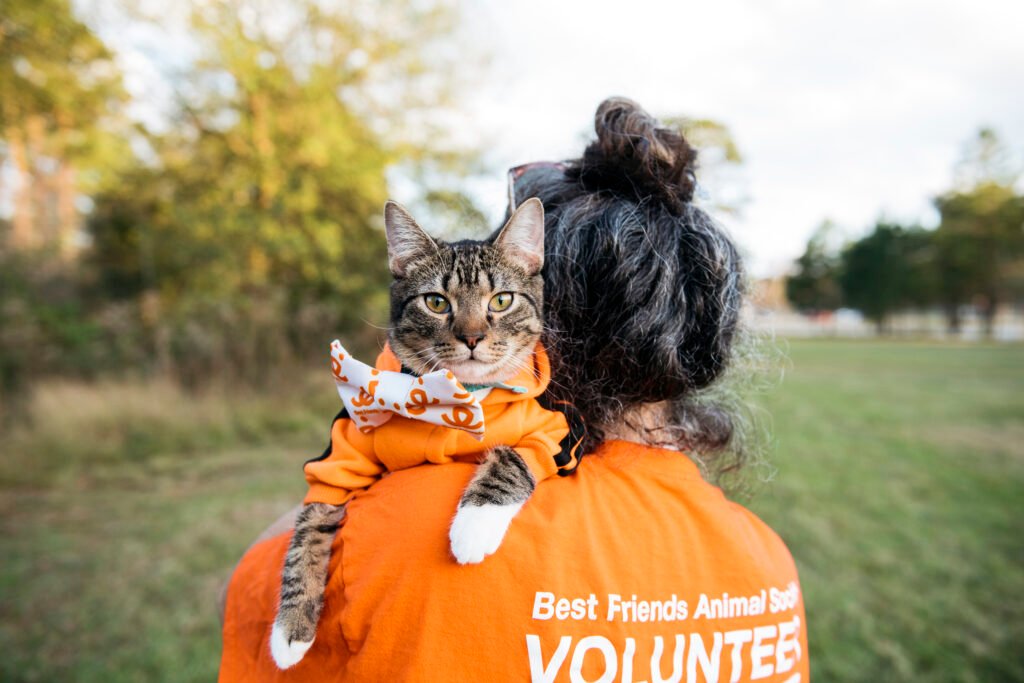
Join Our Lifesaving Community
We proudly advocate for shelter animals. Support the cause and help us create a kinder world for every pet.
Finding and Supporting Animal Shelters Near You
Embarking on the quest to find and support animal shelters in your area requires identifying trustworthy organizations. With a plethora of shelters and rescue groups out there, having the right information is key to making an informed choice.
How to Locate Reputable Shelters
To pinpoint a reputable animal shelter near you, begin by leveraging online resources and directories. The ASPCA and Best Friends Animal Society websites are invaluable for locating shelters and rescue organizations in your area.
Online Resources and Directories
Platforms like Rescue Me! and Save-A-Pet USA provide extensive listings of shelters and rescue groups across the United States. These platforms enable you to filter your search by location, streamlining the process of finding shelters near you.
Evaluating Shelter Practices
When assessing shelters, focus on their animal care policies, adoption processes, and community involvement. Reputable shelters are transparent about their practices and eager to share information.
Questions to Ask When Visiting
Visiting a shelter in person offers a firsthand look at their operations. Prepare a list of questions, focusing on their policies and animal care standards.
Understanding Policies and Procedures
Ask about the shelter’s adoption process, spay/neuter policies, and how they manage animal behavior issues. This insight will help you grasp their commitment to animal welfare.
Assessing Animal Care Standards
Observe the facilities’ condition and the animals’ health and well-being. A shelter with clean, safe environments for animals indicates a strong commitment to animal care.
Ways to Help Your Local Shelter
Supporting your local shelter can manifest in various ways, from donations to volunteering. Understanding their specific needs allows you to make a significant impact.
Specific Donation Needs
Many shelters list their wish lists on their websites, detailing items they need, such as food, toys, and blankets. Making a donation can greatly support their daily operations.
Advocacy and Awareness Campaigns
Spreading the word about your local shelter and their mission can significantly enhance their ability to assist animals in need. Participating in or organizing community events can raise awareness and garner support.
Conclusion: The Future of Animal Shelters and Pet Homelessness
The future of animal shelters is deeply connected to the issue of pet homelessness and the broader goal of animal welfare. Animal shelters have transformed from simple holding places to full-service care centers. They now offer medical care, behavioral rehabilitation, and adoption services.
Organizations like the American Society for the Prevention of Cruelty to Animals (ASPCA) and Best Friends Animal Society lead this effort. They work hard to decrease pet homelessness through spay/neuter programs, community outreach, and education.
To advance, we must cultivate a culture of compassion and responsibility towards animals. This means supporting local shelters, volunteering, and donating to organizations like Save-A-Pet USA and Rescue Me.
Through collective action, we can ensure every animal finds a loving home. Pet homelessness will then be a relic of the past. The future of animal shelters hinges on our shared commitment to animal welfare and reducing homelessness.