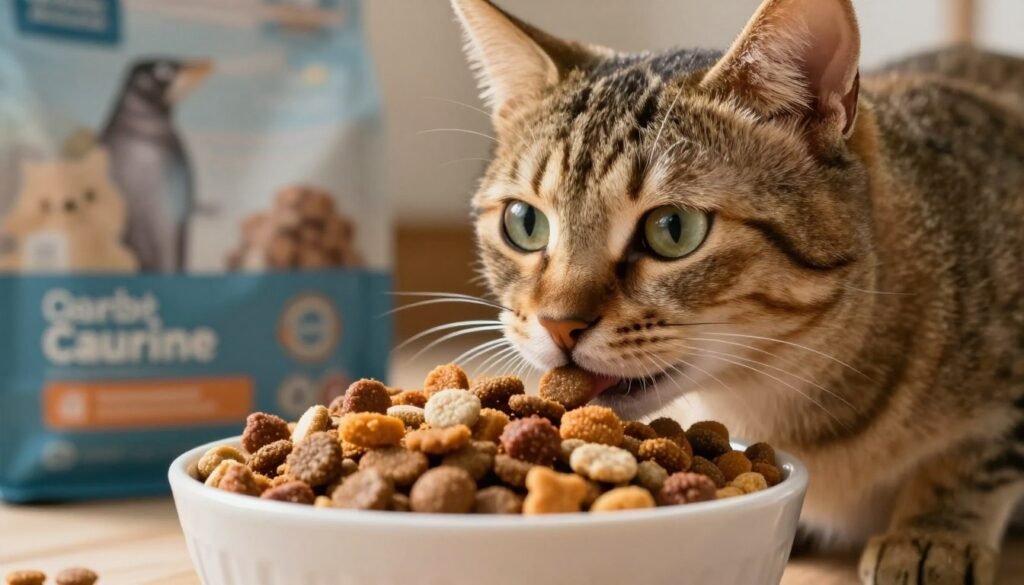
Did you know these unique pets keep their body temperature nearly four degrees higher than most other breeds? This shows their high metabolism, needing special care from their owners.
Proper sphynx cat care is more than just basic pet care. Since they don’t have fur, their skin needs to be cleaned often. This helps manage the natural oils that would build up.
These hairless companions do best with specific routines. Our key sphynx cat tips will help you keep your pet comfortable, healthy, and happy at home.
Key Takeaways
- Understand that high metabolic rates require a nutrient-dense diet.
- Establish a consistent bathing schedule to manage skin oils.
- Protect your pet from extreme temperatures and direct sunlight.
- Monitor ear health regularly to prevent wax buildup.
- Provide plenty of soft bedding to keep your companion warm.
Understanding the Unique Characteristics of Sphynx Cats
Thinking about getting a Sphynx cat? Knowing their special body features is key. They’re famous for not having fur, which changes how they live. They need special care for their skin and comfort.
Physical Traits of the Sphynx
Their hairless look is their most famous trait. But, they actually have a thin layer of soft fuzz. Their skin feels like suede or a peach. Proper skin maintenance is crucial for sphynx cat care, as their skin always makes oils.
Without fur, they feel temperature changes a lot. They love warm spots, like sunny windows or laps, to stay warm. Their big ears and eyes need regular cleaning to stay healthy.
Personality and Temperament
Sphynx cats are very loving and social. They’re often called “velcro cats” because they stick to their people. They’re full of energy and love to play, making them great for active homes.
They’re smart and curious, always wanting to know what’s going on. They need lots of attention and can get lonely. Giving them puzzle toys and playtime keeps them happy and busy.
Common Health Concerns
While they’re generally healthy, owners need to watch for certain sphynx cat health problems. Hypertrophic cardiomyopathy (HCM) is a big worry, as it thickens the heart muscle. Regular vet visits are key to check their heart.
They’re also at risk for skin problems without fur. Keeping up with their sphynx cat health routine helps catch issues early. Knowing these traits helps you give them the best care.
Proper Diet for Your Sphynx Cat
A proper sphynx cat diet is key to your pet’s health and energy. These cats don’t have fur, so they need to burn more calories to stay warm. This means they need more food than other cats.
Recommended Nutritional Requirements
For their active life, choose high-quality, protein-rich foods. A good sphynx cat diet includes taurine for heart and eye health. Look for foods with real meat first.
- High Protein: Essential for muscle maintenance and energy.
- Healthy Fats: Crucial for skin health and insulation.
- Controlled Carbohydrates: Keeps blood sugar levels stable throughout the day.
Treats and Supplements
Treats are great for bonding, but don’t replace meals. Consider adding supplements for their skin. Omega-3 fatty acids are good for keeping their skin healthy.
Always talk to your vet before adding new supplements. Moderation is key to avoid weight gain and joint problems.
Feeding Schedule Guidelines
Having a regular feeding schedule is crucial for your cat’s health. Small, frequent meals are better than big ones. This helps prevent low blood sugar and keeps their energy up.
Use the following table to help structure your daily routine:
| Meal Time | Portion Size | Focus |
|---|---|---|
| Morning | Moderate | Energy boost |
| Mid-day | Small | Metabolic support |
| Evening | Moderate | Overnight warmth |
Watching your cat’s weight is important for their sphynx cat diet. If they seem tired or lose weight, adjust their food. Make sure they always have fresh water to stay hydrated.
Bathing Your Sphynx Cat: Why and How
It might surprise you to know that your Sphynx cat needs regular baths. They don’t have fur to soak up their body oils. This leads to clogged pores and skin irritation. Learning sphynx cat grooming is crucial for any owner.
Frequency of Baths
Experts say to bathe your cat every one to two weeks. This keeps their skin from getting oily and stained. But, watch your cat closely since some produce more oil.
If your cat’s skin looks greasy or feels sticky, it’s time for a bath. Don’t overdo it, as this can dry out their skin. Finding the right balance is essential for their comfort.
Bathing Technique and Products
Use a gentle, pH-balanced cat shampoo. Human shampoos or harsh soaps can harm your cat’s skin. Keep the water warm, like for a human baby, during sphynx cat grooming.
- Fill a sink or basin with a few inches of warm water.
- Gently wet your cat, avoiding their eyes and ears.
- Apply a small amount of shampoo and massage it into the skin.
- Rinse thoroughly to ensure no soap residue remains.
Post-Bath Care for Sensitive Skin
After the bath, keep your cat warm and dry. They lose heat fast without fur. Use a soft towel to dry them gently, making sure to dry all skin folds.
For proper sphynx cat hygiene, keep them in a warm, draft-free area until dry. Consider a pet robe or warm blanket for comfort. These steps help your cat feel safe during baths.
Keeping Your Sphynx’s Skin Healthy
Keeping your hairless cat’s skin healthy is crucial. Without fur, they face more risks from the environment. Follow these sphynx cat tips to keep their skin in great shape all year.
Recognizing Skin Issues
Watch for signs of skin problems in hairless cats. Look for excessive oiliness that might look like dark spots on their skin or bedding. Redness, bumps, or crusty patches could mean acne or a fungal infection.
Spotting these issues early can stop them from getting worse. If your cat scratches a lot, it might be due to sphynx cat allergies. Always check with your vet if you see any unusual skin changes.
Moisturizing and Hydration Tips
Without fur, your cat’s skin can dry out, which is common in dry climates. Use a pet-safe, fragrance-free moisturizer to keep their skin soft. Make sure it’s made for cats to avoid harmful ingredients.
Dealing with sphynx cat allergies might mean using special skin care and changing their diet. If allergies are suspected, try a hypoallergenic diet. Also, make sure your cat always has clean, fresh water to help their skin from the inside.
| Condition | Common Symptom | Management Strategy |
|---|---|---|
| Feline Acne | Blackheads on chin | Clean with mild soap |
| Dry Skin | Flaky, white patches | Apply pet-safe lotion |
| Allergic Reaction | Redness and itching | Identify allergen source |
| Fungal Infection | Circular, crusty lesions | Consult your veterinarian |
Grooming Essentials for Sphynx Cats
Sphynx cats need your help with grooming because they don’t have fur. Bathing is a big part of their care. But sphynx cat grooming also includes other important tasks. These tasks help prevent infections and keep your cat comfortable.
Nail Clipping and Ear Care
Sphynx cats have big ears that collect wax and debris fast. You should check their ears weekly to keep them clean. Use a soft, damp cloth or a vet-approved ear cleaner to clean the outer ear. But don’t put anything deep into the ear.
It’s also key to clip their nails regularly for sphynx cat hygiene. Since they’re active, trimming their claws every two weeks stops painful ingrown nails and scratches. Use a standard cat nail clipper to just cut the sharp tip of the claw.
- Check ears weekly for dark wax or unpleasant odors.
- Use a soft cloth for gentle cleaning of the ear folds.
- Trim nails every 10 to 14 days to keep them manageable.
- Always reward your cat with a treat after grooming sessions.
Tooth Care and Oral Hygiene
Dental health is key for your cat’s overall health. Sphynx cats can get periodontal disease, which is serious if not treated. Daily tooth brushing is the best way to stop plaque and keep gums healthy.
Begin by introducing cat-specific toothpaste and a soft-bristled brush or finger brush. Never use human toothpaste, as it’s toxic to pets. By making oral care a positive part of your routine, you protect your cat from pain and expensive dental bills later.
Creating a Comfortable Environment for Your Sphynx
Your Sphynx cat needs your help to stay warm. They don’t have fur to keep them cozy. Providing a cozy sanctuary is key for their health and happiness.
Ideal Living Space Setup
Make sure your cat has warm spots to go to. Heated pet beds are great for this. They offer a steady warmth for your cat to enjoy.
Also, use soft, fleece blankets in sunny spots or near heaters. This makes cozy napping areas for your cat.
Keep areas away from drafts to keep your cat warm. A small breeze can make them shiver. Make sure their favorite spots are draft-free.
Temperature and Humidity Considerations
Keeping the temperature right is crucial for your cat’s health. Aim for a warm indoor temperature, between 70 and 80 degrees Fahrenheit. If it’s too cold, your cat might get sick.
“A hairless cat’s environment is an extension of their health; when the room is warm and stable, the cat thrives.” — Feline Wellness Expert
It’s also important to watch the humidity, which can drop in winter. Low humidity can cause dry skin in Sphynx cats. A humidifier can help keep their skin moist and healthy.
| Environmental Factor | Recommended Range | Benefit |
|---|---|---|
| Indoor Temperature | 70°F – 80°F | Prevents lethargy |
| Humidity Level | 40% – 50% | Protects skin health |
| Draft Exposure | Minimal to None | Maintains body heat |
By focusing on sphynx cat temperature regulation and humidity, you make a safe space for your cat. Keeping an eye on these things helps your cat stay happy and active all year.
Social Needs and Interaction
Your hairless cat might follow you everywhere, always looking for attention. These cats love being around people and need deep connections. Giving them lots of interaction is key to their happiness.
Importance of Playtime
Playtime every day keeps your cat’s mind sharp and body active. It stops boredom and helps them use up energy. Plus, it helps with sphynx cat temperature regulation by keeping blood flowing and metabolism up.
When they move, they make their own heat, which is important for them. Try for two 15-minute play sessions a day. Games with feather wands or laser pointers make it fun for both of you.
“The social intelligence of a Sphynx is comparable to that of a dog; they do not just live in your home, they participate in your life.”
Incorporating Other Pets
Bringing a new pet into your home needs patience and planning. Sphynx cats are curious and friendly, so they usually get along well. Start by meeting in a neutral area to avoid territorial issues.
Watch how they interact closely in the first few weeks. Make sure they have their own food bowls and places to rest. This helps keep them happy and healthy, as stress can make them seek warmth in bad places.
| Activity Type | Social Benefit | Physical Impact |
|---|---|---|
| Interactive Wand Play | High Bonding | High Metabolism |
| Puzzle Feeders | Mental Stimulation | Low Impact |
| Social Grooming | Emotional Security | Moderate Warmth |
| Group Napping | Pack Cohesion | Thermal Regulation |
Regular Veterinary Care and Monitoring
Keeping your cat healthy is key to a happy life. Sphynx cats need special care because of their unique needs. Regular vet visits are essential for long-term wellness.
Typical Veterinary Visits
Book wellness exams yearly for your cat. Senior cats might need more frequent visits. Your vet will check your cat’s health thoroughly during these visits.
Talk about screenings for heart issues, common in this breed. This is crucial for your cat’s heart health.
Observation is your greatest tool between vet visits. Watch for changes in appetite, energy, or litter box habits. If your cat scratches a lot or has red skin, see your vet. This could be due to sphynx cat allergies or sensitivities.
Vaccination and Preventive Care
Preventive care keeps your pet safe from diseases and parasites. Your vet will make a vaccination plan based on your cat’s life and local risks. Keeping vaccination records up to date is a critical responsibility.
Here are more ways to keep your cat healthy:
- Parasite control: Use vet-approved treatments to prevent fleas, ticks, and heartworms.
- Dental screenings: Regular oral exams prevent periodontal disease, which affects overall health.
- Weight management: Regular weigh-ins help track metabolic health and prevent obesity issues.
Always talk to your vet about any unusual behaviors. Early detection of health issues, like dermatological sensitivities or internal problems, improves your cat’s chances. Regular vet visits keep your pet happy and healthy for years.
Sphynx Cat Behavior and Training Techniques
Building a strong bond with your pet starts with understanding their unique way of communicating. By noticing small changes in how they stand and their ear position, you can better understand what they’re trying to say. These cats show their feelings through their actions, helping you know how they’re feeling.
Decoding Non-Verbal Cues
Your cat uses body language to show happiness, curiosity, or stress. Watching for tail movements or eye contact lets you know how they’re feeling. This way, you can act quickly to keep things calm and positive for both of you.
Building Trust Through Positive Reinforcement
Training gets easier when you use treats or rewards to encourage good behavior. Teaching your cat to accept grooming or nail clippers can be done by making these experiences positive. Gentle and consistent training helps your cat become more predictable and cooperative.
Sticking to these training methods makes your home a peaceful place. Learning their language strengthens your bond every day. Enjoy the journey of raising a healthy, well-adjusted companion who feels safe and understood in your care.
FAQ
How often should you bathe your Sphynx cat to maintain proper hygiene?
What are the most important things to consider for a sphynx cat diet?
How can you help with sphynx cat temperature regulation in your home?
Are Sphynx cats a good choice if you suffer from cat allergies?
What specific sphynx cat grooming tasks are required beyond bathing?
What are the most common sphynx cat health concerns you should monitor?
What should you know about sphynx cat behavior and social needs?
How do you identify and treat common skin issues in hairless cats?
References:
This article was created based on information from the following authoritative sources: American Society for the Prevention of Cruelty to Animals (ASPCA) and American Veterinary Medical Association