Did you know that nearly 40% of specialized feline breeds need special medical care? This is because of their unique genetic makeup. It’s crucial to be ready when you welcome a hairless cat into your home.
The Sphynx breed is special. They are known for their loving nature and unique look. But, their lack of fur changes how they interact with their surroundings.
It’s vital to know about sphynx cat health problems to ensure your pet’s well-being. By staying informed, you can catch early signs before they become big issues.
Knowledge is your best tool in caring for your cat. By being proactive, you give your pet the best environment. Let’s look at how you can prevent health problems and keep your cat happy for many years.
Key Takeaways
- Recognize that unique breeds often require specialized medical attention.
- Proactive monitoring is the most effective way to ensure longevity.
- Early detection of symptoms prevents minor issues from becoming severe.
- Your role as an owner involves daily observation of your pet’s behavior.
- Education empowers you to make better decisions for your animal’s wellness.
Understanding Sphynx Cat Breeds and Traits
The Sphynx cat is known for its striking look. But, their health is influenced by unique traits. Their biology is different from other cats, leading to hairless cat health concerns that owners must watch for.
Unique Physical Traits of Sphynx Cats
Sphynx cats don’t have fur. Instead, they have a soft, downy hair that feels like suede or peach skin. This means their body temperature is higher than other cats.
They need more calories to stay warm because of their high metabolism. Their skin can get oily, causing hairless cat health concerns if not cleaned regularly. It’s important to check their skin to keep it healthy and free from irritation.
Temperament and Behavior Characteristics
Sphynx cats are very affectionate and social. They bond deeply with their owners and don’t like being alone. This makes them sensitive to changes, which can lead to health issues.
They seek warmth from their owners. You might find them following you or under blankets to stay warm. Knowing their behavior is key to preventing hairless cat health concerns.
| Trait | Sphynx Cat | Standard Cat |
|---|---|---|
| Coat Type | Hairless/Downy | Full Fur |
| Body Temp | Higher | Moderate |
| Social Needs | Very High | Variable |
| Skin Care | Frequent Bathing | Minimal Grooming |
Common Health Problems in Sphynx Cats
Welcoming a hairless cat into your home means being careful about sphynx cat health problems. These cats are loving but their lack of fur puts them at risk for certain health issues. Catching problems early is crucial for a long, happy life for your pet.
Skin Issues: Allergies and Infections
Without fur, sphynx cats face skin sensitivities. Managing sphynx cat allergies means finding out what irritates them. Look for signs like red skin, itching, or oily patches.
Regular baths help remove oils that can cause infections. If your cat has rashes or sores, see a vet fast. Keeping their space clean and watching their diet can help prevent skin problems.
Respiratory Problems: Understanding Upper Respiratory Infections
Sphynx cats might get upper respiratory infections more often. These can show as sneezing, watery eyes, or runny noses. Keep their home warm and draft-free to help their immune system.
If your cat seems tired or has trouble breathing, get vet help quickly. Early treatment can stop simple colds from becoming serious. A calm home environment also helps their breathing.
Heart Conditions: Hypertrophic Cardiomyopathy
Hypertrophic Cardiomyopathy (HCM) is a serious common health issue in sphynx cats. It makes the heart muscle thick, making it hard to pump blood. This is a genetic problem that needs regular vet checks.
Look for signs like fast breathing, weakness, or loss of appetite. While there’s no cure, catching it early helps manage it. Regular vet visits are key to keeping an eye on your cat’s heart.
Regular Health Check-ups for Sphynx Cats
Preventative healthcare for sphynx cats starts with a good relationship with your vet. These cats need special care because of their unique needs. Regular vet visits help your vet keep track of your cat’s health.
Importance of Veterinary Visits
Regular physical exams help catch health problems early. Your vet will check your cat’s skin, heart, and lungs. This early action can lead to better health in the long run.
“An ounce of prevention is worth a pound of cure, when it comes to unique breeds.”
Make sure to schedule wellness exams at least once a year. If your cat has health issues, you might need to go more often. These visits are key to keeping your cat healthy, as they can’t tell you when they’re not feeling well.
Vaccination Schedule for Sphynx Cats
Keeping up with vaccinations is crucial to protect your cat from diseases. Your vet will create a vaccination plan based on your cat’s life. Most cats need shots for distemper, calicivirus, and rhinotracheitis.
Good preventative healthcare for sphynx cats also means considering non-core vaccines. This includes shots for feline leukemia if your cat is at risk. Keeping your pet’s vaccination records up to date is a key part of sphynx cat care.
- Core Vaccines: FVRCP (Distemper, Rhinotracheitis, Calicivirus)
- Rabies: Required by law in most states
- Lifestyle Vaccines: FeLV (Feline Leukemia) based on risk
Managing Skin Care for Sphynx Cats
Your Sphynx cat needs your help with grooming because they don’t have fur. They need regular sphynx cat care to avoid oil buildup. This buildup can cause clogged pores and skin problems. Starting a grooming routine early keeps your cat happy and healthy.
Bathing Frequency and Techniques
Most owners bathe their Sphynx cats once a week. Use warm water and a gentle, fragrance-free shampoo made for sensitive skin. Never use human soap, as it can harm your cat’s skin.
Make bathing stress-free by introducing your cat to water slowly. Use a non-slip mat in the sink or tub for safety. These grooming tips for sphynx cats stress the importance of patience. Reward your cat with treats after the bath to make it a positive experience.
Moisturizing Products to Use
After a bath, your cat’s skin might feel dry. Apply a small amount of organic, food-grade coconut oil to keep it moist. Make sure to remove any extra oil to prevent your cat from ingesting it while grooming.
If you’re managing sphynx cat allergies, talk to your vet before using new lotions or balms. Some cats may have allergic reactions to certain products. Always test a small area of skin first to check for any bad reactions.
| Grooming Item | Purpose | Frequency |
|---|---|---|
| Mild Shampoo | Removes excess oils | Weekly |
| Coconut Oil | Hydrates dry skin | As needed |
| Soft Washcloth | Gentle cleaning | Daily |
| Ear Cleaner | Prevents wax buildup | Weekly |
Nutritional Needs of Sphynx Cats
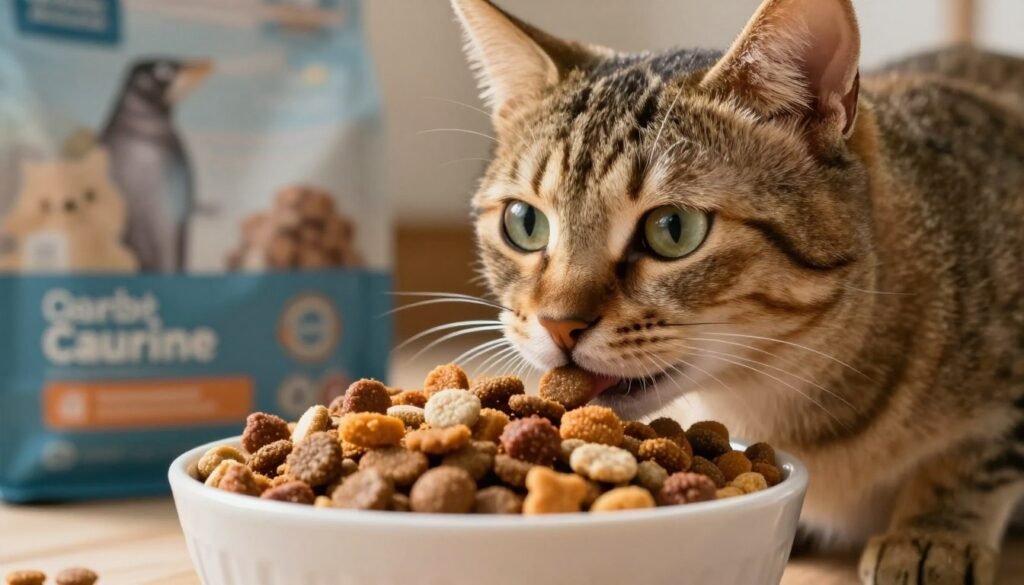
Feeding your hairless cat needs a deep understanding of their needs. They don’t have fur to keep warm, so they burn calories fast. It’s key to give them the right food to stay healthy and full of energy.
Recommended Diets and Brands
For a good diet, look for high-protein, nutrient-rich foods. Brands like Royal Canin Sphynx are great for their skin and heart. These foods have more fatty acids and antioxidants.
Choose a cat food with high-quality animal protein first. Avoid fillers like corn or wheat. They don’t give much nutrition for a high-energy cat. Always talk to your vet before changing your cat’s food.
Special Considerations for Their Health
Keeping your cat’s weight in check is crucial. They need calories to stay warm but too many can cause obesity. Check their body condition score often to adjust food amounts.
Also, because they can get heart problems, choose foods with taurine and omega-3 fatty acids. These help their heart and skin. Good nutrition is the best way to ensure a long, happy life for your cat.
Preventative Care Tips for Sphynx Cats
Improving your cat’s life starts with daily habits at home. Preventative healthcare for sphynx cats is about the routines you keep. By being careful, you keep your cat safe from many dangers.
Parasite Prevention: Fleas, Ticks, and Worms
Even indoor cats can get parasites. Talk to your vet about the right treatment for your cat. Never use dog products on your cat because they can be harmful.
Check your cat’s skin often during grooming. Look for flea dirt or ticks. Keeping your home clean and washing bedding often helps prevent infestations.
Dental Health and Oral Care
Dental disease is common but often ignored. Adding oral care to your grooming tips for sphynx cats is crucial. Brush your cat’s teeth with a soft brush and pet toothpaste a few times a week.
If brushing is hard, start with toothpaste taste tests. Consistency is the key to making your cat comfortable. Regular dental visits help catch problems early.
| Care Task | Frequency | Primary Benefit |
|---|---|---|
| Parasite Treatment | Monthly | Prevents infestations |
| Teeth Brushing | 3-4 times weekly | Reduces tartar buildup |
| Skin Inspection | Daily | Early detection of issues |
| Vet Wellness Exam | Annually | Overall health monitoring |
Monitoring Sphynx Cat Behavior for Health Issues
Spotting small changes in your cat’s habits can make a big difference. As their main caretaker, you play a key role in their health. By keeping a close eye, you can catch common health issues in sphynx cats early.
Signs of Illness to Watch For
Sphynx cats are usually very social and active. Any change in their usual behavior is a warning sign. Watch how much energy they have and how they interact with others.
Lethargy or wanting to hide can mean they’re not feeling well. Also, check their grooming habits. While they need regular baths, a drop in self-grooming or looking messy can be a sign of illness. Look out for these signs:
- Unusual hiding or withdrawal from family members.
- Excessive vocalization or signs of discomfort when touched.
- Changes in posture, such as hunching or difficulty moving.
- Noticeable dullness in their eyes or lack of interest in toys.
Changes in Eating or Drinking Habits
Your cat’s appetite shows their health inside. If they stop eating or drink less, see a vet right away. These changes often mean there’s a problem that needs a doctor’s check-up.
On the other hand, drinking or eating too much can also be a sign of health issues. Keep an eye on how much they eat and drink. If you see a pattern of change, don’t wait. Early action is key to keeping your cat healthy and happy for a long time.
The Role of Genetics in Sphynx Cat Health
Your cat’s health is tied to their DNA. Knowing this is key for every cat owner. Learning about hairless cat health concerns helps you care for your pet better.
Genetic Disorders Common in Sphynx Cats
This breed has a unique genetic makeup. This makes them more likely to get sick. Heart problems, like Hypertrophic Cardiomyopathy (HCM), are a big concern. It makes the heart muscle thick, affecting blood flow.
Other issues include skin problems and metabolic disorders. Knowing these risks helps you and your vet keep an eye on your cat’s health. Catching problems early is key to managing them.
Responsible Breeding Practices
Good breeders are vital in keeping the breed healthy. They use DNA tests and health checks to find genetic issues before breeding. This way, only healthy cats are bred.
When picking a breeder, look for one who is open about health testing. A good breeder will share health info about the parents. This helps reduce hairless cat health concerns for future owners.
| Genetic Factor | Impact Level | Management Strategy |
|---|---|---|
| Hypertrophic Cardiomyopathy | High | Annual Echocardiograms |
| Skin Sensitivity | Moderate | Regular Grooming |
| Metabolic Traits | Low | Balanced Nutrition |
Understanding genetics helps you care for your cat better. By supporting good breeding and staying alert, you help these special cats stay healthy.
Support Resources for Sphynx Cat Owners
Caring for a hairless cat is a big job. You need a good network of information. Connecting with others who know the breed’s needs can give you peace of mind.
Digital Communities and Peer Networks
Places like The Cat Site and Reddit communities are great for sharing. You can ask about daily care or health issues. These groups keep you up-to-date on your pet’s health.
Professional Organizations and Advocacy
The Cat Fanciers’ Association has lots of info on breed standards and health. The Winn Feline Foundation supports research on genetic conditions. These groups help with responsible ownership and your cat’s health.
Don’t forget to talk to your local vet. They can tell you about clubs that offer workshops for owners.
FAQ
What are the most common sphynx cat health problems that owners should monitor?
How can you effectively manage hairless cat health concerns related to their skin?
What are the best sphynx cat diet recommendations for maintaining a high metabolism?
What is the best way of managing sphynx cat allergies and skin sensitivities?
What are the early signs of illness in sphynx cats that require a vet visit?
How does the genetic background of a Sphynx impact their long-term health?
What preventative healthcare for sphynx cats should you implement at home?
Where can you find reliable information and support for sphynx cat care?
References:
This article was created based on information from the following authoritative sources: American Society for the Prevention of Cruelty to Animals (ASPCA) and American Veterinary Medical Association