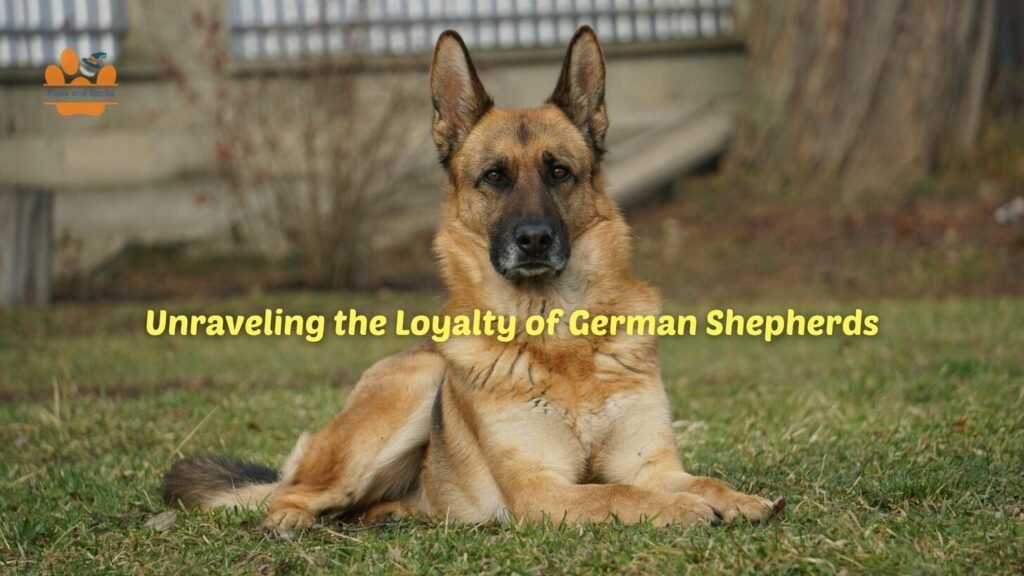
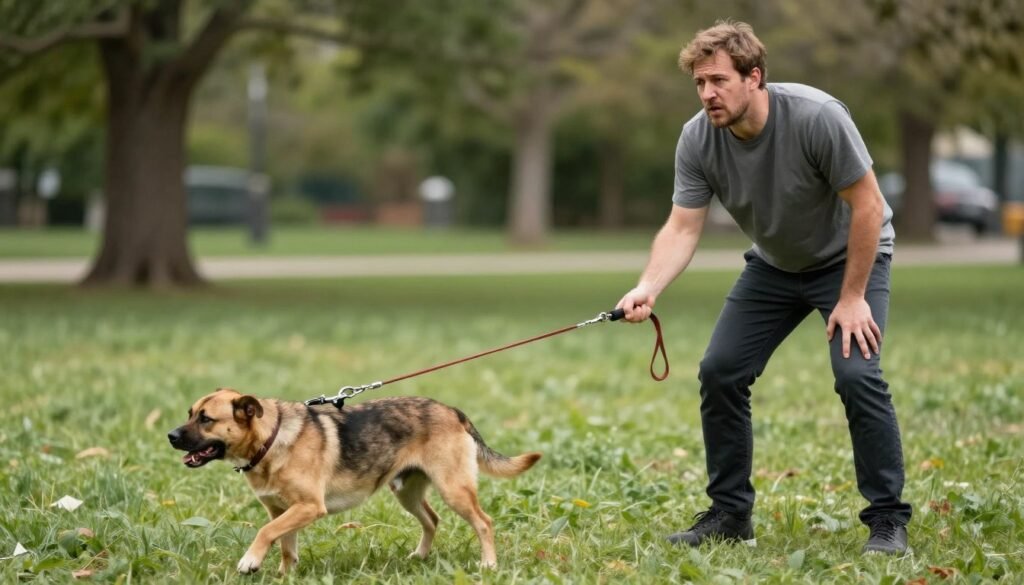
Ever feel like your dog is running the show at home? Owning a high-energy dog like a German Shorthaired Pointer needs more than a yard. It calls for a structured partnership based on respect.
Good German Shorthaired Pointer care is key to a happy life with your dog. Mix lots of physical activity with mental games to keep them calm at home.
Getting this balance right lets your dog shine. With the right German Shorthaired Pointer care, your energetic friend becomes a great hunting partner and a loving family member.
Key Takeaways
- Understand the high energy levels inherent in this versatile breed.
- Prioritize consistent training to build a strong, reliable bond.
- Balance physical exercise with mental challenges for optimal health.
- Establish clear routines to manage your dog’s natural hunting instincts.
- Create a structured environment to help your companion thrive daily.
Understanding the German Shorthaired Pointer Breed
Thinking about getting a German Shorthaired Pointer? Knowing their background is key. They are a mix of power, speed, and smarts. This makes them great for active families and hunters.
History and Origin
The German Shorthaired Pointer came from 19th-century Germany. Breeders wanted a versatile hunting dog for all terrains. They mixed pointers and tracking hounds to create a dog that could point, retrieve, and track game well.
This history explains why your dog is so active. They were made to work with people outdoors, not just sit around.
Breed Characteristics
These dogs are a picture of athletic elegance. They have a sleek, strong body for long days of activity.
They have a short, water-resistant coat and a sturdy build. Their deep chest and strong legs help them move easily over rough ground.
Temperament and Personality
These dogs are known for their deep loyalty and love for people. They love being around their family and can form strong bonds.
But, they are very smart and need to stay mentally active. Good German Shorthaired Pointer puppy care includes early socialization and training. This helps them be happy and well-behaved. With the right care, they become loyal and eager companions.
Essential Care for Your GSP
Learning the basics of German Shorthaired Pointer care keeps your dog healthy and happy. Good habits are key to a strong bond. Daily routines help your dog do well anywhere.
Nutrition and Diet
Good food is crucial for a GSP’s energy. Choose high-quality protein for muscle health. Look for food with healthy fats and carbs for energy.
Don’t overfeed to avoid weight gain. Always have fresh water ready, after exercise or a long day. Talk to your vet for a diet plan that fits your dog’s needs.
Regular Exercise Requirements
A good exercise routine for GSP owners is important. These dogs need more than a simple walk. Mix in activities like running, swimming, or fetch.
Consistency is key to manage their energy. Skipping workouts can lead to bad behavior. Try different activities to keep them happy and engaged.
Grooming Needs
Keeping their coat clean is easy but needs regular care. Simple GSP grooming tips help with shedding and skin health. Brush weekly to remove hair and oils.
- Check ears weekly for signs of irritation or debris.
- Trim nails regularly to prevent discomfort during movement.
- Bathe only when necessary to avoid drying out their skin.
| Care Category | Frequency | Primary Goal |
|---|---|---|
| Nutrition | Twice Daily | Energy Maintenance |
| Exercise | Daily (60+ mins) | Physical Stamina |
| Grooming | Weekly | Coat Health |
Training Your German Shorthaired Pointer
Your German Shorthaired Pointer loves clear guidance and fun challenges. They are smart and eager to please, so positive reinforcement works best. Using training tips for GSP owners will strengthen your bond with your dog.
Basic Obedience Training
Begin with simple commands like “sit,” “stay,” and “come.” These basics are crucial for your dog’s safety and learning. Consistency is the key to success. Keep training sessions short, fun, and frequent.
Always reward good behavior with treats, praise, or play. This encourages your GSP to repeat positive actions. Avoid harsh corrections, as they can be discouraging for this sensitive breed.
Advanced Hunting Skills
After mastering basic commands, you can explore their hunting instincts. GSPs are naturally inclined to point and retrieve. Use field exercises and scent work to improve their skills.
Working with a professional trainer or joining a hunting club can be very helpful. Always make these activities fun to keep your dog motivated. Be patient as they learn to be a skilled field partner.
Socialization Techniques
Proper socialization for GSP is key for a well-adjusted dog. Introduce your puppy to various sights, sounds, and people early on. This helps prevent fear and keeps them confident in new situations.
Take your dog to parks, busy streets, and pet-friendly stores. Positive interactions with others teach them public behavior. A well-socialized GSP is a joy to take on any adventure.
| Training Stage | Primary Focus | Expected Outcome |
|---|---|---|
| Foundation | Basic Commands | Reliable Recall |
| Intermediate | Social Exposure | Confident Behavior |
| Advanced | Field Maneuvers | Hunting Proficiency |
Creating the Ideal Living Environment
Turning your home into a safe space for your GSP is key to stopping bad behavior. These dogs have boundless energy and need a place for both play and rest. By making your home right, your dog will stay calm and happy all day.
Indoor Space Considerations
Your home should have a dedicated sanctuary for your dog to relax in. Set up a cozy crate or bed in a quiet spot. This helps your dog feel safe and know when to calm down.
Keep your home tidy to manage your dog’s energy. Active dogs need space to move and can break things if they’re not careful. Giving them tough chew toys keeps their minds busy and stops them from getting bored.
Outdoor Activities and Setup
A safe outdoor area is crucial for dogs that love to explore. Make sure your yard has a sturdy, high fence to stop your dog from running off. A well-thought-out outdoor space lets your dog play safely while you watch.
Think about adding things that let your dog act naturally, like a digging area or a path for running. Consistent outdoor play meets their hunting needs and keeps them fit. A safe, open space lets your dog thrive.
Health Considerations for GSPs
It’s crucial to know about health issues in German Shorthaired Pointers for a happy life together. These dogs are very active and often push their limits. You are key in keeping them healthy with consistent care.
Common Health Issues
GSPs face certain health problems due to their size and energy. Hip dysplasia is a big worry, where the hip joint doesn’t fit right. This can cause pain or make it hard to move. Watch for signs like stiffness or trouble getting up after a nap.
Bloat, or gastric dilatation-volvulus, is another serious issue. It happens when the stomach fills with gas and twists. This is a life-threatening emergency. Always watch your dog after meals and avoid hard exercise right after eating.
Preventative Care and Wellness
Keeping your dog healthy means proactive care. Regular vaccinations protect against diseases like parvovirus and rabies. Also, controlling parasites is key to prevent heartworm, fleas, and ticks from harming your dog.
Keeping your dog at a healthy weight is also crucial. Too much weight can hurt their joints, making problems like hip dysplasia worse. Feed them a balanced diet and make sure they get enough exercise to stay fit.
Regular Vet Checkups
Regular vet visits are important for catching health issues early. These visits are not just for when your dog is sick. They help monitor your pet’s health over time. Your vet can do blood work and physical exams to spot small changes before they become big problems.
| Health Focus | Action Required | Frequency |
|---|---|---|
| Joint Health | Monitor for limping | Daily observation |
| Digestive Safety | Prevent bloat | Every mealtime |
| Parasite Control | Administer medication | Monthly |
| Wellness Exam | Professional checkup | Annually |
By being careful with these health issues in German Shorthaired Pointers, you set the stage for a lively life. Your dedication to vet visits and prevention will reward you with years of companionship. Always listen to your gut if you notice any sudden changes in your dog’s behavior or energy.
Socializing Your GSP with Other Pets
Teaching your German Shorthaired Pointer to get along with other pets is a big win for any owner. These dogs have a strong prey drive and lots of energy. So, it’s key to stay calm and consistent when socializing them.
Setting clear rules early on helps your dog learn to live peacefully with cats, smaller dogs, or other pets.
Introducing New Pets
When you bring a new pet home, start with a gradual introduction. Let the pets smell each other through a door or gate before they meet. This helps avoid anxiety and keeps your GSP from getting too excited.
Use positive reinforcement to praise your dog for staying calm. Give treats and praise if they act relaxed around the new pet. This early training helps build respect between your pets.
“The greatness of a nation and its moral progress can be judged by the way its animals are treated.”
Managing Playtime and Interactions
After the first meetings, you need to watch playtime closely. German Shorthaired Pointers can play too hard, which might scare smaller pets. Always keep an eye on play to make sure it’s safe and balanced for all.
If your dog gets too rough or shows territorial behavior, step in and change the game. Giving each pet their own space to rest is also crucial. With patience and structure, your GSP will become a gentle and well-adjusted member of your household.
Benefits of Obedience Training
Training is more than just teaching commands. It’s a vital tool for communication between you and your dog. It helps your dog understand what you need in any situation. This way, you create a safer world for your pet.
Improving Behavior
Consistent training gives your GSP clear boundaries and expectations. When they know the rules, they feel secure. This reduces destructive or anxious behaviors.
Your dog will become more reliable in public or around new people. By rewarding good behavior, you help them feel confident. This consistency stops bad habits before they start.
Strengthening Bond with Your Dog
Learning together builds a deeper level of trust. You and your dog develop a special connection. This journey makes training meaningful for both of you.
Training makes your GSP a loyal and attentive partner. It’s not just about commands; it’s about building a respectful partnership. Over time, this bond makes every moment with your dog more rewarding.
Fun Activities to Do with Your GSP
A high-energy breed like the GSP needs constant challenges. To keep them happy, provide various activities that tap into their hunting instincts. It’s crucial to offer mental stimulation for German Shorthaired Pointer dogs, just like physical exercise, to prevent bad behavior at home.
Outdoor Adventures and Sports
These dogs are natural athletes that do well in intense environments. Activities like dock diving or agility training help them burn energy and build confidence. For a calmer option, try long-distance hiking or trail running to keep them fit.
“Enrichment is not a luxury for working breeds; it is a fundamental requirement for their psychological well-being and long-term health.”
When picking an activity, think about what will keep your dog engaged:
| Activity Type | Primary Benefit | Intensity Level |
|---|---|---|
| Agility Course | Coordination | High |
| Dock Diving | Physical Power | High |
| Scent Work | Mental Focus | Moderate |
| Hiking | Endurance | Moderate |
Mental Stimulation Games
Managing this intelligent breed is more than just physical exercise. Adding mental stimulation for German Shorthaired Pointer games can make a rainy day fun. Puzzle toys that challenge your dog to get treats are great for learning indoors.
Scent games are also excellent for their sense of smell. Hiding toys or treats around the house encourages them to track. Regular mental stimulation for German Shorthaired Pointer games keeps them sharp and happy, ready to relax with you.
Traveling with Your GSP
Traveling with your energetic GSP needs a proactive approach to safety and comfort. These dogs have lots of energy and need special care to stay calm and safe while traveling. Getting ready well ensures your trips together are fun and stress-free.
Preparing for Road Trips
When you’re on the road, focus on safety restraints. Never let your GSP move around freely in the car. This is dangerous during sudden stops or accidents. Use a high-quality crash-tested harness or a secure travel crate that fits your dog well.
Have a travel bag ready with important items for your dog’s happiness. Include fresh water, collapsible bowls, favorite toys, and their regular food to avoid upset stomachs. Frequent stops are key for this breed; plan your route for places where your dog can stretch and run off energy safely.
Airline Travel Tips
Flying with a GSP needs a lot of planning and attention to detail. Start getting your dog used to their travel crate weeks before you leave. The crate should be big enough for your dog to stand, turn, and lie down comfortably. It will be their safe space during the flight.
Always check the pet policies of your airline early. Most require a recent health certificate from your vet, showing your dog is fit to fly. Booking direct flights helps reduce stress from transfers and handling for your active friend.
| Travel Factor | Road Trip | Airline Travel |
|---|---|---|
| Preparation Time | Moderate | Extensive |
| Flexibility | High | Low |
| Cost | Lower | Higher |
| Dog Comfort | High | Variable |
Understanding GSP Behavior
Your German Shorthaired Pointer talks to you in their own way. They use body language to show how they feel. By paying attention to these signs, you can be a better owner.
Learning to understand these silent messages helps you act fast. This way, your dog feels safe everywhere they go.
Signs of Stress and Anxiety
Even the bravest GSP can feel scared sometimes. Look out for signs like excessive panting or pacing. They might also yawn a lot when they’re not tired.
They might hide or seem restless. Try to find out what’s bothering them. Creating a calm environment can help them feel better fast.
Positive Reinforcement Methods
Teaching your dog is best done with positive reinforcement. This means rewarding good behavior instead of punishing bad. Use treats, praise, or play to build trust and confidence.
Being consistent is crucial with this breed. Rewarding calm behavior helps your GSP learn. This method teaches obedience and strengthens your bond, making your dog happier and more balanced.
Joining a GSP Community or Club
Being part of a community of dog lovers can change your life as a GSP owner. You might know how to train your dog well. But, talking to others who love dogs as much as you do can give you invaluable support and new ideas. These groups are great for learning together and making friends.
Benefits of Local Meetups
Local meetups are perfect for your dog to practice being social. They get to meet other dogs and learn how to behave. You can also learn from other owners and pick up useful tips.
These meetups are good for you too. You can talk about the challenges of owning a GSP and celebrate your dog’s achievements. It’s a chance to share knowledge and feel like you belong.
Participating in Competitions
Competitions are a great way to see your dog’s skills. Events like field trials or conformation shows are exciting. They’re not just about winning; they’re about celebrating your dog’s heritage and abilities.
Getting ready for these events takes hard work. But, it makes your bond with your dog stronger. Whether you’re into agility or hunting tests, you’ll learn to appreciate your dog’s smarts and energy. Competitions keep you motivated and informed about the latest in dog training.
| Activity Type | Primary Focus | Skill Level | Social Benefit |
|---|---|---|---|
| Local Meetups | Socialization | Beginner | High |
| Field Trials | Hunting Instincts | Advanced | Moderate |
| Agility Shows | Obedience & Speed | Intermediate | Moderate |
| Breed Conformation | Physical Standards | Professional | Low |
Lifespan and Aging of German Shorthaired Pointers
Your loyal hunting partner will eventually reach their golden years, marking a new chapter in your shared life. This transition requires you to observe subtle shifts in their daily habits and physical capabilities.
Understanding Aging Signs
You might notice your dog moving slower during morning walks or showing less interest in high-intensity games. Changes in appetite or sleep patterns often signal that your companion needs a gentler approach to their routine. Keeping a close watch on these indicators allows you to address their comfort needs early.
Supporting Seniors in Their Golden Years
Adjusting your care routine ensures your dog remains happy and healthy as they age. You can switch to joint-support supplements or softer bedding to ease their daily movements. High-quality nutrition tailored for senior dogs helps maintain their weight and energy levels. Your dedication to their well-being during this stage strengthens the unique connection you built together. Share your own experiences with your aging companion to help others in the community learn how to provide the best care possible.