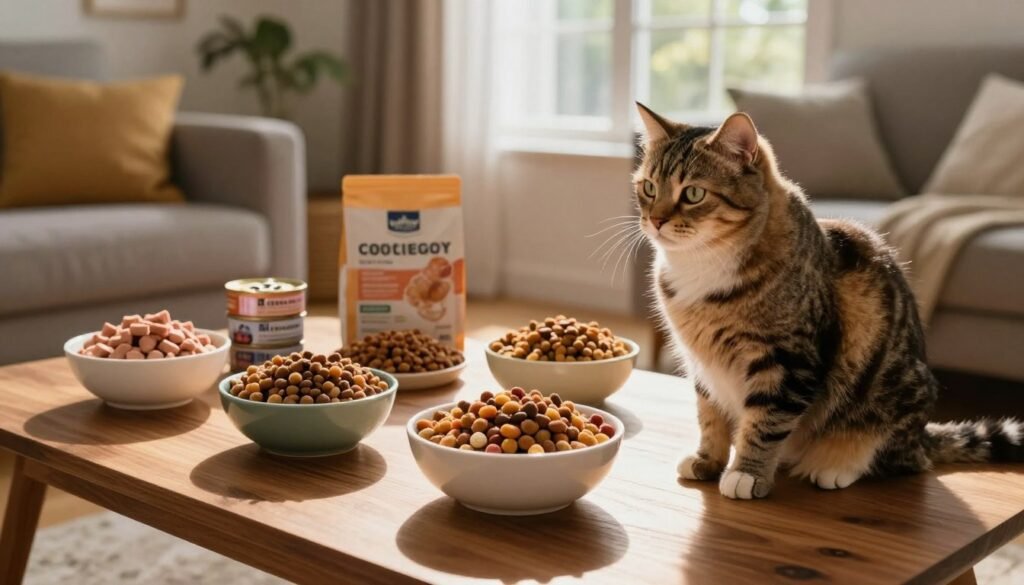
Ever wondered why cats need a special diet to stay healthy? Many pet owners focus on protein and fats. But there’s a hidden nutritional hero crucial for your pet’s health.
The importance of taurine for cats is huge. Cats can’t make enough of this amino acid on their own. Without it, their heart, vision, and immune system are at risk.
Think of taurine as a key part of your pet’s daily life. Giving them enough of it helps keep them healthy and full of energy for years to come.
Key Takeaways
- Taurine is an essential amino acid that cats cannot synthesize internally.
- Deficiencies can lead to serious heart conditions like dilated cardiomyopathy.
- Adequate intake is critical for maintaining sharp vision and retinal health.
- This nutrient supports a robust immune system and healthy digestion.
- High-quality animal proteins are the primary natural sources for your pet.
What is Taurine and Where Is It Found?
To understand the importance of taurine for cats, you need to know what it is. Taurine is a special amino acid that is crucial for your pet’s health.
Definition of Taurine
Cats can’t make enough taurine on their own. They need it from their food to stay healthy. This is why cats need taurine every day.
Natural Sources of Taurine
In the wild, cats get taurine from their prey. Foods like meat, poultry, and fish are full of it. These foods help keep your cat strong and active.
Feeding your cat whole, animal-based foods is a good start. But, the taurine levels can vary. It depends on the type of meat or fish in the food.
Synthetic Taurine in Cat Food
Commercial cat foods often lose taurine during processing. To fix this, makers add synthetic taurine. This ensures your cat gets enough taurine every time.
Knowing the difference between natural and added taurine is important. Choosing quality cat food helps keep your pet healthy and avoids taurine deficiency.
The Essential Role of Taurine in Cat Health
Taurine is key for your cat’s health. Cats can’t make enough of it themselves. Knowing the taurine benefits for cats helps keep them healthy and happy.
Impact on Heart Function
The heart needs taurine to stay strong. Without it, the heart walls can weaken. This can lead to serious heart problems.
Having enough taurine helps the heart work well. Without it, your cat’s heart can suffer irreversible damage. Watching what your cat eats is important for their heart health.
Contribution to Vision Health
Taurine also helps your cat’s eyes. It protects the retina, the part of the eye that lets your cat see. Without enough, your cat could lose their sight.
Feeding your cat a balanced diet helps their eyes and overall health. Here’s how taurine keeps your cat healthy:
- Supports retinal health to maintain sharp night vision.
- Strengthens heart muscle fibers for better circulation.
- Promotes healthy development in growing kittens.
- Ensures proper function of the central nervous system.
Meeting your cat’s nutritional needs is crucial. Consistent levels of taurine are essential for their comfort and health.
Taurine Deficiency: Causes and Symptoms
Taurine deficiency in cats can sneak up on you. It’s important to watch your pet’s health closely. Since the body doesn’t store taurine, your cat needs it every day. Without it, health problems can get serious before you notice anything different.
Common Symptoms in Cats
The first signs of taurine lack are often small. As it gets worse, you’ll see physical changes. Spotting it early is crucial to protect your cat’s organs.
Look out for these signs:
- Dilated cardiomyopathy, which may show as tiredness or trouble breathing.
- Vision problems, starting with night blindness or big pupils.
- Poor growth in kittens or trouble breeding in adults.
- Feeling weak or not wanting to play.
Factors Leading to Deficiency
Many things can lead to taurine deficiency in cats. The main reason is eating food not made for cats. Cats need nutrients found in meat.
Here are common reasons for nutritional gaps:
- Low-quality protein sources: Foods with fillers instead of meat often lack taurine.
- Improper homemade diets: Making food at home without vet advice can be unbalanced.
- Cooking methods: Cooking food too long can destroy taurine.
Choosing good cat food helps your pet get the essential nutrients for a healthy life. If you think your cat’s diet is off, talk to your vet.
How Taurine Supports Cardiovascular Health
Did you know your cat’s heart needs a special nutrient? The role of taurine in feline health is key for heart muscle function. Without enough taurine, the heart can’t work right.
Connection Between Taurine and Heart Muscle
Taurine is crucial for heart cells. It helps control ion movement, like calcium. This is essential for the heart’s rhythm and strength.
Without taurine, heart cells weaken. This makes the heart pump less effectively. It can lead to less energy and endurance in your cat.
Protection Against Cardiomyopathy
Dilated cardiomyopathy is a big worry for cat owners. It makes the heart chambers big and the walls thin. The taurine and heart health in cats link is well-known in vet science. Taurine keeps the heart walls thick and elastic.
Feeding your cat a balanced diet helps prevent this serious condition. It’s better to prevent heart problems than to treat them. Here’s a table showing how taurine affects heart health.
| Feature | Healthy Heart | Taurine-Deficient Heart |
|---|---|---|
| Muscle Wall Thickness | Normal and Strong | Thin and Weakened |
| Pumping Efficiency | High and Consistent | Low and Erratic |
| Chamber Size | Standard | Enlarged (Dilated) |
| Risk of Failure | Minimal | High |
Taurine and Feline Reproductive Health
Taurine is a silent guardian for mother cats and their kittens. It’s a cornerstone of feline life stages, crucial during the reproductive cycle. Giving your queen the right nutrition is key to a healthy litter.
Impact on Pregnant Cats
A pregnant queen without enough taurine faces serious reproductive outcomes. This can harm the entire litter. Without enough taurine, the mother’s body can’t support fetal development well.
This often leads to low birth weights, which can be deadly for newborns. It’s vital to feed your cat a diet specifically formulated for gestation. High-quality protein is crucial for the health of both the mother and her kittens.
Importance for Kittens
Kittens need a lot of taurine after birth. They are in a phase of rapid growth and neurological development. Without enough taurine, their brain and nervous system may not develop properly.
Early nutrition sets the foundation for a lifetime of health. Kittens can’t make taurine on their own. They depend on their mother’s milk or special kitten formulas. By focusing on these nutritional needs, you help your kittens grow into strong, healthy cats.
Taurine’s Role in Digestive Health
Taurine is a silent hero for your cat’s stomach health. It’s an essential amino acid that helps make bile salts in the liver. Without enough taurine, your cat might have trouble digesting food well.
Effects on Nutrient Absorption
Bile salts break down fats in food. They help your cat absorb important fatty acids and vitamins. Proper nutrient absorption keeps your cat’s energy up and helps them stay healthy.
If taurine is low, bile salts drop too. This can cause poor fat digestion. Your cat might feel tired or have a dull coat. Giving your cat a balanced diet helps them get the most from their food.
Support for Gastrointestinal Function
Taurine does more than just help with fat breakdown. It also keeps the stomach healthy. A healthy gut is key for a good metabolism and avoiding stomach problems. Consistent taurine intake keeps the digestive system working right.
A well-working digestive system helps your cat digest nutrients better. This keeps them at a healthy weight. Taurine supports the metabolic processes that keep your pet active and healthy. Making sure your cat gets enough taurine is a simple way to keep them well from the inside out.
Recommended Taurine Levels in Cat Diets
Choosing the right food for your cat is key. It must have enough taurine to meet their needs. Without it, your cat could face serious health problems that may not show up right away.
Guidelines for Commercial Cat Foods
In the U.S., the Association of American Feed Control Officials (AAFCO) sets food standards for pets. They make sure pet food has all the necessary amino acids. Look for the “AAFCO Statement” on the label to know it’s good.
For a taurine-rich diet for cats, choose foods with lots of animal protein. Good brands test their food to meet these standards. Check the ingredients for meat to make sure it’s the main part of the food.
“Proper nutrition is the foundation of feline longevity, and taurine is the non-negotiable building block of that foundation.”
Importance of Taurine in Homemade Diets
Many owners like to make their cat’s food at home. But, it’s tricky to get the right mix of nutrients. Homemade meals often lack the balanced nutrition needed for a taurine-rich diet for cats.
If you make your cat’s food, remember these important points:
- Consult a veterinary nutritionist to create a balanced recipe.
- Understand that cooking processes can degrade natural taurine levels in raw meat.
- Use high-quality supplements if your veterinarian recommends them to bridge the nutritional gap.
Dealing with cat nutrition can be complex. Even small mistakes in homemade diets can cause big health problems. Always get professional advice to make sure your cat gets the nutrients they need.
How to Ensure Your Cat Gets Enough Taurine
To make sure your cat gets enough taurine, start by checking the food label. Cats need high-quality animal proteins to stay healthy. Look for foods where meat, poultry, or fish is the first ingredient.
Choosing the Right Cat Food
When you read a label, search for proteins like chicken, turkey, or salmon. Stay away from foods with lots of plant-based fillers. These don’t give cats the amino acids they need. Quality matters for your cat’s nutrition.
“The foundation of feline health is built upon the quality of the protein provided in their daily meals.”
Here’s a quick guide to help you pick the best protein sources for your cat:
| Protein Source | Quality Level | Taurine Content |
|---|---|---|
| Fresh Muscle Meat | High | Excellent |
| Organ Meats | High | Very High |
| Plant-Based Fillers | Low | Negligible |
Supplements and Food Additives
Even with good food, some cats might need extra help. That’s where taurine supplementation in cat food comes in. Always talk to your vet before adding supplements to your cat’s diet.
If you make your cat’s food at home, be careful. Cooking can lower taurine levels. You might need to add taurine to keep your cat healthy. Your diligence in these small details ensures your cat stays healthy and active for years to come.
Myths and Misunderstandings About Taurine
Keeping your cat healthy means knowing the truth about nutrition. Many think any protein is enough taurine for their cat. But, this can lead to a serious taurine deficiency in cats if the diet is not balanced.
Common Misbeliefs about Cat Nutrition
Some believe cats can make their own taurine like other animals. But, cats can’t make enough of this important amino acid. So, they need to get it from their food. Relying on commercial foods being complete is risky.
Another myth is that plant proteins are as good as animal proteins for cats. While some diets say they are complete, they often lack what cats need. Look beyond what the label says and check the food’s real nutritional value.
Facts vs. Fiction
It’s important to know what’s real and what’s just marketing. The table below shows the truth about taurine deficiency in cats.
| Myth | Scientific Fact | Impact on Health |
|---|---|---|
| Cats make their own taurine. | Cats require dietary taurine. | Prevents heart and eye issues. |
| All protein sources are equal. | Animal protein is essential. | Ensures proper amino acid levels. |
| Cheap food is always sufficient. | Quality control varies widely. | Reduces risk of chronic illness. |
| Taurine is only for kittens. | It is vital for all life stages. | Supports long-term organ function. |
The Future of Taurine Research in Pet Nutrition
Research keeps uncovering more about what our cats need. As vet science improves, we learn more about taurine benefits for cats every year. Now, scientists are looking into how taurine affects a cat’s long-term health.
Emerging Studies on Taurine Benefits
New studies are showing how taurine fights oxidative stress in cats. It helps keep cells safe from damage. This could be key to helping cats live longer.
These studies show that taurine is more than just a basic need. It’s about keeping your cat healthy and strong as they get older. Knowing this helps you choose the best food for your pet.
Potential New Discoveries
Scientists are also looking into taurine’s role in treating chronic health issues in cats. They hope to find ways to help cats with age-related problems. This could greatly improve your pet’s life.
In the future, using the latest in nutrition science will become common. Stay up to date with what vet nutritionists say. Continuous learning helps make sure your cat gets the best care.
Conclusion: Ensuring Your Cat’s Health with Taurine
Understanding your cat’s nutritional needs is key to their health. A balanced diet is the best way to keep them healthy. It helps prevent many health problems.
Synthesizing Nutritional Priorities
Taurine is crucial for your cat’s long life. It supports their health in many ways, like reproduction and digestion. Choosing the right food is important for their well-being.
Maintaining Vital Organ Function
Taurine is important for your cat’s heart health. It helps prevent heart disease. Watch your cat’s energy and health closely. Make sure their food has enough taurine.
Taking Action for Your Pet
Take your cat to the vet to talk about their diet. A vet can help you choose the best food. This ensures your cat stays healthy and happy.