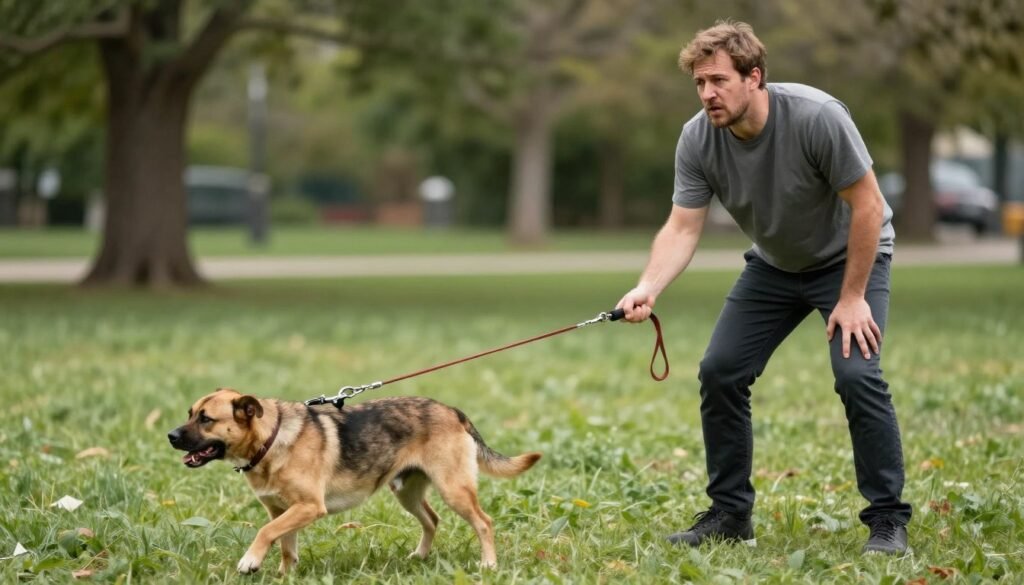
Did you know that over 20% of adult dogs suffer from joint pain? Yet, many owners miss the early signs. When you see your dog limping, it’s a clear warning. It means they might be in pain or have structural damage that needs help right away.
By noticing these small changes, you can make your pet’s life better. Proactive health management keeps your pet active at all stages. Fixing a limping problem early stops bigger issues. It helps your dog stay comfortable and move easily.
Key Takeaways
- Joint discomfort affects a significant portion of the canine population.
- Early detection of mobility issues is crucial for effective treatment.
- Professional veterinary guidance is necessary to diagnose the root cause.
- Proactive care significantly improves your pet’s long-term quality of life.
- Monitoring subtle changes in movement helps prevent chronic pain.
Understanding Dog Limping: An Overview
Seeing your dog struggle to walk can be very worrying. Remember, dog limping is a sign of a problem, not a diagnosis itself. By watching how your pet moves, you can help your vet figure out what’s wrong.
First, check if your pet’s limping started suddenly or slowly. Acute limping happens right away, often after an injury. Chronic limping takes longer to develop, suggesting long-term issues or health problems.
Telling your vet about these differences is key. Describe when the dog limping began and if it changes throughout the day. This helps your vet understand the situation better. Use the table below to note what you’ve seen in your pet.
| Feature | Acute Limping | Chronic Limping |
|---|---|---|
| Onset Speed | Sudden and immediate | Slow and progressive |
| Common Cause | Trauma or foreign object | Degenerative joint disease |
| Observation | Obvious pain or distress | Subtle stiffness or hesitation |
| Urgency | Requires prompt attention | Needs long-term management |
By keeping track of these details, you help your dog’s health journey. Always put your pet’s comfort first while watching their movements. Keeping a clear record of these signs will help your vet diagnose and treat your dog faster.
Common Causes of Dog Limping
Understanding dog limping causes is key to helping your pet. When your dog favors one leg, it’s a sign of discomfort. Knowing the cause helps you find the right way to help them recover.
Arthritis and Its Impact on Mobility
Arthritis often causes chronic pain in older dogs. It makes joints stiff and limits movement. Your dog might limp more after naps or in cold weather, as these worsen joint pain.
Injuries: Sprains and Strains
Active dogs often get sprains and strains from play or exercise. These happen when a dog turns suddenly or jumps awkwardly. Though temporary, they hurt a lot and need rest to heal.
Foreign Objects: What to Look For
At times, a dog limping is due to something outside their body. Small things like thorns or glass can get stuck in a dog’s paw. Check your dog’s foot if they suddenly lift it up.
| Cause Type | Common Symptoms | Typical Duration | Primary Action |
|---|---|---|---|
| Arthritis | Stiffness, slow movement | Chronic/Long-term | Consult a vet |
| Sprains/Strains | Swelling, favoring limb | Short-term | Rest and ice |
| Foreign Objects | Licking paw, limping | Immediate | Remove object |
Detecting Signs of Serious Issues
Not every stumble needs a vet visit, but some signs of a limp dog are urgent. Knowing the difference between a minor strain and a serious injury is key. This helps keep your pet healthy and gets them the right care on time.
When to Seek Immediate Veterinary Care
If your pet is in extreme pain, call an emergency clinic fast. A limp dog that can’t bear weight for hours might have a fracture or torn ligament. Don’t wait if your dog is in pain or can’t stand.
Look for Swelling or Deformity
Checking the injured area is crucial. Look for swelling, heat, or an odd shape that means a bone is wrong. If a limb looks off, don’t move your pet and get help right away to avoid more harm.
Changes in Behavior: What They Mean
Behavioral signs can be just as important as physical ones. A limp dog might stop eating, hide, or get aggressive near the hurt area. These signs mean they’re in a lot of pain and trying to avoid more pain.
| Symptom Type | Minor Issue | Emergency Indicator |
|---|---|---|
| Weight Bearing | Mild favoring | Non-weight bearing |
| Physical State | No visible change | Swelling or deformity |
| Vocalization | Occasional whimpering | Constant distress cries |
| Appetite | Normal eating | Sudden loss of appetite |
Age-Related Joint Conditions in Dogs
As your dog gets older, their bones change, affecting their comfort. You might see them move slower or hesitate to jump. These signs often mean they have joint issues, which can make them limp if not treated.
Osteoarthritis: The Silent Struggler
Osteoarthritis is common in older pets. It happens when cartilage in joints wears down. Your dog might hide their pain, making it hard to notice until it’s severe.
Without cartilage, bones rub together, causing pain and stiffness. You might see your pet struggle to stand or walk with a limp. Catching it early is key to keeping them comfortable.
Hip Dysplasia and Its Effects
Hip dysplasia can affect dogs at any age, but it gets worse with time. It happens when the hip joint doesn’t fit right, causing arthritis. This leads to a lot of wear and tear on the joint.
If your dog is prone to hip dysplasia, watch their movements closely. Keeping them at a healthy weight and doing low-impact exercises helps. Without care, they might not be able to run or play.
Elbow Dysplasia: An Overlooked Problem
Elbow dysplasia often goes unnoticed until a dog is older. It’s when the elbow joint grows abnormally, causing cartilage damage. Many owners think it’s just aging, but it needs special care.
If your dog favors one front leg, it could be elbow dysplasia. A limp dog needs a vet check to see if it’s elbow-related. Knowing these changes helps you give your dog the care they need as they age.
Diagnosing the Cause of Limping
Finding out why your dog is limping is a detailed process. Vets act like detectives to find the pain’s source. This careful method helps your dog get the right care.
Physical Examination Techniques
The first step is a detailed physical exam. Your vet will watch how your dog moves and feels their muscles, bones, and joints. They look for signs of pain or swelling.
They also check how well each joint moves. This helps find out if the pain is in one spot or if it’s more widespread. They might use:
- Joint manipulation: Listening for unusual sounds.
- Reflex testing: Checking the nervous system.
- Muscle atrophy assessment: Looking for signs of long-term favoring of a limb.
Diagnostic Imaging: X-rays and Beyond
If the physical exam isn’t enough, your vet might suggest imaging. X-rays are often used to see bones. They help find fractures, tumors, or arthritis that cause limping.
For more complex cases, vets might use MRI or CT scans. These show soft tissues like ligaments and tendons. They’re key for finding injuries like torn ligaments.
Blood Tests: What They Can Reveal
Sometimes, limping is due to a systemic issue, not just an injury. Blood tests check for inflammation or infection in joints. They’re important for finding diseases like Lyme or arthritis.
These tests help rule out health problems that might be causing limping. This way, treatment can address your dog’s whole health, not just the symptoms. You can trust that these steps are designed to help your pet fully.
Treatment Options for Limping Dogs
When your pet starts limping, you need to act fast. You might need to use medicine, physical therapy, or even surgery. It’s important to have a good plan to help your pet get better and stay active.
Medication: Pain Relief and Anti-Inflammatories
First, your vet might give your dog medicine to ease pain and swelling. These special drugs help a lot with limping in dogs.
It’s crucial to follow the vet’s advice on how much medicine to give. Never use human painkillers on your pet. Sometimes, your vet might also suggest supplements to keep your dog’s joints healthy.
Physical Therapy and Rehabilitation
Physical therapy is key in treating limping. It makes the muscles around the joint stronger. This helps the joint stay stable and reduces pain.
These therapy programs are made just for your dog. They consider your dog’s age, weight, and how bad the problem is. Working with a special therapist can really help your dog get better faster. Gentle exercises are important to avoid hurting your dog more.
Surgical Interventions: When Necessary
If other treatments don’t work, surgery might be needed. This is often the case for serious injuries or conditions like hip dysplasia. Surgery can be a big step, but it’s often the best way to get your dog back to normal.
Your vet will check if surgery is right for your dog. After surgery, a careful recovery plan is very important. Here’s a quick look at how these treatments compare.
| Treatment Type | Primary Goal | Best For | Recovery Time |
|---|---|---|---|
| Medication | Pain/Inflammation Control | Acute injuries/Arthritis | Short-term |
| Physical Therapy | Strength & Mobility | Post-surgery/Chronic issues | Moderate to Long |
| Surgical Intervention | Structural Repair | Severe tears/Deformities | Long-term |
Home Care for Your Limping Dog
When your furry friend struggles with mobility, your home becomes their main place for recovery. Professional vet care is key, but the care you give at home is crucial too. Helping your pet with a dog leg limp needs patience, watching, and some changes at home.
Creating a Comfortable Resting Space
Your dog needs a quiet spot to rest without being bothered. An orthopedic memory foam bed is great for support and comfort. It helps ease the pain in their joints.
Make sure this spot is on the ground floor to avoid stairs. Keep it warm and away from drafts. Cold can make joint pain worse.
Managing Activity Levels: Do’s and Don’ts
Limiting your dog’s movement is hard but necessary. Stop them from jumping, running, or playing rough until they’re better.
“Controlled movement is the cornerstone of orthopedic recovery. Short, leashed walks are far superior to free-roaming play during the healing phase.”
Here are some tips to keep your dog safe:
- Do use a short leash for bathroom breaks to keep your dog close.
- Don’t allow your dog to jump into or out of vehicles.
- Do use ramps or pet stairs if your dog must access elevated surfaces.
- Don’t encourage games of fetch or tug-of-war until your veterinarian clears them.
Natural Remedies: Can They Help?
Many owners look for limping dog remedies to help their pets. Some natural options can help with joint health. But, always talk to your vet before adding new supplements.
Omega-3 fatty acids, glucosamine, and chondroitin are popular for joint support. Always prioritize safety by choosing products made for dogs and without harmful additives.
Preventative Measures to Avoid Limping
You can lower the chance of canine limping by focusing on long-term health. Taking care of your dog’s health early on is key. Small changes in your daily routine can help keep your dog’s joints healthy.
Proper Nutrition for Joint Health
A balanced diet is crucial for healthy cartilage and bones. Foods rich in high-quality proteins and Omega-3s help fight inflammation. Adding supplements like glucosamine and chondroitin can also support joint health.
Always talk to your vet before starting any supplements. They can suggest the best ones for your dog’s needs. Good nutrition is a big step in stopping canine limping before it happens.
Regular Exercise Routines
Regular movement keeps joints and muscles in good shape. But, the type of exercise is important too. Choose low-impact activities like walking on soft surfaces or swimming to protect your dog’s joints.
Avoid high-impact activities like jumping or sharp turns that can hurt your dog. A steady, moderate pace is best for keeping joints flexible without causing harm. Keeping your dog active is a great way to prevent canine limping.
Weight Management Strategies
Too much weight can strain your dog’s joints. Even a little extra weight can put a lot of pressure on their hips and elbows. Keeping your dog at a healthy weight is key to avoiding chronic pain.
Check your dog’s waistline and rib coverage often to make sure they’re at a healthy weight. If they start to gain weight, adjust their food or increase their exercise. Managing their weight is the best way to stop canine limping.
| Preventative Habit | Primary Benefit | Frequency |
|---|---|---|
| Balanced Nutrition | Reduces inflammation | Daily |
| Low-Impact Exercise | Maintains muscle tone | Daily |
| Weight Monitoring | Prevents joint stress | Weekly |
| Veterinary Check-ups | Early detection | Annually |
Monitoring Recovery: Signs of Improvement
Watching your dog recover from an injury needs patience and attention to detail. Whether it’s a minor strain or a more serious issue, your help is crucial for a good outcome. By keeping a close eye, you can catch any puppy limping early and avoid bigger problems.
Daily Check-ins: Observing Behavior Changes
Being consistent is key to a good recovery. Every day, observe your dog’s walk, energy, and mood. Look for small signs of getting better, like a better stride or more playfulness.
Keep a simple log of these observations. If your dog seems more comfortable or uses the injured leg more, you’re doing well. Recording these small victories helps see the bigger healing picture.
Gradual Return to Activity: Best Practices
It’s tempting to let your dog go back to normal quickly. But, a slow and careful approach is essential to avoid injury. Start with short, controlled walks on a leash instead of letting them run free.
If your dog leans on a leg or limps after a walk, slow down. Always choose rest and gentle movement to let their body heal fully.
Follow-Up Veterinary Visits: Why They Matter
Even if your dog seems fine, regular vet visits are crucial. These visits let your vet check on your dog’s health in a way you might not notice. They can spot signs of inflammation or stiffness that need changes in treatment.
These visits also help plan for long-term care. Your vet can suggest exercises or supplements to keep your dog healthy and active. Proactive care helps your dog stay happy and pain-free for years.
When Limping Becomes a Chronic Issue
Some joint conditions last a pet’s whole life, needing a change in how you care for them. Keeping your pet happy means focusing on their comfort and support. Treating a limping dog is a long-term promise to their health.
Sustained Care Strategies
Being consistent is key for managing long-term joint problems. Create a routine that eases stress on your dog’s affected limbs. It’s also important to keep them active. Purina Pro Plan Veterinary Diets offer special food that helps with joint health and movement.
Integrating Holistic Therapies
Veterinary care today includes many options beyond just medicine. Acupuncture can help dogs with chronic pain a lot. Hydrotherapy lets your pet strengthen muscles safely, without the hard impact of walking.
Navigating the Emotional Journey
Taking care of a dog with a permanent condition needs patience and understanding. You might feel stressed, but small changes at home can help a lot. Remember the joy your pet brings and give them the care they need. Your love and care will keep your dog happy and part of your family for years.