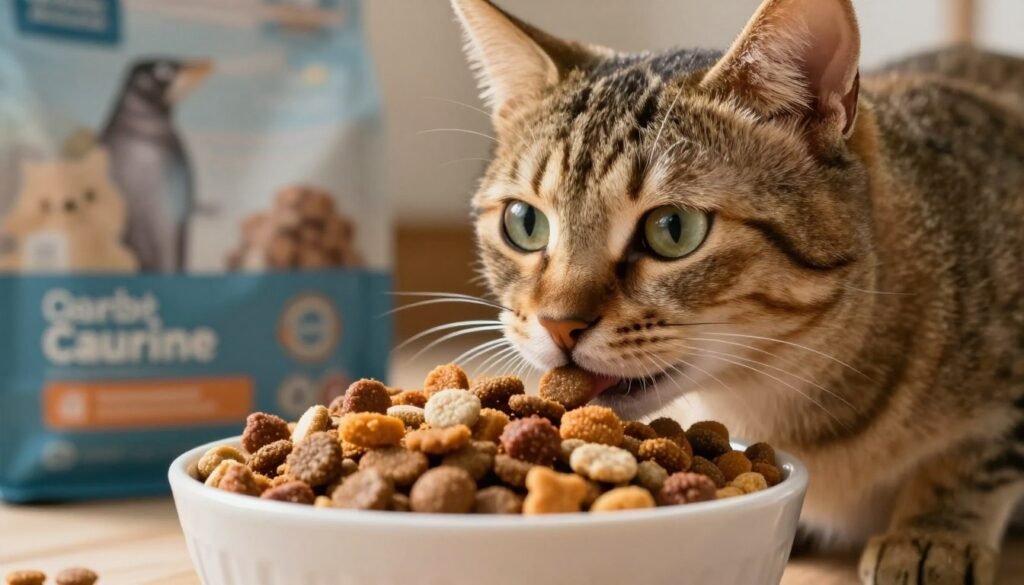
Did you know nearly 10% of all vet visits for indoor pets are for bathroom issues? Your pet’s litter box habits show their internal health. By watching these habits, you can keep your pet happy and healthy for years.
Understanding feline urinary tract disease is key for any pet owner. These issues can get worse fast. Spotting early signs helps your vet treat your pet better.
Many owners miss early cat urinary tract issues until it’s too late. But, knowing the nine common symptoms can help. Proactive monitoring is the best way to keep your pet well.
Key Takeaways
- Litter box habits show your pet’s health.
- Early detection helps with bladder conditions.
- Small behavior changes mean physical discomfort.
- Regular checks prevent vet emergencies.
- Spotting symptoms leads to quicker, better treatment.
Understanding Feline Urinary Tract Disease
Many owners are surprised by how delicate the cat urinary system is. This system works hard to filter waste and keep your pet balanced. When it gets disrupted, your cat can feel a lot of pain.
Learning about these functions helps you care for your cat better. You’ll know when they need a vet.
What is Feline Urinary Tract Disease?
Feline lower urinary tract disease, or FLUTD, is a group of conditions. It affects the bladder and the urethra, the tube that carries urine out.
These cat bladder problems can be mild or serious. It’s important to watch for any changes in your cat’s bathroom habits.
Common Causes of This Condition
Stress is a big factor in feline urinary tract disease. It’s common in multi-cat homes or places with lots of changes. The shape of the urethra can also affect how well a cat urinates.
Crystals or stones in the bladder can cause blockages. Knowing what causes these problems helps you keep your cat healthy.
| Condition Type | Primary Cause | Risk Level |
|---|---|---|
| Idiopathic Cystitis | Stress and Anxiety | Moderate |
| Urethral Obstruction | Crystals or Plugs | Critical |
| Bacterial Infection | Bacteria Entry | Low to Moderate |
| Bladder Stones | Dietary Imbalance | High |
Managing feline lower urinary tract disease needs changes in your cat’s environment and vet advice. Watching your pet closely can help stop these cat bladder problems from coming back.
Recognizing Symptoms of Urinary Tract Issues
Some behaviors in cats are clear warnings that need quick action. Spotting these signs early can stop a small problem from becoming a big emergency. Knowing the signs of cat urinary issues is key for any pet owner.
Frequent Litter Box Visits
Seeing your cat go to the litter box a lot without much urine is a big warning. Frequent attempts to pee show your cat is having trouble emptying their bladder. This is a key sign of feline lower urinary tract disease.
Straining to Urinate
It’s upsetting to see your cat struggle to pee. This effort means they’re in pain or have a blockage. If they stay in this position for a long time, get vet help fast to prevent serious problems.
Excessive Grooming of the Genital Area
Cats groom to feel better, often when they’re in pain. If your cat is licking their genital area a lot, it might be due to cat urinary issues. They’re trying to ease the pain.
Blood in Urine
Blood in the urine, or hematuria, means something is seriously wrong. Even a little pink or red in the litter box needs vet attention right away. This symptom is often linked to feline lower urinary tract disease and needs a vet’s check to treat your cat right.
Behavioral Changes Indicative of Urinary Problems
Cats are experts at hiding their pain. This makes changes in their behavior a key warning sign for owners. They often hide their discomfort until it’s too obvious to ignore. Watching for these changes is crucial when you think your cat might have cat urinary issues.
Increased Aggression
Internal pain can make a cat less tolerant of interaction. You might see your pet becoming suddenly irritable or snapping when petted. This aggression is not a bad personality trait but a defense against pain from cat urinary issues.
If your cat growls, hisses, or swats at their belly, they’re in pain. Approach them with care if they act this way. It’s wise to see a vet right away to check for medical reasons.
Withdrawal from Social Interactions
A cat may start hiding more if they’re in pain. A cat that used to greet you at the door might now hide under beds or in closets. This hiding is a sign of discomfort from cat urinary issues.
By hiding, they’re trying to find a safe place to deal with their pain. If your cat stops joining family activities or avoids you, it’s a sign to act fast. Early intervention can help your cat feel better and happy again.
| Behavioral Category | Normal Behavior | Signs of Distress |
|---|---|---|
| Social Interaction | Seeks affection | Hiding or isolation |
| Physical Touch | Enjoys petting | Aggression or biting |
| Daily Activity | Playful and active | Lethargy and stillness |
| Health Status | Stable and calm | Signs of cat urinary issues |
Physical Signs to Watch Out For
Beyond simple bathroom habits, severe cat urinary tract issues often show up in other ways. A blockage or severe infection can stop your pet from emptying their bladder. This leads to toxins building up in the blood, turning a simple problem into a serious threat to your cat’s health.
Vomiting and Loss of Appetite
If your cat suddenly stops eating or starts vomiting, it’s a big warning sign. This means their body is struggling to deal with waste that should have been in their urine. These signs are a clear sign that the kidneys are under a lot of stress.
Lethargy and Weakness
Lethargy is another important warning sign that your cat needs vet care right away. If your pet seems very tired, hides, or has trouble standing, they might be in pain from cat urinary tract issues. These signs mean the problem is serious and affecting their energy and overall health.
The table below shows the difference between early signs and emergency symptoms that need vet care.
| Symptom Category | Mild Indicators | Emergency Indicators |
|---|---|---|
| Appetite | Slightly reduced interest | Complete refusal to eat |
| Energy Levels | Less playful than usual | Extreme lethargy or collapse |
| Digestive Health | Occasional nausea | Persistent vomiting |
| Urinary Status | Frequent, small amounts | Total inability to urinate |
If you see any emergency signs, call your vet right away. Quick action is the best way to handle cat urinary tract issues and get your pet back to health fast.
Differentiating Between Urinary Tract Infection and Other Conditions
Not every urinary issue your cat faces stems from the same medical cause. Symptoms often overlap, making it hard to tell what’s wrong. Accurate identification is key to getting your pet the right treatment.
Understanding Urinary Tract Infections
A feline UTI happens when bacteria get into the bladder or urethra. This causes inflammation and discomfort. Your vet will use a urinalysis or urine culture to diagnose it.
These tests help find the bacteria and pick the best antibiotic. Without them, you might just treat the symptoms. Always follow your vet’s advice on how long to use the medication. Stopping too soon can cause the infection to come back.
Identifying Crystals and Stones
Crystals and stones come from mineral imbalances in the urine. These tiny crystals can form stones that hurt and block the bladder. Sometimes, a urinary tract infection in cats can happen when these stones irritate the bladder wall.
Vets use X-rays or ultrasounds to see these structures. If your cat has both a feline UTI and stones, treatment will include medicine and a special diet. The table below shows the main differences between these conditions.
| Condition | Primary Cause | Diagnostic Method | Typical Treatment |
|---|---|---|---|
| Bacterial UTI | Bacterial invasion | Urine culture | Antibiotics |
| Crystals | Mineral imbalance | Urinalysis | Dietary changes |
| Bladder Stones | Mineral accumulation | X-ray or Ultrasound | Surgery or diet |
Importance of Regular Vet Check-ups
Regular vet visits are key to your cat’s health. They help catch problems early, before they get worse. This way, your cat stays healthy for a long time.
Routine Urinary Tests
Vets use a simple test called urinalysis to check your cat’s urine. This test looks at the urine’s chemical and physical makeup.
It helps doctors spot tiny changes that are hard to see. Finding these early signs is crucial for treating urinary tract infections in cats quickly.
When to Visit the Vet
Don’t wait for symptoms to get bad before going to the vet. If your cat is straining or going to the litter box a lot, call your vet right away.
Seeing your vet early can save your cat’s kidney health. It helps prevent serious damage. Regular vet visits keep your cat healthy and happy.
Home Care Tips for Cat Owners
Keeping your home environment supportive is key for a healthy cat urinary system. Making small, consistent changes can greatly lower the risk of problems. Focus on keeping your pet hydrated and emotionally stable to help them live better.
Encouraging Hydration
Drinking enough water is vital for flushing the bladder and preventing mineral buildup. Make sure to always have fresh, clean water out for your cat. Many cats like running water, so a good pet water fountain can help them drink more.
Adding more wet food to their diet is also helpful. Wet food has more moisture than dry kibble, which is good for the cat urinary system. If your cat is finicky, try adding a bit of warm water to their wet food to boost their water intake.
Creating a Stress-Free Environment
Stress can trigger many health issues in cats. They love routine and predictability. Providing plenty of vertical space, like cat trees or shelves, helps them feel safe when stressed.
Keeping the litter box area quiet and easy to get to is also crucial. A clean, private spot for elimination helps avoid behavioral problems that can harm the cat urinary system. By reducing loud noises and sudden changes, you create a peaceful space for your cat’s well-being.
Treatment Options for Urinary Tract Disease
When your cat has urinary health issues, getting professional help is key. Your vet will create a treatment plan just for your cat. This plan aims to fix the problem and make your pet feel better.
Medications and Antibiotics
If your vet finds a feline UTI, they’ll give antibiotics. It’s crucial to finish the whole treatment, even if your cat seems better soon. Stopping early can cause more infections.
“The best way to ensure a full recovery is to follow your veterinarian’s prescription instructions precisely, as consistency is the foundation of successful healing.”
Your vet might also suggest anti-inflammatory drugs. These help with pain and swelling in the bladder. They make it easier for your cat to urinate without pain. Treating a feline UTI quickly is important to avoid more problems.
Surgical Interventions
For severe cases, surgery might be needed. This is true for blockages like bladder stones or urethral obstructions. These surgeries aim to remove the blockage and help your cat urinate normally again.
Surgeries can prevent future blockages. While it’s scary, these surgeries are often life-saving for cats with chronic urinary issues. Your vet will talk about the risks and benefits to help you decide.
The Role of Diet in Urinary Health
Managing your pet’s nutrition is key to preventing cat bladder problems. What you feed your cat can help keep their urinary pH balanced. This balance stops crystals from forming.
Best Foods for Prevention
Moisture is crucial for feline urinary health. Wet food is better than dry kibble because it keeps your cat hydrated. This helps dilute urine and clean the bladder.
Choose high-quality, protein-rich foods made for urinary health. These foods have the right amounts of minerals like magnesium and phosphorus. These minerals can help prevent stones.
Supplements and Their Benefits
Some supplements can add extra protection for your cat. Glucosamine or chondroitin in supplements can strengthen the bladder lining. This is something many vets recommend.
Omega-3 fatty acids also help by reducing inflammation. Always talk to your vet before adding new supplements. This ensures they’re safe for your cat.
| Dietary Strategy | Primary Benefit | Impact on Health |
|---|---|---|
| Wet Food Diet | Increased Hydration | High |
| Urinary pH Control | Prevents Crystals | High |
| Bladder Supplements | Protects Lining | Moderate |
| Controlled Minerals | Reduces Stones | High |
Prevention Strategies for Feline Urinary Tract Health
Keeping your pet healthy is key to avoiding future problems. By sticking to daily habits, you can boost feline urinary health. This ensures your pet stays happy and healthy for a long time.
Regular Exercise
Exercise is crucial for your cat’s physical and mental health. It helps keep their body systems working well.
Try to have at least two 15-minute play sessions each day. Use toys like feather wands or laser pointers to get them moving. This helps prevent health issues related to feline urinary health.
Monitoring Weight
Being overweight can worsen many health problems, including bladder issues. A heavy cat tends to be less active, which harms their overall health.
Check your cat’s body condition score regularly. If they’re having trouble grooming or seem tired, talk to your vet. They can help with a weight loss plan for better feline urinary health.
| Activity Level | Health Impact | Recommended Action |
|---|---|---|
| Sedentary | High risk of obesity | Increase play sessions |
| Moderate | Stable weight | Maintain current routine |
| Active | Optimal feline urinary health | Continue enrichment |
Conclusion: Keeping Your Cat Healthy
Your commitment to watching for small changes in your pet’s habits is key. It helps keep them happy and healthy. By being proactive, you can prevent pain and serious illnesses.
Keeping your cat’s kidneys healthy is all about staying on top of their water intake and food. Even small changes at home can make a big difference in their energy and health.
Proactive Steps for Lasting Vitality
Having a close relationship with your vet is crucial. They offer expert advice at every stage of your pet’s life. Regular check-ups can catch problems early, avoiding big health issues.
Focus on your cat’s kidney health as part of their overall care. By doing so, you give them the best life possible. Your efforts greatly improve their comfort and joy.