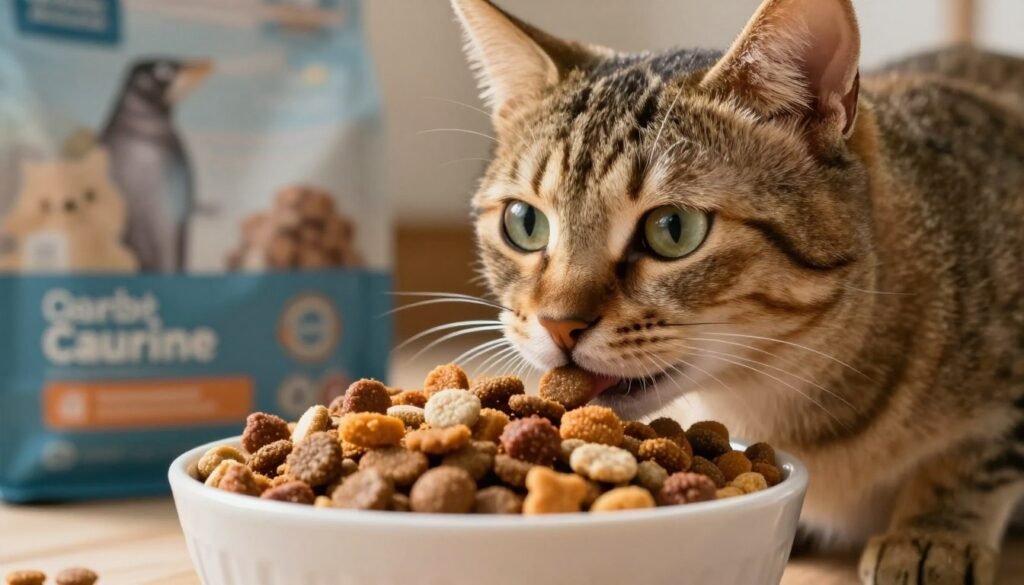
Have you ever thought about how your pet’s digestive health could affect their long-term health? Many pet owners don’t think about the gut, but it’s key in fighting off sickness.
Beneficial bacteria are essential for a strong immune system. These tiny helpers fight off harmful germs every day. Today, vets focus on these supplements to keep pets healthy.
Discovering the probiotics benefits for cats lets you take charge of their health. By balancing their gut, you help them live a happier, stronger life. Adding probiotics for cats is an easy way to boost their natural defenses.
Key Takeaways
- A healthy gut microbiome is vital for feline immune function.
- Beneficial bacteria help protect pets from common environmental threats.
- Veterinarians increasingly recommend these supplements for daily wellness.
- Gut health directly influences your pet’s overall energy and vitality.
- Proactive digestive care can prevent future health complications.
What Are Probiotics for Cats?
Your cat’s digestive system is full of tiny organisms that are key to their health. These tiny beings form a complex ecosystem called the gut microbiome. When this balance is maintained, your pet does well. But, when it’s disrupted, health problems can arise.
Definition and Importance
Probiotics for cats are live microorganisms that offer health benefits. They are like “friendly” bacteria that help the digestive system work right. They keep the gut healthy by pushing out bad bacteria.
Keeping the gut balanced is vital for your cat’s immune system and nutrient absorption. Without enough good bacteria, the digestive tract is open to harm. Giving cat probiotics helps keep the gut flora stable, which is key for your pet’s health.
Types of Probiotics Available
The pet supplement market has grown, offering many options. The right delivery method can make a big difference. Most probiotics for cats are made to be tasty and easy to add to their food.
Here are the most common forms:
- Powders: These are versatile and can be sprinkled over food or mixed with water.
- Chews: These are tasty treats that are great for cats who like snacks.
- Liquids: These can be added to food or water, making them good for picky eaters.
Choosing the best cat probiotics depends on your cat’s personality and eating habits. Always check the label for high-quality, shelf-stable strains that can survive your cat’s digestive system.
How Probiotics Support Immune Function
A big part of your cat’s immune system lives in their gut. This area is like a shield against bad germs your pet meets every day. Keeping the cat gut health in top shape is key to a strong defense.
Mechanisms of Action
Adding feline probiotics to your cat’s food gives their gut a boost. These good bacteria fight off the bad ones for space and food. This way, they keep the bad guys from causing harm.
These supplements also help make more antibodies and turn on immune cells in the gut. This makes your cat’s body better at fighting off sickness. Strengthening this barrier is a main way probiotics boost the immune system.
Connection to Gut Health
A healthy gut is linked closely to overall health. A balanced gut stops toxins from getting into the blood, which can cause long-term inflammation. Taking care of cat gut health means less stress on the immune system.
With a stable gut, feline probiotics keep the immune system in check. This stops it from getting too tired or overactive. The table below shows how different things help your cat’s immune system stay strong.
| Factor | Primary Benefit | Immune Impact |
|---|---|---|
| Beneficial Bacteria | Pathogen Inhibition | High |
| Intestinal Lining | Barrier Integrity | High |
| Nutrient Absorption | Metabolic Support | Moderate |
| Inflammation Control | Systemic Balance | High |
Signs Your Cat May Need Probiotics
Your cat can’t tell you when their stomach hurts. So, you need to watch for small signs. Sometimes, their gut balance changes without warning. By paying attention to their daily habits, you can tell when it’s time for cat probiotics.
Digestive Issues
Physical signs like chronic diarrhea, vomiting, or constipation mean your cat’s gut is off. These signs show there might be too many bad bacteria in their gut.
Adding cat digestive health supplements can help. Poor digestion can also cause gas or bloating. Fixing these problems early helps your cat feel better and boosts their immune system.
“The health of the gut is the foundation of a cat’s overall vitality, influencing everything from nutrient absorption to immune defense.”
Behavioral Changes
Not all signs of gut trouble are physical. Your cat might seem tired or eat less. These changes often mean they’re not feeling well inside.
If your cat stops grooming or hides more, it’s a sign to check their gut health. Using cat digestive health supplements can help fix these problems. Here’s a table of common signs your cat might need cat probiotics.
| Symptom Category | Common Indicators | Potential Cause |
|---|---|---|
| Physical | Chronic diarrhea | Microbiome imbalance |
| Physical | Frequent vomiting | Digestive irritation |
| Behavioral | Lethargy | Systemic discomfort |
| Behavioral | Appetite loss | Gastrointestinal distress |
Choosing the Right Probiotic for Your Cat
Choosing the right probiotic for your cat is crucial for their health. Look beyond the marketing to find the best probiotics for cats. This ensures your pet gets a safe and effective supplement.
Key Ingredients to Look For
When reading probiotics for cats reviews, check the Colony Forming Unit (CFU) count. A good product will list the number of live bacteria, usually in billions. Also, look for strains like Enterococcus faecium or Lactobacillus acidophilus, which help with digestion.
Stay away from products with fillers, artificial colors, or too much sugar. These add nothing good and can harm a sensitive stomach. Make sure the product includes prebiotics, like inulin or fructooligosaccharides, to feed the good bacteria.
Recommended Brands
Finding top rated cat probiotics means looking for brands that test their products and are open about how they make them. Vets often suggest brands that focus on animal health, not just generic supplements. These brands share details about their products and how they ensure quality.
The table below shows what to look for when comparing probiotic supplements for your cat:
| Feature | High-Quality Option | Low-Quality Option |
|---|---|---|
| CFU Count | Clearly labeled (Billions) | Vague or missing |
| Strain Diversity | Multiple proven strains | Single or unknown strain |
| Fillers | None or minimal | Artificial dyes and sugars |
| Testing | Third-party verified | No transparency |
Every cat is different, so what works for one might not work for another. If you’re unsure, talk to your vet. They can help find the right formula for your cat’s health and diet.
How to Introduce Probiotics to Your Cat
Starting your cat on new health products can be easy. Take it slow to help your pet adjust without stress. Patience is key when starting this wellness journey.
Steps for a Successful Introduction
Start with a small dose of top rated cat probiotics. Mix it into their favorite wet food. This makes it easier for them to accept.
Gradually increase the dose over one to two weeks. Make sure to give it at the same time every day. This helps the supplements work well.
Monitoring Your Cat’s Response
Watch your cat closely after starting the supplements. Look for changes in their stool. Healthy digestion means firm, consistent stools.
Also, check their energy and mood. If they seem tired or act differently, slow down. Top rated cat probiotics should make them happier and more lively. Any bad changes mean it’s time to talk to your vet.
| Phase | Dosage Level | Duration | Goal |
|---|---|---|---|
| Initial | 25% of dose | Days 1-3 | Assess tolerance |
| Adjustment | 50% of dose | Days 4-7 | Build gut flora |
| Full | 100% of dose | Day 8+ | Maintain health |
Using cat digestive health supplements right is crucial for success. Follow these steps to ensure your cat gets the most benefits without discomfort.
Common Misconceptions About Cat Probiotics
Exploring feline health supplements can be confusing. Many pet owners face claims that blur the line between real benefits and marketing tricks. By examining the facts, you can choose better for your pet.
Myths vs. Facts
Many believe all cat probiotics are the same. But, the truth is, different strains offer unique benefits for your cat’s gut.
Another myth is that these supplements can cure all illnesses. While feline probiotics help with digestion, they shouldn’t replace vet care for serious health issues.
Understanding the Science
The science behind these supplements aims to keep the gut balanced. By using high-quality feline probiotics, you help your cat’s immune system and fight off bad bacteria.
It’s crucial to remember these supplements work best with a balanced diet. Research shows consistent use leads to better health for your pet. Choosing proven cat probiotics ensures your cat gets the right support to stay healthy.
Benefits Beyond the Immune System
Did you know that probiotics benefits for cats go beyond just boosting their immune system? These supplements are known for balancing internal defenses. But they also play a key role in your pet’s daily comfort and long-term health.
By supporting a balanced microbiome, you’re investing in your cat’s foundational health. This holistic approach helps your feline friend feel their best every day.
Effects on Digestion
The first thing you’ll notice about high-quality probiotics is their impact on digestion. When gut flora thrives, your cat can digest food better. This leads to improved nutrient absorption.
This means your cat gets more from each meal, which is key for a healthy weight and energy. Regular use also leads to more predictable and firm bowel movements.
Here are some digestive benefits:
- Less gas or bloating.
- Better breakdown of proteins and fibers.
- More regular bowel movements.
Impact on Overall Wellbeing
The effects of cat gut health go beyond digestion. They impact your pet’s physical appearance and mood. Many owners see improvements in other health areas when digestion is right.
A healthy gut is often linked to vibrant skin and a shiny coat. Proper nutrient absorption helps maintain a soft, healthy exterior.
A balanced gut also leads to a more stable temperament. The gut and brain are closely connected. Supporting cat gut health promotes a calm and happy cat. By focusing on these probiotics benefits for cats, you ensure your pet enjoys a long, active life with you.
Consulting Your Veterinarian
Choosing the right supplements for your cat is a team effort with your vet. They ensure any new diet additions are safe and work well. Your vet knows your cat’s health history and can pick the best probiotics for cats for them.
When to Seek Professional Advice
If your cat has a chronic illness or is on medication, see your vet. Supplements can affect how well treatments work or cause side effects. A vet check can avoid these problems.
Also, if your cat has sudden or bad digestive issues, don’t just use store-bought fixes. Signs like vomiting, being very tired, or big changes in eating need a vet visit. Your vet can find infections or parasites that probiotics can’t fix.
Questions to Ask Your Vet
Be ready with questions when you see your vet. Good questions help you choose the right best probiotics for cats. Here are some to ask:
- Are there specific strains of bacteria that would benefit my cat’s current health status?
- How long should I trial a new supplement before expecting to see noticeable improvements?
- Are there any known interactions between this supplement and my cat’s current medication?
- What dosage is appropriate for my cat’s weight and age?
Talking openly with your vet is key to your cat’s health. Use the table below to know when to ask for vet help versus when to watch your pet at home.
| Scenario | Action Required | Priority Level |
|---|---|---|
| Chronic health conditions | Consult vet before starting | High |
| Current prescription meds | Verify safety with vet | High |
| Mild, occasional gas | Monitor and adjust diet | Low |
| Selecting best probiotics for cats | Ask for brand recommendations | Medium |
Frequently Asked Questions (FAQs) About Probiotics
Exploring pet supplements can be confusing. But, finding answers to your questions is key to better health. Many pet owners wonder what to expect when using probiotics for cats to boost their pet’s health.
How Long Until You See Results?
The time it takes to see improvements varies. It depends on your cat’s health needs. Some owners notice better stool quality or more energy in a few days. Others might need weeks of use.
Be patient during this time. Look for slow but steady improvements. Reading probiotics for cats reviews can help. Many owners share their experiences and timelines with different products.
Are Probiotics for Cats Safe for All Cats?
These supplements are usually safe for all cats, from kittens to seniors. But, every cat is different. Their health history affects how they react to new foods.
If your cat has a health issue or is on medication, talk to your vet first. Professional advice is crucial. It makes sure the supplement fits your cat’s needs. Always follow your vet’s guidance to keep your cat healthy and happy.
Conclusion: The Importance of Probiotics in Your Cat’s Diet
Starting your cat’s health journey is all about daily choices. Giving them top-notch food and supplements is key. It sets the stage for a lively and healthy life.
Core Advantages for Your Pet
Probiotics are crucial for a healthy gut. They boost the immune system and help your cat absorb nutrients better. Look into Purina Pro Plan Veterinary Supplements and Nutramax Proviable for great options.
Building Sustainable Health Habits
Sticking to a routine is vital for your cat’s health. Making small changes can greatly improve their energy and digestion. Keep a close eye on your pet to make sure they’re feeling their best.
Talking to your vet is important to make sure you’re doing what’s best for your cat. You can make a big difference in their life with simple care. Begin these habits today to keep your cat happy and active for years to come.