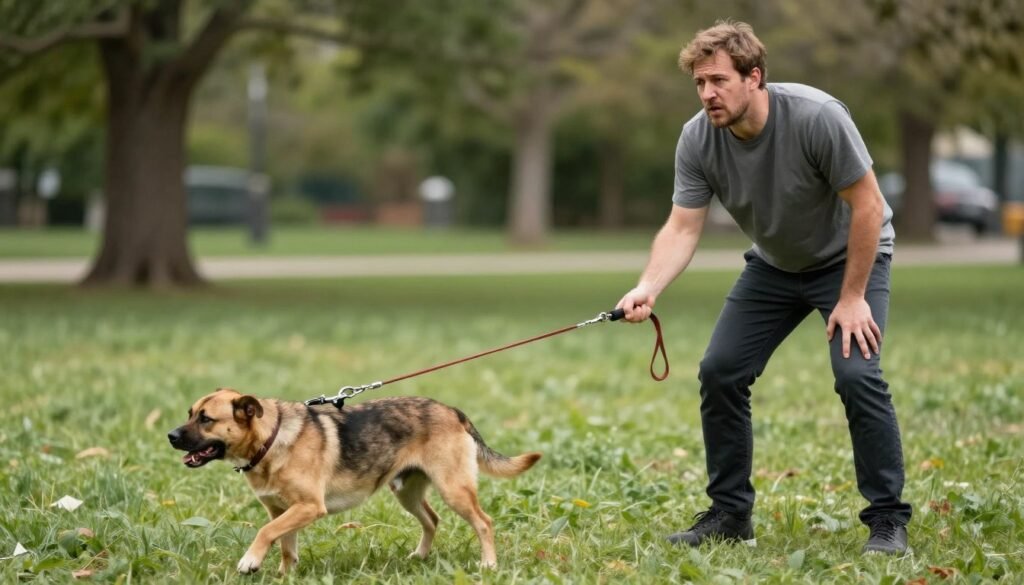
Did you know that nearly 70% of new dog owners face housebreaking challenges in the first month? Getting a puppy is exciting, but it needs patience and a plan. A consistent schedule is the most effective way to succeed and keep your pet’s behavior healthy.
Setting realistic goals in the early weeks lowers stress for you and your puppy. Focus on positive reinforcement and routines to learn puppy potty training. This method makes your home a calm place where your pet feels safe and learns fast.
Consistent habits are key to success. A reliable routine makes puppy toilet training easier. By following these steps, you’ll strengthen your bond and keep your home clean and peaceful.
Key Takeaways
- Establish a strict daily schedule for feeding and outdoor breaks.
- Use positive reinforcement to reward desired behaviors immediately.
- Supervise your pet closely to prevent accidents before they happen.
- Keep expectations realistic, as young dogs have limited bladder control.
- Maintain a calm, patient attitude to reduce stress for your animal.
Understanding Your Puppy’s Needs
Before starting puppy house training, know your puppy’s physical limits. They can’t hold their bladder like adults. Patience is key during this time.
Why Potty Training is Crucial
Housebreaking is more than just keeping your floors clean. It builds trust and clear communication with your pet. When a puppy knows where to go, they feel safe.
Regular training stops bad habits from forming. It keeps your home clean and teaches your dog the rules of their new home.
Signs Your Puppy Needs to Go
Your puppy will give you hints before they go. Learning these signs is crucial for puppy house training. Look for sniffing, circling, or pacing.
If your puppy stops playing or whines near the door, take them outside fast. Quick action stops accidents and teaches the right behavior. Be alert in the first few weeks.
Typical Potty Training Timelines
Dogs grow at different rates, but there are general guidelines. Puppies can’t hold their bladder for long until they’re older. Knowing this helps set realistic goals for housebreaking.
| Puppy Age | Bladder Capacity | Frequency of Breaks |
|---|---|---|
| 8-10 Weeks | 1-2 Hours | Every 2 hours |
| 3-4 Months | 3-4 Hours | Every 3-4 hours |
| 6+ Months | 6-8 Hours | 3-4 times daily |

Extra 40% Discount on All Orders
Why pay full price for quality? Want the VIP treatment for your pet? Join PetCare+ now to solve the problem of recurring costs with a massive 40% OFF, plus exclusive free gifts and free shipping on every order.
Pet Care Supplies
Mon-Fri 9 AM – 5 PM CST
Choosing the Right Training Method
Starting your journey to a clean home means picking a method that fits your life and your puppy’s personality. Many paths can lead to success, but knowing the main differences helps you stay on track. Consistency is key to any good plan.
Crate Training vs. Outdoor Training
Crate training uses a dog’s instinct to keep their sleeping area clean. It limits their space, helping them hold their bladder until outside. This method greatly reduces accidents in your home.
Outdoor training teaches your pet to go on the grass. You need to watch them closely and give them many chances to go outside. This builds a strong link between the grass and going to the bathroom.
Positive Reinforcement Techniques
The best way to teach good habits is through positive reinforcement training. This method rewards your puppy for going in the right spot. Using treats or praise makes the experience positive and memorable.
Don’t punish your puppy, as it can cause fear and confusion. Instead, celebrate when they do something right. This makes them want to do it again for more rewards.
Using Potty Pads Effectively
Potty pads are great for indoor use, like in apartments or bad weather. They give your puppy a place to go when outside isn’t an option. Strategic placement helps your puppy know where to go.
Move the pad closer to the door as your puppy gets more confident. This helps them learn to go outside eventually. Always keep the area clean to encourage use.
| Method | Best For | Primary Benefit |
|---|---|---|
| Crate Training | Housebreaking | Prevents accidents |
| Outdoor Training | Natural habits | Faster association |
| Potty Pads | Apartment living | Indoor convenience |

- 【SUPER ABSORBENT & THICKER】Thickened wee wee pads for dogs and 6-layer protection design makes our XL dog pee pee pads m…
- 【QUICK-DRYING】Unique flash-dry technology quickly turns liquid into gel, preventing tracking, liquid overflow, and bad s…
- 【LEAK-PROOF】Each pet training pad features a plastic backing and border to protect your floors or carpets by blocking le…

- ABSORBS 2X FASTER & 2X MORE: AbsorbShield+ Technology locks away messes so you protect your floors, keep your home fresh…
- LEAK PREVENTION: Our layered design locks in liquid while adhesive tabs keep pads firmly in place on hard floors, even d…
- UNSCENTED: Quickly absorbs liquid to help minimize odors without added scents or fragrances, making it ideal for indoor …
Setting a Consistent Schedule
Consistency is key for successful toilet training puppies programs. A predictable daily routine helps your pet know when to go outside. This makes things easier for both you and your pet.
Establishing a Feeding Routine
Keeping a strict meal schedule helps manage your dog’s needs. Feeding at the same times every day helps track when they need to go. Knowing when they eat helps guess when they’ll need to go outside.
Don’t leave food out all day. It’s hard to guess when they’ll need to go. Instead, feed at set times and remove the bowl after twenty minutes. This is a key part of puppy house training and helps their digestive system.
Timing Potty Breaks Throughout the Day
Being proactive is important to prevent accidents. Take your puppy outside after waking up, eating, or playing. These are times when they usually need to go.
Having a structured timeline helps you stay ahead. Anticipating their needs encourages good behavior. Consistent timing is crucial for successful puppy house training.
Creating a Designated Potty Area
Having a set bathroom spot is key for puppy toilet training. It helps your pet know where to go. This is a top potty training tip for new owners.
Selecting the Right Spot Outside
Choose a quiet spot in your yard for your puppy. It should be away from busy areas and loud sounds. Consistency is key, so always take your puppy to the same spot.
Consider using a visual marker like a small garden stake. This helps your puppy know where to go. Keeping the area clean encourages your puppy to go there again.
Introducing Indoor Potty Solutions
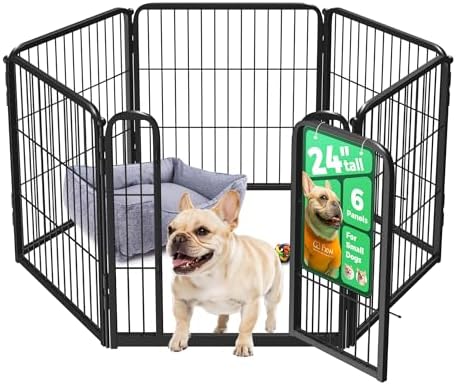
If you live in an apartment, outdoor access might not be easy. Indoor solutions like synthetic grass or puppy pads are good alternatives. Place these items in a low-traffic area of your home.
Teach your puppy to use these indoor tools with patience and rewards. When your puppy gets used to it, you can move it closer to the door. This table helps you choose the best potty solution for your home.
| Method | Best For | Maintenance Level | Primary Benefit |
|---|---|---|---|
| Outdoor Grass | Houses with yards | Low | Natural behavior |
| Puppy Pads | Small breeds/Apartments | High | Easy cleanup |
| Synthetic Turf | Urban living | Medium | Reusable/Durable |


Recognizing Accidents as Learning Opportunities
Seeing indoor accidents as part of learning is key for successful puppy house training. It’s frustrating to find messes, but remember, your pet is still learning. Staying calm helps you keep your focus on housebreaking.
Common Mistakes to Avoid
One big mistake is punishing a puppy after the fact. If you find an accident, your puppy won’t connect it to their action. This can make them scared and anxious, slowing down your progress.
Don’t yell or make your puppy sniff the mess. These old potty training tips don’t teach where to go. They just make your puppy hide. Instead, use positive reinforcement when they go in the right spot.
How to Clean Up Effectively
Cleaning up accidents right is key to prevent them from happening again. If a scent stays, your puppy will go back to that spot. Always use an enzymatic cleaner to break down urine proteins.
Household cleaners might hide the smell for us but leave it for dogs. The right products help remove the temptation for your puppy. Here’s a table with the best ways to clean up.
| Cleaning Method | Effectiveness | Best For |
|---|---|---|
| Enzymatic Cleaner | High | Removing deep odors |
| Vinegar Solution | Medium | Light surface cleaning |
| Standard Soap | Low | General surface dirt |
Being consistent in cleaning helps your housebreaking efforts. With patience and the right tools, every accident is just a small bump, not a big setback in your potty training tips journey.
The Importance of Patience and Consistency
Raising a puppy comes with surprises that test your patience. The journey of toilet training puppies can be tough. But, staying steady is crucial for success. Your calm helps your puppy understand what’s expected.
Staying Motivated During Challenges
Feeling frustrated is normal when progress slows or accidents happen. Remember, your puppy is still learning. Staying motivated means seeing each setback as a temporary issue, not a failure.
Keep your eyes on the long-term goal. A consistent routine helps your puppy feel secure. This is the heart of positive reinforcement training, making learning clear and predictable.
Celebrating Small Victories
Don’t overlook the small wins of the day. Celebrating when your puppy goes outside or holds it longer boosts your bond and their confidence. Celebrating these small victories strengthens your connection and motivates your puppy.
Using positive reinforcement training to reward good behavior creates a supportive environment. This makes toilet training puppies a rewarding journey for both of you. Stay positive, patient, and enjoy watching your puppy grow.
Teaching Commands for Potty Training
Verbal cues are key in puppy potty training. They connect your expectations with your puppy’s actions. Using the same words every time helps your puppy understand what to do outside.
Basic Commands Every Puppy Should Learn
To master potty training for dogs, focus on a few key commands. Teaching “sit” or “stay” keeps your puppy focused. It stops them from getting sidetracked by squirrels or leaves.
When your puppy is calm, say “go potty” or “do your business.” Use positive reinforcement training to reward them right after. This links the command to the act of going potty in their mind.
The Role of Verbal Cues in Potty Training
Verbal cues are very helpful during training. They make your puppy expect what you want. Being consistent helps these cues become natural for your pet.
The table below shows common verbal cues and their benefits:
| Command | Purpose | Training Benefit |
|---|---|---|
| Go Potty | Initiate action | Reduces time spent outside |
| Hurry Up | Encourage focus | Prevents distractions |
| Good Dog | Positive feedback | Reinforces desired behavior |
| All Done | Signal completion | Teaches the end of the session |
Using these simple verbal cues makes training easier. Remember, patience is crucial when teaching new commands. With consistent practice, your puppy will learn quickly and confidently.
Overcoming Potty Training Setbacks
Regression in training is normal for every owner. Even if you think you’ve got it down, your puppy might start having trouble. Don’t get discouraged if things seem to stall.
Dealing with Relapses
When your puppy has a setback, go back to the basics of housebreaking. Take them outside more often to prevent accidents. If the problem continues, try crate training to help them remember what they learned.
A crate gives your puppy a safe place to hold their bladder. It limits their freedom for a few days, helping them get back on track. Consistency is crucial for your puppy’s confidence and success.
Factors That May Impact Progress
Many things can upset your puppy’s learning. Changes in the home or your schedule can cause stress. This stress might make them forget their housebreaking skills.
Health problems can also affect your puppy’s training. If they start having accidents, see a vet to check for infections or digestive issues. Once you find the problem, adjust your crate training to help them through it.
Socializing Your Puppy During Training
It’s important to balance socializing your puppy with their potty training. Meeting new people and places can make your dog more confident. But, it can also make them forget their potty training.
A well-adjusted puppy learns better. By adding socializing to your daily routine, your puppy becomes more adaptable to different places.
How Socialization Affects Potty Training
New places have lots of exciting things to see, hear, and smell. These can distract a young dog. When a puppy is too busy with new things, they might forget to go potty.
Your puppy might get nervous or distracted in new places. This is normal. Sticking to a routine helps keep your training on track.
Tips for Introducing Your Puppy to New Environments
Always take your puppy for a potty break right when you arrive at a new place. This makes sure their bladder is empty before they start exploring.
Keep your first visits short to avoid overwhelming your puppy. If they seem too stressed, go back to a place they know. Consistency is the key to keeping your training effective, no matter where you are.
| Environment Type | Distraction Level | Training Focus |
|---|---|---|
| Home Garden | Low | High Routine |
| Quiet Park | Medium | Reinforcement |
| Busy Street | High | Safety & Focus |
Off like a Rocket? What to Do When Your Puppy Ignores Your Call?
The Problem
When your puppy ignores your command to come back, it’s not because they are stubborn. It’s because the world is brand new, and everything else is more exciting than your voice—a dangerous habit that can put their safety at risk during these critical growth months.
The Solution
Building a bulletproof, reliable recall early on means making the act of returning to you the ultimate jackpot in your puppy’s mind. You can turn outdoor distractions into training wins, achieving total peace of mind and off-leash freedom for the future.
Discover the Secret to a Perfect Puppy Recall Free
Maintaining Long-Term Success
Your journey with a well-behaved dog starts when your pet is a playful puppy. As they grow into a mature companion, the habits you build today are key. Consistent routines help your dog stay reliable in any setting.
Transitioning from Puppyhood to Adulthood
Adult dogs need less frequent breaks than puppies, but still benefit from early training. You can slowly increase the time between outdoor trips as they learn to control their bladder. Watch for signs they need to go, like sniffing or circling.
Ongoing Potty Training Tips for Adult Dogs
Keeping your dog reliable means reinforcing good habits throughout their life. Crate training can still be useful for travel or vet visits even when they’re grown. Use these tips to keep your home clean and your dog happy.
Consistent praise for good behavior strengthens your bond. Share your success with other pet owners to stay motivated. Enjoy many years with your loyal friend.
FAQ
Why is it essential to begin puppy potty training as soon as I bring my new pet home?
What are the most common signs that my puppy needs to go outside?
Is crate training more effective than using indoor potty pads?
How often should I schedule potty breaks for a young puppy?
What is the best way to use positive reinforcement training during houseboarding?
How should I handle accidents when they happen inside the house?
Can I use verbal commands to help my puppy understand when to go?
Why is my puppy suddenly having accidents after being successfully trained?
Does socialization impact the puppy potty training process?
How do I transition my dog’s potty routine as they reach adulthood?
References:
This article was created based on information from the following authoritative sources: American Society for the Prevention of Cruelty to Animals (ASPCA) and American Veterinary Medical Association