Did you know that nearly 60% of vet visits for young dogs happen in their first year? This fact shows why it’s essential to watch closely during those early months.
Being proactive about common puppy health problems is key to a long, happy life for your pet. By knowing the early signs, you can catch small issues before they become big problems.
Understanding puppy medical conditions helps you feel confident in caring for your growing pet. This guide gives you the basics to ensure your pet gets the best care.
Key Takeaways
- Early detection of illness prevents minor issues from becoming life-threatening emergencies.
- The first year of a dog’s life is the most critical period for veterinary monitoring.
- Proactive care significantly improves the long-term quality of life for your pet.
- Recognizing subtle behavioral changes is key to identifying underlying medical issues.
- Building a strong foundation of knowledge helps owners manage development with confidence.
Understanding Puppy Health Issues
As your new friend grows, they face many health challenges. Their immune system is still developing, making them more prone to infections and other issues. Knowing this helps you give your puppy the best start.
What Are Common Puppy Health Problems?
Vets often see certain puppy health issues during check-ups. These include viral infections, nutritional problems, and developmental conditions. Knowing about these helps you tell when your puppy is okay or needs a vet.
Regular puppy healthcare is key for a long, happy life. By seeing your vet regularly, you learn what’s normal for your pet. This way, you can catch any changes in energy, appetite, or movement early.
The Importance of Early Detection
Spotting health problems early is crucial for a good outcome. Many issues seem minor at first but can get worse fast if not treated. Keeping a close eye on your puppy helps catch problems before they get serious.
Acting quickly when your puppy seems sick can make a big difference. Early diagnosis means simpler treatments and a quicker recovery. Always trust your gut if something seems off. Your observations are the most important part of puppy healthcare.

Extra 40% Discount on All Orders
Why pay full price for quality? Want the VIP treatment for your pet? Join PetCare+ now to solve the problem of recurring costs with a massive 40% OFF, plus exclusive free gifts and free shipping on every order.
Pet Care Supplies
Mon-Fri 9 AM – 5 PM CST
Parvovirus: A Serious Threat
When we talk about common puppy health problems, Parvovirus is a big worry. This virus attacks the stomach and can be deadly if not treated. Even puppies inside can get it because the virus stays around for months.
Symptoms to Watch For
Spotting Parvovirus early is critical for your puppy’s life. Keep an eye out for sudden changes in your puppy’s behavior or health. Parvovirus often shows as extreme tiredness and no appetite at all.
The worst sign is bloody diarrhea with a bad smell. If your puppy vomits a lot or is very weak, get vet help fast. Quick action is key against this aggressive virus.
Treatment Options
Since there’s no cure for the virus, treatment helps the puppy’s body fight it. Vets use aggressive fluid therapy to fight dehydration from vomiting and diarrhea. This is a crucial step in treating common puppy diseases.
Doctors also give medicines to stop nausea and antibiotics to stop infections. Keeping the puppy warm and in a clean place is also key for getting better. Here’s a quick guide on how to handle this condition.
| Clinical Sign | Action Required | Urgency Level |
|---|---|---|
| Severe Lethargy | Immediate Vet Visit | Critical |
| Bloody Diarrhea | Emergency Care | High |
| Loss of Appetite | Professional Assessment | High |
| Persistent Vomiting | Fluid Therapy | Critical |
Canine Distemper: A Viral Challenge
Canine Distemper is a serious viral disease that affects puppies. It attacks their respiratory, gastrointestinal, and nervous systems. This can lead to severe health problems.
The virus spreads easily through the air or contact with infected fluids. Knowing how it spreads helps keep your pet safe.
Recognizing the Signs
Spotting the signs of Distemper early is crucial. Look for a fever that won’t go away, watery or yellow nasal discharge, and a dry cough.
As the disease gets worse, it can harm the nervous system. You might see twitching muscles, seizures, or partial paralysis. If you notice these signs, call your vet right away.
Prevention Through Vaccination
Vaccination is the best way to fight Distemper. Vaccines help the immune system fight the virus before it causes harm.
“An ounce of prevention is worth a pound of cure, when it comes to keeping our puppies safe from viral diseases.”
Vets say all puppies should get their core vaccinations. Keeping up with your pet’s vaccinations helps them stay healthy and strong.


Kennel Cough: The Contagious Cough
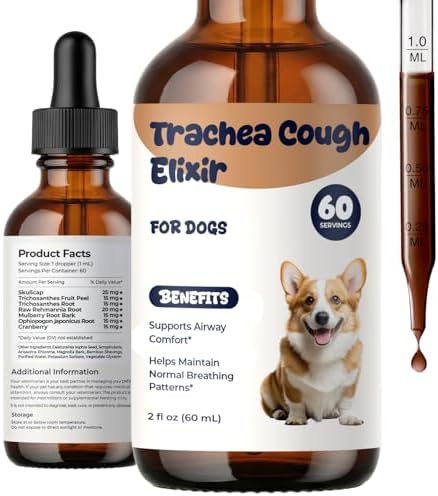
Kennel cough is a big puppy health issue because it spreads fast. It’s also known as infectious tracheobronchitis. This condition quickly spreads in places dogs like to go, like parks or training classes.
Causes and Symptoms
This infection comes from viruses and bacteria. When they hit the trachea and bronchi, it causes big puppy health concerns for owners.
The main sign is a dry, hacking cough. It sounds like the puppy has something stuck in their throat. You might also see:
- A runny nose or sneezing.
- Mild lethargy or decreased appetite.
- Occasional gagging after coughing fits.
Treatment and Recovery
Dealing with these puppy medical conditions helps your pet get better fast. Most mild cases get better with home care. But, it’s always best to check with a vet.
Most treatments aim to keep the puppy comfy. This means lots of rest, staying hydrated, and using a humidifier. Sometimes, your vet might give cough suppressants or antibiotics to stop other infections.
| Aspect | Description | Action Required |
|---|---|---|
| Primary Cause | Viral or Bacterial | Consult a Veterinarian |
| Main Symptom | Dry, Hacking Cough | Monitor Breathing |
| Recovery Focus | Rest and Hydration | Limit Social Contact |
| Medical Aid | Antibiotics/Suppressants | Follow Prescription |
Hip Dysplasia: A Genetic Concern
Understanding hip dysplasia is key to good puppy healthcare. It happens when the hip joint doesn’t fit right, causing pain and arthritis. Catching it early can greatly improve your dog’s life.
Signs of Hip Dysplasia
Spotting early signs is crucial for puppy wellness issues. Watch your pet for any changes in how they move or act during play.
Look out for these signs:
- An unusual or “bunny-hopping” gait when running.
- Visible difficulty or hesitation when rising from a resting position.
- A noticeable reluctance to jump, climb stairs, or engage in vigorous play.
- Stiffness in the hind legs, specially after long periods of inactivity.
Management and Treatment Plans
If you think your pet has hip dysplasia, see your vet right away. Treating it often means a mix of things based on how bad the joint is.
Here are some ways to treat it:
- Weight Management: Keeping your puppy at a healthy weight reduces unnecessary stress on the hip joints.
- Physical Therapy: Controlled exercise and hydrotherapy can help build muscle mass to support the joint.
- Medication: Anti-inflammatory drugs may be prescribed to manage pain and reduce swelling.
- Surgical Intervention: In severe cases, surgical procedures can correct the joint structure to restore mobility.
Proactive care is the best way to keep your puppy happy and active. With your vet’s help, you can make a plan to protect your dog’s joints for years.
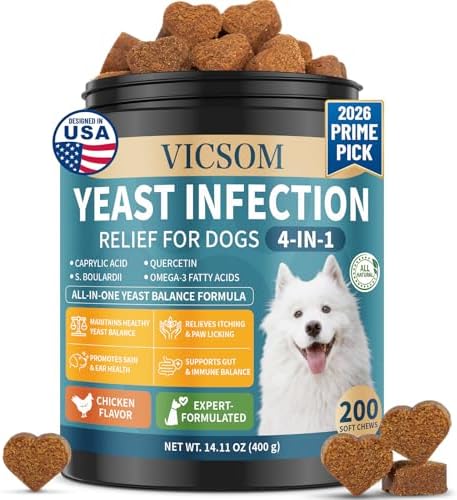
- YEAST BALANCE & ALLERGY SUPPORT FOR DOGS – When paw licking, ear odor, itchy skin, or scratching keeps coming back, VICS…
- EAR, PAW & SKIN COMFORT SUPPORT – Designed for dogs that shake their head, lick paws, chew between toes, or smell musty …
- CAPRYLIC ACID + PROBIOTIC YEAST SUPPORT BLEND – Made with Caprylic Acid, Pau d’Arco, Quercetin, Omega-3, Bacillus subtil…

- Dog Ear Cleaner: A natural and powerful ear cleaner specially designed for dogs, dog ear drops can effectively unclog th…
- Support Ear Health: Ear drops for dogs ear infection are specially designed for itchy, red and swollen ears as well as i…
- Mild Botanical Formula: Ear clear for dogs is designed for sensitive ear canals, suitable for daily cleaning and care, e…

- Supports Healthy Ears & Prevents Issues – HICC PET dog ear wipes are designed to gently yet effectively wipes away earwa…
- Exclusive CocoPlex Formula Tech – Powered by uniquely CocoPlex Coconut Oil Fermentation Technology (not raw coconut oil)…
- Deeper and More Effective Cleaning – Traditional round or square wipes are hard to grip and often fail to clean deep ins…
Ear Infections: Spotting the Signs
Keeping your puppy’s ears healthy is key to their overall well-being. Their ears are sensitive and can easily get irritated. Spotting early signs is crucial to prevent painful conditions.
Symptoms and Causes
Ear infections are common in puppies. They often come from too much bacteria or yeast, or ear mites in younger dogs. Watch your puppy for any unusual behavior or physical changes.
Look out for these signs of ear trouble:
- Frequent head shaking or tilting.
- Excessive scratching at the ear area.
- A noticeable, unpleasant odor coming from the ear canal.
- Visible discharge, redness, or swelling inside the ear flap.
Treatment Solutions
If you think your puppy has an ear infection, see a vet right away. A vet must check the ear to find the cause. Wrong treatments can make things worse, so wait for a vet’s advice.
After finding the cause, your vet will give you special drops or cleaners. Keeping the ear clean and dry helps prevent more infections. Regular care keeps your puppy happy and healthy.
| Condition | Primary Cause | Common Symptom |
|---|---|---|
| Bacterial Infection | Moisture/Trapped debris | Yellow or green discharge |
| Yeast Infection | Allergies/Humidity | Musty odor and redness |
| Ear Mites | Parasitic infestation | Dark, coffee-ground debris |
Worms and Parasites: Hidden Dangers
Almost every puppy is born with or exposed to intestinal worms early in life. These internal invaders are among the most common puppy diseases that owners encounter during the first few months. If left untreated, these parasites can lead to severe nutritional deficiencies and stunted growth in your growing pet.
Addressing these puppy wellness issues early is vital for your dog’s long-term health. Ignoring signs of infestation can also pose a risk to other pets in your home and even to human family members. Proactive care ensures that your puppy stays happy, healthy, and free from these persistent pests.


Types of Worms Common in Puppies
Several varieties of intestinal parasites frequently plague young dogs. Understanding which ones are most prevalent helps you work more effectively with your veterinarian to identify the right treatment plan.
- Roundworms: These are the most frequent offenders and are often passed from mother to puppy. They can cause a pot-bellied appearance and poor coat quality.
- Hookworms: These tiny parasites attach to the intestinal wall and feed on blood. They are dangerous because they can cause significant anemia in small puppies.
- Tapeworms: Often transmitted through fleas, these worms appear as small, rice-like segments in your puppy’s stool.
Prevention and Treatment Options
Managing these common dog health problems requires a consistent approach to deworming. Most veterinarians recommend a strict schedule starting as early as two weeks of age to eliminate parasites before they cause lasting damage.
Regular fecal exams are the gold standard for detection, as many parasites are not visible to the naked eye. Your vet will likely prescribe specific deworming medications tailored to the type of parasite found. Always follow the dosage instructions carefully to ensure the medication is effective and safe for your puppy’s developing system.
“Routine deworming is not just a medical necessity; it is a fundamental pillar of responsible pet ownership that protects the entire household.”
Maintaining a clean environment is also a key part of prevention. Picking up waste immediately and keeping your puppy away from areas where other dogs congregate can significantly reduce the risk of reinfection. By staying vigilant, you build a strong foundation for your puppy’s future health.
Skin Issues: Allergies and Infections
Skin problems are a big reason for vet visits in young dogs. Many owners focus on internal health, but a puppy’s coat shows their overall health. Spotting these common dog health problems early can prevent a lot of pain and long-term issues.
Identifying Skin Problems
Puppies can get skin irritations from allergens, food sensitivities, or infections. These issues are often linked to other common puppy diseases that need quick diagnosis. Keep an eye out for signs that your puppy’s skin might be a problem.
Look for these signs in your pet:
- Excessive scratching or biting at certain spots.
- Redness, inflammation, or rashes on the belly and paws.
- Hair loss or thinning fur in patches.
- Hot spots, which are intense infections in one area.
Common Treatments for Skin Conditions
After a vet finds the cause of the skin problem, they’ll suggest a treatment plan. Treating these common dog health problems often needs a few steps to heal the skin. Owners are key in helping their pets get better by following the treatment plan.
Effective treatments include:
- Medicated shampoos to soothe and kill bacteria or yeast.
- Changing the diet to avoid food allergens.
- Strategies to manage allergies, like avoiding certain environments.
- Topical ointments or oral meds to stop itching and prevent infections.
| Condition Type | Primary Symptom | Typical Treatment |
|---|---|---|
| Bacterial Infection | Pustules and redness | Antibiotic therapy |
| Fungal/Yeast | Musty odor and itching | Antifungal wash |
| Allergic Reaction | Chronic scratching | Dietary change/Antihistamines |
| Parasitic Infestation | Hair loss/Crusting | Parasite prevention |
Quick action can help your puppy stay healthy and avoid the pain of common puppy diseases. Regular grooming and skin checks are important for any dog owner.


The Importance of Regular Vet Check-Ups
Proactive care is key for a long, happy life for your new pet. Regular vet visits help catch health issues early. This keeps your pet’s quality of life high.
Establishing a Health Care Routine
A wellness plan is essential for your dog’s growth. It helps track milestones and behavior. Your vet can offer advice on diet and exercise for your breed.
Building a Healthy Future for Your Puppy
Regular vet visits ensure your pet gets needed shots and parasite control. These steps protect against common diseases. Your daily observations and vet reports keep your pet healthy and active for years.
FAQ
Why is early detection of common puppy health problems so critical?
What are the most common signs of Parvovirus in young dogs?
How can I protect my pet from Canine Distemper?
What exactly is Kennel Cough and how is it spread?
Can puppies suffer from genetic conditions like Hip Dysplasia?
How do I know if my puppy has an ear infection?
What types of parasites are common in young puppies?
What causes skin issues and excessive scratching in puppies?
How often should I take my new pet for veterinary check-ups?
References:
This article was created based on information from the following authoritative sources: American Society for the Prevention of Cruelty to Animals (ASPCA) and American Veterinary Medical Association