Have you ever pondered why the poodle remains a favorite among Americans, regardless of their living situation? The American Pet Products Association (APPA) reveals these intelligent companions are among the most cherished pets. Their remarkable adaptability makes them a standout in today’s homes.
Their iconic curly coats are well-known, but their true allure lies in their variety. Whether you reside in a compact apartment or a spacious home, there’s a poodle size that fits your lifestyle. Understanding the specific needs of each size is crucial for a fulfilling relationship.
By examining their unique physical characteristics and temperaments, you can ensure your future companion’s well-being. Let’s explore the key details every potential owner should know before welcoming one of these clever animals into their home.
Key Takeaways
- These dogs are highly ranked for their intelligence and versatility in the United States.
- There are multiple size variations available to fit diverse living environments.
- Matching a dog’s energy level to your lifestyle is vital for long-term success.
- Proper education on specific needs helps strengthen the bond between pet and owner.
- Researching size differences ensures you make an informed decision for your household.
Overview of the Poodle Breed Characteristics
Poodles have a rich history, evolving over centuries into a breed known for unique traits. Their distinctive appearance, intelligence, and versatility have made them a favorite globally. This has solidified their status as a popular choice in various regions.
Origin and History of Poodles
In the 15th century, Poodles emerged in Germany as water retrievers. Their intelligence and trainability were key to their success in this role. The American Society for the Prevention of Cruelty to Animals (ASPCA) highlights their long-standing popularity. Their adaptability and versatility are evident in their history.
The name “Poodle” is thought to come from the German “Pudel,” meaning “to splash in the water.” This reflects their original purpose. Today, Poodles come in Standard, Miniature, and Toy sizes. Each size has its own characteristics but retains the breed’s hallmark traits.
Popularity Across Different Regions
Poodles are highly regarded in Europe and North America. The American Pet Products Association (APPA) notes they are among the top breeds in the United States. Their intelligence, trainability, and low-shedding coat are key reasons for their popularity.
Their versatility is another factor. Poodles excel as family pets and in dog sports. They also make excellent therapy dogs. Organizations like Best Friends Animal Society have recognized their potential in therapy work, enhancing their appeal.
Overview of Poodle Varieties
The Poodle breed is divided into three main varieties: Standard, Miniature, and Toy. Despite size differences, all Poodles exhibit the breed’s hallmark traits. The Standard Poodle, the largest, was bred for tasks requiring size and strength, like retrieving game.
Miniature and Toy Poodles, though smaller, retain the breed’s intelligence and athleticism. They are valued for their companionship and adaptability, making them ideal for smaller living spaces. Understanding these varieties is essential for potential owners to choose the right size for their lifestyle.

Extra 40% Discount on All Orders
Why pay full price for quality? Want the VIP treatment for your pet? Join PetCare+ now to solve the problem of recurring costs with a massive 40% OFF, plus exclusive free gifts and free shipping on every order.
Pet Care Supplies
Mon-Fri 9 AM – 5 PM CST
Standard Poodles: The Largest of the Breed
Standard Poodles, celebrated for their intelligence and versatility, represent the largest variant within the Poodle breed. They stand over 15 inches tall at the shoulder, showcasing the athletic prowess and high intelligence that Poodles are known for.
Physical Characteristics
Standard Poodles are distinguished by their muscular build and elegant appearance. Their coat is a standout feature, being thick, curly, and hypoallergenic. This unique coat necessitates regular grooming to prevent matting and tangling.
Key Physical Attributes:
- Height: Over 15 inches at the shoulder
- Weight: Proportional to height, typically between 40-70 pounds
- Coat: Thick, curly, and hypoallergenic
- Build: Muscular and athletic
Temperament and Personality Traits
Standard Poodles are celebrated for their friendly and outgoing personalities. They are highly intelligent and trainable, making them excellent companions for active families or individuals. Their temperament is generally gentle and affectionate, but they can be wary of strangers.
Personality Highlights:
- Intelligent and trainable
- Friendly and outgoing
- Gentle and affectionate with family
- Can be reserved with strangers
Health Considerations
While generally healthy, Standard Poodles can be prone to certain health issues common in large breeds. Hip dysplasia is a significant concern, along with eye problems and autoimmune disorders.
| Health Issue | Description | Prevention/ Management |
|---|---|---|
| Hip Dysplasia | A genetic condition leading to arthritis and mobility issues | Regular check-ups, maintaining a healthy weight |
| Eye Problems | Includes conditions like cataracts and progressive retinal atrophy | Regular eye exams |
| Autoimmune Disorders | Conditions where the immune system attacks the body’s own tissues | Monitoring for symptoms, early veterinary intervention |
Miniature Poodles: The Perfect Companion
For those in search of a smaller canine companion, yet retaining intelligence and activity, Miniature Poodles stand out as an excellent choice. They encapsulate the essence of the Poodle breed in a more compact package. This makes them adaptable to a wide range of living environments.
Size and Appearance
Miniature Poodles are characterized by their height, which spans between 11 and 14 inches. Their coat is a standout feature, necessitating consistent grooming to avoid matting and tangling. Available in various hues, including black, white, silver, and apricot, they offer a spectrum of aesthetic choices for their owners.
Social Behavior and Activities
Miniature Poodles are celebrated for their amiable and sociable nature. They are highly social dogs that flourish on interaction and necessitate regular physical and mental stimulation. Engaging in daily walks, playtime, and training sessions is crucial for their overall health.
Some key aspects of their social behavior include:
- They are highly intelligent and responsive to training.
- They are generally good with children and other pets if socialized properly.
- They can be prone to anxiety if left alone for extended periods.
Common Health Issues
Like all breeds, Miniature Poodles are susceptible to certain health issues. These include:
- Eye problems, such as progressive retinal atrophy.
- Autoimmune disorders, including autoimmune thyroiditis.
- Dental issues, which can be mitigated with regular dental care.
Regular veterinary check-ups and a healthy lifestyle can help minimize the risk of these conditions.
Toy Poodles: Tiny but Mighty
Among the various Poodle sizes, Toy Poodles stand out as the smallest yet exhibit a remarkable poodle intelligence level. Despite their diminutive size, they are incredibly active. They necessitate consistent mental and physical engagement.
Physical Traits of Toy Poodles
Toy Poodles are distinguished by their petite stature, typically reaching under 10 inches in height and weighing between 6-10 pounds. Their curly, non-shedding coat demands regular grooming to maintain its appearance.
Training and Behavioral Aspects
Toy Poodles are renowned for their elevated intelligence and trainability. They exhibit a keen responsiveness to commands, capable of mastering a wide array of tricks and behaviors with diligent training. Their sensitivity, though, necessitates the use of positive reinforcement.
- They flourish in environments rich with interaction and mental stimulation.
- Initiating early socialization is imperative for fostering commendable behavior.
- Adopting a consistent, positive reinforcement training approach is advisable.
Health Risks Unique to Toy Poodles
Toy Poodles are susceptible to specific health challenges, including hypoglycemia and dental afflictions. Vigilant health monitoring and prompt veterinary care are essential.
Common health concerns encompass:
- Hypoglycemia, or low blood sugar.
- Dental issues stemming from their compact jaw size.
- Tracheal collapse, a condition impacting the windpipe.
Poodle Coat Types and Colors
The Poodle’s coat is a defining feature, varying in type and color. This diversity makes Poodles visually captivating and adaptable to various roles and living environments.
Unique Coat Structure
Poodles boast a distinctive coat, which can be curly, wavy, or corded. The curly coat is the most prevalent, characterized by tight curls that define the breed’s appearance. In contrast, the wavy coat has a looser texture, while the corded coat forms long, cord-like strands. Each coat type necessitates specific grooming techniques to avoid matting and tangling.
Common Coat Colors and Patterns
Poodles display a range of colors, including black, white, silver, gray, blue, and apricot. They also exhibit various patterns such as parti-color, phantom, and abstract. The parti-color pattern combines white with another color, while the phantom pattern features specific markings on the face, legs, and chest.
The diversity in coat colors and patterns ensures each Poodle is unique. The American Kennel Club notes that Poodles are among the breeds with the widest range of colors and patterns, making them highly versatile.
Grooming Needs for Different Poodle Sizes
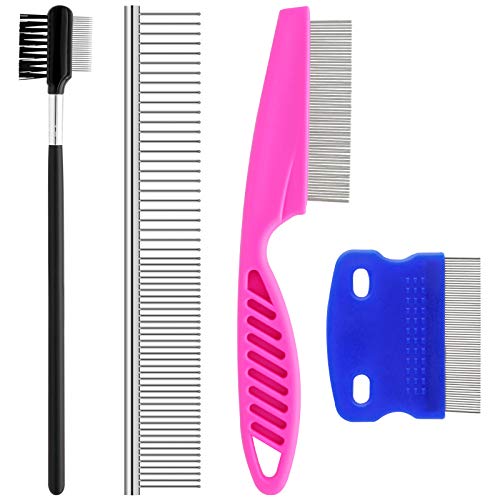
Grooming is essential for Poodles, regardless of size. Regular brushing is necessary to prevent matting, with frequency depending on the coat type. Standard Poodles require thorough grooming sessions several times a week, while Miniature and Toy Poodles need regular grooming to maintain their coats.
| Poodle Size | Grooming Frequency | Specific Needs |
|---|---|---|
| Standard Poodle | Several times a week | Regular bathing, trimming, and brushing |
| Miniature Poodle | Several times a week | Regular brushing, occasional trimming |
| Toy Poodle | Daily brushing | Frequent grooming sessions to prevent matting |
Understanding your Poodle’s grooming needs is crucial for maintaining its coat and overall health. Regular grooming not only enhances your Poodle’s appearance but also aids in early detection of potential health issues.
Temperament Across Different Poodle Sizes
Poodles, regardless of size, are celebrated for their exceptional temperament. This trait makes them a favorite among dog owners. Their temperament encompasses desirable qualities, making them excellent companions.
Sociable Nature and Family Compatibility
Poodles are sociable, fitting well into family environments. They are friendly, getting along with children and other pets, if socialized early. The American Society for the Prevention of Cruelty to Animals (ASPCA) emphasizes early socialization for a well-adjusted temperament.
They thrive on interaction, becoming integral to family activities. Teaching children to interact with Poodles gently is crucial for a harmonious household.
Intelligence and Trainability
Poodles rank high in canine intelligence rankings. Their intelligence level enhances their trainability, making them responsive to commands. Their eager-to-please nature further aids in their trainability.
Training a Poodle is rewarding, as they quickly learn and enjoy mental stimulation. Experts recommend positive reinforcement techniques, such as clicker training and reward-based obedience training.
Introversion vs. Extroversion in Poodles
While Poodles are sociable, individual personalities vary. Breeding, socialization, and temperament influence their introversion-extroversion spectrum.
| Trait | Standard Poodles | Miniature Poodles | Toy Poodles |
|---|---|---|---|
| Sociability | Highly sociable, great with families | Very sociable, adaptable to various living situations | Sociable, but may require more careful handling due to their small size |
| Intelligence | Highly intelligent, easy to train | Highly intelligent, responsive to training | Intelligent, but may be more challenging to train due to their small size and potential stubbornness |
| Trainability | Very trainable, excel in obedience and agility | Trainable, enjoy learning and pleasing their owners | Trainable, but consistency and patience are key |
In conclusion, Poodles of all sizes share a remarkable temperament. Their sociable nature, intelligence, and trainability make them cherished companions. Understanding these traits helps potential owners appreciate the joy of sharing their lives with a Poodle.
Lifespan and Health Considerations
Grasping the lifespan and health aspects of Poodles is critical for optimal care. Poodles, known for their longevity, exhibit varying lifespans based on size.
Average Lifespan by Size
The longevity of Poodles is size-dependent. Toy Poodles can live up to 15 years or more. Miniature Poodles generally live between 12-15 years. Standard Poodles, on the other hand, have an average lifespan of 12-14 years. The American Pet Products Association (APPA) highlights the importance of understanding these differences to tailor care for each Poodle size.
| Poodle Size | Average Lifespan |
|---|---|
| Toy Poodle | 15 years or more |
| Miniature Poodle | 12-15 years |
| Standard Poodle | 12-14 years |
Common Genetic Disorders
Poodles are susceptible to genetic disorders such as hip dysplasia, eye issues, and autoimmune diseases. Regular health screenings are imperative for early detection and management. The American Society for the Prevention of Cruelty to Animals (ASPCA) underscores the significance of responsible breeding in mitigating these genetic predispositions.
“Regular veterinary check-ups are crucial for maintaining the health of Poodles and detecting potential issues early.
Importance of Regular Vet Check-ups
Regular veterinary visits are indispensable for Poodle health maintenance. These visits facilitate early detection of health problems, ensuring Poodles receive timely care. The American Kennel Club stresses the necessity of regular vet visits for all breeds, including Poodles.
By comprehending the specific health needs and lifespan of Poodles, owners can deliver targeted care. This ensures their pets enjoy long, healthy lives.
Exercise and Activity Needs for Poodles
Exercise is crucial for Poodles, affecting their physical health and behavior. As an active breed, they require regular physical and mental stimulation. This prevents boredom and related problems.
Daily Exercise Requirements
Poodles need daily exercise, tailored to their size and age. Standard Poodles require strenuous activities like long walks or runs. In contrast, Toy Poodles need less intense exercise, such as short walks or playtime indoors.
The daily exercise needs for Poodles vary. A general guideline is 30 minutes for Standard Poodles, 20-30 minutes for Miniature Poodles, and 15-20 minutes for Toy Poodles.
Recommended Activities for Each Size
Different sizes of Poodles benefit from different activities. For Standard Poodles, activities like agility training, swimming, or long hikes are recommended. Miniature Poodles enjoy shorter versions of these activities, such as shorter walks or playtime in securely fenced areas. Toy Poodles benefit from gentle play indoors, such as fetch or interactive toys.
- Standard Poodles: Agility training, swimming, long hikes
- Miniature Poodles: Short walks, playtime in fenced areas, interactive games
- Toy Poodles: Gentle indoor play, fetch, interactive toys
The Impact of Exercise on Behavior
Regular exercise significantly impacts Poodle behavior. It prevents issues like destructive chewing or excessive barking, caused by boredom or excess energy. Exercise also improves a Poodle’s mental health, reducing stress and anxiety.
Incorporating various exercises into a Poodle’s daily routine ensures they remain happy, healthy, and well-behaved.
Nutrition for Poodles: What to Feed
Ensuring a well-balanced diet is paramount for Poodles, with their nutritional needs influenced by size, age, and activity level. The right nutrients are essential for their health and support their life stage, whether they are puppies, adults, or seniors.
Dietary Needs Based on Size
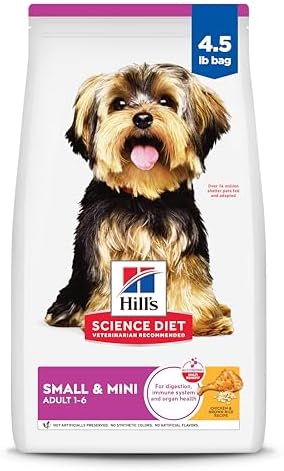
Poodles vary in size – Toy, Miniature, and Standard – each with distinct dietary requirements. Toy Poodles, being the smallest, necessitate nutrient-dense food to fuel their high metabolism. In contrast, Standard Poodles require a balanced diet that accommodates their larger size and potentially higher activity levels.
The dietary needs of Poodles can be categorized by size:
- Toy Poodles: Require high-quality, nutrient-rich food due to their fast metabolism.
- Miniature Poodles: Need a balanced diet that maintains their energy levels and supports their overall health.
- Standard Poodles: Benefit from a diet rich in proteins and moderate in fats to support their size and activity level.
Recommended Dog Food Brands
Selecting the appropriate dog food brand is crucial for meeting a Poodle’s nutritional needs. Recommended brands include:
- Orijen
- Acana
- Blue Buffalo
- Royal Canin
These brands offer a variety of formulas tailored to different life stages and sizes. This ensures that Poodle owners can find a suitable option for their pet.
Common Dietary Restrictions and Allergies
Poodles may have dietary restrictions and allergies, including food sensitivities and allergies to ingredients like beef, dairy, or soy. Identifying and managing these allergies is vital for maintaining their health and comfort.
Common signs of food allergies in Poodles include skin issues, digestive problems, and ear infections. If suspected, owners should consult with a veterinarian. They may recommend a dietary trial or hypoallergenic dog food.
Training Techniques for Poodles
Training a Poodle is a rewarding endeavor, thanks to their sharp intellect and enthusiasm. Their poodle intelligence level enables them to quickly learn commands and tasks. This makes them highly responsive to training efforts.
Basic Obedience Training
Basic obedience training is essential for any Poodle, regardless of size. It establishes a solid foundation for more complex training and strengthens the bond between dog and owner. Key elements include:
- Housebreaking
- Basic commands like “sit,” “stay,” and “come”
- Leash training
Positive reinforcement, such as treats and praise, is highly effective with Poodles.
Advanced Tricks and Activities
After mastering basic obedience, Poodles can learn advanced tricks and activities. Their intelligence and athleticism make them ideal for:
- Agility training
- Canine sports
- Complex tricks and commands
Participating in these activities mentally challenges the Poodle and provides essential physical exercise.
Socialization with Other Pets
Socialization is crucial for a Poodle’s training. It involves exposing them to various environments, people, and animals. This helps develop their poodle personality traits positively. Proper socialization prevents behavioral problems like fear or aggression.
Here is a summary of the key training aspects for Poodles:
| Training Aspect | Description | Benefits |
|---|---|---|
| Basic Obedience | Housebreaking, basic commands, leash training | Establishes a strong bond, foundational for advanced training |
| Advanced Training | Agility, canine sports, complex tricks | Mental and physical stimulation, enhances dog-owner relationship |
| Socialization | Exposure to various environments, people, and pets | Prevents behavioral issues, promotes a well-adjusted temperament |
Living Space and Environment Needs
Understanding the living space and environment needs of Poodles is crucial for their well-being and happiness. Poodles are adaptable dogs that can thrive in various living situations, from apartments to homes with yards, provided their specific needs are met.
Best Living Conditions for Poodles
Poodles generally require a living environment that offers a balance between comfort and activity. They need a space where they can rest, play, and exercise. The key to creating an ideal living condition is to ensure that the environment is safe, comfortable, and stimulating.
Comfort is crucial for Poodles, who are sensitive to their surroundings. They appreciate a quiet, cozy space for rest. A comfortable bed or crate in a quiet area of the home can serve as a retreat.
Space Requirements for Each Size
The space required for Poodles varies significantly with their size. Standard Poodles, being the largest, need more space to move around compared to Miniature and Toy Poodles. All sizes benefit from having some form of outdoor access for exercise and mental stimulation.
- Standard Poodles: Require more space due to their larger size; a home with a yard is ideal.
- Miniature Poodles: Can adapt to apartment living but still need regular exercise and mental stimulation.
- Toy Poodles: Can thrive in smaller spaces like apartments, with regular short walks and playtime.
Tips for Creating a Poodle-friendly Home
To create a Poodle-friendly home, consider the following tips:
- Provide a designated area for rest and relaxation.
- Ensure regular exercise and mental stimulation through activities and toys.
- Maintain a grooming routine to prevent matting and keep their coat in good condition.
- Secure your home by removing hazardous items and securing toxic substances.
By understanding and catering to the living space and environment needs of Poodles, owners can ensure their pets lead happy and healthy lives.


Common Myths about the Poodle Breed
Poodles, a breed widely recognized, are often misunderstood due to prevalent myths and stereotypes. Despite their popularity, misconceptions about Poodles persist, leading to misunderstandings about their needs and personalities.
Debunking Stereotypes
One prevalent myth is that Poodles are unsuitable for families with allergies. Yet, Poodles are known for their low-shedding coat, making them a viable option for households with allergy sufferers.
Another stereotype portrays Poodles as snobbish or aloof. In reality, Poodles are highly social dogs that thrive on interaction with their human family members. Their intelligence and trainability make them highly responsive to commands and social cues.
Misconceptions about Grooming Needs
Many believe that Poodles require excessive grooming due to their thick, curly coats. While it’s true that Poodles need regular grooming, this doesn’t necessarily mean it’s excessive. Regular brushing and periodic professional grooming can keep their coat in good condition.
A comparison of grooming needs among different Poodle sizes is provided in the table below:
| Poodle Size | Grooming Frequency | Cost of Grooming |
|---|---|---|
| Standard | Every 6-8 weeks | $60-$90 |
| Miniature | Every 6-8 weeks | $50-$80 |
| Toy | Every 4-6 weeks | $40-$70 |
Clarifying Temperament Misunderstandings
Poodles are often misunderstood as being unfriendly or aggressive. Yet, Poodles are known for their friendly, outgoing personalities. They are highly intelligent and trainable, making them excellent family pets when properly socialized.
Their temperament is often compared to that of other breeds in terms of sociability and intelligence. Key personality traits of Poodles include:
- High intelligence
- Loyal and loving nature
- Responsive to training
- Active and playful
By understanding the true characteristics of Poodles, potential owners can make informed decisions about bringing one into their family.
The Role of Poodles in Therapy and Service
Poodles are increasingly valued for their roles in therapy and service, thanks to their intelligence level and affectionate disposition. Their adaptability and capability render them an ideal choice for various forms of assistance and comfort.
Exceptional Trainability
Poodles stand out for their intelligence and ease of training, making them perfect for service roles. Their capacity to master complex commands and tasks is unmatched among many breeds. This exceptional trainability is a cornerstone of their success as therapy and service dogs.
Their trainability stems from their poodle intelligence level, enabling them to grasp and execute a broad spectrum of commands and tasks. Coupled with their eager-to-please demeanor, they are highly receptive to training.
The Benefits They Bring
Therapy Poodles offer numerous advantages to those in need, including comfort, emotional support, and companionship. Their presence can alleviate stress and anxiety, foster social interaction, and enhance overall well-being.
The advantages of having a therapy Poodle are diverse. They not only provide emotional solace but also stimulate socialization and can be trained to perform specific tasks to aid individuals with disabilities.
| Benefits of Therapy Poodles | Description |
|---|---|
| Emotional Comfort | Provide affection and emotional support to individuals in need. |
| Socialization | Encourage social interaction and help reduce feelings of loneliness. |
| Assistance | Can be trained to assist individuals with specific needs or disabilities. |
Thousands of medications for pets at the lowest prices online. Fast and free Rx approvals.
Save 10% on vet-trusted parasite protection from EntirelyPets Pharmacy. Get reliable solutions to prevent heartworm disease and control fleas and ticks while keeping your dog protected all year.

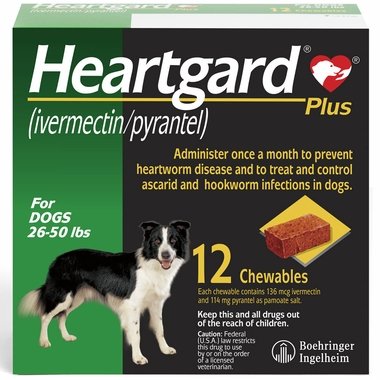
Stop Heartworm Before It Starts
Heartworm disease can be life-threatening for dogs and is transmitted through mosquito bites. Heartgard Plus provides monthly protection that helps prevent heartworm infection while also treating and controlling common intestinal worms.
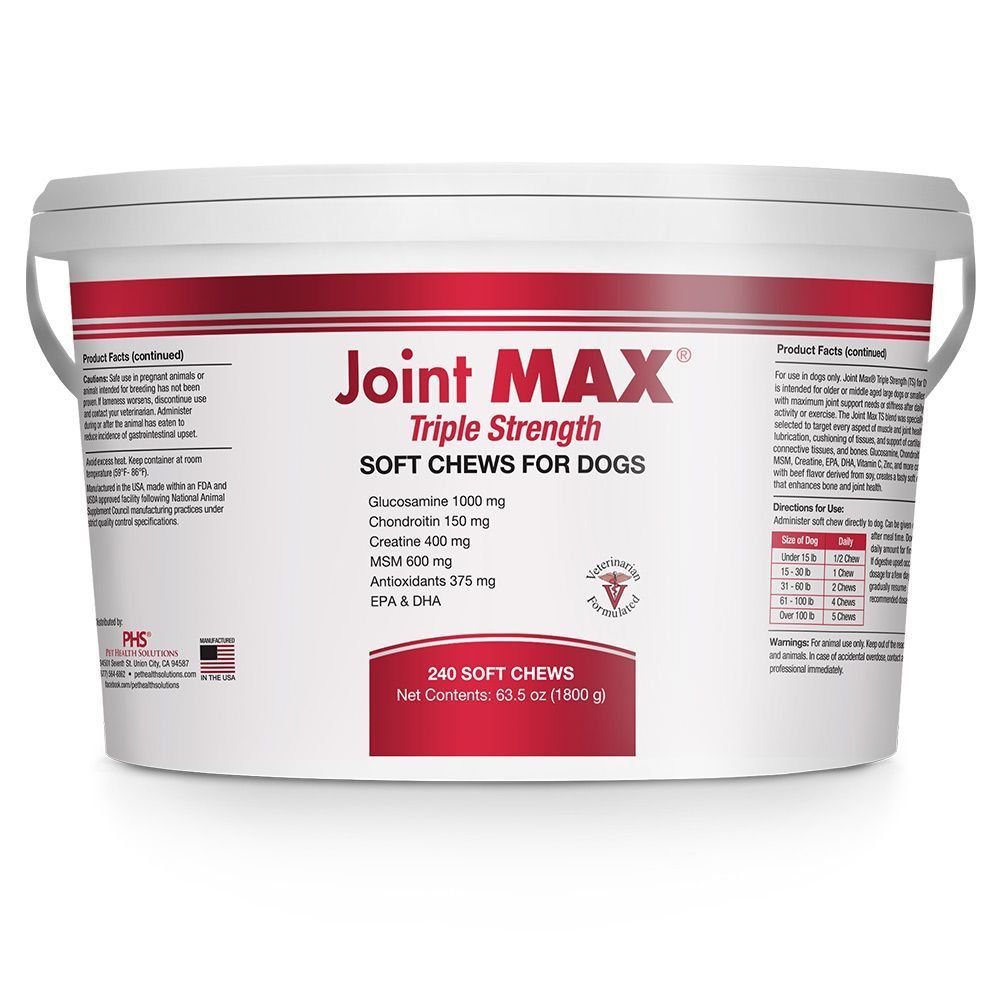
Joint MAX provides an advanced formula
with Glucosamine, Chondroitin, and MSM, designed to lubricate joints and improve overall mobility.
8 Months of Flea & Tick Defense
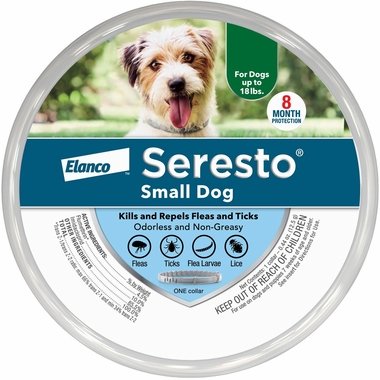
Fleas and ticks can cause skin problems and transmit diseases. Seresto provides continuous protection for up to 8 months, helping repel and kill parasites without messy monthly treatments.
Crave provides essential vitamins, minerals, and proteins
to boost energy levels and support a strong immune system.

Success Stories
Poodles have been pivotal in numerous therapy success stories, demonstrating their capacity to offer comfort and support in various environments, from hospitals to nursing homes.
The success of Poodles in therapy work underscores their poodle personality traits, including intelligence, loyalty, and affectionate nature. These attributes render them an invaluable asset in therapy and service roles.
Conclusion: The Unique Allure of Poodles
Poodles have captivated many with their distinct breed characteristics and various sizes. Their intelligence, trainability, and loving nature make them an excellent choice for families, individuals, and even therapy work.
Key Traits by Size
From the majestic Standard Poodle to the charming Toy Poodle, each size offers a unique set of traits. Understanding these differences is crucial for potential owners to make informed decisions.
Standing Out as Pets
Poodles stand out due to their low-shedding coat, high intelligence, and adaptability. Organizations like the American Society for the Prevention of Cruelty to Animals (ASPCA) and the American Pet Products Association (APPA) recognize the value of breeds like Poodles in enhancing human-pet bonds.
Choosing a Poodle
For those considering a Poodle as a pet, understanding their needs and characteristics is essential. With proper care and attention, Poodles can bring immense joy and companionship, making them a worthwhile addition to many families.
FAQ
How intelligent are Poodles compared to other popular dog breeds?
What are the primary differences between the different poodle sizes?
Where did the Poodle breed originally come from?
What are the essential poodle grooming requirements for their unique hair?
What are the typical poodle personality traits owners should expect?
Are there specific health issues associated with the Poodle breed?
How much exercise does a Poodle need daily?
Where can I find a Poodle available for adoption?
What should I feed my Poodle to ensure optimal health?
Why are Poodles often chosen for therapy and service work?
References:
This article was created based on information from the following authoritative sources: American Society for the Prevention of Cruelty to Animals (ASPCA) and American Veterinary Medical Association