If you’re a cat owner, you know that these furry friends are prone to all sorts of health problems. One of the most common issues that cats face is fungal infections. Fungal infections in cats can lead to serious health problems if they’re not addressed promptly. In this article, we’ll explore the different types of fungal infections that can affect cats, their causes, and effective solutions for treating and preventing them.
Fungal infections can affect any part of a cat’s body, including the skin, nails, and respiratory system. The most common types of fungal infections in cats include ringworm, cryptococcosis, and histoplasmosis. These infections can be particularly challenging to diagnose and treat, so it’s essential to work closely with your veterinarian to ensure your cat receives proper care.
There are many different causes of fungal infections in cats, including environmental factors, compromised immune systems, and close contact with infected animals. Preventive measures, such as maintaining good hygiene and minimizing exposure to contaminated environments, can greatly reduce the risk of fungal infections. Treatment options include topical antifungal creams, oral medications, medicated baths, and systemic antifungal medications in severe cases of fungal toxicosis.
Key Takeaways:
- Fungal infections are common in cats and can affect various parts of their bodies.
- Common types of fungal infections in cats include ringworm, cryptococcosis, and histoplasmosis.
- Prevention is key to avoiding fungal infections, and maintaining good hygiene and reducing exposure to contaminated environments can help.
- Treatment options include topical antifungal creams, oral medications, medicated baths, and systemic antifungal medications for severe cases of fungal toxicosis.
- If you suspect your cat has a fungal infection, it’s important to work closely with your veterinarian for proper diagnosis and treatment.
What Causes Fungus on Cats?
Fungal infections are common in cats and can be caused by a variety of factors. By understanding what triggers these infections, you can take preventive measures to protect your furry friend. Some of the most common causes of fungal infections in cats include:
- Environmental factors: Fungi thrive in warm, humid environments, making cats more susceptible to infections in damp, humid areas such as basements, bathrooms, and laundry rooms.
- Compromised immune systems: Cats with weakened immune systems from underlying conditions such as FIV or FeLV are at a higher risk of developing fungal infections.
- Close contact with infected animals: Cats living in multi-pet households or those who come into contact with infected animals in outdoor spaces are at risk of contracting fungal infections.
By taking steps to minimize your cat’s exposure to these triggers and promoting a healthy immune system, you can help reduce the risk of fungal infections in your feline companion.
Types of Cat Fungal Infections

Extra 5% Discount on All Orders
Why pay full price for quality? Ensure your pet gets the best with the lowest prices on genuine products and fast delivery. Use coupon code pcs5off at checkout to save even more!
Pet Care Supplies
Mon-Fri 9 AM – 5 PM CST
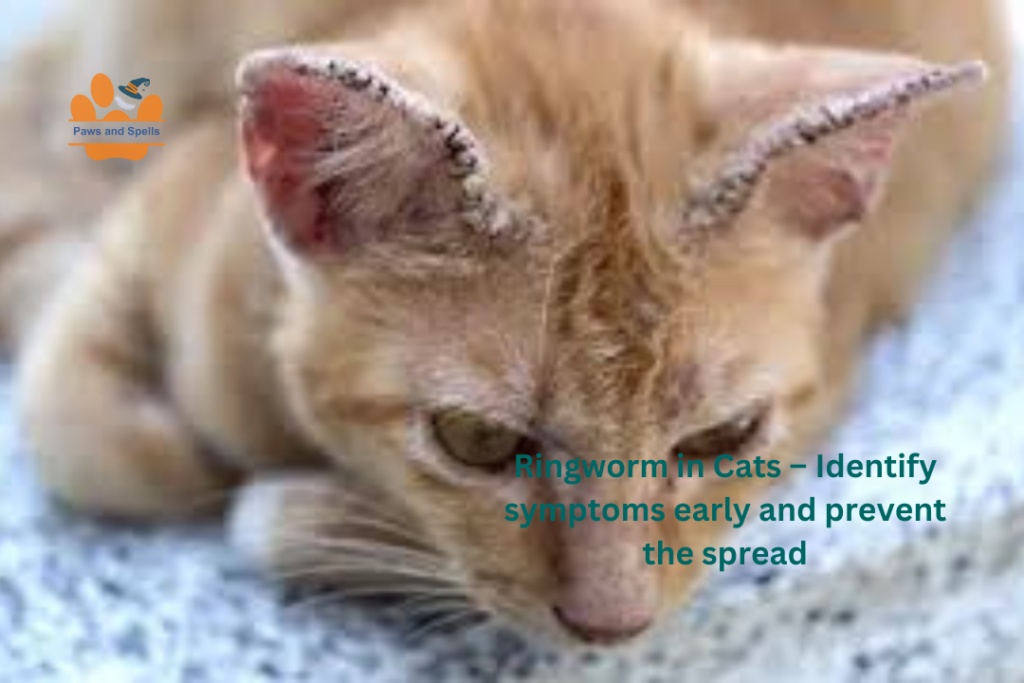
Among the various types of fungal infections that can affect cats, ringworm, cryptococcosis, and histoplasmosis are some of the most commonly diagnosed. Ringworm is a highly contagious fungal disease that affects the skin, fur, and nails of cats, often causing circular lesions and hair loss. Cryptococcosis is a systemic fungal infection that mainly affects the respiratory system and can lead to neurological problems if left untreated. Histoplasmosis is another systemic fungal infection that usually affects the lungs, causing respiratory issues and fever.
Diagnosing fungal infections in cats requires a thorough examination, including laboratory tests and imaging studies. Treatment options vary depending on the severity and type of infection and may range from topical and oral antifungal medications to more aggressive therapies, such as surgery and long-term medication.
Risk Factors for Fungal Infections in Cats
While cats of any age or breed can develop fungal infections, certain factors can increase their risk, such as:
- Immunocompromised conditions, such as FIV (feline immunodeficiency virus) and FeLV (feline leukemia virus)
- Living in high-humidity environments
- Poor hygiene and unsanitary living conditions
- Having contact with infected animals or contaminated soil
If you notice any signs of fungal infections in your cat, such as skin lesions, hair loss, or respiratory issues, it’s crucial to seek veterinary care promptly. With early diagnosis and treatment, most fungal infections in cats can be successfully managed, allowing your feline friend to stay healthy and happy.
Symptoms of Fungal Infections in Cats
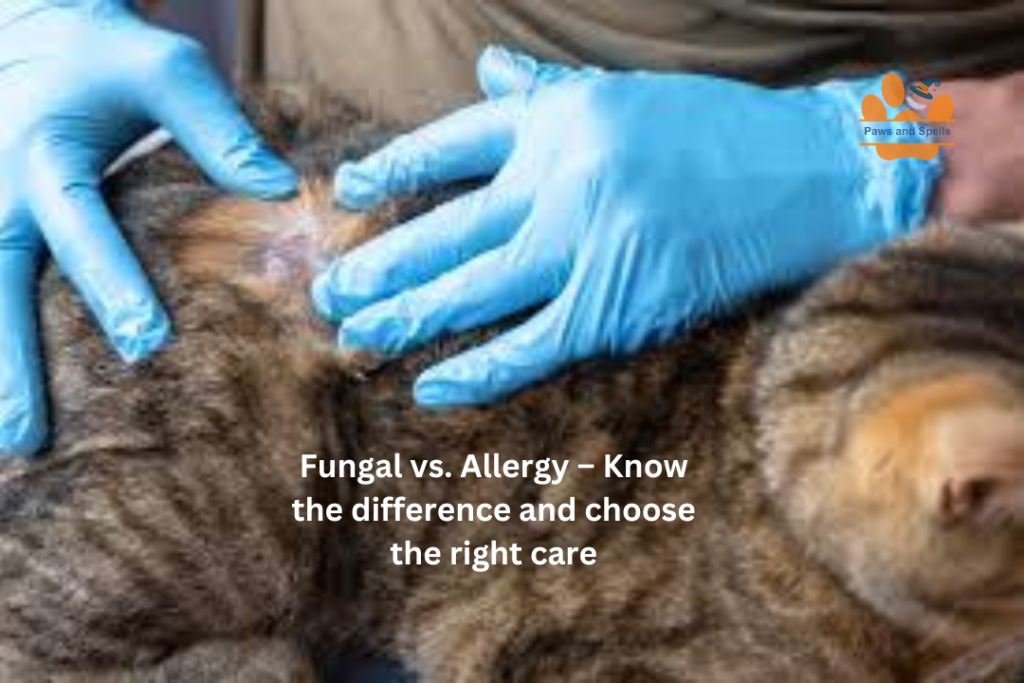
Recognizing the symptoms of cat fungal infections is crucial for early detection and prompt treatment. A fungal infection in cats can manifest in various ways, depending on the type of fungus and the affected area. Here are some common signs of fungal infections in cats to watch out for:
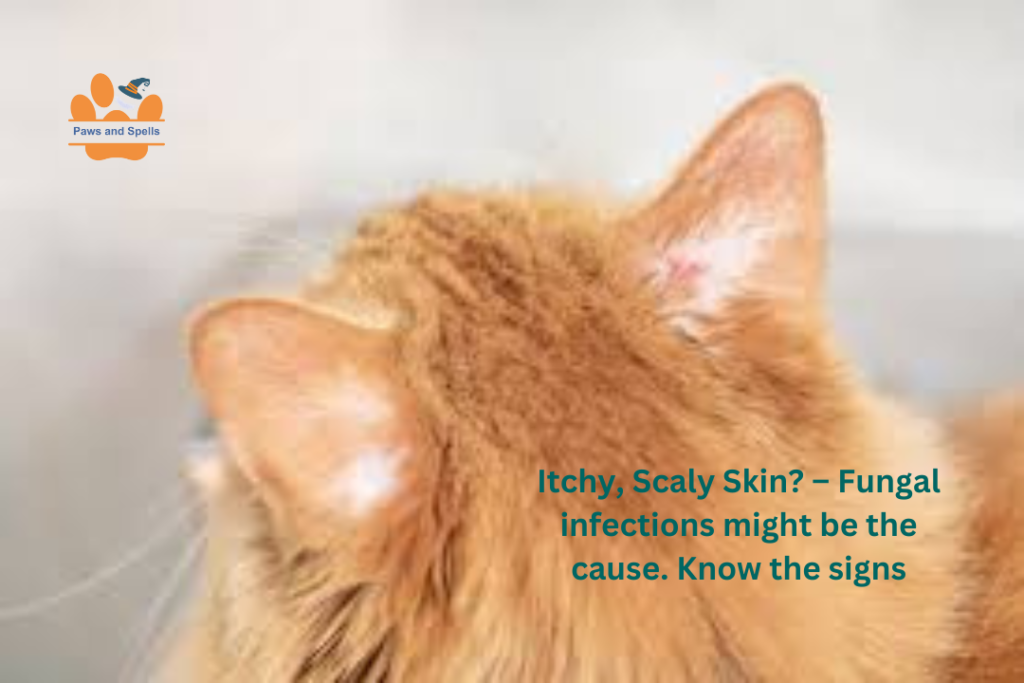
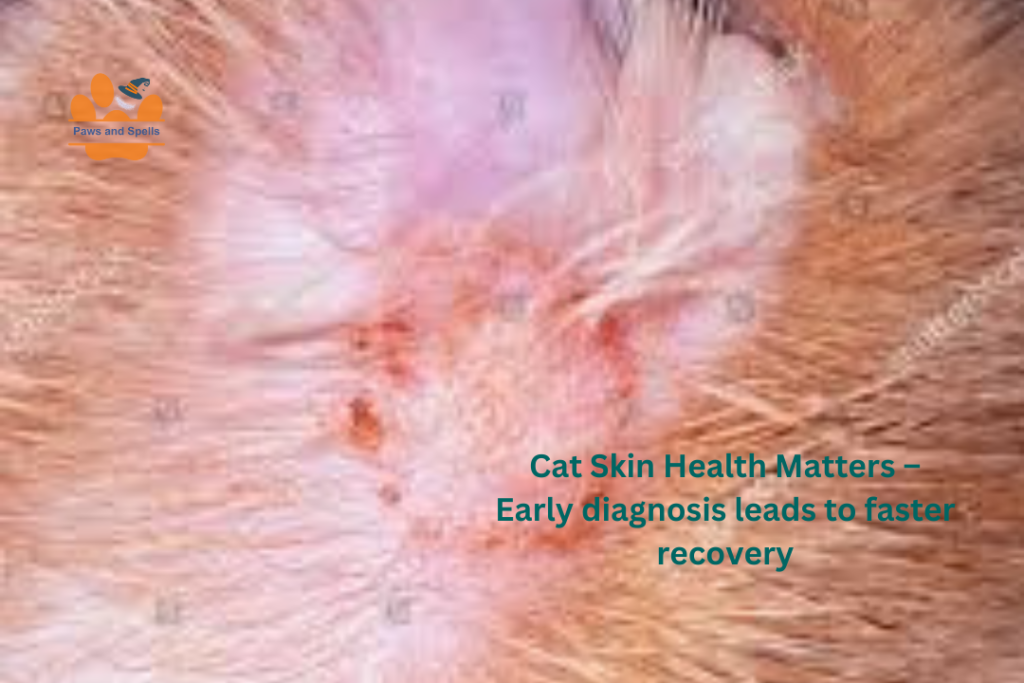
- Skin lesions or crusty bumps
- Hair loss or thinning
- Itching or excessive grooming
- Inflammation or redness
- Sneezing or nasal discharge
- Coughing or wheezing
- Decreased appetite or weight loss
- Lethargy or depression
If you notice any of these symptoms in your cat, it’s important to consult your veterinarian right away. Fungal infections in cats can be treated effectively with prompt and appropriate medical care, but if left untreated, they can lead to more severe complications.
Preventing Cat Fungal Infections
Prevention is key when it comes to fungal infections in cats. By following a few simple tips, you can help protect your feline friend from these infections:
- Maintain good hygiene by regularly grooming your cat and keeping their living spaces clean and dry.
- Minimize exposure to contaminated environments, such as soil or other animals’ fur, by keeping your cat indoors.
- Strengthen your cat’s immune system by providing a healthy diet full of essential nutrients and keeping up with regular vet check-ups.
It’s also important to keep an eye out for any symptoms of fungal infections in your cat, such as skin lesions or respiratory issues. Early detection and prompt treatment are key to successful recovery.


Treating Cat Fungal Infections
Cat fungal infections can be treated effectively with a combination of antifungal remedies and preventive measures. Consulting with a veterinarian is crucial in determining the best treatment plan for your feline friend. Here are the most effective antifungal treatment options:
Topical Antifungal Creams:
These antifungal creams are applied directly to the infected area. Topical treatments are effective against mild infections, such as ringworm.
Oral Medications:
In more severe cases, oral antifungal medication may be necessary. Your veterinarian may prescribe these medications for up to six weeks, depending on the type and severity of the infection.
Medicated Baths:
Medicated baths can help alleviate skin irritation and soothe the symptoms of fungal infections, especially those affecting the feet and nails. Medicated shampoos and rinse solutions can help reduce inflammation and promote hair regrowth.
It’s crucial to follow the prescribed dosage and schedule for any antifungal treatment. Failing to do so can result in recurring infections and resistance to antifungal medications. In addition to treatment, preventive measures such as maintaining proper hygiene and minimizing exposure to contaminated environments are essential for effectively treating and preventing fungal infections in cats.
Systemic Fungal Infections in Cats
Systemic fungal infections can be a severe form of fungal disease in cats. They occur when the fungi spread throughout the body, affecting multiple organs and systems. Systemic fungal infections are quite challenging to diagnose and treat, and if left untreated, can result in severe illness or even death.
Two common types of systemic fungal infections in cats are cryptococcosis and histoplasmosis. Cryptococcosis is caused by inhalation of yeast-like fungus present in contaminated soil, bird droppings, and rock crevices. Histoplasmosis, on the other hand, is associated with soil contaminated by bird or bat droppings.
If your cat experiences loss of appetite, fever, weight loss, coughing, or labored breathing, both types of infections could be present and veterinary attention is necessary right away. For a diagnosis, your vet may conduct various tests, including blood and urine tests, x-rays, biopsies, or culture samples of the affected organs.
Systemic Antifungal Medications
Treatment of systemic fungal infections typically involves the use of antifungal medications that can penetrate beyond the bloodstream and reach the infected organs. A cat specialist is the best professional to guide you through this process. These medications are more potent and often have more side effects than topical antifungal medications and may also be given orally or through injections. However, the use of systemic antifungal medications requires careful monitoring and collaboration with your veterinarian.
Supportive Care
Systemic fungal infections can be draining on the body, and cats with these infections may require supportive care to manage the complications associated with them. Treatments may involve fluid therapy, pain relief, kidney and liver function tests, and nutritional support. Ensuring that safe living conditions are provided, in addition to contacting your vet immediately upon noticing symptoms, are essential measures to safeguard your cat’s health.
Fungal Infections in Cats and Humans
While cat fungal infections are primarily a concern for our feline friends, some infections can be transmitted to humans. In particular, fungal infections of the skin, such as ringworm, are the most common type of zoonotic fungal infection in cats.
Cats can transmit fungal infections to humans through direct contact, such as petting or grooming an infected cat, or indirect contact, like touching contaminated objects or surfaces. People with compromised immune systems, young children, and the elderly are most at risk of contracting fungal infections from cats.
To prevent transmission, it’s important to practice good hygiene when handling and caring for your cat. Wash your hands thoroughly with soap and warm water after handling your cat or cleaning up after them. Keep your cat’s environment clean and disinfected, and avoid sharing personal items, such as towels or combs, with other animals or humans.
If you suspect you or a family member has been exposed to a fungal infection from your cat, seek medical attention promptly. Your doctor may recommend antifungal medication or other treatments, depending on the severity and type of infection.


Treating Cat Fungal Infections at Home
If your cat has been diagnosed with a fungal infection, there are a few natural remedies and home care strategies that may help speed up their recovery. However, it’s always important to consult with your veterinarian before trying any at-home treatments to ensure they are safe and effective for your cat.
1. Apple Cider Vinegar Bath
Apple cider vinegar has antifungal properties that may help relieve itching and inflammation caused by fungal infections. Dilute 1/2 cup of apple cider vinegar in one quart of warm water, and use a soft cloth to apply the mixture to your cat’s skin or affected area. Avoid getting the solution in their eyes or ears, and let it dry naturally.
2. Coconut Oil
Coconut oil is also known for its antifungal properties and can be applied directly to your cat’s skin or added to their food. Start with a small amount and gradually increase the dose over time. Coconut oil may help moisturize and soothe your cat’s skin, but it should not replace prescription medications or veterinarian-recommended treatments.
3. A Balanced Diet
Providing your cat with a balanced and nutritious diet can help boost their immune system and potentially prevent future fungal infections. Consider feeding them high-quality, protein-rich foods and avoid feeding them any table scraps or low-quality commercial cat food.
4. Clean Environment
Cleaning your cat’s living environment regularly can help prevent the spread of fungal infections. Vacuum carpets and furniture frequently, and wash their bedding in hot water. Additionally, be sure to dispose of any contaminated litter or waste properly.
While these home remedies may provide some relief, it’s important to remember that they should not substitute veterinary care. Fungal infections can be serious and require prompt treatment to avoid complications. Always consult with your vet before trying any at-home remedies or treatments.

- Fragrance-Free & Gentle: Specially crafted for pets with sensitive skin, short fur, or scent allergies. Our unscented fo…
- Tailored for Curly Coats: The ideal detangling solution for thick, curly, and long hair. This advanced leave-in formula …
- Frizz & Static Control: Long pet fur is highly prone to flyaways and static. Our lightweight conditioner coats each fine…
Understanding Fungal Toxicosis in Cats
Fungal toxicosis is a potentially life-threatening condition in cats that occurs when they ingest toxic substances produced by certain fungi. It is also known as mycotoxicosis, and it can affect cats of all ages, breeds, and genders. The condition is caused by mycotoxins, which are harmful compounds produced by some fungi that can cause organ damage and even death in cats.
Causes of Fungal Toxicosis in Cats
The most common cause of fungal toxicosis in cats is the ingestion of moldy food or garbage that contains fungal toxins. Exposure to contaminated soil, plants, or water can also cause this condition. It’s important to note that not all fungi produce toxins, and certain types of poisonous mushrooms can also cause fungal toxicosis if ingested by cats.
Symptoms of Fungal Toxicosis in Cats
Fungal toxicosis can cause a variety of symptoms in cats, including vomiting, diarrhea, loss of appetite, lethargy, seizures, and muscle tremors. In severe cases, cats may experience liver and kidney failure, coma, and even death. It’s essential to seek prompt veterinary care if you suspect your cat has ingested toxic substances or is displaying any of these symptoms.
Treatment of Fungal Toxicosis in Cats
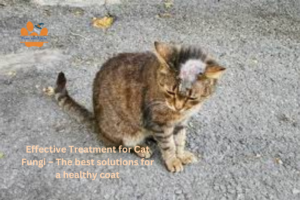
The treatment of fungal toxicosis in cats may involve hospitalization, supportive care, and medications to manage symptoms and reverse organ damage. Your veterinarian may administer intravenous fluids, antibiotics, and antifungal medications to treat the underlying infection. In some cases, surgery may be required to remove damaged or infected tissue. Prevention is key in avoiding fungal toxicosis in cats, so it’s important to ensure that your cat’s environment is kept clean and free of moldy food or other potential sources of fungal toxins.

Conclusion
In conclusion, cat fungal infections are a serious concern for pet owners and require prompt attention. From identifying the causes and types of fungal infections to recognizing the symptoms and seeking timely treatment, there are many ways to protect your cat’s health and well-being. By maintaining good hygiene, minimizing exposure to contaminated environments, and working closely with your veterinarian, you can help prevent and manage fungal infections in your feline companion.
It’s important to note that some cat fungal infections can be contagious to humans, so always take precautions and seek medical attention if you experience any symptoms. While home care strategies and natural remedies may complement veterinary treatments, it’s important to consult with your vet before trying any at-home treatments.
Ultimately, by staying informed and proactive, you can help your cat live a happy and healthy life free from the risks associated with fungal infections. We hope that this article has provided a comprehensive summary of cat fungus, including causes, types, and effective solutions for treating and preventing these infections.
FAQ
What causes fungus on cats?
What is the best fungal treatment for cats?
How can I protect my cat from fungus?
How do you treat fungal toxicosis in cats?
What is a systemic antifungal for cats?
How do you treat fungal diseases in animals?
How to treat cat fungus at home?
Is cat fungus contagious to humans?
Cat fungal infection skin treatment?
Cat fungus on humans?
Cat fungal infection to human treatment?
Is fungal infection in cats contagious?
What are the symptoms of fungal infections in cats?
What are systemic fungal infections in cats?

References:
This article was created based on information from the following authoritative sources: American Society for the Prevention of Cruelty to Animals (ASPCA) and American Veterinary Medical Association