Are you aware of the risks associated with scorpion venom in desert areas where your pets roam? As a dedicated pet owner, it’s essential to grasp the dangers posed by certain desert creatures, such as the Arizona Bark scorpion.
The American Pet Products Association (APPA) reveals that many pet owners are oblivious to the perils of desert living and the creatures that inhabit these regions. This guide aims to equip you with evidence-based information to protect your pets.
By grasping the risks and implementing preventive measures, you can create a safer environment for your pets. This detailed guide delves into the risks, prevention, and first aid for pets in desert living.
Key Takeaways
- Understand the risks associated with scorpion venom in desert areas.
- Learn preventive measures to safeguard your pets.
- Discover first aid techniques for scorpion stings.
- Explore the importance of awareness and education.
- Find resources for further guidance and support.
Understanding Scorpions and Their Venom
Scorpions have been integral to desert ecosystems for millions of years. Their venom is a critical aspect for pet owners to grasp. These arachnids possess a distinctive tail with a venomous stinger. They utilize this to capture prey and defend themselves.
What Are Scorpions?
Scorpions, belonging to the order Scorpiones, are ancient creatures. They are characterized by their elongated body, four pairs of legs, and a curved tail with a venomous barb. Scorpions are nocturnal, hiding in dark, moist areas during the day. They emerge at night to hunt.
Types of Scorpions Common in the U.S.
The United States hosts several scorpion species, with the bark scorpion being the most venomous in Arizona. Other common species include the striped bark scorpion and the devil scorpion. Each species exhibits unique characteristics and venom potency.
Characteristics of Scorpion Venom
Scorpion venom is a complex mixture of bioactive molecules, including neurotoxins that can affect the nervous system. The venom is designed to immobilize prey. Its composition varies among different scorpion species. For example, the bark scorpion’s venom contains powerful neurotoxins, causing severe pain, inflammation, and respiratory distress in pets.
How Venom Affects Different Animals
The impact of scorpion venom on animals depends on several factors, including size, age, and health status. Dogs, being more curious, are more likely to encounter scorpions and get stung. The venom can cause a range of symptoms, from mild pain and inflammation to severe respiratory distress. Cats, while less likely to be stung, can also experience significant health issues if they are stung.
| Animal | Symptoms of Scorpion Sting | Severity |
|---|---|---|
| Dogs | Pain, inflammation, restlessness, vomiting | Moderate to Severe |
| Cats | Pain, agitation, excessive salivation | Mild to Moderate |
| Small Pets (e.g., rabbits, guinea pigs) | Severe pain, difficulty breathing, lethargy | Severe |
Understanding these differences is critical for pain management and providing appropriate care to pets that have been stung.

Extra 40% Discount on All Orders
Why pay full price for quality? Want the VIP treatment for your pet? Join PetCare+ now to solve the problem of recurring costs with a massive 40% OFF, plus exclusive free gifts and free shipping on every order.
Pet Care Supplies
Mon-Fri 9 AM – 5 PM CST
Risks Posed by Scorpions to Pets
Scorpions in desert environments pose a significant threat to pets, requiring awareness and preventive actions. These nocturnal creatures can remain undetected until they pose a danger. It is essential for pet owners in scorpion-prone areas to understand the risks they present.
Common Symptoms of Scorpion Stings in Pets
Recognizing symptoms of a scorpion sting in pets is critical. Symptoms include pain, swelling, and redness at the sting site. Systemic symptoms such as vomiting, diarrhea, and lethargy can also occur. In severe cases, scorpion stings can lead to respiratory distress or cardiac issues in pets.
Identifying Scorpion Sting Symptoms:
- Pain or swelling at the sting site
- Redness or inflammation
- Vomiting or diarrhea
- Lethargy or restlessness
- Respiratory or cardiac issues in severe cases
How Sharp and Evolving a Scorpion’s Venom
Scorpion venom is a complex mixture of bioactive molecules, including proteins and peptides. These components can cause pain, inflammation, and systemic effects. The venom’s potency and composition vary significantly between species. For example, the venom of the bark scorpion is highly toxic to mammals.
Factors Influencing Severity of Stings
The severity of a scorpion sting is influenced by several factors. These include the scorpion species, the amount of venom injected, and the pet’s individual sensitivity. Younger pets or those with pre-existing health conditions may be more susceptible to the adverse effects of scorpion venom.
| Factor | Influence on Sting Severity |
|---|---|
| Scorpion Species | Some species, like the bark scorpion, have more potent venom. |
| Amount of Venom Injected | More venom can lead to more severe symptoms. |
| Pet’s Sensitivity | Pets with pre-existing conditions or younger pets may be more affected. |
Understanding these factors and recognizing symptoms of scorpion stings is vital. Pet owners can take prompt action to ensure their pets receive necessary care. Ensuring pet safety, specially at night when scorpions are most active, is key to preventing encounters.
Preventative Measures for Pet Owners
In desert regions, pet owners must proactively protect their pets from scorpion encounters. Scorpion prevention is vital for pet care, given the presence of species like the Arizona Bark Scorpion. This is a critical aspect of maintaining a safe environment for your pets.
Creating a Scorpion-Free Home Environment
To safeguard your pets, creating a scorpion-free home environment is essential. This entails sealing all entry points around your residence, including cracks in walls, windows, and doors. It’s also imperative to remove clutter and debris from both inside and around the house. Scorpions often seek refuge in dark, undisturbed areas.
Utilizing scorpion-proof containers for pet food and water can also serve as a deterrent. Regular cleaning and inspections of these areas can prevent scorpion infestations.
Natural Deterrents and Repellents
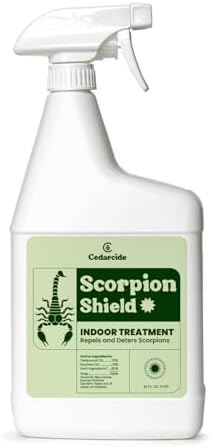
Several natural deterrents can repel scorpions from your home. Lavender and tea tree oil are known to repel scorpions. Using these oils in diffusers or applying them around your home’s perimeter can be effective. Planting scorpion-repellent plants like lavender or rosemary around your yard can also help keep scorpions at bay.
Seasonal Precautions for Pets
Understanding scorpion behavior by season is key to taking appropriate precautions. During peak summer months, scorpions are more active, posing a higher risk of encounters. Regularly inspecting your pet’s areas, both indoors and outdoors, can help identify scorpion habitats.
It’s advisable to check your pets frequently for scorpion stings, mainly after they’ve been outdoors. Vigilance during peak scorpion season can significantly reduce the risk of scorpion stings.
Recognizing Scorpions in Your Area
Understanding scorpion habitats and characteristics is vital for reducing pet sting risks. Scorpions inhabit diverse environments, making it essential to be aware of their presence for pet safety.
Identifying Scorpion Habitats
Scorpions seek shelter and moisture, often found under rocks, logs, and debris. They thrive in dark, undisturbed spots around homes and yards. Recognizing these habitats aids in scorpion identification and avoidance.
- Rock piles and stone walls
- Underneath logs and bark
- Debris and rubble
- Dark corners and crawl spaces
Scorpions are drawn to moisture, making areas with standing water or high humidity more likely to have them. Their venom, rich in neurotoxins, immobilizes prey and poses a risk to pets.
Best Practices for Scorpion Awareness
Pet owners can minimize scorpion sting risks by following best practices. Wear gloves when handling rocks or logs, inspect pet areas for scorpions, and use a black light at night to detect them. Scorpions glow under UV light.
- Wear protective gloves when outdoors.
- Inspect pet areas regularly for scorpions.
- Use black lights at night to detect scorpions.
Proactive measures enhance pet safety and lower the chance of scorpion encounters.
Tools for Monitoring Scorpion Activity
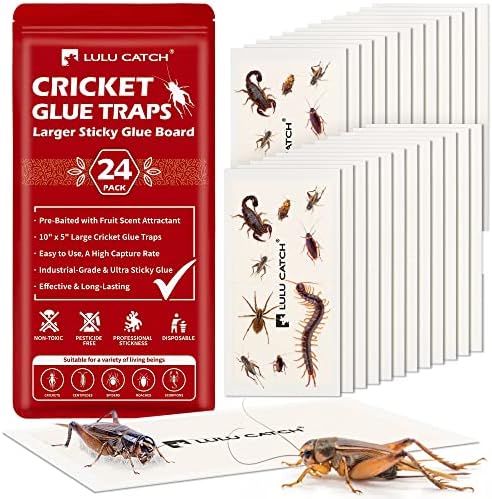
Tools like scorpion traps and monitoring devices help track scorpion activity. These tools provide insights into local scorpion populations.
The American Pet Products Association (APPA) emphasizes the importance of pet owners being aware of hazards. Knowledge of scorpion habitats combined with the right tools ensures a safer environment for pets.
“The key to preventing scorpion stings is awareness and preparation. By understanding where scorpions are likely to be found and taking steps to monitor their activity, pet owners can protect their pets.” – ASPCA

First Aid for Pet Scorpion Stings
When your pet is stung by a scorpion, it’s vital to remain calm and act swiftly. Scorpion stings can inflict considerable pain and distress on pets. Though most stings are not life-threatening, some can escalate into serious complications.
Immediate Steps to Take
Staying calm is the first step in assisting your pet. Panic can exacerbate the situation, causing undue stress for both you and your pet. Keep your pet calm and motionless to slow venom spread. Also, remove any tight items like collars to avoid further irritation.
The American Society for the Prevention of Cruelty to Animals (ASPCA) emphasizes the importance of identifying the scorpion, if safe to do so. This helps veterinarians gauge the sting’s severity.
“Remaining calm is critical when facing a scorpion sting. The pet’s stress level can directly influence the sting’s severity.”
Recommended Veterinary Care
Following initial first aid, seeking veterinary care is imperative. A vet can evaluate the sting’s severity and administer appropriate treatment. This may include pain management medication and monitoring for systemic symptoms.
| Symptom | Veterinary Action |
|---|---|
| Pain and Swelling | Administer pain relief medication |
| Systemic Symptoms (e.g., difficulty breathing) | Provide supportive care, monitor vital signs |
When to Seek Emergency Help
Not all scorpion stings necessitate emergency care. Yet, certain symptoms signal the need for immediate veterinary attention. If your pet exhibits respiratory distress, cardiac issues, or severe pain, seek emergency care without delay.
- Difficulty breathing or rapid breathing
- Vomiting or diarrhea
- Restlessness or agitation
In summary, while scorpion stings can be distressing, knowing the appropriate first aid can greatly enhance your pet’s recovery. Always consult a veterinarian post-sting to ensure your pet receives the required care.
Scorpion Control Methods
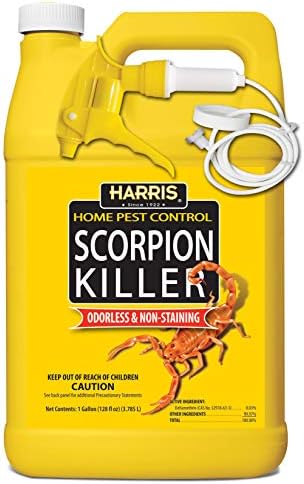
Scorpion control necessitates a multifaceted strategy, encompassing professional interventions, DIY tactics, and sustained upkeep. This approach is imperative for pet safety, given the high prevalence of scorpions in desert environments.
Professional Pest Control Solutions
Professional pest control services are often the most effective means to combat scorpion infestations. These experts employ specialized tools and methodologies to pinpoint and eradicate scorpion habitats. The American Pet Products Association (APPA) highlights that professional pest control significantly diminishes the risk of pets encountering harmful pests, such as scorpions.
- Expert identification of scorpion habitats
- Targeted treatment plans
- Preventative measures to avoid re-infestation
DIY Scorpion Traps and Safe Removal
For those inclined towards a hands-on method, DIY scorpion traps can serve as a valuable adjunct. These traps, often featuring a sticky surface or bait that attracts scorpions, require careful handling to prevent stings.
- Using sticky traps near scorpion habitats
- Employing UV light traps, as scorpions glow under UV light
- Sealing entry points to prevent scorpion entry into homes
Maintaining a Long-Term Scorpion-Free Space
Ensuring a scorpion-free environment necessitates consistent inspections and upkeep. This entails the removal of clutter, debris, and standing water, which may attract scorpions. The American Society for the Prevention of Cruelty to Animals (ASPCA) stresses the critical role of a clean, well-maintained home in averting pest infestations.
Strategies for long-term scorpion control include:
- Regular yard cleanups to remove scorpion habitats
- Sealing all cracks and crevices around homes
- Installing door sweeps to prevent scorpion entry

Extra 5% Discount on All Orders
Why pay full price for quality? Ensure your pet gets the best with the lowest prices on genuine products and fast delivery. Use coupon code pcs5off at checkout to save even more!
Pet Care Supplies
Mon-Fri 9 AM – 5 PM CST
The Role of Pet Behavior in Scorpion Encounters
Pet behavior significantly influences the likelihood of scorpion encounters. Pets, often driven by high energy and curiosity, may inadvertently provoke scorpions. This interaction can lead to encounters with these creatures.
Understanding Natural Instincts of Pets
Pets, and dogs in particular, exhibit natural hunting instincts. These instincts can prompt them to investigate and sometimes provoke scorpions. For pet owners residing in areas like Arizona, where the Arizona Bark Scorpion is prevalent, understanding these instincts is essential.
Pets are naturally curious, a trait that can sometimes lead to trouble. For example, a dog might seek out a scorpion hiding under a rock or in a cluttered area. Recognizing these tendencies is key to preventing such encounters.
Training Pets to Avoid Scorpion Areas
Training pets to steer clear of scorpion habitats is a proactive measure to reduce sting risks. This involves teaching pets to avoid rocky or debris-filled areas, which are scorpion hotspots, during their most active hours at night.
The American Society for the Prevention of Cruelty to Animals (ASPCA) emphasizes the importance of training pets to respond to commands and remain close to their owners. This training can significantly lower the risk of unwanted encounters with scorpions.
Monitoring Playtime Outdoors
It is imperative to closely monitor pets during outdoor play, a time when scorpions are most active. Utilizing a light to detect scorpions can aid in identifying areas of risk.
Keeping outdoor spaces clean and free of clutter is also advisable. This reduces scorpion hiding spots. Combining vigilant monitoring with a clean environment can effectively minimize the risk of scorpion encounters.
| Prevention Strategy | Description | Effectiveness |
|---|---|---|
| Training Pets | Training pets to avoid scorpion habitats | High |
| Monitoring Outdoors | Vigilant monitoring during outdoor play | High |
| Cleaning Yard | Keeping outdoor areas clean and clutter-free | Medium |
Educating Others About Scorpion Safety
By educating others about scorpion safety, you can prevent life-threatening encounters between pets and scorpions. This education is vital in areas where scorpions are common. It empowers pet owners with the knowledge to protect their pets.
Sharing Information with Fellow Pet Owners
Sharing information through online forums, social media groups, and local pet communities is an effective way to spread awareness. Organizations like the American Society for the Prevention of Cruelty to Animals (ASPCA) and Best Friends Animal Society offer valuable resources. These can be shared to educate others.
Pet owners can exchange tips on identifying scorpion habitats, recognizing sting signs, and preventive measures. This exchange helps in safeguarding homes and yards.
Community Resources for Scorpion Awareness
Community resources are essential for scorpion safety education. Local animal welfare organizations, veterinary clinics, and community centers can host or distribute awareness campaigns. They provide guidance on scorpion identification and safety tips through brochures, posters, and digital content.
For example, Rescue Me and Save-A-Pet USA often distribute educational materials. These materials help raise awareness about pet safety issues, including scorpion stings.
Hosting Informational Events
Hosting workshops, seminars, or informational events is another effective method. These can be organized with local veterinarians, pet stores, or animal shelters. Experts can share knowledge on scorpion behavior, venom effects (including neurotoxins), and treating stings.
Such events create a platform for education and discussion. They empower pet owners to become more informed and proactive in protecting their pets from scorpion encounters.

Legal and Health Considerations
Pet owners must be aware of the legal and health implications associated with scorpion control. Familiarizing oneself with local regulations is essential, as these can vary significantly. For instance, some areas may require professional pest control services for effective scorpion control.
Regulations and Risks
Understanding local regulations on scorpion control is vital. The American Society for the Prevention of Cruelty to Animals (ASPCA) and local animal welfare organizations often provide guidelines on managing scorpion populations. Health risks associated with scorpion venom include severe pain, inflammation, and systemic symptoms, necessitating prompt veterinary care for pets.
Pain Management and Insurance
Effective pain management is critical for pets stung by scorpions. Pet owners should work closely with their veterinarians to develop a pain management plan. Reviewing insurance policies to understand coverage for scorpion stings can help mitigate financial burdens. Organizations like the American Pet Products Association (APPA) offer resources on pet insurance and health care.
By staying informed about scorpion control, health risks, and pain management, pet owners can better protect their pets. This knowledge, combined with awareness of local regulations and insurance considerations, empowers pet owners to provide the best possible care for their pets in scorpion-prone areas.
FAQ
What are the most common symptoms of a scorpion sting in pets?
How can I prevent scorpion encounters with my pets?
What should I do if my pet is stung by a scorpion?
Are there any specific precautions I should take during peak summer months?
Can I use DIY scorpion traps to control scorpion populations?
How can I educate others about scorpion safety?
What are the health risks associated with scorpion venom, and how can I mitigate them?

References:
This article was created based on information from the following authoritative sources: American Society for the Prevention of Cruelty to Animals (ASPCA), ASPCA Animal Poison Control Center, and Merck Veterinary Manual.