Socializing puppies during their critical periods is essential for their development into well-adjusted adult dogs. The American Society for the Prevention of Cruelty to Animals (ASPCA) highlights the significance of socialization in shaping a puppy’s behavior and confidence.
Exposure to various environments, people, and other animals during this period is critical. It significantly impacts a puppy’s ability to interact confidently and calmly in new situations. Rescue organizations, such as Rescue Me and Best Friends Animal Society, underscore the importance of early socialization. They aim to help puppies overcome behavioral challenges.
Key Takeaways
- Socialization is critical for puppies to become well-adjusted adult dogs.
- Proper exposure during critical periods enhances confidence.
- Rescue organizations stress the importance of early socialization.
- Socialization helps puppies overcome behavioral challenges.
- Confidence built through socialization leads to better-adjusted adult dogs.
Understanding Puppy Socialization and Its Importance
Socialization is essential for a puppy’s development, influencing their confidence, behavior, and overall well-being. The American Pet Products Association (APPA) highlights its critical role during a puppy’s developmental stages.
Why Socialization Matters for Puppies
Socialization is vital as it introduces puppies to diverse environments, people, and animals. This exposure helps them become confident and calm in unfamiliar settings. Positive interactions during this period are critical, shaping their ability to interact with their surroundings and respond to various stimuli.
The benefits of socialization include:
- Reduced fear and anxiety in new situations
- Improved behavior and obedience
- Enhanced ability to interact with people and other animals
- Better adaptation to new environments
Developmental Stages of Puppies
Puppies undergo several developmental stages, with socialization being most critical in the first 16 weeks. During this time, they are most receptive to new experiences, and their brains are wired to absorb and process information rapidly.
The key developmental stages include:
- Neonatal Period (0-2 weeks): Puppies are most sensitive to their environment and begin to develop their senses.
- Transition Period (2-4 weeks): Puppies start to interact with their littermates and environment.
- Socialization Period (4-12 weeks): This is the most critical period for socialization, where puppies learn to interact with people, other animals, and new environments.
- Fear Imprint Period (8-11 weeks): Puppies may develop fears if exposed to negative experiences.
Long-Term Effects of Socialization
The long-term effects of proper socialization are profound. Well-socialized puppies grow into confident, calm, and well-adjusted adult dogs. They are less likely to develop behavioral problems, such as fear aggression or anxiety disorders.
According to the American Society for the Prevention of Cruelty to Animals (ASPCA), socialization is key to preventing behavioral issues in dogs. By investing time and effort into socializing a puppy, owners can significantly improve their dog’s quality of life and strengthen their bond.
The Critical Periods for Puppy Socialization
The early weeks of a puppy’s life are critical for socialization, setting the stage for future behavior. During this time, puppies are most open to new experiences, people, and environments. The ASPCA’s research indicates that the critical period for puppy socialization is between 8 and 11 weeks old. It is a period where puppies are most receptive to new experiences without fear.
Key Ages for Socialization
Puppy socialization spans several developmental stages, not just one age. The primary socialization period is between 3 and 14 weeks of age, with the most critical period being between 8 and 11 weeks. It is essential to expose puppies to various stimuli during this time, including different people, other animals, and new environments.
According to the American Society for the Prevention of Cruelty to Animals (ASPCA), puppies not exposed to various environments and experiences during this period may develop fear or anxiety issues later in life. A study by the ASPCA emphasizes the importance of gentle, positive exposure to new experiences to prevent future behavioral problems.
“Socialization is not just about exposing puppies to new things, but doing so in a way that is positive and not overwhelming.” – ASPCA
Signs of a Fully Socialized Puppy
A fully socialized puppy is confident and calm in new situations and around new people and animals. Signs of a well-socialized puppy include:
- Confidence in new environments
- Friendliness towards strangers
- Calmness in the presence of loud noises or new objects
- Ability to interact appropriately with other dogs and animals
The following table summarizes the key characteristics of a fully socialized puppy versus one that may need more socialization:
| Characteristics | Fully Socialized Puppy | Puppy Needing More Socialization |
|---|---|---|
| Reaction to Strangers | Friendly and curious | Fearful or aggressive |
| Response to New Environments | Confident and exploratory | Anxious or hesitant |
| Interaction with Other Dogs | Playful and appropriate | Avoidant or aggressive |
Understanding the critical periods for puppy socialization and recognizing the signs of a fully socialized puppy is essential. This knowledge helps owners and rescue organizations support puppies’ development into well-adjusted adult dogs.
Identifying Your Puppy’s Socialization Needs
Every puppy has unique socialization needs that must be addressed for optimal growth. Understanding these needs is critical for developing a well-adjusted adult dog. The Best Friends Animal Society emphasizes the importance of assessing a puppy’s temperament to grasp their socialization requirements.
Socialization is not a one-size-fits-all solution; it necessitates a tailored approach based on the puppy’s individual temperament and behavioral characteristics.
Assessing Your Puppy’s Temperament
Assessing your puppy’s temperament involves observing their reactions to various stimuli, including people, other animals, and different environments. This assessment aids in identifying areas where your puppy may need more socialization.
- Observe your puppy’s behavior in new environments.
- Note their reactions to strangers and other animals.
- Assess their comfort level with different textures, sounds, and smells.
Common Behavioral Issues Due to Lack of Socialization
A lack of proper socialization can lead to various behavioral issues in puppies, including fear aggression, anxiety, and excessive barking. Understanding these issues can help you take proactive steps to mitigate them.
| Behavioral Issue | Cause | Solution |
|---|---|---|
| Fear Aggression | Insufficient exposure to strangers | Gradual exposure to new people |
| Anxiety | Lack of environmental variety | Increased environmental enrichment |
| Excessive Barking | Inadequate socialization to noises | Desensitization to various sounds |
By understanding and addressing your puppy’s socialization needs, you can help prevent these common behavioral issues and raise a well-adjusted, happy dog.
Environments for Effective Puppy Socialization
Creating the right environments for puppy socialization is essential for their development into well-adjusted adult dogs. According to Save-A-Pet USA, a safe and welcoming environment at home is vital for effective puppy socialization. This involves not just the physical space but also the experiences and interactions within that space.
Home Setup for Socialization
Setting up your home to facilitate socialization involves creating a space that is both comfortable and stimulating for your puppy. This can include introducing various textures, sounds, and smells to help your puppy become desensitized to potentially startling stimuli. For example, you can play recordings of loud noises, such as thunderstorms or fireworks, at a low volume to help your puppy get used to the sounds.
Key elements to include in your home setup:
- Variety of toys and chews to keep your puppy engaged
- Different surfaces and textures for your puppy to explore
- Opportunities for social interaction with family members and other pets
Exploring New Places Safely
Once your puppy is comfortable at home, it’s essential to gradually introduce them to new places. This could include parks, pet stores, and friend’s homes. When exploring new places, it’s vital to ensure your puppy’s safety by keeping them on a leash or in a controlled area until they are fully vaccinated.
“Socialization is not just about exposing your puppy to new environments; it’s also about making those experiences positive and enjoyable.”
By carefully selecting the environments to which your puppy is exposed, you can help them develop into confident, well-adjusted dogs. Remember, the goal is to make these experiences positive and enjoyable for your puppy.
Introducing Puppies to Other Dogs
Introducing puppies to other dogs requires careful consideration of compatibility and supervision. This process is essential for their socialization and significantly impacts their behavioral development.
Choosing Compatible Playmates
Choosing the right playmates for your puppy is critical. The American Society for the Prevention of Cruelty to Animals (ASPCA) suggests introducing puppies to calm, well-behaved, and vaccinated dogs. Ensuring compatibility prevents negative experiences that could lead to fear or aggression.
The ASPCA emphasizes the importance of introducing puppies to other dogs with caution. Compatible playmates and supervised playtime are key to creating a positive environment for socialization.
| Characteristics of Compatible Playmates | Benefits for Puppy Socialization |
|---|---|
| Calm and Well-Behaved Dogs | Reduces the risk of negative experiences |
| Vaccinated Dogs | Ensures health safety for the puppy |
| Dogs of Similar Size and Energy Level | Promotes healthy play and reduces the risk of injury |
Supervised Playtime Guidelines
Supervision is essential during playtime to ensure positive interactions. Follow these guidelines:
- Start with introductions in neutral areas to avoid territorial behavior.
- Monitor body language; if either dog shows signs of stress or aggression, intervene promptly.
- Keep the initial interactions brief to prevent overwhelming the puppy.
- Reward calm behavior with treats and praise to reinforce positive interactions.
As noted by the Best Friends Animal Society, “Positive reinforcement is critical in the socialization process. Rewarding good behavior helps in shaping a well-adjusted and confident puppy.”
“Positive reinforcement is critical in the socialization process. Rewarding good behavior helps in shaping a well-adjusted and confident puppy.” – Best Friends Animal Society
By selecting compatible playmates and following supervised playtime guidelines, you can enhance your puppy’s socialization experience. This not only aids in developing good behavior but also strengthens the bond between you and your puppy.
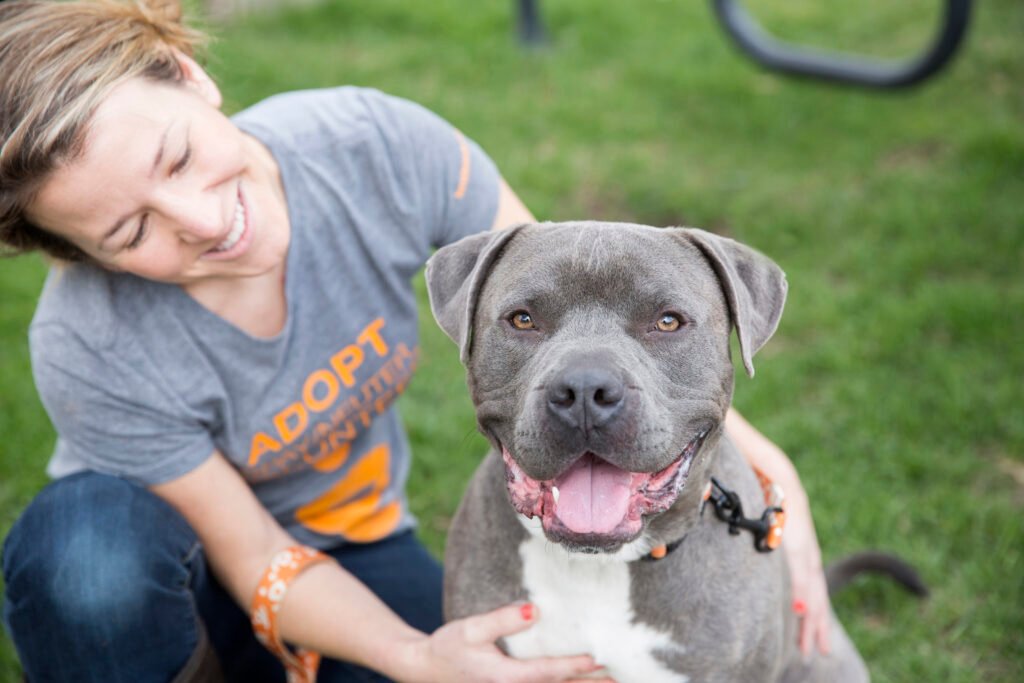
Provide Food and Safety
Help organizations like Best Friends provide the essentials: nutritious food, warmth, and a place to belong.
Socializing with People
Effective socialization with people is key to raising puppies that are friendly, outgoing, and not fearful or aggressive. Socializing puppies with various individuals helps them become confident and calm in new situations. This is critical for their development into well-adjusted adult dogs.
Safe Interactions with Strangers
Introducing puppies to strangers is an essential part of their socialization. It’s vital to ensure these interactions are safe and positive to avoid creating fear or anxiety. According to the American Society for the Prevention of Cruelty to Animals (ASPCA), gradual exposure to various people, starting from a young age, can significantly impact a puppy’s ability to interact calmly with strangers.
To facilitate safe interactions, it’s recommended to:
- Start with small, controlled environments.
- Use positive reinforcement techniques, such as treats and praise.
- Gradually increase the number of strangers and the variety of environments.
Teaching Appropriate Greetings
Teaching puppies how to greet people appropriately is a critical aspect of their socialization. Puppies need to learn not to jump up or bark excessively when greeting strangers. Instead, they should be encouraged to behave calmly and politely.
One effective method is to teach puppies to sit on command before greeting them. This can be achieved through consistent training and positive reinforcement. The Rescue Me initiative emphasizes the importance of such training in helping rescue puppies become adoptable and well-adjusted pets.
| Socialization Aspect | Tips for Effective Socialization |
|---|---|
| Safe Interactions with Strangers | Gradual exposure, positive reinforcement, controlled environments |
| Teaching Appropriate Greetings | Training to sit on command, positive reinforcement, consistent training |
By focusing on socializing puppies with people and teaching them appropriate behaviors, we can help them become confident, friendly, and well-adjusted adult dogs. This not only improves their quality of life but also strengthens the bond between dogs and their human families.
The Role of Play in Socialization
Play is not merely a form of entertainment for puppies; it is a fundamental aspect of their social development. Through play, puppies acquire essential social cues and behaviors. This process shapes their ability to interact with others effectively. Research supports the notion that play is instrumental in the development of social skills. It enables puppies to become well-adjusted adult dogs.
Types of Play that Aid Socialization
Diverse forms of play contribute to a puppy’s socialization in distinct ways. Interactive play with toys enhances a puppy’s problem-solving abilities and hand-eye coordination. Play-fighting and chasing are critical for teaching puppies about boundaries and appropriate behavior around other dogs.
Some key types of play include:
- Interactive toy play
- Play-fighting
- Chasing and fetch
- Hide-and-seek
Structured Playdates with Other Puppies
Structured playdates are organized interactions between puppies, providing a safe and controlled environment for them to play and learn from each other. These playdates are highly beneficial as they enable puppies to develop social skills, such as cooperation and conflict resolution.
A well-structured playdate should include:
- Puppies of similar ages and sizes
- Supervision by experienced handlers
- A safe, neutral environment
The following table summarizes the benefits of different types of play and structured playdates:
| Type of Play | Benefits |
|---|---|
| Interactive Toy Play | Improves problem-solving skills, hand-eye coordination |
| Play-fighting | Teaches boundaries, appropriate behavior |
| Chasing and Fetch | Enhances physical fitness, reinforces recall |
| Structured Playdates | Develops social skills, cooperation, conflict resolution |
In conclusion, play is a vital component of puppy socialization, providing numerous benefits that extend into adulthood. By understanding the types of play and incorporating structured playdates, puppy owners and caregivers can significantly enhance a puppy’s social development.
The Importance of Positive Reinforcement
Positive reinforcement stands as a fundamental principle in effective puppy socialization, as advocated by the American Pet Products Association (APPA). This approach involves encouraging desired behaviors through rewards, promoting a well-adjusted and confident puppy. By employing positive reinforcement, puppy owners can aid in their pets’ development of good social skills and diminish the likelihood of behavioral issues.
Effective Reward Strategies
Implementing effective reward strategies is vital for successful puppy socialization. The APPA suggests utilizing treats, praise, and play to reward positive behavior. Consistency is essential in these strategies, as puppies benefit from routine and clear expectations. Rewarding desired behaviors encourages puppies to repeat them, resulting in enhanced socialization outcomes.
Some effective reward strategies include:
- Using treats to reinforce good behavior immediately after it occurs
- Offering praise and affection to encourage positive actions
- Engaging in play as a reward for good behavior, promoting social interaction
Avoiding Negative Experiences
Avoiding negative experiences is equally critical in puppy socialization. Negative experiences can instill fear, anxiety, and aggression in puppies. It is imperative to create a safe and supportive environment where puppies feel comfortable and secure. By minimizing exposure to negative stimuli, owners can assist their puppies in becoming confident and well-adjusted adult dogs.
To avoid negative experiences, owners should:
- Be aware of their puppy’s body language and behavioral cues
- Avoid situations that may cause their puppy undue stress or fear
- Provide a safe space for their puppy to retreat to when feeling overwhelmed
Socialization and Exposure to Various Stimuli
The ASPCA stresses the importance of exposing puppies to diverse stimuli for their socialization and development. This process aids in their confidence and calmness when encountering new experiences. It also reduces the risk of anxiety and fear-based behaviors in adulthood.
Loud Noises and Their Impact
Loud noises can be startling for puppies, necessitating controlled introduction. Gradual exposure to sounds like fireworks or thunderstorms desensitizes them. It’s vital to begin with low volumes and incrementally increase the intensity, rewarding calm behavior.
According to the American Pet Products Association (APPA), early exposure to various noises significantly impacts a puppy’s stress management. Positive reinforcement, such as treats and praise, aids in building resilience.
Meeting Different Animals and Scents
Introducing puppies to diverse animals and scents is essential for their socialization. Positive interactions with other dogs, cats, and pets enhance their social understanding. It’s imperative to ensure these interactions are safe and supervised to prevent negative experiences.
“Socialization is not just about exposing puppies to new experiences but doing so in a way that is positive and enjoyable for them.” – Best Friends Animal Society
Exposure to different scents, such as those from other animals or environments, enriches a puppy’s world understanding. This can be achieved through sniffing games and exploratory activities that encourage engagement with their surroundings.
By combining exposure to loud noises, various animals, and scents, owners can provide a well-rounded socialization experience. This approach ensures puppies grow into confident, well-adjusted dogs, better equipped to handle environmental challenges.
Training Methods to Enhance Socialization
To effectively socialize a puppy, the right training methods are essential. The Best Friends Animal Society emphasizes the importance of basic commands and obedience classes. These tools are vital for a puppy’s social development. This section delves into how these methods contribute to a well-socialized puppy.
Basic Commands and Their Role
Basic commands establish a communication line between the puppy and its owner. Commands like “sit,” “stay,” and “come” manage the puppy’s behavior and enhance socialization. Mastery of these commands boosts a puppy’s confidence and calmness around strangers and other animals.
Effective Use of Basic Commands:
- Begin with simple commands in a controlled setting.
- Introduce distractions gradually to mimic real-life situations.
- Use treats and praise to reinforce positive behavior.
Utilizing Obedience Classes
Obedience classes offer a structured environment for puppies to learn commands while interacting with others. These classes are critical for socialization, exposing puppies to various stimuli. This helps them become more adaptable and less reactive to new experiences.
The benefits of obedience classes include:
- Socialization with other dogs under supervision.
- Exposure to different environments and distractions.
- Practice of basic commands in a dynamic setting.
Incorporating basic commands and obedience classes into a puppy’s training regimen enhances socialization. This not only improves behavior but also strengthens the bond between puppy and owner.
Socializing During Rescue Transit
Socializing puppies during rescue transit is essential for their growth and necessitates a detailed plan. Organizations like Save-A-Pet USA stress the need for puppies to be prepared for new settings. This ensures a seamless transition.
Preparing Puppies for New Environments
Introducing puppies to new environments requires a step-by-step approach. This involves exposing them to various stimuli, such as different sounds, sights, and smells. Strategies include:
- Providing a variety of toys and objects to explore during transit
- Playing calming music or white noise to reduce stress
- Using pheromone diffusers to mimic the scent of their mother
These methods aid in making puppies confident and calm in unfamiliar settings. This reduces the likelihood of anxiety-related behaviors.
Safety Tips for Transporting Puppies
Ensuring the safety of puppies during transport is of utmost importance. Key safety measures include:
- Ensuring puppies are securely contained in a well-ventilated carrier or crate
- Providing regular breaks for exercise and relief
- Monitoring temperature conditions to prevent overheating or hypothermia
By adhering to these guidelines, rescue organizations can guarantee the well-being of puppies during transit. This prepares them for success in their new homes.

Change a Shelter Pet’s Future
Thousands of pets are waiting for their second chance. Your donation helps them find forever homes.
Monitoring Puppy Development
Effective puppy development monitoring requires recognizing signs that your puppy needs more socialization. The American Society for the Prevention of Cruelty to Animals (ASPCA) advises that tracking puppy development significantly impacts their socialization and overall behavior as adult dogs.
Signs Your Puppy Needs More Socialization
Puppies lacking sufficient socialization may exhibit certain behaviors or signs. These can include fear or aggression towards strangers, other dogs, or new environments. Monitoring these signs is critical for determining if your puppy requires additional socialization efforts.
- Fear or avoidance behaviors in new situations
- Aggression towards people or other animals
- Excessive barking or whining in new environments
Recognizing these signs early allows you to intervene with appropriate socialization strategies. According to the ASPCA, early intervention can significantly improve a puppy’s ability to adapt to various situations.
Tracking Progress and Milestones
Tracking your puppy’s progress involves setting achievable milestones and monitoring their response to socialization efforts. This can be done by maintaining a journal or log of their experiences and reactions.
| Age | Milestone | Indicators of Progress |
|---|---|---|
| 8-11 weeks | Initial Socialization | Confidently interacts with family members, shows curiosity towards strangers |
| 12-16 weeks | Advanced Socialization | Handles new environments without excessive fear, interacts positively with other dogs |
| 4-6 months | Consolidation | Maintains calm demeanor in various situations, responds well to commands in distracting environments |
By monitoring these milestones and adjusting your socialization strategy as needed, you can ensure your puppy develops into a well-adjusted adult dog. Organizations like Save-A-Pet USA and Best Friends Animal Society also emphasize the importance of ongoing socialization and training.
The Role of Foster Care in Socialization
Foster care provides a nurturing environment critical for puppy socialization. It offers temporary homes, reducing stress and anxiety. This makes puppies more comfortable around people and other animals, increasing their adoptability.
Benefits of Temporary Homes
Temporary homes in foster care allow puppies to experience diverse environments and interactions. These are vital for their development. The benefits include:
- Reduced Stress: A home environment diminishes the stress of shelter life, making puppies more open to socialization.
- Personalized Care: Foster families offer personalized care and attention, fostering a sense of security and love in puppies.
- Social Interaction: Foster homes facilitate interactions with various people, pets, and environments. These are essential for a puppy’s social growth.
Encouraging Foster Families to Socialize
Foster families are key to socialization. Here are ways they can foster socialization:
- Expose Puppies to New Experiences: Introduce puppies to new sounds, sights, and experiences to foster confidence in new situations.
- Positive Reinforcement Training: Employ positive reinforcement to teach good behavior and manners.
- Socialization with Other Animals and People: Arrange playdates with other puppies and introduce them to various people to enhance their social skills.
Understanding foster care’s role in socialization is essential. It supports rescue efforts and helps puppies become well-adjusted, adoptable pets.
Challenges in Socializing Rescue Puppies
The journey to socialize rescue puppies is fraught with difficulties, mainly due to fear and anxiety. These puppies often have unknown or traumatic pasts, making their socialization a complex and delicate process.
According to the ASPCA, addressing fear and anxiety is critical in socializing rescue puppies. They may exhibit behaviors such as cowering, growling, or avoidance when faced with new environments or stimuli.
Dealing with Fear and Anxiety
Fear and anxiety in rescue puppies can be addressed through gradual exposure to new experiences. It’s essential to create a safe and supportive environment where puppies feel comfortable exploring their surroundings.
Strategies for Reducing Fear and Anxiety:
- Gradual exposure to new environments and stimuli
- Positive reinforcement techniques, such as treats and praise
- Consistent and patient handling
By implementing these strategies, rescue puppies can begin to overcome their fears and become more confident in new situations.
Strategies for Shy or Reactive Puppies
Shy or reactive puppies require specialized approaches to socialization. These puppies may benefit from structured socialization plans, tailored to their specific needs and comfort levels.
| Strategy | Description | Benefits |
|---|---|---|
| Desensitization | Gradual exposure to triggers | Reduced reactivity |
| Counterconditioning | Associating triggers with positive outcomes | Increased confidence |
| Positive Reinforcement Training | Rewarding desired behaviors | Improved responsiveness |
By understanding and addressing the unique challenges faced by rescue puppies, we can help them become well-adjusted and loving companions.
Continuing Socialization Beyond the Puppy Stage
The significance of socialization transcends the puppy phase, profoundly influencing a dog’s behavior across its lifespan. Best Friends Animal Society emphasizes the critical role of ongoing socialization for a dog’s long-term behavioral health and overall well-being. As dogs grow, they encounter new challenges and environments, necessitating their ability to adapt and remain calm.
Ongoing Training and Social Interaction
Ongoing training and social interaction are indispensable for a dog’s continued socialization. Regular exposure to new environments, people, and other animals is essential for maintaining a dog’s confidence and calm demeanor. This can be achieved through consistent walks, visits to dog parks, and participation in obedience classes. Consistency is key; integrating socialization into a dog’s routine ensures they remain well-adjusted.
Aside from physical socialization, mental stimulation is equally important. Engaging your dog in activities that challenge their mind, such as puzzle toys or scent work, can significantly reduce anxiety and prevent boredom.
Maintaining Skills into Adulthood
Maintaining the skills acquired during the puppy stage is essential for a dog’s long-term behavioral health. Regular reinforcement of training commands and social behaviors ensures a dog remains obedient and well-behaved. This can involve continuing obedience classes or practicing commands in various settings to help a dog generalize their learning.
It’s also vital to continue exposing your dog to a variety of experiences and environments. This fosters resilience and adaptability, reducing the likelihood of anxiety or fear-based behaviors. By prioritizing continued socialization, dog owners can ensure their pets lead happy, well-adjusted lives.
Resources for Puppy Socialization
Puppy socialization is a critical aspect of a dog’s development. The right resources can significantly impact their growth. The American Pet Products Association (APPA) suggests various tools, including books, articles, and local training classes. These are designed to assist pet owners in socializing their puppies effectively.
Puppy Socialization Books and Articles
For a deeper dive into puppy socialization, several books and articles offer extensive guidance. They cover a range of topics, from basic obedience to addressing behavioral issues. These resources provide a wealth of information, supporting puppy development.
Local Training and Socialization Classes
Local training and socialization classes also play a key role in puppy socialization. Organizations like the ASPCA, Rescue Me, Save-A-Pet USA, and Best Friends Animal Society often provide or recommend such classes. These classes cater to different needs and locations, ensuring puppies become well-adjusted adult dogs.
FAQ
What is the critical period for puppy socialization?
Why is socialization important for puppies?
How can I assess my puppy’s socialization needs?
What are the benefits of positive reinforcement in puppy socialization?
How can I socialize my puppy with other dogs?
What role does play have in puppy socialization?
How can I help my puppy overcome fear and anxiety?
What are the signs that my puppy needs more socialization?
How can foster care aid in puppy socialization?
What resources are available for puppy socialization?

References:
This article was created based on information from the following authoritative sources: American Society for the Prevention of Cruelty to Animals (ASPCA), Best Friends Animal Society, and The Humane Society of the United States