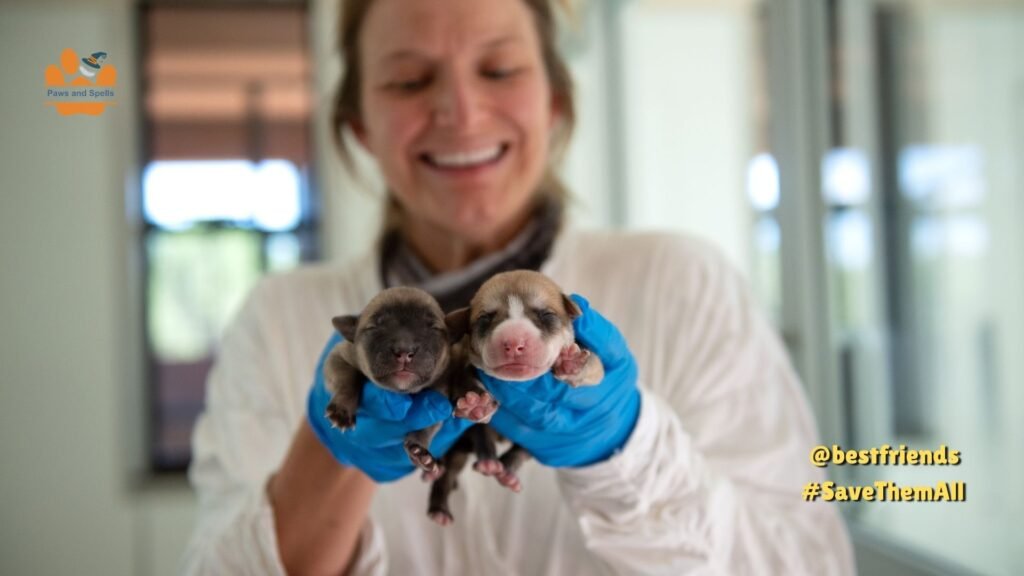
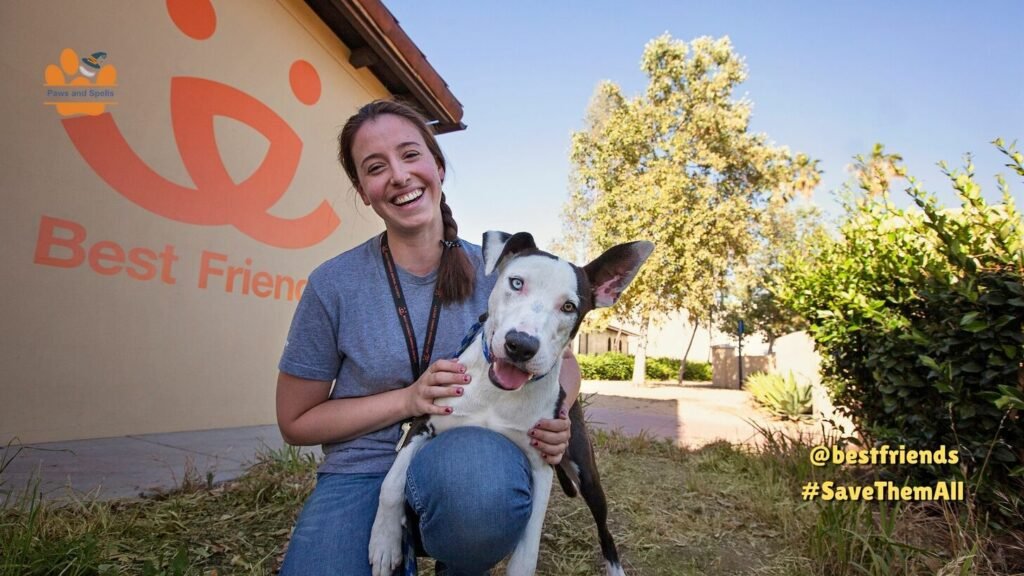
Welcoming a new pet into your home can be a life-changing experience, filled with excitement and joy. Yet, it can also be overwhelming, a challenge for those new to pet ownership. The American Pet Products Association (APPA) reports that over 67 million households in the United States have pets. This highlights the need for dependable guidance on pet care.
As a new pet owner, it’s vital to be prepared for the responsibilities of pet care. This guide aims to equip you with the necessary knowledge and tools for a smooth transition. By understanding your expectations and preparing your home, you can create a nurturing environment. This environment fosters a strong bond between you and your pet.
Key Takeaways
- Understand the responsibilities of pet ownership
- Prepare your home for a new pet
- Learn about the importance of creating a safe environment
- Discover how to manage your expectations as a new pet owner
- Find resources for reliable pet care information
Understanding the Responsibilities of Pet Ownership
Embracing pet ownership entails a multitude of responsibilities that significantly influence both your daily life and your pet’s well-being. The American Society for the Prevention of Cruelty to Animals (ASPCA) stresses the criticality of evaluating your lifestyle before welcoming a new pet into your domicile.
To foster a stable and affectionate environment for your pet, a thorough assessment of various aspects of your existence is imperative.
Assessing Your Lifestyle
Your lifestyle is a decisive factor in determining your capability to offer the requisite care and attention to your pet. It is essential to consider your work schedule, travel frequency, and living circumstances.
Time Commitment
The time and attention required by pets vary significantly. Dogs necessitate regular exercise and training, whereas cats, though more independent, require playtime and social interaction.
Time Commitment Comparison:
| Pet Type | Daily Time Commitment | Exercise Needs |
|---|---|---|
| Dogs | 2-4 hours | High |
| Cats | 1-2 hours | Low-Moderate |
| Fish | 30 minutes | Low |
Financial Considerations
The financial obligations of pet ownership extend beyond the initial adoption or purchase fee. Ongoing expenses encompass food, veterinary care, and supplies.
According to the American Pet Products Association (APPA), the annual cost of owning a dog can range from $1,000 to $2,000 or more, depending on the size and health of the dog.
Emotional Readiness
Pet ownership can be emotionally fulfilling, yet it also presents challenges. It is vital to be emotionally prepared for the emotional highs and lows, including health issues, behavioral problems, and the eventual loss of your pet.
By meticulously evaluating your lifestyle, time commitment, financial obligations, and emotional preparedness, you can make an informed decision regarding pet ownership. This will enable you to provide a loving home for your future pet.
Choosing the Right Pet for You
The quest for the perfect pet starts with grasping the diverse needs of various pets. From dogs and cats to birds and fish, each species has its own set of requirements. These needs are essential for a fulfilling and healthy bond between pet and owner.
Different Types of Pets
Exploring the array of pets available is a first step. Dogs, celebrated for their loyalty, demand consistent physical activity. Cats, on the other hand, are often more self-sufficient and require less exercise. Birds, known for their social nature, crave attention and mental stimulation. Fish, while low maintenance, necessitate proper tank care.
The American Pet Products Association (APPA) stresses the importance of understanding pet needs. Rescue organizations like Rescue Me and Save-A-Pet USA also highlight the need to align a pet’s needs with an owner’s lifestyle for a successful adoption.
Size and Space Requirements
The size of your living space is a key determinant in selecting the right pet. Larger dogs, needing ample space for movement and exercise, are less suitable for compact apartments. In contrast, smaller pets like hamsters or cats can flourish in smaller environments, provided they have designated areas for activity and rest.
Considering the space for pet accessories is also critical. These include food and water bowls, beds, and litter boxes. Ensuring your home can accommodate these necessities is essential for your pet’s well-being.
Energy Levels and Temperament
The energy level and temperament of a pet are fundamental in determining compatibility. High-energy pets, such as certain dog breeds, necessitate regular, intense exercise to maintain their health and happiness. Pets with lower energy levels may be more compatible with less active owners or those with limited time for physical activity.
Understanding a pet’s temperament is equally important. Some pets are highly social and require constant interaction, while others are content with solitude. Aligning your lifestyle and personality with your pet’s can foster a more harmonious and fulfilling relationship.
Preparing Your Home for a New Pet
Preparing your home for a new pet transcends mere supply acquisition; it’s about crafting a sanctuary where your pet can flourish. This endeavor encompasses acquiring vital supplies, ensuring a secure living environment, and pet-proofing your domicile.
Essential Supplies
Acquiring the necessary supplies is imperative before welcoming your new pet. The American Pet Products Association (APPA) identifies critical items:
- Food and water bowls
- A comfortable bed or crate
- Toys and chews
- Grooming tools
- A collar and leash
- ID tags with your pet’s name and your contact information
Having these items readily available will enhance your pet’s comfort in their new surroundings.
Safe Living Space
Ensuring a safe living space for your pet necessitates the removal of hazards and the secure storage of toxic substances. The ASPCA advises:
- Securing loose wires and toxic substances
- Moving breakable items to high shelves
- Blocking off areas you don’t want your pet to access
- Creating a quiet, comfortable area for your pet to rest
By implementing these measures, you can significantly diminish the risk of accidents and foster a more comfortable habitat for your pet.
Pet-Proofing Your Home
Pet-proofing is a critical step in preparing your home for a new pet. Best Friends Animal Society recommends:
| Area | Pet-Proofing Tips |
|---|---|
| Kitchen | Secure trash cans, keep countertops clear, and store toxic substances out of reach. |
| Living Room | Move breakable items to high shelves, secure loose wires, and block off areas with electrical cords. |
| Bedroom | Keep clothing and shoes organized, secure loose items, and keep the floor clear. |
Adhering to these guidelines will enable you to create a secure and inviting space for your new pet.
Understanding Basic Pet Care Needs
Ensuring your pet’s well-being requires a deep grasp of their fundamental needs. These encompass nutrition, exercise, and grooming. Fulfilling these requirements is essential for your pet’s health and happiness.
Feeding and Nutrition
A well-balanced diet is critical for your pet’s health. The American Pet Products Association (APPA) stresses the importance of high-quality food that aligns with your pet’s nutritional needs. These needs can vary significantly based on factors such as age, breed, and health conditions.
Puppies and kittens, for example, require more protein and calories than adult pets. Certain breeds also have unique dietary requirements. Consulting with a veterinarian is advisable to determine the most suitable diet for your pet.
| Pet Age | Nutritional Needs | Recommended Food Type |
|---|---|---|
| Puppy/Kitten | High protein, higher calories | Puppy/Kitten food |
| Adult | Balanced diet, maintenance calories | Adult maintenance food |
| Senior | Easier to digest, joint support | Senior food |
Regular Exercise Requirements
Regular exercise is essential for your pet’s physical and mental well-being. The ASPCA advocates for daily exercise that is tailored to your pet’s age, breed, and health status. For instance, high-energy breeds need more vigorous exercise, while older pets benefit from gentler activities.
Exercise not only aids in weight management but also in reducing behavioral issues. Activities such as walking, running, and playtime can greatly enhance your pet’s quality of life.
Grooming and Maintenance
Grooming is a critical aspect of pet care that goes beyond mere cleanliness. It includes tasks like nail trimming, ear cleaning, and brushing their coat. Regular grooming aids in early health issue detection and strengthens the bond between you and your pet.
The frequency and type of grooming depend on the pet’s breed and coat type. For example, long-haired breeds need more frequent brushing to prevent matting.
- Brush your pet’s coat regularly
- Trim nails every few weeks
- Clean ears weekly
- Bathe as needed based on breed and activity level
By comprehending and addressing these basic care needs, you can significantly improve your pet’s life quality. This, in turn, fosters a stronger, more loving bond with your pet.
Veterinary Care: What You Need to Know
Veterinary care is essential for your pet’s health and wellbeing. As a pet owner, it’s vital to grasp the various facets of veterinary care. This knowledge ensures you provide the best life for your pet.
Finding a Veterinarian
Finding a reliable veterinarian is the first step in ensuring your pet’s health. The American Animal Hospital Association (AAHA) suggests asking friends, family, or other pet owners for recommendations. Online reviews and local pet organizations can also provide valuable insights.
When choosing a vet, consider their experience with your pet’s needs, the clinic’s facilities, and their care approach. A good vet offers medical care, nutrition advice, behavior guidance, and preventative care.
Vaccination Schedule
Adhering to a recommended vaccination schedule is key to protecting your pet. The American Society for the Prevention of Cruelty to Animals (ASPCA) emphasizes the importance of a tailored vaccination schedule. This depends on your pet’s age, health, and lifestyle.
Core vaccinations are essential for all pets, regardless of lifestyle or living situation. Non-core vaccinations are based on exposure risk. Your vet will determine the best vaccination schedule for your pet.
| Vaccination Type | Purpose | Recommended Schedule |
|---|---|---|
| Core Vaccinations | Protect against severe, widespread diseases | Administered to all pets, with boosters as recommended by a veterinarian |
| Non-Core Vaccinations | Protect against diseases based on exposure risk | Recommended based on lifestyle and risk factors, as advised by a veterinarian |
Preventative Care
Preventative care is a critical part of veterinary care. It focuses on preventing disease and promoting health. This includes regular check-ups, parasite control, dental care, and nutritional counseling.
Regular check-ups help your vet monitor your pet’s health and detect issues early. Preventative measures like parasite control and dental care are essential for your pet’s health.
By understanding and implementing these veterinary care aspects, you can greatly improve your pet’s quality of life and longevity.
Training Your New Pet
As a new pet owner, grasping the fundamentals of pet training is vital for strengthening your connection with your pet. Training transcends mere obedience; it establishes a communication channel and fosters trust. A well-trained pet is not only obedient but also well-adjusted and content.
Basic Commands and Obedience
Teaching your pet basic commands is critical for their integration into your family and daily routines. Commands like “sit,” “stay,” “come,” and “leave it” are foundational. These commands are essential for managing your pet’s behavior, ensuring their safety, and deepening your bond. The American Society for the Prevention of Cruelty to Animals (ASPCA) advocates for starting with simple commands and gradually introducing more complex ones.
- Begin with short training sessions to keep your pet engaged.
- Use clear, consistent commands and hand signals.
- Reward your pet with treats and praise for successful compliance.
Positive Reinforcement Techniques
Positive reinforcement is a potent training method that encourages good behavior through rewards. This approach is endorsed by animal welfare organizations like the Best Friends Animal Society. By focusing on rewarding desired behaviors, you create a positive learning environment for your pet.
Key aspects of positive reinforcement include:
- Immediate reward: Reward your pet immediately after the desired behavior.
- Consistency: Ensure all family members are using the same commands and rewards.
- Patience: Understand that training is a process that takes time.
Socialization Tips
Socialization is a critical component of your pet’s development, enabling them to be confident and calm in new situations and around new people and animals. The ASPCA highlights the significance of socialization between 8 and 11 weeks of age. Yet, socialization remains a lifelong endeavor, extending beyond the puppy stage.
Effective socialization involves:
- Exposing your pet to various environments, people, and other animals.
- Ensuring these experiences are positive and not overwhelming.
- Gradually increasing the complexity of social interactions.
By integrating these training strategies into your daily routine, you can foster a well-adjusted and loving pet. Patience, consistency, and positive reinforcement are essential for successful pet training.
Dealing with Common Behavioral Issues
Understanding and addressing common behavioral issues is essential for a harmonious home environment. These problems can stem from various factors, including environment, training, and individual temperament. Recognizing these factors is the first step towards creating a peaceful living space for your pet.
Addressing Separation Anxiety
Separation anxiety is a prevalent issue where pets exhibit distress when left alone. The American Society for the Prevention of Cruelty to Animals (ASPCA) suggests gradual separation to alleviate this anxiety. Begin by leaving your pet alone for short periods and incrementally increase the duration.
Leaving a treat or toy filled with treats can also help keep your pet occupied. Consistency and patience are vital in helping your pet adjust to being alone.
Managing Excessive Barking or Meowing
Excessive barking or meowing can stem from boredom, anxiety, or a desire for attention. The ASPCA advises identifying the cause and addressing it appropriately. For instance, providing adequate exercise and mental stimulation can reduce barking due to boredom.
Training your pet to respond to “quiet” commands can also be effective. Positive reinforcement techniques, such as rewarding calm behavior, can help manage excessive vocalization.
Preventing Destructive Chewing
Destructive chewing is a common issue, often seen in puppies. Providing appropriate chew toys and rotating them regularly can prevent boredom and destructive chewing. The American Pet Products Association (APPA) emphasizes the importance of choosing durable and safe chew toys.
| Chewing Solutions | Description | Benefits |
|---|---|---|
| Durable Chew Toys | Made from robust materials | Long-lasting, reduces destructive chewing |
| Interactive Toys | Filled with treats or puzzles | Mentally stimulating, reduces boredom |
| Supervision and Training | Monitoring and guiding chewing behavior | Prevents unwanted chewing, teaches good habits |
By understanding the causes of common behavioral issues and implementing effective strategies, you can create a more harmonious and happy home for your pet.
The Importance of Pet Insurance
As veterinary care costs escalate, pet insurance emerges as a vital financial safeguard. It offers peace of mind, ensuring your pet’s health care is not a burden on your wallet. Pet owners seek to provide the utmost care for their companions without financial hardship.
Understanding Coverage Options
Pet insurance policies exhibit a broad spectrum of coverage. Some policies are limited to accidents, while others encompass wellness and chronic conditions. It is imperative to grasp the specifics of your policy, including deductibles, limits, and exclusions.
For instance, some providers offer:
- Accident-only coverage
- Wellness plans that include routine care
- Comprehensive coverage that includes chronic conditions and hereditary issues
Comparing Providers
When evaluating pet insurance providers, focus on reimbursement rates, claim processing times, and customer service. Thorough research and comparison can lead to identifying the most suitable option for your pet’s needs.
| Provider | Coverage Options | Deductible | Reimbursement Rate |
|---|---|---|---|
| Provider A | Accident, Wellness, Chronic | $200 | 80% |
| Provider B | Accident, Illness | $300 | 90% |
| Provider C | Accident, Wellness | $250 | 85% |
Making the Most of Your Policy
To fully leverage your pet insurance, it is essential to comprehend your policy’s terms and conditions. Maintain a detailed record of your pet’s medical history and file claims in a timely manner.
The American Pet Products Association (APPA) notes a significant increase in pet owners opting for insurance to manage veterinary expenses. By selecting an appropriate policy, you can guarantee your pet’s necessary care without financial burden.
Socializing Your New Pet
The process of socializing your pet involves gradual exposure to various stimuli to foster a calm and confident temperament. This is a critical aspect of your pet’s emotional and behavioral development. It helps them navigate new situations without anxiety or fear.
Introducing Pets to Other Pets
When introducing your pet to other pets, it’s essential to do so gradually and in a controlled environment. Start by keeping the pets separated and allowing them to become familiar with each other’s scents and sounds before a face-to-face meeting. The American Society for the Prevention of Cruelty to Animals (ASPCA) advises a slow and careful introduction to prevent initial conflicts and establish a harmonious household.
Begin by feeding the pets on opposite sides of a door or gate, allowing them to associate the presence of the other pet with positive experiences. Once they seem comfortable with this arrangement, proceed to visual introductions under close supervision.
Meeting New People
Socializing your pet to meet new people is equally important. Begin by inviting friends or family members over to interact with your pet in a calm and gentle manner. It’s essential to instruct visitors on how to approach and interact with your pet to avoid overwhelming them. Positive reinforcement, such as treats and praise, can encourage your pet to be more receptive to new individuals.
Rescue Me and Save-A-Pet USA emphasize the importance of exposing pets to various people, environments, and situations to help them become well-adjusted. This can reduce fear-based behaviors and enhance their ability to cope with new experiences.
Participating in Pet Community Events
Participating in pet community events is an excellent way to socialize your pet further. Events such as pet fairs, dog parks, and pet-friendly outings provide opportunities for your pet to interact with other animals and people in different settings. The American Pet Products Association (APPA) notes that such events can significantly contribute to a pet’s socialization by exposing them to a variety of experiences.
When attending these events, ensure you are prepared with the necessary supplies, such as leashes, collars, and identification tags. Being mindful of your pet’s comfort and stress levels is also essential to ensure a positive experience.
By following these guidelines and being committed to the socialization process, you can help your pet develop into a confident and well-adjusted companion. Remember, socialization is an ongoing process that requires patience, consistency, and positive reinforcement.
Creating a Routine for Your Pet
Pets benefit greatly from a structured routine, which can elevate their quality of life. A consistent schedule aids in housebreaking, diminishes anxiety, and fosters a healthier lifestyle.
Daily Schedules
Creating a daily routine is essential for your pet’s sense of security and stability. It involves predetermined times for meals, exercise, and rest.
The American Pet Products Association (APPA) emphasizes that a consistent routine can significantly reduce pet stress and enhance their overall well-being.
Feeding Times
Feeding your pet at the same times daily aids in regulating their digestive system and prevents overeating.
A sample feeding schedule might look like this:
| Pet Size | Feeding Frequency | Recommended Time |
|---|---|---|
| Small | 2-3 times | 8am, 2pm, 8pm |
| Medium | 2 times | 8am, 6pm |
| Large | 2 times | 8am, 6pm |
Exercise and Play Sessions
Regular exercise and play are critical for your pet’s physical and mental health. The duration and intensity of these sessions vary based on your pet’s age, breed, and health.
“Exercise is vital for maintaining your pet’s physical health and reducing behavioral problems. Regular walks and playtime can help burn off energy and stimulate their minds.” –
For instance, high-energy breeds may need longer, more frequent exercise sessions. In contrast, older pets may benefit from gentler, shorter activities.
Incorporating a consistent routine into your pet’s daily life can significantly improve their well-being and strengthen your bond with them.
Understanding Pet Lifespan and Aging
Recognizing the aging process in pets is vital for responsible pet ownership. As pets grow older, their needs change, requiring adjustments in their care to ensure they live comfortably and healthily.
Recognizing the Signs of Aging
Pets age at different rates depending on their breed, size, and health conditions. Common signs of aging include decreased mobility, changes in appetite, and alterations in grooming habits. The American Society for the Prevention of Cruelty to Animals (ASPCA) provides guidance on these signs, stressing the importance of regular veterinary check-ups to monitor health changes.
Some key indicators of aging in pets are:
- Reduced energy levels and mobility
- Changes in eating habits or weight
- Dental issues or changes in oral health
- Sensory declines, such as vision or hearing loss
Adjusting Care as Pets Age
As pets age, their care requirements change. Adjustments may include modifying their diet to meet nutritional needs at different life stages, adjusting exercise routines to accommodate reduced mobility, and providing more frequent veterinary visits.
| Life Stage | Dietary Needs | Exercise Requirements | Veterinary Care |
|---|---|---|---|
| Adult | Balanced diet for maintenance | Regular exercise | Annual check-ups |
| Senior | Adjusted calories, easier-to-digest foods | Reduced, gentle exercise | Bi-annual check-ups |
| Geriatric | Specialized senior diet, possibly feeding aids | Minimal, gentle mobility exercises | Quarterly check-ups or as needed |
End-of-Life Considerations
Making end-of-life decisions is a difficult but important aspect of pet ownership. It’s essential to consider the quality of life and consult with a veterinarian to determine the best course of action. Options such as palliative care or euthanasia may be considered to ensure the pet’s comfort and dignity.
Understanding the lifespan and aging process of pets allows owners to provide compassionate and appropriate care throughout their pets’ lives, enriching their well-being and strengthening the human-pet bond.
Building a Support System
Establishing a support network is critical for those navigating the complexities of pet ownership. Such a network offers invaluable guidance, emotional support, and fosters a sense of community.
Connecting with Other Pet Owners
Engaging with other pet owners is a key strategy for building a support network. This can be done through local pet stores, veterinary clinics, and dog parks. These settings facilitate interactions with individuals facing similar challenges and interests. The American Pet Products Association (APPA) and the American Society for the Prevention of Cruelty to Animals (ASPCA) also provide resources and host events for connecting with other pet owners.
Joining local pet groups or clubs is another effective method for expanding your network. These entities often host meetups, training sessions, and other activities. Such gatherings offer opportunities for socializing with other pet owners and their pets.
Online Resources and Communities
In the digital era, online resources and communities are indispensable for pet owners. Online forums, social media groups, and specialized websites are rich in information and platforms for sharing experiences and seeking advice. Websites like Rescue Me and Save-A-Pet USA are excellent for pet adoption and care.
Engaging in online discussions keeps you abreast of the latest pet care trends and products. You can also discover recommendations for pet supplies, training methods, and health care services.
Local Pet Groups and Clubs
Local pet groups and clubs are invaluable for creating a support network. They organize various activities, including training classes, pet meetups, and community events. These groups often collaborate with national organizations or local animal shelters, providing a structured environment for connecting with other pet owners.
Participating in local pet groups grants access to a wealth of knowledge, resources, and emotional support. It’s also a wonderful opportunity to contribute to the community by volunteering or participating in pet-related charity events.
Where to Find Reliable Information as a New Owner
For new pet owners, accessing dependable information is critical for optimal pet care. The abundance of resources necessitates identifying credible sources. These will guide you through the journey of pet ownership.
Recommended Resources
Organizations like the American Society for the Prevention of Cruelty to Animals (ASPCA) and Best Friends Animal Society are invaluable. They provide extensive information on pet care, including nutrition, health, and behavior. These resources are essential for preparing new owners and setting realistic expectations.
Trusted Online Resources and Local Support
Online platforms and local pet groups also offer significant support. Websites from reputable pet care organizations offer insights into various pet care aspects. Local classes and workshops provide hands-on experience and tailored advice.
Utilizing these reliable sources ensures new pet owners are well-prepared. This sets a solid foundation for a healthy and joyful pet relationship.
FAQ
What are the essential supplies I need to prepare for my new pet?
How do I choose the right pet for my lifestyle?
What are the key considerations for pet owners when it comes to veterinary care?
How can I train my new pet effectively?
What are some common behavioral issues in pets, and how can I address them?
Why is pet insurance important, and how do I choose the right policy?
How can I socialize my new pet, and why is it important?
What are the benefits of creating a routine for my pet?
How can I prepare my home for a new pet?
Where can I find reliable information as a new pet owner?
References:
This article was created based on information from the following authoritative sources: American Society for the Prevention of Cruelty to Animals (ASPCA), Best Friends Animal Society, and The Humane Society of the United States