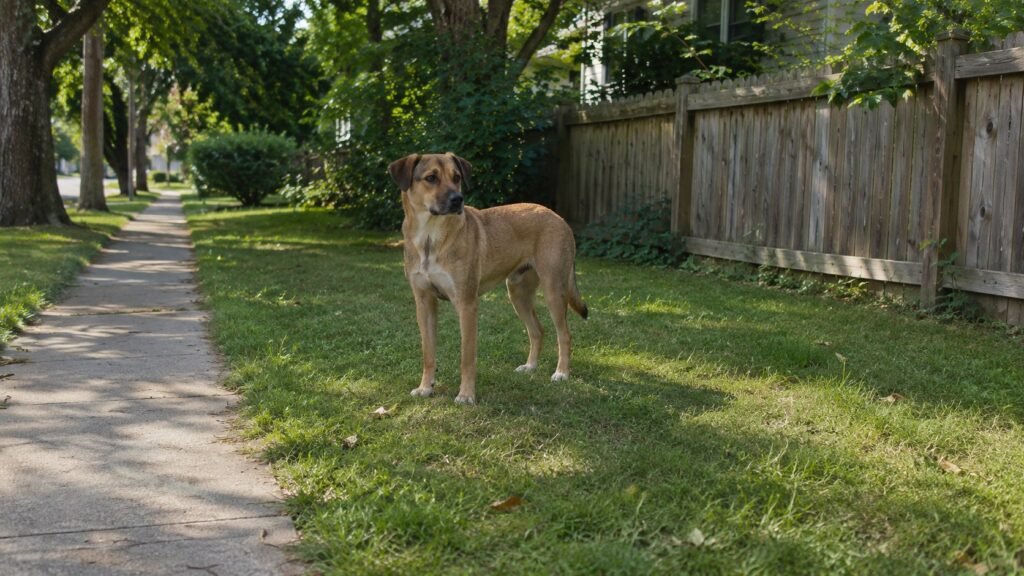
If you find a loose dog, first decide whether you can help without entering traffic or getting close to a frightened animal. From a safe place, note the location and the direction the dog is heading. Call the agency that handles found dogs where you saw them. If the dog is already safely contained, file a found report and arrange a microchip scan. Treat the animal as a potentially lost pet while the owner search is underway.
At the scene: Stay safe and report what you see
If you are driving, pull over only where you can park safely. Keep children and your own pets away. Avoid chasing the dog, trying to block them with your body, reaching for their collar, or crowding them with several people. A dog that is backing away, stiffening, or protecting a hiding spot needs room. If the situation feels unsafe, stay back and let a trained responder decide how to approach.
Give dispatch a street address, cross street, trail marker, or the nearest landmark. Describe the dog’s size and coloring, whether you can see a collar, and whether they were running, hiding, or unable to stand. If the dog moves, say where you last saw them and which direction they went. A photo taken from a safe distance can be more useful than trying to follow the dog. If the animal is in active traffic or there is an immediate danger to people, use the local emergency channel. For a dog off the road that you cannot safely catch, report the sighting to animal control or the local dispatch contact responsible for animal calls. See Humane World for Animals’ guide to helping a stray animal safely for additional guidance.
If you see serious injury, heavy bleeding, or obvious breathing difficulty, tell the dispatcher exactly what you can see and ask who can respond. Keep your hands away from the mouth and avoid moving an injured dog on your own. If the dog is already safely in your care, call ahead to the agency or emergency clinic for transport and intake instructions. If a person has been bitten, seek medical advice promptly and report the bite as the local agency directs.
If the dog is contained: File a report in the right jurisdiction
Call animal control or the municipal shelter serving the place where you found the dog. A nearby private rescue or veterinary clinic may help scan a chip and still be outside the local reporting process. Give the animal’s description, the time and place of the encounter, and your contact details. Ask for the case number and the best way to send a photo. If you picked the dog up in one town and live in another, make sure the report starts where the owner is most likely to look.
Ask whether the agency requires intake, permits a finder to hold the dog at home, or uses a shelter with a contract to accept animals from that jurisdiction. Confirm where to go and when someone is available. If the intake desk is closed, check the municipality’s official after-hours instructions. If you cannot safely keep the dog overnight, say so while you have someone on the phone. The agency needs to know that before proposing temporary care.
Ask what happens if the dog goes unclaimed, including which requirements apply before any adoption or transfer. Time limits and procedures vary. Keep a copy of the report, the name of the agency, and any instructions it gives you. If the dog goes into shelter care, get the intake identification number, when available, so you can direct a potential owner to the correct record.
For example, if you find a dog near a county park on a Sunday, report the park entrance and trail name to the agency covering that location. If dispatch asks you to call the contracted shelter when it opens, write down the number and opening time. If you can wait with the dog safely, tell dispatch where they are being held and give the agency any update before changing plans.
Help the owner find the dog
Check visible ID and arrange a scan
Read the tag when the dog can be handled safely. If handling is uncertain, leave inspection to the agency or clinic. If the tag lists a phone number, call or text and explain where and when you found the dog. Ask a shelter or veterinary clinic whether it can scan for a microchip and when you can come in. Let them know about any handling concern before you visit.
A chip gives the scanner an identification number. The clinic or shelter can help identify the registry and contact whoever is listed. A microchip scan and a found report serve different purposes: the chip can help reach a registered contact, and the report gives a family a place to look even if the chip is absent or the contact information is out of date. Best Friends Animal Society’s found-pet guide explains how a scan and local outreach can work together.
Make a public notice and confirm a match
Post the date, general location, a clear photo, and a way to contact you or the designated shelter. Check recent lost-pet listings and follow the posting instructions of the agency managing your report. Ask nearby neighbors whether they recognize the dog. Hold back at least one distinctive detail, such as part of a tag inscription or a marking the photo does not show. Avoid putting your home address, the full chip number, or someone else’s phone number in a public post.
Before handing over the dog, ask the person to describe them and share earlier photos or records that help establish the match. If the details conflict or more than one person claims the dog, route the contact through the agency and let it guide the handoff. If you arrange a reunion yourself, follow its directions on where to meet and how to close the report. During an evacuation, a dog’s family may be looking through several systems at once. Our guide for owners whose dog goes missing during an emergency explains how that side of the search works.
Provide temporary care only if you can do it safely
If the local agency approves temporary care, prepare a secure area away from children and resident animals. Use a closed door or another barrier the dog cannot slip through. Have fresh water available and ask the agency or clinic what to do about food if the dog appears ill, was recently injured, or has an unknown medical history. Keep the contact number and case details available for anyone who helps you. Let the agency know if the situation changes or you can no longer hold the dog.
Use the quiet space for rest and avoid introductions, baths, unnecessary handling, and outdoor time in an unsecured yard. Be careful around doors and car openings. A dog who seems settled in a room can still bolt when the door opens to a new place. If someone needs to collect the dog, tell them in advance how the dog has behaved around doors, leashes, and people. Share observations such as hiding or refusing to walk, along with anything you know about an injury or any care already given.
When the search ends, update the original report and public notices so readers know the dog is no longer missing or has been moved to the responsible shelter. If the owner has not been located, ask the agency to explain the next authorized step. Our guide to national shelter data explains how shelter records distinguish a reunion from adoption and transfer, which is helpful when you want to understand how a found report was resolved.
Frequently asked questions
What if I see the same loose dog on several days?
Record the location and time of each sighting, and give the updates to the local agency using the same report number when available. Mention recurring paths, such as a dog appearing behind the same row of houses at dusk. Keep your distance and let the agency plan its response.
Does a clean coat or a collar tell me whether a dog has an owner?
Appearance gives limited information. A pet can escape without a collar, and a dog with visible tags can still have outdated contact details. Assume someone may be looking and file a report so the agency can check for a match.
Can I take a dog across county lines to a vet for a microchip scan?
Ask the agency where you found the dog what it recommends before moving the animal, and call the clinic to confirm that it can scan. If the dog has urgent medical needs, tell both the intake authority and the clinic where the dog was found and where they are being taken.
What if someone online asks me to pay to get the owner’s details?
Use the shelter, clinic, or registry contact you can verify independently. Keep the messages and give the information to the agency if someone demands a fee or pressures you to hand over the dog without a clear match.
Can I adopt the dog if nobody responds to my found notice?
Ask the responsible agency about the lawful process and timing before making arrangements. A quiet comment thread or an unanswered message does not establish that the search is over. Let the agency know if you are interested in adopting if the dog becomes available.