As Valentine’s Day approaches, many of us are excited to shower our loved ones with treats and gifts. However, for pet owners, this festive season can be a time of hidden dangers. Could your Valentine’s Day celebrations be putting your furry friend at risk?
According to the American Society for the Prevention of Cruelty to Animals (ASPCA), chocolate is one of the most common toxic substances ingested by pets. With the rise in Valentine’s Day treats, it’s crucial to understand the risks associated with chocolate toxicity and xylitol poisoning. The Pet Poison Helpline reports a significant spike in calls during this period, highlighting the need for awareness about dog emergency vet care.
As a responsible pet owner, it’s essential to be aware of the potential hazards and take necessary precautions to ensure your pet’s safety. This article will explore the dangers of chocolate and xylitol, providing you with the knowledge to keep your pets safe during Valentine’s Day celebrations.
Key Takeaways
- Understand the risks associated with chocolate toxicity and xylitol poisoning during Valentine’s Day.
- Learn how to identify the symptoms of chocolate and xylitol ingestion in dogs.
- Discover the importance of having a chocolate toxicity calculator and knowing your dog emergency vet.
- Find out how to keep your pets safe during Valentine’s Day celebrations.
- Get information on the Pet Poison Helpline and its role in pet safety.
Understanding Pet Poisoning
As a dog owner, understanding pet poisoning is crucial for keeping your pet safe. Pet poisoning occurs when a dog ingests a substance that is toxic to them, which can happen easily if harmful substances are left within reach.
What is Pet Poisoning?
Pet poisoning refers to the ingestion of substances that are harmful or toxic to dogs. These substances can range from common household items to certain foods that are otherwise safe for humans.
Common Symptoms in Dogs
Recognizing the dog symptoms of poisoning is key to acting quickly. Common symptoms include vomiting, diarrhea, lethargy, and in severe cases, seizures or coma. If your dog exhibits any of these symptoms after ingesting a potentially toxic substance, it’s crucial to act fast.
Why Early Detection Matters
Early detection of pet poisoning can significantly improve treatment outcomes. The sooner a dog receives medical attention, the better their chances of recovery. Resources like the Pet Poison Helpline are available 24/7 to provide guidance in case of an emergency.
By being aware of the risks and recognizing the signs of poisoning, dog owners can take prompt action to protect their pets. This knowledge is especially important during holidays and celebrations when potentially toxic substances may be more accessible to pets.

The Dangers of Chocolate for Dogs
Chocolate, a common indulgence for humans, contains a compound that is toxic to dogs. The darker the chocolate, the more toxic it is due to its higher theobromine content. Theobromine affects dogs differently than humans, causing a range of symptoms from mild to severe.
Types of Chocolate and Their Toxicity
Not all chocolate is created equal when it comes to toxicity. The type of chocolate and its theobromine content determine its danger level for dogs.
- White Chocolate: Generally considered non-toxic due to its low theobromine content.
- Milk Chocolate: Contains less theobromine than dark chocolate but can still be harmful, especially in large quantities.
- Dark Chocolate/Cocoa: Highly toxic due to its high theobromine content.
| Type of Chocolate | Theobromine Content (mg/oz) | Toxicity Level |
|---|---|---|
| Milk Chocolate | 44-88 mg/oz | Mild to Moderate |
| Dark Chocolate | 150-200 mg/oz | Moderate to Severe |
| Cocoa Powder | 600-800 mg/oz | Severe |
Signs of Chocolate Poisoning
Recognizing the signs of chocolate poisoning is crucial for timely intervention. Symptoms can vary based on the amount and type of chocolate consumed.
- Increased heart rate
- Vomiting
- Restlessness
- Seizures
- In severe cases, coma or death
Emergency Response for Chocolate Ingestion
If you suspect your dog has ingested chocolate, immediate action is necessary. The ASPCA recommends contacting the Pet Poison Helpline or a veterinarian for guidance. Treatment may include inducing vomiting, administering activated charcoal, and providing supportive care.
Immediate Steps:
- Contact a veterinarian or the Pet Poison Helpline immediately.
- Provide information about the type and amount of chocolate consumed.
- Follow professional advice for treatment, which may include inducing vomiting or administering activated charcoal.
Prevention is key. Keeping chocolate out of reach and educating family and friends about its dangers can help prevent accidental ingestion.
Thousands of medications for pets at the lowest prices online. Fast and free Rx approvals.
Save 10% on vet-trusted parasite protection from EntirelyPets Pharmacy. Get reliable solutions to prevent heartworm disease and control fleas and ticks while keeping your dog protected all year.

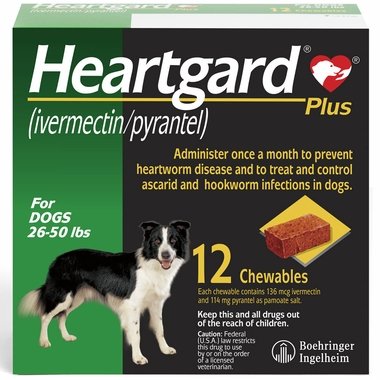
Stop Heartworm Before It Starts
Heartworm disease can be life-threatening for dogs and is transmitted through mosquito bites. Heartgard Plus provides monthly protection that helps prevent heartworm infection while also treating and controlling common intestinal worms.
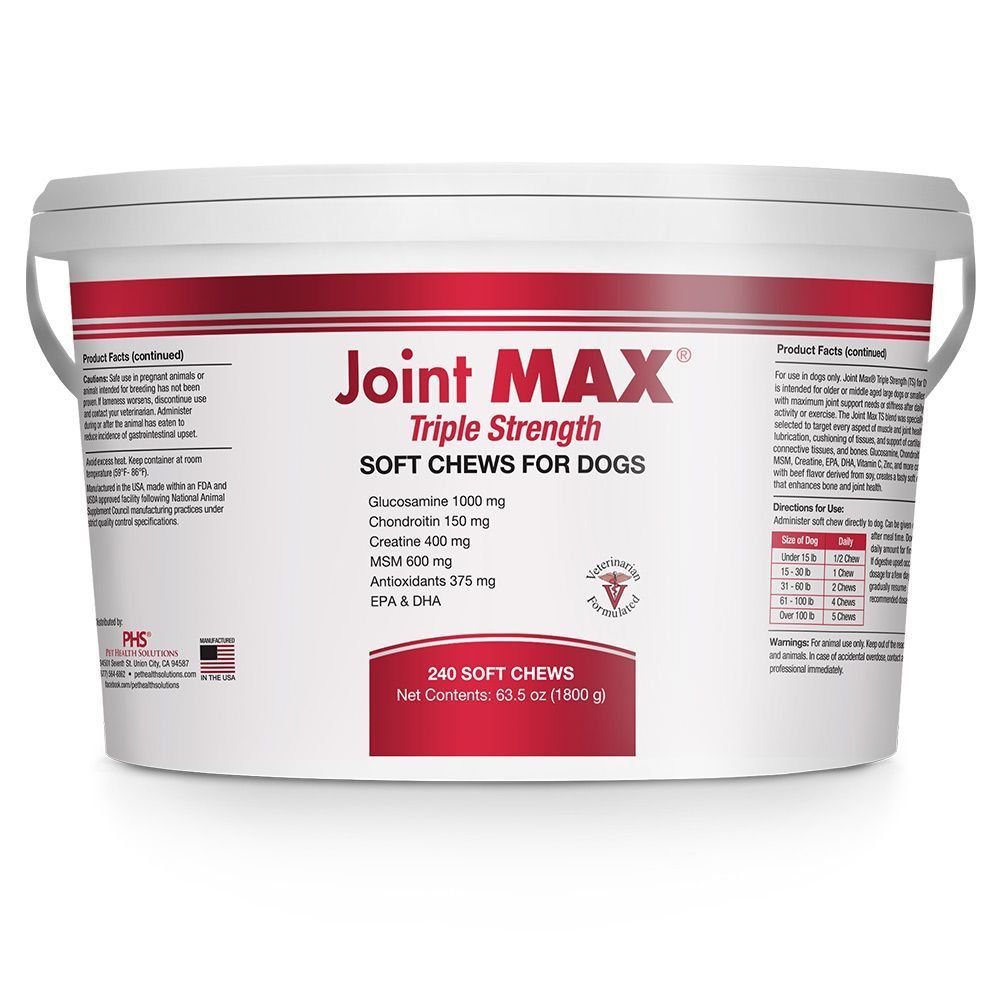
Joint MAX provides an advanced formula
with Glucosamine, Chondroitin, and MSM, designed to lubricate joints and improve overall mobility.
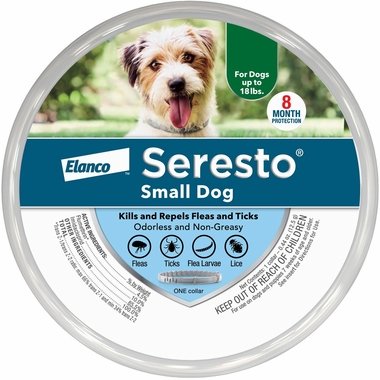
8 Months of Flea & Tick Defense
Fleas and ticks can cause skin problems and transmit diseases. Seresto provides continuous protection for up to 8 months, helping repel and kill parasites without messy monthly treatments.
Crave provides essential vitamins, minerals, and proteins
to boost energy levels and support a strong immune system.
Xylitol: A Hidden Danger
While xylitol is safe for humans, it can be deadly for dogs, making it a hidden danger in many households. Xylitol is a sugar substitute commonly used in a variety of products, from gum and candy to baked goods and toothpaste.
What is Xylitol?
Xylitol is a sugar alcohol that is used as a low-calorie alternative to sugar. It is popular in sugar-free products because it has a negligible effect on blood sugar levels and contains fewer calories than sugar. However, xylitol is highly toxic to dogs, causing a rapid release of insulin, which can lead to a severe drop in blood sugar (hypoglycemia) and even liver failure.
Foods That Commonly Contain Xylitol
Xylitol is found in a wide range of products, making it easy for dogs to ingest it accidentally. Some common products that may contain xylitol include:
- Sugar-free gum and candy
- Baked goods, such as cakes and cookies
- Sugar-free toothpaste and mouthwash
- Low-calorie or diet foods
- Some types of peanut butter
It’s crucial for dog owners to be aware of these potential sources of xylitol and to keep all products containing this sugar substitute out of their pets’ reach.
Symptoms of Xylitol Poisoning
The symptoms of xylitol poisoning in dogs can vary depending on the amount consumed and the individual dog’s sensitivity. Common symptoms include:
- Lethargy and weakness
- Seizures and tremors
- Vomiting
- Loss of coordination
- Coma in severe cases
If you suspect your dog has ingested xylitol, it is essential to seek veterinary help immediately. Prompt treatment can significantly improve your dog’s chances of recovery.
How Chocolate Affects Dogs
Dogs and chocolate do not mix, as the ingredients in chocolate can be highly toxic to canines. Chocolate contains two main stimulants, theobromine and caffeine, which can cause a range of symptoms in dogs, from mild to severe. Understanding how these compounds affect dogs is essential for preventing and treating chocolate poisoning.
Theobromine and Caffeine Effects
Theobromine is the primary toxic compound in chocolate, and it can cause increased heart rate, vomiting, diarrhea, and in severe cases, seizures and heart failure. Caffeine exacerbates these symptoms, further increasing the heart rate and potentially leading to more severe complications.
Factors Influencing Toxicity Levels
The toxicity level of chocolate to dogs depends on several factors, including the type of chocolate consumed, the amount eaten, and the size of the dog. Dark chocolate and baking chocolate are more toxic than milk chocolate due to their higher theobromine content.
The size of the dog plays a significant role in determining the severity of the symptoms. Smaller dogs are more susceptible to chocolate toxicity because even a small amount of chocolate can contain a toxic dose of theobromine relative to their body weight. Additionally, the dog’s overall health and age can influence how severely they react to chocolate consumption.


Xylitol vs. Sugar: The Risks
Xylitol, a sugar substitute found in numerous sugar-free products, poses significant health risks to dogs. Unlike sugar, xylitol is not harmless when ingested by canines. Its presence in various human foods, from gum and candy to baked goods and toothpaste, makes it a potential hazard in many households.
How Xylitol Impacts a Dog’s Insulin
When a dog ingests xylitol, it triggers a rapid release of insulin, a hormone that regulates blood sugar levels. This sudden insulin surge causes a dog’s blood sugar to plummet, leading to a condition known as hypoglycemia. Symptoms of hypoglycemia can include lethargy, seizures, and even loss of consciousness. The American Society for the Prevention of Cruelty to Animals (ASPCA) warns that even small amounts of xylitol can cause significant harm.
The mechanism behind xylitol’s impact on insulin is complex. Unlike glucose, xylitol is absorbed quickly into the bloodstream, causing a swift and potent insulin response. This is because xylitol is mistakenly identified by the body as glucose, triggering an insulin release. As a result, dog owners must be vigilant about keeping xylitol-containing products out of reach.
Consequences of Xylitol Consumption
If left untreated, xylitol consumption can have severe and potentially life-threatening consequences. Hypoglycemia, if not addressed promptly, can lead to more serious complications, including liver failure. The Pet Poison Helpline reports that xylitol ingestion is one of the top pet poisoning cases they handle, emphasizing the need for awareness and preventive measures.
In addition to immediate symptoms, prolonged exposure to xylitol can result in long-term health issues. Liver failure, for instance, can occur even after initial symptoms have been managed. Therefore, it’s crucial for dog owners to seek veterinary care immediately if they suspect xylitol ingestion.
To safeguard dogs, it’s essential to educate everyone in the household about the dangers of xylitol. By understanding the risks and taking proactive steps, such as storing xylitol-containing products securely and being mindful of food labels, pet owners can significantly reduce the risk of xylitol poisoning.
Valentine’s Day and Canine Safety
Valentine’s Day, while a time for love and celebration, poses significant risks to canine companions if not navigated carefully. As we shower our loved ones with gifts and treats, it’s essential to remember that some of these gestures can be harmful to our dogs.
Common Valentine’s Day Treats to Avoid
On Valentine’s Day, many of us indulge in chocolates and sweets. However, these treats can be dangerous for dogs. Chocolate, in particular, contains theobromine, a substance that can be toxic to dogs. Additionally, many sugar-free products contain xylitol, a sugar substitute that is highly toxic to canines.
- Chocolates and candy
- Sugar-free gum and candy
- Baked goods containing xylitol
Tips for a Pet-Safe Celebration
To ensure a safe and enjoyable Valentine’s Day for your dog, consider the following tips:
- Opt for dog-friendly treats like peanut butter-filled Kongs or sweet potato chews.
- Keep chocolates and xylitol-containing products out of reach.
- Provide a quiet, safe space for your dog to retreat to if the celebrations become overwhelming.
By being mindful of these potential hazards and taking steps to mitigate them, you can help ensure a happy and safe Valentine’s Day for your canine companion.
Emergency Vet: When to Seek Help
When your dog ingests something toxic, knowing when to seek emergency veterinary care can be the difference between life and death. As a responsible pet owner, it’s crucial to be aware of the signs that indicate a medical emergency.
Recognizing a Medical Emergency
If your dog has ingested chocolate or xylitol, watch for symptoms such as vomiting, diarrhea, increased heart rate, and lethargy. In severe cases, seizures or coma can occur. If you observe any of these signs, it’s essential to act quickly.
Early detection is key to saving your dog’s life. The American Society for the Prevention of Cruelty to Animals (ASPCA) emphasizes the importance of immediate action if you suspect your dog has ingested something toxic.
What to Expect at the Vet
Upon arrival at the emergency vet, your dog will receive prompt treatment. This may include inducing vomiting, administering activated charcoal to absorb the toxin, and providing supportive care such as intravenous fluids and monitoring.
The veterinary team may also contact the Pet Poison Helpline for guidance on the best course of treatment. It’s crucial to provide as much information as possible about the ingested substance and the time frame in which it was consumed.
By understanding what to expect during an emergency veterinary visit, you can be better prepared to act swiftly and effectively in case of a poisoning emergency.

Preventing Accidental Ingestion
The risk of poisoning from chocolate and xylitol can be significantly reduced through education and awareness. As we approach celebrations like Valentine’s Day, it’s crucial for dog owners to be proactive in safeguarding their pets.
Educating Friends and Family
One of the most effective ways to prevent accidental ingestion is by educating those around you. Friends and family members who understand the dangers of certain foods can help keep your dog safe. Here are some key points to share:
- The toxicity of chocolate and its varying levels based on type
- The hidden dangers of xylitol in sugar-free products
- The importance of keeping all treats out of reach
By informing your social circle, you create a network of people who can help monitor your dog’s environment and prevent potential poisoning.
Safe Treat Alternatives for Dogs
Providing your dog with safe, healthy alternatives to harmful treats is a proactive step in preventing accidental ingestion. Consider these options:
- Dog-friendly fruits like apples and blueberries
- Homemade dog treats made from ingredients like peanut butter, pumpkin, and oats
- Commercial dog treats that are specifically formulated for canine consumption
Always check with your veterinarian before introducing new foods or treats into your dog’s diet to ensure they are safe and suitable for your pet’s specific needs.
By taking these steps, you can significantly reduce the risk of accidental ingestion and keep your dog safe during celebrations.
Keeping Your Home Safe for Pets
To keep your pets safe, it’s crucial to dog-proof your home and be mindful of how you store food and other potentially hazardous substances. A safe home environment is key to preventing accidental ingestion and ensuring your pets lead healthy lives.
Storing Food Properly
Proper food storage is a critical aspect of pet safety. Foods containing chocolate or xylitol, common in many households, especially around holidays like Valentine’s Day, are particularly dangerous for dogs. To store food safely, keep it in secure, dog-inaccessible containers or on high shelves that your pets cannot reach.
It’s also wise to be aware of the foods you have in your home and to check ingredient lists for harmful substances. According to the American Society for the Prevention of Cruelty to Animals (ASPCA), keeping toxic substances out of reach is a fundamental aspect of responsible pet ownership.



Dog-Proofing Your Living Space
Dog-proofing your home involves more than just storing food properly; it requires a comprehensive approach to securing your living space. Start by identifying areas and items that could be hazardous to your pets, such as trash cans, cleaning supplies, and electrical cords.
- Secure trash cans with pet-safe lids or store them in a secure location.
- Keep cleaning supplies and chemicals in locked cabinets.
- Use cord protectors or secure cords out of reach to prevent electrical shock.
By taking these steps, you can significantly enhance your home’s home safety for pets, creating a secure environment where your dogs can thrive without the risk of accidental poisoning or injury.
Understanding Toxic Food Labels
Pet owners must become adept at identifying potentially hazardous ingredients by carefully reading food labels. This skill is crucial in preventing accidental ingestion of toxic substances like xylitol, commonly found in sugar-free products.
Reading Ingredient Lists
The first step in understanding toxic food labels is to meticulously read the ingredient list. Pet owners should be on the lookout for ingredients known to be harmful to dogs, such as xylitol, chocolate, and certain nuts. The American Society for the Prevention of Cruelty to Animals (ASPCA) provides resources on toxic and non-toxic substances that can guide pet owners in making informed decisions.
When reading labels, it’s essential to recognize that ingredient lists can be complex. Ingredients are often listed under various names, and some may be hidden within compound ingredients. For instance, xylitol can be listed under several names, including “birch sugar” or “xylitol.”
Recognizing Safe vs. Unsafe Ingredients
Distinguishing between safe and unsafe ingredients is vital. Pet owners should familiarize themselves with the ingredients that are toxic to dogs and avoid products containing them. For example, xylitol can cause a rapid drop in blood sugar and even liver failure in dogs, making it crucial to avoid any product with this ingredient.
On the other hand, ingredients like peanut butter (xylitol-free) and pumpkin are generally considered safe and can be used as healthy treats. The key is to always verify the ingredient list to ensure that the product does not contain harmful substances.
By understanding toxic food labels and being vigilant about what goes into their pets’ bodies, owners can significantly reduce the risk of poisoning. This proactive approach, combined with education and awareness, is a powerful tool in keeping pets safe.
Resources for Pet Owners
Knowing where to turn for help is crucial for pet owners who want to ensure their pets’ safety. Pet owners have access to a variety of resources that can provide critical assistance in times of need.
Websites and Hotlines for Pet Safety
One of the most valuable resources for pet owners is the Pet Poison Helpline, a service that offers expert advice on treating pets who have ingested toxic substances. This hotline is staffed by veterinary professionals who can provide immediate guidance on how to proceed in an emergency. Additionally, websites like the American Society for the Prevention of Cruelty to Animals (ASPCA) offer a wealth of information on pet safety, including lists of toxic and non-toxic substances.
Community Resources for Pet Owners
Beyond hotlines and websites, local community resources can also play a vital role in keeping pets safe. Many local animal shelters and pet supply stores offer guidance and support for pet owners. For instance, some pet supply stores may provide workshops or seminars on pet care and safety. Organizations like Best Friends Animal Society and Save-A-Pet USA also offer resources and support for pet owners.
Pet owners can also benefit from connecting with local veterinary clinics, which often provide advice on pet safety and may offer emergency services. By leveraging these community resources, pet owners can create a safer environment for their pets.
Conclusion: Love Your Pets Safely
As we celebrate love and affection on Valentine’s Day, it’s essential to prioritize our furry friends’ safety. Chocolate and xylitol, commonly found in Valentine’s Day treats, pose significant risks to canine health.
Essential Safety Measures
Pet owners can take several steps to ensure their dogs‘ safety. Storing hazardous substances out of reach, educating friends and family about the dangers of chocolate and xylitol, and providing safe treat alternatives are crucial measures. Organizations like the American Society for the Prevention of Cruelty to Animals (ASPCA) and the Best Friends Animal Society offer valuable resources on pet safety.
Making Informed Decisions
By being aware of the risks associated with chocolate and xylitol, pet owners can make informed choices to protect their dogs. Reading ingredient labels carefully, choosing pet-safe products, and being mindful of Valentine’s Day treats can help prevent accidents. Prioritizing pet safety enables us to show love and care for our furry friends.

FAQ
What should I do if my dog ingests chocolate?
What are the symptoms of chocolate poisoning in dogs?
What is xylitol, and why is it toxic to dogs?
How can I prevent my dog from ingesting xylitol or chocolate?
What are some safe treat alternatives for dogs on Valentine’s Day?
How can I dog-proof my living space to prevent accidental ingestion?
What resources are available to help me keep my dog safe?
How can I recognize a medical emergency in my dog?
References:
This article was created based on information from the following authoritative sources: American Society for the Prevention of Cruelty to Animals (ASPCA), ASPCA Animal Poison Control Center, and Merck Veterinary Manual.