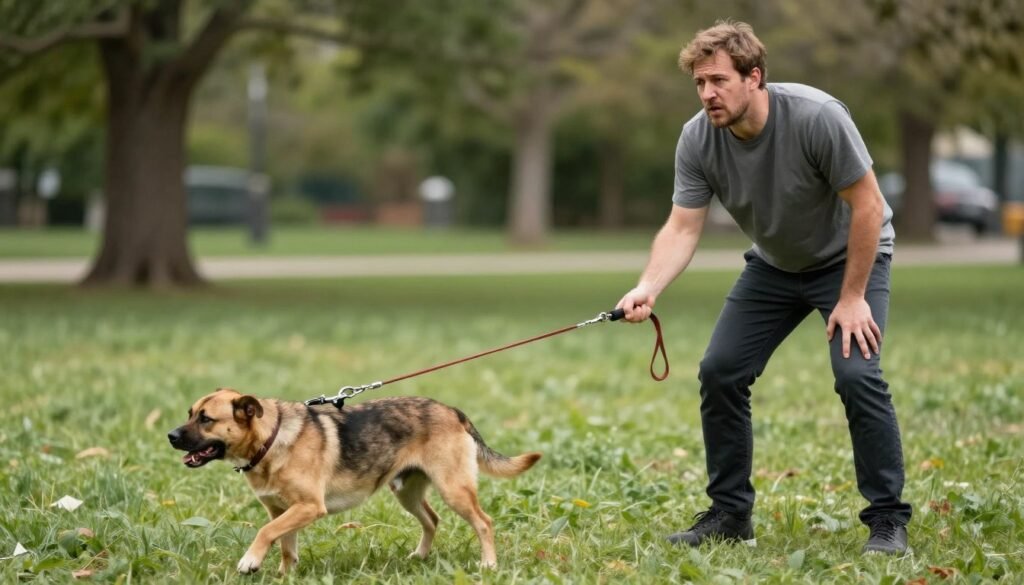
Imagine being in the midst of a chaotic emergency and realizing your pet is missing. It’s a nightmare scenario for any pet owner. The American Society for the Prevention of Cruelty to Animals (ASPCA) reports that millions of pets get lost annually. This often occurs during crises like natural disasters or fires.
Being prepared is key to reuniting with your pet in such situations. Knowing what to do can make all the difference. In this article, we’ll explore the essential steps to take if your dog gets lost during an emergency. We aim to help you stay calm and act effectively.
Key Takeaways
- Stay calm and act quickly to locate your pet.
- Have a plan in place for emergencies, including a safe meeting point.
- Keep your pet’s identification up to date.
- Microchip your pet for permanent identification.
- Keep a recent photo of your pet for identification purposes.
Understand the Signs of an Emergency
As a pet owner, recognizing the signs of an emergency is critical. It can mean the difference between safeguarding your dog and losing them. Emergencies, whether they are natural disasters or man-made crises, pose substantial threats to pet safety.
Types of Emergencies That Can Occur
Emergencies encompass a wide range, from natural disasters like hurricanes, earthquakes, and floods to man-made crises such as fires or chemical spills. The American Pet Products Association (APPA) reports that a considerable number of pets are lost during these events.
Natural disasters often surprise pet owners, leading to chaos and pets getting lost. Man-made crises, too, are perilous, with pets potentially becoming disoriented or frightened.
Behavioral Changes in Pets
Pets often exhibit behavioral changes during emergencies, such as increased anxiety or fear. These changes can be distressing for both pets and their owners.
- Increased barking or whining
- Pacing or restlessness
- Hiding or attempting to escape
- Changes in appetite or elimination habits
Recognizing these signs can help owners take necessary steps to calm their pets and prevent them from getting lost.
How Environment Affects Pet Behavior
The environment significantly influences pet behavior during emergencies. Changes in surroundings, such as new noises or smells, can cause pets to become anxious or frightened.
Understanding how the environment affects your dog’s behavior is key to preparing them for emergencies. For example, creating a safe space for your dog during emergencies can help reduce their stress.
Preparing Your Dog for Emergencies
Preparing your dog for emergencies requires several key steps to prevent them from getting lost. By taking proactive measures, you can ensure your dog’s safety. This increases the chances of a successful reunion if they become lost.
Importance of Identification Tags
Identification tags are essential for ensuring your dog can be identified and returned if lost. These tags should include your dog’s name and your contact information, like your phone number. Including any relevant medical information, such as allergies or medical conditions, is also advisable. Up-to-date identification is key to a swift reunion.
Microchipping: What You Need to Know
Microchipping your dog provides a permanent form of identification that cannot be lost or removed. The ASPCA notes that microchipping significantly increases the chances of reuniting lost pets with their owners. It’s critical to register your dog’s microchip with your current contact information and keep it updated.
Microchipping is a simple, safe, and effective way to ensure your dog can be identified and returned to you if they become lost.
Emergency Kits for Your Dog
Assembling an emergency kit for your dog is vital in case of an emergency or evacuation. This kit should include essential supplies such as food, water, bowls, a first-aid kit, and any necessary medication. Including a recent photo of your dog and a copy of their identification and medical records is also advisable. Being prepared can make a significant difference in keeping your dog safe.
- Food and water for at least three days
- Bowls and a manual can opener
- A first-aid kit designed for dogs
- Any necessary medication and medical records
- A recent photo of your dog
Immediate Actions if Your Dog Goes Missing
If your dog vanishes during an emergency, time is of the essence. Prompt and strategic actions can greatly enhance the likelihood of reuniting with your pet.
Call Out Their Name
The initial step involves loudly and repeatedly calling out your dog’s name. This familiar call can aid your dog in locating you, provided they are within earshot. The American Society for the Prevention of Cruelty to Animals (ASPCA) advises maintaining composure and using a familiar voice. Such calmness can soothe your dog and steer them back to you.
Utilize Familiar Scents or Toys
Employing familiar scents or toys can effectively entice your dog’s return. Present their cherished toy or treat to entice them. The scent of these items offers comfort and direction for your dog. Rescue Me, a lost pet recovery organization, emphasizes the utility of familiar items in tracking down your dog.
Check Nearby Hiding Spots
Dogs frequently seek refuge in familiar or confined areas when they are frightened or disoriented. Inspect under decks, in bushes, or within sheds. Acquaintance with your dog’s typical hiding spots accelerates their discovery. It is imperative to exhaustively search all possible hiding areas within your immediate vicinity.
| Immediate Action | Description | Benefit |
|---|---|---|
| Call Out Their Name | Loudly and repeatedly call your dog’s name. | Helps your dog locate you if within hearing distance. |
| Utilize Familiar Scents or Toys | Use favorite toys or treats to lure your dog back. | Provides comfort and guidance for your dog. |
| Check Nearby Hiding Spots | Search under decks, in bushes, or inside sheds. | Helps locate your dog quickly by checking familiar hiding places. |
Utilizing Technology to Locate Your Dog
Modern technology has introduced a variety of tools aimed at locating missing dogs during emergencies. The integration of technology in pet recovery has significantly enhanced the chances of reuniting dogs with their owners.
GPS Trackers for Pets
GPS tracking devices have gained popularity among pet owners. These devices, attached to a dog’s collar, provide real-time location information. The American Pet Products Association (APPA) reports that GPS tracking devices have been successful in reuniting pets with their owners.
Key Features of GPS Trackers:
- Real-time location tracking
- Geofencing capabilities
- Activity monitoring
Mobile Apps for Lost Pets
Mobile apps have become a valuable resource for pet owners searching for their missing dogs. Apps like Rescue Me and Save-A-Pet USA enable users to post lost pet notices and search for found pets in their area. These platforms foster community engagement and increase the visibility of missing pet alerts.
Social Media as a Tool
Social media platforms can be used to spread the word about a missing dog, reaching a broader audience. By posting on local community groups and sharing posts, pet owners can quickly disseminate information. Best Friends Animal Society and other organizations often provide guidelines on effectively using social media for pet recovery.
The following table summarizes the technological tools available for locating missing dogs:
| Tool | Description | Benefits |
|---|---|---|
| GPS Trackers | Devices attached to a dog’s collar for real-time tracking | Accurate location, geofencing, activity monitoring |
| Mobile Apps | Platforms for posting lost pet notices and searching for found pets | Community engagement, increased visibility |
| Social Media | Online platforms for sharing information about missing dogs | Wide reach, quick dissemination of information |
Informing Local Authorities
Local authorities are key in finding a lost dog, making it critical to inform them. They play a significant role in the search and recovery efforts when a dog goes missing.
The Role of Local Animal Control
Local animal control agencies are the initial contact for lost pets. They manage stray animals and offer substantial assistance in finding a missing dog. It’s essential to contact them as soon as possible to report the lost dog, providing a detailed description and any relevant information.
According to the ASPCA, contacting local animal control is a critical step in the search for a lost pet. They can help disseminate information and coordinate efforts with other local agencies.
Contacting Nearby Shelters
In addition to animal control, nearby shelters should also be notified. Shelters often receive stray dogs, and if your dog is brought in, having a report on file can facilitate a quicker reunion. Provide a recent photo and description of your dog to the shelter staff to aid in identification.
If your pet is lost, contact local shelters and animal control agencies immediately. They can help you locate your pet and provide resources for reunification.”
Filing a Report with the Police
In some cases, filing a report with the local police department may also be necessary, specially if the dog was lost during a significant emergency or if there’s a suspicion of theft. The police can provide additional support and help disseminate information to the public.
To effectively inform local authorities, it’s essential to have the following information ready:
| Information Required | Description |
|---|---|
| Dog’s Name and Breed | Provide the Dog’s Name and Breed to help identify it. |
| Physical Description | Include details such as size, coat color, and any distinctive features. |
| Last Seen | Specify the location and time when the dog was last seen. |
By informing local authorities and providing them with the necessary information, you can significantly increase the chances of being reunited with your lost dog.
Creating a Search Plan
To efficiently locate a missing dog, a detailed search strategy is essential. This strategy must include neighborhood searches and community engagement. A well-organized plan significantly increases the chances of reuniting with your pet.
Tips for Effective Search Strategies
An effective search strategy requires understanding your dog’s behavior and likely hiding spots. The Best Friends Animal Society emphasizes the importance of organizing a thorough search with the aid of neighbors and community members.
- Identify areas your dog frequents or might hide, such as under decks or in dense bushes.
- Use familiar scents or toys to lure your dog out of hiding.
- Systematically search the neighborhood, calling out your dog’s name and listening for any response.
Enlisting Help from Neighbors
Neighbors are invaluable in locating a lost dog. Informing them about your missing pet can significantly expand your search network.
- Create flyers with your dog’s picture, description, and your contact information.
- Distribute these flyers in your neighborhood and local community boards.
- Ask neighbors to keep an eye out and report any sightings.
Timing Your Search
The timing of your search is critical to its success. Consider the following factors:
| Time of Day | Best for Searching | Reason |
|---|---|---|
| Early Morning | Yes | Less noise, more likely to hear your dog |
| Midday | No | Peak human activity might scare your dog |
| Evening | Yes | Cooler temperatures, less noise |
By timing your search strategically and engaging your community, you can locate your lost dog quickly and efficiently.
Utilizing Flyers and Social Media
In emergencies, flyers and social media are key for spreading the word about a missing dog. This strategy ensures the search is both focused locally and reaches a broad audience.
Designing an Effective Lost Dog Flyer
Creating a standout flyer is essential. It must feature a recent, clear photo of the dog, a detailed description, and your contact information. Save-A-Pet USA emphasizes the importance of a clear, concise flyer in the search for a lost pet.
Key elements for your flyer include:
- A recent, clear photo of your dog
- A detailed description of your dog, including breed, size, color, and any distinguishing features
- Your contact information, including phone number and email address
- The date and location where your dog was last seen
Effective Use of Local Community Groups
Social media, and local groups on Facebook in particular, are invaluable for spreading the word about a lost dog. Posting in these groups allows you to quickly reach a large number of people in your area.
To maximize social media’s effectiveness:
- Post clear photos and descriptions of your dog
- Use relevant local hashtags to increase visibility
- Share updates and ask others to do the same to keep the post active
Leverage Local Online Platforms
Utilizing local online platforms like Nextdoor or lost and found pet websites can also aid in the search. These platforms attract community members eager to help.
| Platform | Description | Benefits |
|---|---|---|
| Facebook Groups | Local community groups on Facebook | Large reach, easy to share information |
| Nextdoor | Neighborhood-focused social network | Targets local residents, increases local visibility |
| Lost Pet Websites | Specialized websites for lost and found pets | Focused on pet recovery, often visited by concerned community members |
By combining flyers and social media, you can significantly increase your chances of finding your lost dog during an emergency.
Common Places Dogs Might Hide
Understanding where dogs hide can significantly improve the chances of finding them when they are lost. Dogs often seek out places that feel safe or familiar. Knowing these spots can guide the search effectively.
The ASPCA notes that dogs tend to seek out enclosed or familiar spaces when frightened or lost. This behavior is key to understanding where to look during a missing dog search.
Familiar Neighborhood Spots
Dogs often hide in areas they are familiar with, such as their usual walking routes or favorite resting spots. Neighborhoods with dense foliage or quiet alleys can provide numerous hiding places for a lost dog.
It’s essential to search these areas thoroughly, calling out the dog’s name and using familiar scents or toys to lure them out.
“Dogs will often return to places they’ve been before, if they associate those places with safety or comfort.”
Parks and Natural Areas
Parks, woods, and other natural areas are common places for dogs to hide, if they were on a walk with their owner when they got lost. The familiarity of these environments can make them feel secure.
When searching parks and natural areas, it’s critical to look under bushes, near water sources, or in dense undergrowth where a dog might seek refuge.
Residential Backyards
Residential backyards, with sheds, garages, or other hiding spots, can be attractive to a lost dog. Dogs may enter these areas if they smell food or find a cozy spot to hide.
Searching neighboring backyards and seeking permission to look around can be an effective strategy during a missing dog search.
| Common Hiding Spots | Description |
|---|---|
| Familiar Neighborhood Spots | Areas the dog knows well, such as usual walking routes. |
| Parks and Natural Areas | Places like woods or parks where the dog was on a walk. |
| Residential Backyards | Backyards with sheds or garages that can provide hiding spots. |
By understanding these common hiding spots, dog owners can conduct a more effective search during an urgent dog lost situation. This increases the chances of being reunited with their pet.
Emotional Support for Owners
The emotional impact of losing a dog in an emergency is often overlooked, yet it profoundly affects many pet owners. The stress and anxiety of emergency situations are exacerbated by the loss of a cherished pet. This experience brings forth a mix of worry and grief.
Managing Anxiety and Stress
It is vital to manage the anxiety and stress of losing a dog in an emergency for the owner’s well-being. Recognizing the emotional impact is the first step towards coping. Techniques such as deep breathing, meditation, and physical activity can alleviate stress.
Keeping a routine and staying connected with supportive networks also aids in stability and comfort during difficult times.
Seeking Help from Friends and Family
Seeking support from friends and family can be incredibly beneficial. Sharing the emotional burden with loved ones can alleviate feelings of isolation. It also allows others to offer practical assistance, such as helping in the search for the lost dog.
Support networks are essential in helping owners cope with the emotional challenges of losing a pet in an emergency.
Professional Counseling Options
For some, the emotional impact of losing a dog in an emergency may necessitate professional counseling. Pet loss support groups and counseling services focused on pet loss provide a safe space to process grief and emotions.
Organizations like the American Society for the Prevention of Cruelty to Animals (ASPCA) and the Pet Loss Support Group offer resources and support. Seeking professional help is a sign of strength and a critical step towards healing and moving forward.
The Role of Professional Pet Finders
Professional pet finders play a critical role in locating missing dogs during emergencies. They bring a wealth of knowledge, skills, and resources to the search. This expertise is essential for efficiently finding lost pets.
When to Hire a Pet Detective
The decision to hire a pet detective hinges on several factors. These include the search duration, the terrain’s complexity, and the owner’s available resources. If the search has been prolonged without success, professional assistance may be necessary.
Key indicators that it’s time to hire a pet detective include:
- The dog has been missing for more than 48 hours.
- The search area is vast or includes challenging terrains.
- Local shelters and animal control agencies have not reported any sightings.
Cost Considerations
The cost of hiring a professional pet finder varies widely. It depends on location, the detective’s experience, and the required services. Typically, pet owners can expect to pay between $500 and $2,000.
| Service | Average Cost |
|---|---|
| Initial Consultation | $100-$300 |
| Search Operations | $500-$1,500 |
| Additional Services (e.g., flyer distribution) | $200-$500 |
Success Rates and Case Studies
Professional pet finders have achieved remarkable success in reuniting lost pets with their owners. The American Pet Products Association (APPA) reports success rates exceeding 90% in some cases.
Notable case studies include:
- A dog lost in a rural area was found within 24 hours through the use of GPS tracking and community outreach.
- A pet detective successfully located a missing dog in an urban setting by analyzing the dog’s behavior patterns and utilizing social media.
Understanding the role of professional pet finders and knowing when to seek their assistance can significantly improve the chances of reuniting with a lost dog during emergencies.
Regulation and Legal Considerations
When a pet goes missing, understanding your rights and local laws is critical. Pet owners must navigate a complex legal landscape to reclaim their lost pets.
Identifying Your Rights as a Pet Owner
As a pet owner, it’s vital to grasp your rights when your pet goes missing. The American Society for the Prevention of Cruelty to Animals (ASPCA) states that owners have the right to reclaim pets from shelters within a specific timeframe. This is provided they can prove ownership.
“Pet owners should be aware of the legal obligations of shelters and the process for reclaiming a lost pet.”
Local Laws on Lost Pets
Local laws regarding lost pets differ widely. Some areas mandate pet registration with local authorities, while others have specific rules on pet identification and microchipping.
Reviewing local laws is essential for pet owners to understand their duties and the possible repercussions of non-compliance. The Best Friends Animal Society emphasizes, “understanding local laws is critical for the safe return of lost pets.”
Resources for Legal Advice
If you’re unclear about your rights or the laws on lost pets in your area, seeking legal advice is wise. Organizations like the ASPCA and local animal welfare groups often offer resources and guidance on these legal complexities.
“Understanding your local laws and regulations can make a significant difference in recovering your lost pet.”
By being informed about your rights and local laws, you can proactively work towards recovering your lost pet. This ensures a successful reunion.
Preventive Measures to Avoid Future Incidents
To prevent the distress of losing your dog, it’s essential to implement preventive measures. Emergencies are unpredictable, yet with the right strategies, you can minimize the risk of your dog getting lost.
Training Your Dog for Recall
Training your dog for recall is a highly effective method to prevent them from getting lost. A well-trained dog can respond promptly to recall commands, reducing the likelihood of them wandering off during emergencies.
Tips for Effective Recall Training
- Start training in a controlled environment with minimal distractions.
- Use positive reinforcement techniques, such as treats and praise.
- Gradually increase the distance and distractions during training.
- Be consistent with commands and hand signals.
Establishing Safe Zones
Creating safe zones for your dog can prevent them from getting lost. This involves designating areas where your dog can safely roam without the risk of escaping or getting into danger.
Safe Zone Strategies:
- Fenced areas: Ensure your yard is securely fenced.
- Supervised outdoor time: Always supervise your dog during outdoor activities.
- Identification: Ensure your dog wears identification tags or consider microchipping.
Keeping Track of Your Dog
Utilizing technology can be a valuable asset in keeping track of your dog. GPS trackers and mobile apps designed for pet tracking can provide real-time location information, helping you locate your dog quickly if they get lost.
| Tracking Method | Description | Benefits |
|---|---|---|
| GPS Trackers | Devices attached to your dog’s collar that provide real-time location data. | Accurate location tracking, peace of mind. |
| Mobile Apps | Apps that use GPS and other technologies to track your dog’s location. | Convenient, real-time tracking, community features. |
By implementing these preventive measures, you can significantly reduce the risk of your dog getting lost during emergencies. It’s about being proactive and prepared to ensure your dog’s safety.
The Importance of Community Awareness
Community awareness is the cornerstone of successful pet recovery efforts during emergencies. When a dog gets lost, the community’s role in locating the pet and reuniting it with its owner is vital. This collective effort is essential for a successful outcome.
Engaging the community in preparedness efforts is critical. Initiatives such as organizing neighborhood watch programs that include pet safety are effective. These programs make residents more vigilant and proactive in ensuring pet safety within their community.
Engaging Your Community in Preparedness
To effectively engage the community, it’s essential to raise awareness about the risks associated with pets getting lost during emergencies. This can be achieved by:
- Distributing informational flyers in local areas, such as parks and community centers.
- Utilizing social media platforms to share tips and best practices for pet safety.
- Collaborating with local pet businesses to promote pet safety initiatives.
By taking these steps, communities can become more prepared and responsive to pet-related emergencies.
Hosting Local Workshops
Hosting local workshops is an effective way to educate the community about pet safety during emergencies. These workshops can cover topics such as:
- Creating emergency kits for pets.
- Understanding the importance of microchipping and identification tags.
- Practicing recall training to ensure pets respond to commands during emergencies.
By providing valuable information and resources, workshops can empower pet owners to take proactive measures to safeguard their pets.
Sharing Stories to Raise Awareness
Sharing stories of pets that have been lost and found during emergencies can serve as a powerful tool for raising awareness. These stories can highlight the importance of community involvement and the impact it has on successful pet recovery.
Organizations such as the American Society for the Prevention of Cruelty to Animals (ASPCA) and Best Friends Animal Society often share such stories. They provide valuable insights and inspiration for communities to come together and support pet owners in need.
By fostering a culture of awareness and preparedness, communities can significantly improve their response to pet-related emergencies. This ultimately leads to more successful reunions between pets and their owners.
Recovery Processes After Finding Your Dog
Reuniting with your dog after a loss is just the start of a vital recovery journey. The experience of being lost can be deeply traumatic for dogs. It’s imperative to create a supportive environment to aid in their healing.
Check for Injuries and Post-Trauma
Upon reuniting, the first action is to inspect for physical injuries or signs of distress. The American Society for the Prevention of Cruelty to Animals (ASPCA) notes that lost dogs may display trauma signs, such as anxiety or fear-based behaviors.
It’s essential to thoroughly inspect your dog, searching for wounds, limping, or other physical harm signs. Even if your dog seems unscathed, a vet visit is advisable to check for internal injuries or infections.
Reintroducing Your Dog to Home Life
Gradually reintroducing your dog to their home environment is vital to avoid overwhelming them. The Best Friends Animal Society emphasizes the importance of a calm and gentle approach in aiding your dog’s recovery.
- Begin by providing a quiet space for your dog to relax and feel secure.
- Slowly introduce familiar objects, such as their bed or favorite toys.
- Adhere to a consistent routine to offer stability and normalcy.
Behavioral Changes to Monitor
After being lost, dogs may show various behavioral shifts, from increased clinginess to fear-based aggression. It’s critical to monitor these changes to provide the necessary support.
Veterinary experts highlight common behavioral changes, including:
- Increased anxiety or fear responses.
- Changes in appetite or sleep patterns.
- Altered social behavior, such as becoming more withdrawn or aggressive.
Being aware of these changes allows you to address them, ensuring your dog’s emotional and psychological recovery.
Seeking Professional Help Post-Incident
After a lost dog incident, seeking professional help is vital for their well-being and your peace of mind. The ordeal of being lost can be deeply distressing for dogs. Professional assistance is key to addressing any physical or emotional challenges they may have faced.
Veterinary Care
Following the reunion, a veterinary visit is imperative to assess any injuries or health concerns that may have developed during their absence. The American Society for the Prevention of Cruelty to Animals (ASPCA) advocates for a detailed examination. This ensures your dog’s health and aids in the early detection of any issues.
- Check for physical injuries or signs of illness
- Update vaccinations and preventatives as necessary
- Discuss any observed behavioral changes with your vet
Canine Behaviorists
If your dog displays behavioral changes post-loss, such as anxiety or fear-based behaviors, consulting a canine behaviorist is invaluable. These experts can offer insights on how to assist your dog in adjusting and overcoming any trauma.
Key considerations when seeking a canine behaviorist include:
- Seek certified professionals with a background in trauma-related behaviors
- Discuss your dog’s specific issues and develop a tailored plan
- Learn techniques to support your dog’s emotional recovery
Support for Pet Owners
Losing a dog, even temporarily, can be a stressful and emotionally taxing experience for owners. Joining a support group or seeking counseling can offer a safe space to share your experience. It allows you to connect with others who have navigated similar situations.
Organizations like the Best Friends Animal Society provide resources and support for pet owners dealing with the aftermath of a lost pet incident. Connecting with others who understand your experience can be a valuable part of the recovery process.
Resources and Support Networks
Pet owners facing the loss of their pets during emergencies can find solace in various resources and support networks. Organizations like the American Society for the Prevention of Cruelty to Animals (ASPCA) and Best Friends Animal Society offer invaluable guidance. They help navigate through the complexities of lost pet emergency protocols.
National Organizations and Online Platforms
National lost pet recovery organizations, such as Rescue Me and Save-A-Pet USA, play a critical role in assisting pet owners. They provide essential support in finding missing pets during emergencies. Online forums and communities also act as vital resources. They connect pet owners with others who have gone through similar experiences.
Local Resources for Immediate Support
Local animal shelters, veterinary clinics, and community groups are indispensable for pet owners searching for their lost pets. These entities often offer immediate support and guidance. They help in finding missing pets during a crisis.
By utilizing these resources and support networks, pet owners can significantly increase their chances of being reunited with their pets. Effective lost pet emergency protocols and access to reliable information are essential in such dire situations.