Ever pondered why some dogs seem to embody the essence of a cat within a canine frame? This ancient Japanese breed is renowned for its bold spirit and unyielding confidence. Their fox-like appearance captivates many, yet grasping the true Shiba Inu temperament is crucial for a peaceful coexistence.
These dogs defy the conventional notion of obedience. They are not only intelligent but also inclined to pursue their own path, disregarding commands. This peculiarity renders them intriguing companions, yet it poses a f
rmidable challenge for those seeking traditional obedience.
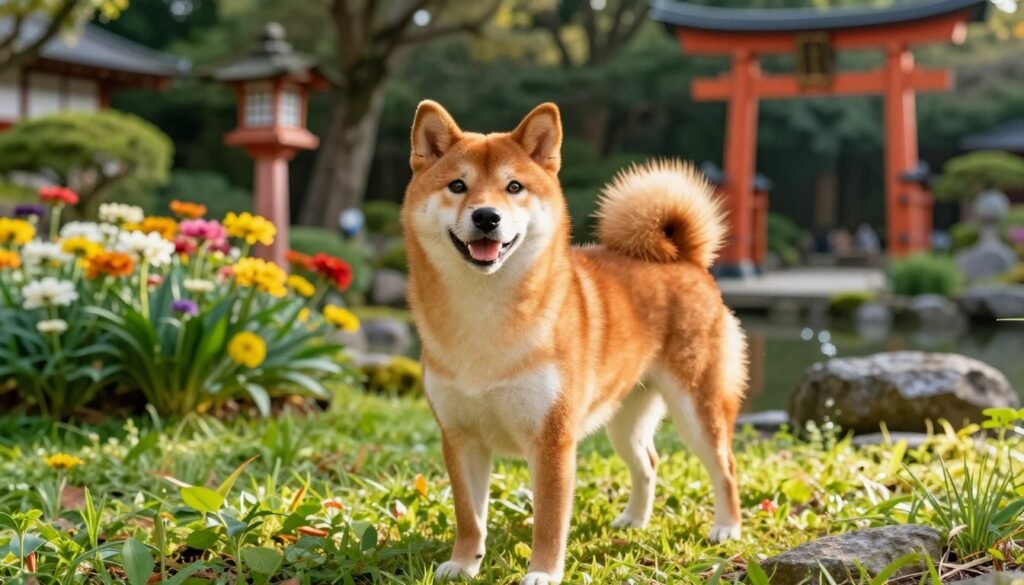
The American Kennel Club identifies this breed as a preferred choice for families in the United States. Yet, prospective owners must be aware of the Shiba Inu characteristics that shape their interactions. Through consistent training and mutual respect, one can effectively manage the spirited nature of this extraordinary creature.
Key Takeaways
- The breed is known for its cat-like independence and strong-willed personality.
- Training requires patience, consistency, and a deep understanding of canine psychology.
- These dogs are highly intelligent and often prefer to solve problems on their own.
- Early socialization is critical to managing their naturally reserved behavior.
- Building a strong bond relies on mutual respect rather than strict dominance.
Understanding Shiba Inu Temperament
To grasp the Shiba Inu’s temperament, one must explore its historical origins and the traits that shape its behavior. As one of Japan’s oldest native breeds, the Shiba Inu’s rich history profoundly influences its temperament.
The Historical Context of Shiba Inu
The Shiba Inu’s lineage traces back to ancient times, bred for hunting in Japan’s mountainous regions. The American Society for the Prevention of Cruelty to Animals (ASPCA) emphasizes the importance of understanding a breed’s history to comprehend its temperament. Their historical role as hunters has imbued them with a strong prey drive and an independent spirit.
This historical context is pivotal in understanding the Shiba Inu’s bold and confident nature. Their original purpose as hunting companions in rugged terrains has endowed them with resilience and adaptability.
Traits That Define Their Behavior
Several key traits define the Shiba Inu’s behavior. Their independent nature stands out, sometimes appearing as aloofness or stubbornness. Yet, this independence also reflects their confidence and self-reliance.
Another defining trait is their strong prey drive, a legacy of their hunting past. This instinct can manifest as a strong chase instinct or a keen interest in small animals.
| Trait | Description | Impact on Behavior |
|---|---|---|
| Independent Nature | Self-reliant and confident | Can appear aloof or stubborn |
| Strong Prey Drive | Inherited from hunting background | Results in a strong chase instinct |
| Bold and Confident | Reflects their historical role | Contributes to their distinctive temperament |
The Unique Personality of Shiba Inu
Shiba Inus exhibit a complex personality, blending independence with a profound affection for their families. Their disposition is multifaceted, rendering them both captivating and demanding companions.
Rescue Me, an animal rescue organization, emphasizes the importance of understanding a pet’s personality for proper care. Shiba Inus, in particular, benefit from owners who can appreciate their unique blend of traits.
Independence vs. Affection
The Shiba Inu’s defining characteristic is their independence. They are not clingy dogs, often preferring their own space. Yet, they also possess a softer side. Shiba Inus are known to be loyal and affectionate towards their families, forming strong bonds with their owners.
This balance between independence and affection necessitates understanding and flexibility from owners. Providing a Shiba Inu with the freedom to make choices while engaging in family activities can fulfill their emotional needs.
Curiosity and Playfulness
Shiba Inus are also characterized by their curiosity and playfulness. These traits make them engaging companions, as they are often interested in exploring their surroundings and engaging in play. Interactive toys and varied environments can help stimulate their natural curiosity, keeping them entertained and mentally stimulated.
Further, their playful nature requires regular opportunities for exercise and play. This not only helps to burn off energy but also strengthens the bond between the Shiba Inu and their owner.
By understanding and embracing the unique personality of a Shiba Inu, owners can create a more harmonious and fulfilling relationship with their pet. This involves recognizing their need for independence, appreciating their affectionate side, and catering to their curiosity and playfulness.
The Role of Socialization in Shiba Inu Behavior
Socialization is pivotal in shaping the behavioral traits and temperament of Shiba Inus. It transcends mere introduction to new individuals and settings. It’s about cultivating their ability to interact with poise and confidence across diverse scenarios.
The Best Friends Animal Society underscores the importance of early socialization for dogs, including Shiba Inus. This period is critical for their development of confidence and calmness in novel situations. It involves exposing them to a broad spectrum of experiences, aiming to diminish anxiety and aggression.
Importance of Early Socialization
Early socialization is foundational for Shiba Inus, influencing their future behavior. By introducing them to various environments, individuals, and animals at a young age, owners can profoundly impact their adaptability. This early exposure is instrumental in reducing fear-driven aggression and anxiety, thus making them more amenable and sociable companions.
Key benefits of early socialization include:
- Reduced anxiety and fear-based behaviors
- Improved adaptability to new environments and situations
- Enhanced ability to interact calmly with people and other animals
- Decreased likelihood of developing behavioral problems
Recommended Socialization Techniques
Effective socialization necessitates more than casual exposure to new experiences. It demands a deliberate and structured methodology. Techniques such as positive reinforcement training and gradual exposure to new stimuli are highly recommended.
Positive reinforcement training involves rewarding desired behaviors, encouraging Shiba Inus to repeat those behaviors. This method is highly effective in socialization, as it fosters confidence and reinforces calmness in the presence of new or intimidating stimuli.
| Socialization Technique | Description | Benefits |
|---|---|---|
| Positive Reinforcement Training | Rewarding desired behaviors | Builds confidence, reinforces calm behavior |
| Gradual Exposure | Gradually introducing new stimuli | Reduces anxiety, prevents overwhelm |
| Varied Environments | Exposing to different environments | Enhances adaptability, reduces situational fear |
By integrating these socialization techniques into their early life, Shiba Inu owners can significantly enhance their pets’ behavioral traits and temperament. This is a critical investment in their development, fostering a more harmonious and enjoyable relationship between the dog and its human family.
Training Strategies for Shiba Inu
Successfully training a Shiba Inu requires grasping their unique learning style and tailoring your training methods to fit. Save-A-Pet USA highlights the importance of recognizing a breed’s learning style for effective training. Shiba Inus, known for their independence and strong will, present a challenge but are trainable with the correct approach.
Understanding Their Learning Style
Shiba Inus exhibit a distinct learning style, often described as stubborn or resistant. This trait originates from their historical role as hunting dogs in Japan, bred to act independently. The American Society for the Prevention of Cruelty to Animals (ASPCA) notes that understanding a breed’s history offers insights into their behavior and learning patterns.
To train a Shiba Inu effectively, patience and consistency are paramount. Employ positive reinforcement techniques that reward good behavior, rather than punishing bad. This method not only strengthens the bond between dog and owner but also cultivates a well-behaved pet.
Effective Commands for a Stubborn Breed
Training a Shiba Inu demands clear, concise commands that they can understand and respond to. Consistency in commands, paired with positive reinforcement like treats and praise, encourages compliance. Professional dog trainers stress the importance of simplicity and consistency in commanding a breed known for its independent attitude.
“Consistency is key when training any dog, but it’s even more crucial for breeds like the Shiba Inu, known for their strong will and independence.”
Positive Reinforcement Techniques
Positive reinforcement focuses on rewarding desired behaviors, rather than correcting undesired ones. This method is highly effective for Shiba Inus, aligning with their nature and fostering positive associations with training. Techniques such as clicker training and reward-based obedience training are recommended for this breed.
By applying the principles of positive reinforcement, owners can create a training regimen that enhances their Shiba Inu’s behavior and strengthens their bond with the pet.
Shiba Inu and Family Dynamics
The Shiba Inu’s temperament significantly influences their fit within families, including those with children and other pets. Their independent nature and strong will can pose challenges. Yet, with the right socialization and training, they can flourish in family settings.
The American Pet Products Association (APPA) emphasizes the importance of socialization for Shiba Inus to interact harmoniously with family members. This involves exposing them to diverse environments, people, and animals from an early stage.
Compatibility with Children
Shiba Inus can be compatible with children if they are socialized correctly. Their prey drive and independent nature, though, may limit their tolerance for children’s actions. It’s crucial for families to monitor interactions between Shiba Inus and young children. Teaching children to handle the dog gently is also essential.
Tips for Introducing Shiba Inus to Children:
- Start with gradual introductions to prevent overwhelming the dog.
- Supervise interactions closely.
- Teach children to respect the dog’s personal space.
The American Society for the Prevention of Cruelty to Animals (ASPCA) underscores the significance of socialization for Shiba Inus. This is even more critical for breeds with strong wills.
“Socialization is critical for any dog, but even more so for breeds with strong wills like the Shiba Inu.” –
Interaction with Other Pets
Integrating Shiba Inus with other pets can be challenging, given their prey drive. They may not be ideal for households with small pets, such as hamsters, gerbils, or rabbits.
| Pet Type | Compatibility with Shiba Inu | Recommendation |
|---|---|---|
| Children | Can be good with proper socialization | Supervise interactions closely |
| Other Dogs | Variable, depends on socialization and temperament | Gradual introduction, monitor behavior |
| Small Pets (e.g., hamsters, rabbits) | Generally not recommended due to strong prey drive | Avoid keeping together |
Ensuring proper introduction and supervision is vital when introducing a Shiba Inu to other pets. Rescue organizations like Rescue Me and Save-A-Pet USA offer valuable guidance on integrating new pets into a household.
Exercise Needs and Their Impact on Temperament
Exercise is crucial in molding the behavior and disposition of Shiba Inus. The ASPCA emphasizes the importance of regular physical activity for a dog’s mental and physical health. For Shiba Inus, a balanced regimen is necessary, combining physical exercise with mental stimulation to prevent boredom, stress, and behavioral issues.
Daily Exercise Requirements
Shiba Inus need daily exercise to ensure their well-being. This includes walks, playtime, and other physical activities to burn off excess energy. A minimum of 30 minutes of exercise per day is recommended, with adjustments based on the dog’s age, health, and energy level.
Considering the intensity and type of exercise is also vital. Shiba Inus are agile and have a strong prey drive. Thus, activities that challenge them physically and mentally are most beneficial. Examples include hiking, agility training, or interactive play.
Mental Stimulation Activities
Mental stimulation is equally important for Shiba Inus. These dogs are highly intelligent and curious, requiring activities that challenge their minds. Interactive toys and puzzle feeders are excellent for mental stimulation, as they require problem-solving to receive a reward.
Other mental stimulation activities include scent work, obedience training, and socialization. Socialization is crucial for Shiba Inus, helping them become confident and calm in new situations.
By combining physical exercise with mental stimulation, owners can ensure their Shiba Inu leads a happy, healthy life with a balanced temperament.
Common Behavioral Issues in Shiba Inu
Understanding and addressing common behavioral issues in Shiba Inus is crucial for a harmonious pet-owner relationship. Shiba Inus are known for their strong will and independent nature, which can sometimes manifest as behavioral challenges. According to the Humane Society, addressing these issues early is vital for effective management.
Shiba Inus can exhibit a range of behavioral issues, including aggression, fearfulness, and excessive barking. These behaviors can be managed with proper training, socialization, and sometimes professional help. It’s essential to understand the root cause of the behavior to find an appropriate solution.
Addressing Aggression and Fearfulness
Aggression and fearfulness in Shiba Inus can stem from various factors, including genetics, environment, and lack of socialization. To address these issues, owners should first identify the triggers. Proper socialization from an early age is critical in preventing fearfulness and aggression. Techniques such as gradual exposure to new environments and positive reinforcement training can be highly effective.
For instance, if a Shiba Inu shows aggression towards strangers, gradual desensitization can help. This involves slowly introducing the dog to new people in a controlled manner, rewarding calm behavior. Professional help from a certified dog trainer or behaviorist may be necessary in severe cases.
Solutions for Excessive Barking
Excessive barking is another common issue in Shiba Inus. This behavior can be due to boredom, alerting to something, or seeking attention. To address excessive barking, it’s crucial to first understand the underlying cause. Providing adequate physical and mental stimulation can significantly reduce barking caused by boredom or excess energy.
Owners can implement several strategies to manage barking:
- Increase exercise and playtime to tire the dog out.
- Engage their minds with puzzle toys and training sessions.
- Use positive reinforcement to teach the “quiet” command.
By understanding the cause and applying the right strategies, owners can effectively manage common behavioral issues in Shiba Inus, fostering a more harmonious and loving relationship.
Grooming and Its Effects on Temperament
The grooming habits of a Shiba Inu are crucial in shaping their behavior and enhancing the bond with their owner. Grooming transcends mere physical maintenance; it profoundly influences their mental health and temperament.
Consistent grooming can diminish stress and anxiety in Shiba Inus, leading to increased calmness. The American Pet Products Association (APPA) underscores grooming’s importance for a dog’s health. It offers a chance to detect health issues and fortify the bond between dog and owner.
Brushing and Bathing Habits
Brushing is a fundamental aspect of a Shiba Inu’s grooming regimen. It mitigates shedding and prevents matting, which can be distressing for the dog. Regular brushing also aids in distributing skin oils, fostering healthy skin and a lustrous coat.
- Brush your Shiba Inu at least 2-3 times a week to reduce shedding and prevent hair matting.
- Bathing should be done every 2-3 months, or as needed, to keep their coat clean without stripping it of its natural oils.
- Use a gentle dog shampoo and conditioner suitable for their coat type.
Bathing sessions should be brief and positive to avoid stressing the dog. A pleasant bath experience can significantly enhance their temperament, making them more open to grooming.
Managing Shedding
Shiba Inus are renowned for their shedding, which intensifies during seasonal transitions. Effective management of this shedding is essential for their comfort and the cleanliness of their surroundings.
Tips for Managing Shedding:
- Regular brushing is key to reducing the amount of shed hair.
- Use a deshedding tool during shedding season to help remove loose hair.
- Keep your home clean by frequent vacuuming, specially in areas where your Shiba Inu spends most of their time.
Effective shedding management not only maintains a cleaner home but also alleviates the stress associated with excessive grooming needs. This positively impacts your Shiba Inu’s temperament.
Incorporating regular grooming into your Shiba Inu’s care routine can significantly enhance their temperament and strengthen your bond with them. Grooming serves as a powerful tool, ensuring not only their physical health but also their mental well-being.
The Shiba Inu and Its Environment
The environment significantly influences a Shiba Inu’s behavior and well-being. The Best Friends Animal Society emphasizes the importance of a suitable living environment for dogs, including Shiba Inus. They can adjust to various settings but need a secure, comfortable space to flourish.
Ideal Living Conditions
Shiba Inus are versatile, fitting into apartments or houses with yards. Yet, their living conditions must be carefully considered for their comfort and joy. A secure, escape-proof outdoor area is ideal, given their curiosity and tendency to wander if not contained.
Experts stress that a comfortable, secure living space is crucial for a Shiba Inu’s emotional and physical health. This includes ensuring they have enough space for both exercise and relaxation.
Outdoor vs. Indoor Living
Shiba Inus can adapt to both outdoor and indoor living but are generally indoor dogs. They thrive on human interaction and should live indoors with their family. They also appreciate a securely fenced outdoor area for exercise and outdoor enjoyment.
- Adequate indoor space for rest and relaxation
- Access to a securely fenced outdoor area for exercise
- A comfortable, quiet space for retreat when needed
Ultimately, a happy, well-adjusted Shiba Inu requires a living environment that fulfills their physical and emotional needs, whether indoors or outdoors.
Health Factors Affecting Temperament
The health of a Shiba Inu is intricately linked with its temperament. Health issues can lead to behavioral changes. Thus, it is vital for Shiba Inu owners to be aware of common health concerns and to schedule regular veterinary check-ups.
Common Health Concerns
Shiba Inus are susceptible to specific health problems that can alter their temperament. The American Society for the Prevention of Cruelty to Animals (ASPCA) highlights hip dysplasia and eye problems as common issues. Hip dysplasia, a genetic condition affecting the hip joint, can cause pain and discomfort, potentially leading to irritability or withdrawal. Eye problems, such as progressive retinal atrophy, can also impact a Shiba Inu’s behavior, notably if they result in vision loss.
Other health concerns affecting Shiba Inus include patellar luxation, allergies, and certain autoimmune disorders. These conditions can manifest with symptoms ranging from mild discomfort to severe pain. Such symptoms can significantly affect a dog’s quality of life and temperament.
Regular Veterinary Check-ups
Regular veterinary check-ups are crucial for maintaining a Shiba Inu’s health and addressing any potential issues promptly. The ASPCA advocates for regular check-ups to detect early signs of common health problems. Early intervention and management of these conditions can greatly enhance a Shiba Inu’s quality of life and prevent behavioral issues stemming from pain or discomfort.
During these check-ups, veterinarians can offer guidance on maintaining optimal health. This includes advice on diet, exercise, and preventive care such as vaccinations and parasite control. By prioritizing a Shiba Inu’s health needs, owners can ensure their pet remains happy and well-adjusted.
The Bond Between a Shiba Inu and Its Owner
The bond between a Shiba Inu and its owner is a unique and special connection. It requires effort and understanding from both parties. This breed is known for its independent nature. Yet, with the right approach, they can form a deep and meaningful relationship with their owners.
Rescue organizations like Rescue Me emphasize the importance of building trust and respect. A strong bond is crucial for a healthy and happy relationship. By recognizing and respecting the Shiba Inu’s disposition and individuality, owners can foster a deep connection with their pets.
Importance of Trust and Respect
Trust and respect are foundational elements in the relationship between a Shiba Inu and its owner. Understanding and acknowledging their independent nature is crucial. Shiba Inus are known for their strong will and can be resistant to training if they do not respect their owner. By establishing clear boundaries and being consistent, owners can earn the trust of their Shiba Inu.
Activities that promote interaction and mutual respect can strengthen this bond. Engaging in play, providing mental stimulation, and simply spending quality time together can help build a strong connection. It’s also important to recognize that Shiba Inus have a unique Shiba Inu nature that values independence, which should be respected.
| Activity | Benefits |
|---|---|
| Playtime | Strengthens bond, provides exercise |
| Mental Stimulation | Reduces boredom, challenges the dog |
| Quality Time | Enhances trust, deepens connection |
Building a Strong Connection
Building a strong connection with a Shiba Inu requires patience, consistency, and understanding. By providing a stable and loving environment, owners can help their Shiba Inu feel secure and valued. Regular training sessions, using positive reinforcement techniques, can also help strengthen the bond between dog and owner.
Ultimately, the bond between a Shiba Inu and its owner is built on mutual respect, trust, and a deep understanding of the dog’s individual personality. By recognizing and respecting the Shiba Inu’s nature, owners can develop a strong and lasting relationship with their pets.
Managing Shiba Inu’s Independent Nature
Grasping the essence of a Shiba Inu’s independence is fundamental for a serene cohabitation. A delicate balance is required, encompassing the establishment of clear boundaries and the acknowledgment of their spatial needs.
Setting Boundaries
It is imperative to delineate strict rules and boundaries for a Shiba Inu. Save-A-Pet USA underscores the importance of discipline in their environment. This can be realized through:
- Defining clear rules and consistently enforcing them
- Utilizing positive reinforcement to foster commendable behavior
- Steering clear of overly lenient behavior, which may induce confusion
Consistency is paramount in delineating boundaries for a Shiba Inu. It is crucial that all household members are in alignment to prevent the dog’s confusion.
Understanding Their Need for Space
Shiba Inus cherish their autonomy and frequently seek solitude to rejuvenate. Acknowledging and honoring this imperative is crucial for their psychological well-being. The American Society for the Prevention of Cruelty to Animals (ASPCA) emphasizes the significance of providing sufficient space to mitigate canine stress and anxiety.
Creating a serene, comfortable sanctuary for your Shiba Inu is indispensable. This could manifest as a secluded nook in your domicile or a crate with plush bedding.
By comprehending and catering to their innate inclinations and personality traits, you can forge a tranquil living space. This environment will respect their independence while preserving household equilibrium.
Resources for Shiba Inu Owners
As a Shiba Inu owner, having the right resources at your disposal can significantly impact your understanding and care for your pet. Shiba Inus are known for their independent nature and unique personalities. This makes it essential to have access to reliable guidance on their behavior, health, and training.
Several organizations and resources are available to support Shiba Inu owners. For instance, the American Society for the Prevention of Cruelty to Animals (ASPCA) and Best Friends Animal Society offer valuable information and support for dog owners, including those with Shiba Inus.
Recommended Training Books
Training is a crucial aspect of owning a Shiba Inu. Due to their strong will and independent nature, they require patient, consistent training. There are several books available that provide comprehensive guidance on training Shiba Inus.
- The Culture Clash by Jean Donaldson – A book that helps understand canine behavior and improve the human-dog relationship.
- Before and After Getting Your Puppy by Dr. Ian Dunbar – Offers insights into puppy behavior and training.
- The Power of Positive Dog Training by Pat Miller – Focuses on positive reinforcement techniques.
Online Communities and Support Groups
Beyond books, online communities and support groups can provide Shiba Inu owners with a platform to share experiences, seek advice, and find support.
- The Shiba Inu Club of America website – Offers resources, breed information, and a community for Shiba Inu enthusiasts.
- Reddit’s r/ShibaInu – A community forum where owners share their experiences and advice.
- Facebook groups dedicated to Shiba Inu – Various groups where owners can connect, share, and support one another.
By leveraging these resources, Shiba Inu owners can gain a deeper understanding of their pets and improve their care and training practices. Whether through books, online forums, or support groups, there’s a wealth of information available to help navigate the challenges and joys of owning a Shiba Inu.
Conclusion: Embracing the Shiba Inu Spirit
To fully grasp the essence of a Shiba Inu, one must first comprehend their distinct temperament and personality. Recognizing their independent nature and unyielding spirit is crucial. This understanding allows owners to craft a tailored approach to training and care, leading to a mutually rewarding relationship.
A harmonious blend of effective training methods and a nurturing environment is essential. This environment must respect their need for solitude and adequate physical activity. The American Society for the Prevention of Cruelty to Animals (ASPCA) underscores the significance of socialization and positive reinforcement in molding a well-adjusted pet.
Care and Training Harmony
Appreciating a Shiba Inu’s unique personality demands a balance between care and training. Owners must be attuned to their Shiba Inu’s temperament, adapting to their specific needs. This ensures they receive the necessary mental and physical stimulation to flourish.
Final Insights
Embarking on the journey to understand and embrace the Shiba Inu’s personality is a path that requires patience, compassion, and unwavering dedication. Through this endeavor, owners can forge a fulfilling bond with their pet. This bond is founded on trust, respect, and a profound appreciation for the Shiba Inu breed’s distinctive traits.