Are you prepared to safeguard your feline companion during a disaster or unexpected event? As a responsible pet owner, it’s imperative to have a plan in place. This ensures your cat’s safety and well-being.
The American Pet Products Association (APPA) reveals that many pet owners are not adequately prepared for disasters. This puts their pets at risk. This guide will guide you through the steps to ensure your pet’s safety during emergencies.
We will cover everything from creating a safety plan to preparing your home and pet for disasters. We aim to equip you with the knowledge and tools necessary to safeguard your feline companion.
Key Takeaways
- Understand the importance of having a cat safety plan in place.
- Learn how to create an effective emergency preparedness plan for your pet.
- Discover ways to prepare your home for disasters.
- Find out how to keep your cat safe during emergencies.
- Get tips on maintaining your pet’s well-being during a crisis.
Understanding Cat Emergency Preparedness
As a cat owner, it is imperative to be prepared for emergencies to ensure your pet’s safety and well-being. Emergency preparedness entails having a detailed plan to address various crises, ranging from natural disasters to medical emergencies.
What Is Emergency Preparedness for Cats?
Emergency preparedness for cats involves proactive measures to safeguard their health and safety during unexpected events. This includes assembling a pet emergency kit, identifying safe zones in your home, and having a plan for evacuation or sheltering in place. The American Society for the Prevention of Cruelty to Animals (ASPCA) stresses the importance of including pets in family emergency plans, recognizing them as integral family members.
Preparation also entails understanding your cat’s specific needs, including any medical conditions and necessary supplies. This may involve maintaining a stock of their medication, having a carrier ready, and knowing the location of nearby veterinary clinics.
Why It’s Essential for Cat Owners
Cat emergency preparedness is critical as it minimizes risks to your pet during crises. A well-prepared plan reduces stress and danger, ensuring your cat’s safety and well-being. It also prevents last-minute scrambles to find pet-friendly shelters or emergency veterinary care.
Organizations like the Best Friends Animal Society and Rescue Me emphasize the need for pet owners to be prepared. They highlight that a well-thought-out emergency plan can be the difference between safety and disaster for pets. By understanding the importance of emergency preparedness and taking steps to prepare, cat owners can significantly enhance their pet’s chances of staying safe during emergencies.
Creating an Emergency Plan for Your Cat
An emergency plan for your cat can be a lifesaver in times of crisis, providing peace of mind for you and safety for your pet. According to the Best Friends Animal Society, having a well-thought-out plan can make a significant difference in ensuring your cat’s safety during emergencies.
Identifying Potencial Risks
The first step in creating an emergency plan is to identify the risks that could affect your cat. These risks include natural disasters such as hurricanes, earthquakes, or floods, as well as man-made emergencies like fires or power outages. Understanding these risks will help you prepare your cat for the unexpected.
Common emergencies that may affect cats include:
- Natural disasters (e.g., hurricanes, earthquakes)
- Fires and smoke emergencies
- Power outages
- Loss of water supply
Developing a Family Emergency Plan
Developing a family emergency plan that includes your cat is essential. This plan should outline the steps to be taken during an emergency, including evacuation routes, emergency contact information, and a meeting point outside the home. The American Society for the Prevention of Cruelty to Animals (ASPCA) emphasizes the importance of including pets in family emergency plans.
Key components of a family emergency plan include:
- Evacuation routes and emergency exits
- Emergency contact information
- A designated meeting point outside the home
- Provisions for your cat, such as food, water, and medication
Communicating the Plan with Caregivers
Once you have developed your emergency plan, it’s essential to communicate it with caregivers, such as pet sitters or family members who may be responsible for your cat’s care during an emergency. Ensure that they know the plan, have access to essential supplies, and understand their role in keeping your cat safe.
“Having a plan in place and communicating it with caregivers can significantly reduce the risk to your cat during emergencies.”
By following these steps and creating a detailed emergency plan, you can ensure your cat’s safety and well-being during unexpected events.
Essential Supplies for Cat Emergency Preparedness
In the face of a disaster, the right supplies for your cat can be a matter of life and death. Emergency preparedness transcends mere planning; it demands the possession of critical resources to safeguard your cat’s well-being and safety.
Food, Water, and Medical Supplies
The ASPCA emphasizes the importance of a three-day stockpile of food and water for your feline companion. This entails:
- Non-perishable cat food
- Bottled or canned water
- Food and water bowls
- A manual can opener
Medical necessities are equally indispensable. Your emergency kit should include:
- Any prescription medication your cat needs
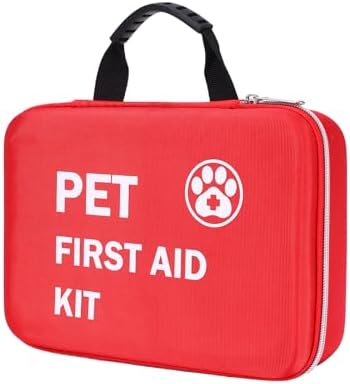
- A first-aid kit tailored for cats
- Veterinary contact information
Creating a Go-Bag for Your Cat
A go-bag is a portable, essential kit for your cat’s needs in the event of a sudden evacuation. Assembling a go-bag involves including:
- A carrier or crate for safe transport
- Blankets or towels for comfort
- Litter and a litter box
- Your cat’s favorite toys or comfort items
Emergency Contact Information
Having critical contact information readily available is imperative. This includes:
- Your veterinarian’s contact details
- Local animal shelters or rescue organizations
- Pet-friendly hotels or shelters along your evacuation route
Organizing this information in an easily accessible manner can significantly reduce time lost during an emergency.
| Supply Category | Essential Items |
|---|---|
| Food and Water | Non-perishable cat food, bottled water, food and water bowls |
| Medical Supplies | Prescription medication, first-aid kit, veterinary contact information |
| Comfort and Safety | Carrier or crate, blankets, litter and litter box, favorite toys |

Pet Insurance and Emergency Funds
Cat owners can alleviate the stress of unexpected vet bills by investing in pet insurance and setting up emergency funds. The American Pet Products Association (APPA) reports that the average annual vet costs for cats are significant. This underlines the necessity for financial readiness.
Understanding Pet Insurance Options
Pet insurance is a critical part of your cat’s emergency plan. Various options exist, each with its own coverage, deductibles, and premiums. It’s vital to research and compare these, looking for plans endorsed by organizations like the American Society for the Prevention of Cruelty to Animals (ASPCA). This ensures your cat’s needs are met without breaking the bank.
When choosing a pet insurance plan, consider several factors:
- Coverage for accidents, illnesses, and wellness care
- Deductibles and reimbursement rates
- Pre-existing condition policies
- Maximum annual payouts
Understanding these aspects allows you to make a well-informed choice. This ensures your cat is protected in emergencies.
Budgeting for Emergency Expenses
Alongside pet insurance, an emergency fund for your cat’s care adds financial security. This fund covers expenses not included in your insurance or pays deductibles and other costs.
To effectively budget for emergencies, consider:
- Setting aside a monthly amount in a dedicated savings account
- Reviewing your cat’s health history to anticipate future expenses
- Adjusting your budget as needed to accommodate changes in your cat’s health or age
Organizations like Save-A-Pet USA stress the importance of financial preparedness. This ensures your cat gets the care they need in emergencies.
Preparing Your Home for Emergencies
As a responsible cat owner, preparing your home for emergencies is a top priority. Ensuring your home is a safe haven for your cat during disasters or unexpected events requires careful planning and preparation.
Identifying Safe Zones
The first step in preparing your home is to identify safe zones where you and your cat can seek refuge during an emergency. According to the ASPCA, having a designated safe area can help reduce stress and keep your cat safe. When identifying safe zones, consider areas that are:
- Free from windows and exterior walls
- Accessible and easy to reach
- Well-ventilated and have a reliable source of light
Securing Windows and Doors
Securing your home’s windows and doors is critical to prevent injury from broken glass and debris. The American Pet Products Association (APPA) suggests taking measures to secure your home to protect your cat. To secure your windows and doors:
- Install sturdy doors and windows
- Use door stops and window locks
- Keep windows closed during emergencies
Creating an Evacuation Route
Having a well-planned evacuation route is essential for quickly and safely exiting your home with your cat during an emergency. Rescue Me recommends practicing your evacuation route with your cat to ensure they are comfortable and familiar with the route. When creating an evacuation route:
- Identify at least two escape routes from your home
- Choose routes that avoid hazardous areas
- Practice the route with your cat regularly
By following these steps, you can help ensure your home is prepared for emergencies, keeping your cat safe and secure.
Emergency Situations: Types and Responses
Emergency situations are inherently unpredictable and pose significant dangers, necessitating a well-thought-out plan for your cat’s safety. The ASPCA emphasizes the importance of being prepared for various emergencies to safeguard your cat’s well-being.
Diverse emergency scenarios demand tailored responses. This section delves into different emergency types and offers guidance on how to react to each.
Natural Disasters
Natural calamities, such as hurricanes, earthquakes, and floods, present unique challenges for cat owners. Developing a plan that includes a secure location for your cat and a disaster kit with vital items like food, water, and medication is imperative.
“Preparation is key to ensuring your cat’s safety during natural disasters.” The American Pet Products Association (APPA) stresses that having a plan can significantly enhance your cat’s safety.
Fire and Smoke Emergencies
Fire and smoke emergencies necessitate swift action to safeguard your cat. Crafting a fire evacuation plan that includes your cat is essential. This plan should outline safe exit routes and involve regular practice with all household members.
- Keep emergency phone numbers handy.
- Practice your evacuation plan regularly.
- Ensure your cat’s carrier is easily accessible.
Loss of Power
A power outage can be distressing for both you and your cat. A backup plan, such as a generator or alternative heating and cooling solutions, is beneficial. Also, maintaining a stock of flashlights, batteries, and non-perishable food is advantageous.
“In times of crisis, the safety of our pets is of utmost importance. Being prepared for emergencies can make a world of difference.”
By grasping the various emergency scenarios and preparing a plan, you can significantly enhance your cat’s safety and well-being.
First Aid Basics for Cats
As a cat owner, possessing basic first aid knowledge is vital in emergency situations. It can prevent minor issues from escalating into major problems. Understanding how to respond promptly is key.
Common Injuries and Treatments
Cats can encounter various injuries, such as cuts, burns, and broken bones. It is imperative to comprehend how to treat these injuries effectively.
- Cuts and Lacerations: Cleaning the wound with mild soap and water is essential.
- Burns: Applying a cool compress can help reduce the temperature of the skin.
- Broken Bones: Immobilizing the area is critical.


When to Contact a Veterinarian
Knowing when to seek professional help is critical. If your cat exhibits severe injury or illness signs, such as difficulty breathing, severe bleeding, or loss of consciousness, immediate veterinary contact is necessary.
Creating a First Aid Kit for Cats
Equipping a well-stocked first aid kit is essential for effective emergency response. Include items like bandages, antiseptic wipes, and tweezers in your kit.
| Item | Description |
|---|---|
| Bandages | For wrapping injuries |
| Antiseptic wipes | For cleaning wounds |
| Tweezers | For removing splinters or ticks |
Being prepared with basic first aid knowledge can significantly enhance your cat’s recovery chances in emergencies. Always maintain a first aid kit and know when to contact a veterinarian.
Training and Socializing Your Cat for Emergencies
Preparing for emergencies with your cat goes beyond just gathering supplies. It also involves training and socialization. A well-trained and socialized cat will likely remain calm and behave appropriately during emergencies. This makes it easier for you to manage the situation effectively.
The Importance of Socialization
Socialization is a vital part of your cat’s development and emergency preparedness. The American Society for the Prevention of Cruelty to Animals (ASPCA) emphasizes its importance. Socialization helps cats become confident and calm in new or stressful situations. A well-socialized cat is less likely to become anxious or aggressive during emergencies, reducing the risk of injury to both the cat and the people involved.
To socialize your cat effectively, expose them to various environments, people, and experiences from an early age. This can include visits to different rooms in the house, meeting new people, and even short car rides. The goal is to help your cat become accustomed to new sights, sounds, and smells. This makes them more resilient during emergencies.
Basic Commands Every Cat Should Know
While cats are not as easily trainable as dogs, they can learn basic commands useful during emergencies. Teaching your cat to come when called, for example, can be lifesaving if they escape during an emergency. Use positive reinforcement techniques, such as treats and praise, to encourage your cat to respond to their name and basic commands.
Basic Commands:
- Come when called
- Stay in a carrier or crate
- Walk on a leash
Training your cat to perform these commands requires patience and consistency. Begin with short training sessions and gradually increase the duration as your cat becomes more comfortable with the commands.
By investing time in training and socializing your cat, you can significantly enhance their ability to cope with emergencies. This ensures a safer and less stressful experience for both you and your pet.


Resources and Support for Cat Owners
For cat owners, access to dependable resources and support is essential during emergencies. The American Pet Products Association (APPA) highlights the significance of a support network in overcoming pet ownership hurdles.
Veterinary Care and Emergency Services
Veterinary clinics and emergency services are indispensable for cat owners. The American Society for the Prevention of Cruelty to Animals (ASPCA) offers insights on locating local veterinary care and emergency services.
Local Support and Organizations
Local pet shelters and organizations, such as Rescue Me and Save-A-Pet USA, provide invaluable resources and support. They often assist with pet adoption, training, and behavioral support.
Online Communities
Online forums and communities, like those on Best Friends Animal Society’s website, connect cat owners with peers facing similar challenges. These digital platforms offer emotional support, advice, and guidance on cat care and emergency preparedness.
FAQ
What should I include in my cat’s emergency food kit?
How can I prepare my cat for emergencies?
What are the essential supplies I need for cat emergency preparedness?
How often should I update my cat’s emergency plan?
What should I do if I need to evacuate with my cat?
How can I keep my cat calm during emergencies?
What are some common mistakes cat owners make when preparing for emergencies?
How can I create a cat emergency food storage plan?

References:
This article was created based on information from the following authoritative sources: American Society for the Prevention of Cruelty to Animals (ASPCA) and American Veterinary Medical Association