Are you ensuring your pet rat has the best living conditions? Creating an optimal habitat is vital for their well-being. The American Pet Products Association (APPA) emphasizes the importance of a suitable environment for pets.
A well-designed cage significantly impacts your rat’s life quality. A spacious cage with adequate ventilation is essential for promoting healthy behavior and reducing stress. What are the critical elements to consider when setting up your rat’s habitat?
Key Takeaways
- Understand the importance of cage size for your rat’s health.
- Learn about the essential features of an ideal rat habitat.
- Discover how to create a stimulating environment.
- Find out how to ensure proper ventilation in the cage.
- Explore tips for designing a comfortable and safe space.
Understanding the Needs of Pet Rats
The welfare of pet rats hinges on a deep comprehension of their requirements. These include social interaction, ample space, and stimulation. Pet rats, being intelligent and social, necessitate a habitat that supports their physical and emotional health.
Socialization and Companionship
Rats, as highly social animals, flourish in environments rich with interaction. The ASPCA stresses the significance of socialization for the emotional health of pets, including rats. Ensuring companionship can be achieved by housing rats in pairs or groups, provided they are introduced correctly to prevent conflict.
Engaging in activities such as handling and play with your pet rats is essential. It not only fortifies your bond but also provides them with the mental stimulation they crave.
Space Requirements
Providing adequate space is critical for the health and happiness of pet rats. The American Pet Products Association (APPA) highlights the necessity of sufficient space for pets to move freely. For rats, this entails a spacious cage that allows them to stand, turn, and move comfortably.
| Minimum Cage Size | Ideal Cage Size | Benefits |
|---|---|---|
| 24 inches long, 12 inches wide, and 12 inches tall | 36 inches long, 18 inches wide, and 18 inches tall | Provides ample space for movement, climbing, and exploration |
Enrichment Activities
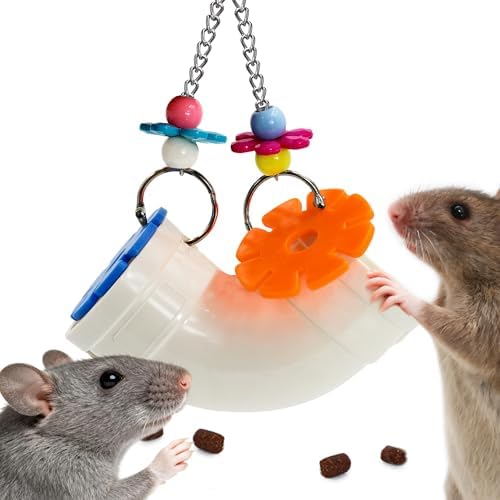
Enrichment activities are indispensable for maintaining the engagement and stimulation of pet rats. This includes providing pet rat cage accessories like tunnels, climbing structures, and toys. Recommended toys for pet rats include chew toys, puzzle toys, and interactive toys that challenge and engage them.
Regularly rotating toys and accessories can keep the environment fresh and exciting for your rats. Also, providing time outside of their cage for exploration and play significantly enhances their quality of life.
By comprehending and addressing the needs of pet rats, including their socialization, space, and enrichment, you can create a habitat that promotes their overall well-being and happiness.
Choosing the Right Cage for Your Pet Rats
The cage you select for your pet rats is critical to their well-being. It must provide a comfortable living space, stimulate their natural behaviors, and support their health.
Dimensions and Space Considerations
The cage’s size significantly impacts your rats’ quality of life. The Best Friends Animal Society emphasizes the need for a spacious cage. It should offer at least 2 cubic feet of space per rat, ensuring both vertical and horizontal movement.
Ideal Cage Dimensions:
| Cage Size (inches) | Number of Rats | Floor Space (square inches) |
|---|---|---|
| 24x12x12 | 1-2 | 288 |
| 36x18x18 | 3-4 | 648 |
| 48x24x24 | 5 or more | 1152 |
Bar Spacing and Material Options
The bar spacing is vital for preventing escape and injury. Bars should not be more than 1 inch apart. The cage material is also key; durable, easy-to-clean options like stainless steel or powder-coated metal are recommended.
Considerations for Bar Spacing:
- Maximum bar spacing: 1 inch
- Material durability: High
- Ease of cleaning: Easy
Multi-Level vs. Single-Level Cages
Multi-level cages offer more space for climbing and exploration, enriching the rats’ environment. Yet, they can be harder to clean and may require more accessories. Single-level cages, while simpler, may restrict natural climbing behaviors.
Comparison of Cage Types:
| Cage Type | Advantages | Disadvantages |
|---|---|---|
| Multi-Level | More space for climbing, varied environment | More complex to clean, higher cost |
| Single-Level | Simpler to clean, lower cost | Limited space for climbing |
The decision between a multi-level and single-level cage hinges on your cleaning ability and your rats’ needs and preferences.
Essential Cage Accessories for Your Rat Habitat
Creating a comfortable and stimulating environment for your pet rats requires careful selection of cage accessories. The right accessories can significantly enhance their quality of life. They provide comfort, stimulation, and opportunities for natural behavior.
Bedding Materials
Choosing the best bedding for pet rats is critical for their health and comfort. Avoid cedar and pine shavings due to their toxicity. Opt for safe alternatives like:
- Recycled paper-based bedding
- Asphaltene-free clay-based bedding
- Fleece or cotton hammocks
These options are not only comfortable but also help maintain a clean and dry environment.
Nesting Areas and Hiding Spots
Rats are naturally inclined to hide and nest. Providing nesting areas and hiding spots can help reduce stress and make them feel secure. Consider adding:
- Tunnels and tents made from safe materials
- Cardboard boxes or paper bags for hiding
- Nesting boxes or hammocks
Organizations like Rescue Me and Save-A-Pet USA recommend providing such enrichment. It mimics their natural habitat.



Climbing Structures and Toys
Rats are agile and love to climb. Incorporating climbing structures and toys into their cage can keep them active and engaged. Some ideas include:
- Multi-level cages or ladders
- Toys that challenge them, such as puzzle toys
- Rotating toys to keep the environment fresh and interesting
By incorporating these elements, you can create a dynamic and stimulating environment. It caters to your pet rats’ physical and psychological needs.
Creating a Comfortable Environment
To ensure your pet rats remain healthy and content, establishing a comfortable cage environment is imperative. The American Pet Products Association (APPA) emphasizes the significance of a conducive environment for pets, including rats.
Temperature and Humidity Levels
Optimal temperature and humidity levels are critical for your pet rats’ well-being. The ideal temperature range for rats is between 65°F to 75°F (18°C to 24°C). Humidity levels should be maintained between 50% to 60%. Avoid placing their cage near drafts, radiators, or air conditioning vents to prevent sudden temperature changes.
Lighting Conditions
Lighting plays a significant role in creating a comfortable environment. Rats are crepuscular, meaning they are most active at twilight and dawn. Provide a light cycle that mimics natural daylight, with 12-14 hours of light and 10-12 hours of darkness to simulate day and night.
Ventilation Needs
Proper ventilation is essential to remove ammonia from urine and other odors, ensuring fresh air circulation within the cage. Ensure good airflow by not over-accessorizing the cage and leaving some space between accessories and the cage walls.
By focusing on these aspects, you can create a comfortable and healthy environment for your pet rats. This contributes to their overall well-being and happiness.
Ideal Location for Your Rat Cage
Setting up a serene habitat for your pet rat begins with the cage’s location. The cage’s placement significantly affects your rat’s stress levels and health.
Placement in Your Home
When selecting a spot for your rat cage, opt for quiet, draft-free areas with stable temperatures. Steer clear of spots near heating vents, radiators, or air conditioning units to prevent temperature fluctuations. Also, avoid direct sunlight to prevent overheating.
Consider a corner in a quiet room, like a study or bedroom, for an ideal spot. This location offers a calm atmosphere and minimizes disturbance. Make sure the area is well-ventilated but not drafty.
Avoiding Stressful Noises
Rats are highly sensitive to sound, so it’s essential to place their cage away from noisy spots. Steer clear of areas near loud appliances and high-traffic zones with frequent noise.
Also, consider the noise levels from other pets. If you have dogs or loud pets, place the rat cage in a room that can be closed off. This reduces their exposure to stressful sounds.
Safety from Other Pets
Protecting your rats from other pets is critical. If your cats or dogs might see the rats as prey, keep the cage out of their reach. Position the cage at a height inaccessible to other pets or in a room that can be secured.
| Location Considerations | Recommended | Not Recommended |
|---|---|---|
| Noise Level | Quiet rooms | Near loud appliances or high-traffic areas |
| Temperature Stability | Away from heating vents and direct sunlight | Near radiators or air conditioning units |
| Safety from Other Pets | Out of reach of other pets, in a secure room | In areas accessible to other pets |
By thoughtfully choosing the location for your rat cage, you can ensure a comfortable and safe habitat. Consider the discussed factors to guarantee your rats’ well-being in their environment.
Feeding Station Setup
Establishing an appropriate feeding area is essential for your pet rat’s health and happiness. A well-organized feeding station not only ensures hygiene but also makes mealtime enjoyable for your pet.
Food and Water Bowls
Choosing the right food and water bowls is critical. Opt for bowls that are heavy to prevent tipping and easy to clean. Stainless steel or ceramic bowls are recommended for their durability and resistance to bacterial growth.
- Select bowls with a wide base for stability.
- Avoid bowls with sharp edges that could harm your pet.
- Ensure the bowls are large enough to hold sufficient food and water.
Avoiding Contamination
To prevent contamination, place the feeding station in a clean, dry area away from hazards like litter boxes. Regularly check the area for any signs of spillage or waste.
Tips for Avoiding Contamination:
- Keep the feeding area away from high-traffic zones.
- Use a mat or tray under the bowls to catch any spills.
- Monitor your pet’s eating habits to identify any issues early.
Frequency of Cleaning
Maintaining cleanliness is vital for your pet rat’s health. The feeding station should be cleaned daily, with food and water bowls washed thoroughly. Remove any uneaten food to prevent spoilage and discourage pests.
- Clean the bowls with soap and warm water daily.
- Rinse thoroughly to remove any soap residue.
- Dry the bowls before refilling to prevent bacterial growth.
By following these guidelines, you can create a feeding station that is both functional and safe for your pet rat. Incorporating recommended toys for pet rats near the feeding area can also enhance their environment, making mealtime more engaging. Ultimately, a well-set feeding station is one of the essentials for a happy pet rat home.
Litter Training Your Pet Rats
Training your pet rats to use a litter box can significantly enhance their living conditions and your overall pet experience. Litter training is not only beneficial for maintaining cleanliness but also for reducing odors and stress associated with a dirty environment.
Choosing the Right Litter Material
Selecting the appropriate litter material is critical for successful litter training. The best bedding for pet rats is typically made from safe, absorbent, and non-toxic materials. Options include recycled paper, aspen shavings, and certain types of wood pellets. Avoid using pine or cedar shavings due to their health risks.
- Recycled paper products are highly absorbent and compostable.
- Aspen shavings are a popular choice due to their safety and effectiveness.
- Wood pellets are another option, providing good absorbency and odor control.
Location for the Litter Box
Positioning the litter box in the right location within the cage is vital. Place it in a corner where your rats tend to deposit their waste, making it easier for them to learn to use it consistently. Ensure the litter box is easily accessible and not too close to their food and water areas.
Training Tips and Techniques
Effective litter training requires patience and consistency. Start by observing your rats’ natural habits to identify their preferred areas for relieving themselves. Place some of their waste in the litter box to encourage them to use it.
- Clean the litter box regularly to keep it free from odors and bacteria.
- Reward your rats with treats when they use the litter box correctly.
- Be prepared for accidents and do not punish your rats for mistakes.
By following these guidelines and maintaining a clean and comfortable environment, you can successfully litter train your pet rats. This will enhance their quality of life and your overall pet ownership experience.
Integrating Enrichment in the Habitat
To ensure your pet rats’ happiness and health, enriching their habitat is vital. Enrichment activities mimic their natural behaviors, keeping them engaged and active. A well-enriched environment supports both mental and physical health, reducing boredom and stress.
Rotational Toys and Activities
Rotating toys and activities is a great way to keep your pet rats engaged. This can include rat-friendly cage decorations such as tunnels, bridges, and climbing structures. Introducing new toys regularly prevents boredom and stimulates exploration. Some recommended toys for pet rats include:
- Tunnels and mazes for navigation
- Climbing walls and ladders for exercise
- Chewing toys made from safe materials like wood or untreated wicker
- Interactive toys that dispense treats
Interactive Playtime
Interactive playtime outside of the cage is essential for pet rats’ well-being. It allows them to explore new environments, exercise, and bond with their owners. During playtime, ensure the area is rat-proofed to prevent accidents. Some ideas for interactive play include:
- Setting up a rat-safe play area with various toys and obstacles
- Engaging in play with your rats using toys or your hands
- Providing sensory experiences, such as different textures and smells
DIY Enrichment Ideas
Creating DIY enrichment activities can be a fun and cost-effective way to enrich your pet rats’ environment. Some ideas include:
- Making a cardboard maze or tunnel system
- Creating a foraging toy by hiding treats in a container filled with rice or sand
- Using household items, like paper bags and cardboard boxes, to create hiding spots and toys
By incorporating these enrichment strategies, you can significantly enhance the quality of life for your pet rats. This ensures they lead happy, healthy, and stimulating lives.
Regular Cleaning and Maintenance
To ensure your pet rat’s well-being, establishing a cleaning and maintenance routine is imperative. A clean habitat not only boosts your pet’s health and joy but also deepens your connection with them.
Daily Routines for a Cleaner Cage
Daily cleaning is vital for a hygienic environment. Begin by removing soiled bedding, cleaning food and water dishes, and disinfecting surfaces your rat contacts. Employ a pet-safe cleaning agent to prevent harmful residues.
Daily Cleaning Checklist:
- Remove soiled bedding and replace with fresh material
- Clean food and water dishes thoroughly
- Disinfect surfaces and toys
- Check for and remove any waste or debris


Scheduling Deep Cleans
While daily cleaning is essential, deep cleaning is equally critical. Allocate time weekly or bi-weekly for a thorough cage cleaning, including all accessories and toys. Remove everything, clean with a pet-safe solution, and dry completely before replacing items and bedding.
| Deep Cleaning Tasks | Frequency |
|---|---|
| Clean the entire cage | Weekly/Bi-Weekly |
| Disinfect toys and accessories | Weekly |
| Replace bedding completely | Bi-Weekly |
The Importance of Hygiene
Hygiene is key to preventing disease and maintaining your rat’s health. Neglecting cleanliness can lead to respiratory infections. Proper ventilation in rat cages is also essential, as it removes stale air and moisture, reducing health risks.
Creating a happy pet rat home goes beyond providing food and shelter. It requires attention to hygiene and enrichment details. Regular cleaning and maintenance significantly improve your rat’s life quality.
By adhering to these guidelines and prioritizing cleanliness, you can ensure your pet rat’s environment remains healthy and joyful. Regular cleaning and maintenance are essentials for a happy pet rat home, fostering a strong and positive bond with your pet.
Monitoring Your Rats’ Health
Monitoring your rats’ health is essential for early detection of health issues. As a responsible pet owner, understanding signs of stress or illness is critical. Regular health checks and knowing when to seek veterinary advice are also vital.
Signs of Stress or Illness
Pet rats may show various signs when stressed or ill. These include changes in appetite, lethargy, labored breathing, or unusual discharge from the eyes or nose. Monitoring their behavior and physical condition daily is key to early identification.
Common health issues in rats include respiratory infections, tumors, and parasites. Awareness of these problems helps in creating a suitable pet rat habitat setup to minimize risks.
Regular Health Checks
Regular health checks are essential for maintaining your rats’ health. This involves inspecting their overall condition, checking for illness signs, and ensuring their environment is clean and safe. A top-rated rat cage setup with adequate ventilation and easy-to-clean surfaces is beneficial for their health.
During these checks, observe your rats’ behavior for signs of stress or illness. Also, check their cage for soiled bedding, uneaten food, or dirty water, and address these issues promptly.
| Health Check Item | Description | Frequency |
|---|---|---|
| Overall Condition | Inspect for signs of illness or injury | Daily |
| Cage Cleanliness | Check for soiled bedding, uneaten food, dirty water | Daily |
| Behavioral Observations | Observe for signs of stress or illness | Daily |
When to Contact a Veterinarian
If you notice persistent or worsening signs of illness or stress, consult a veterinarian experienced in rat care. Early intervention can significantly improve treatment outcomes.
According to the American Society for the Prevention of Cruelty to Animals (ASPCA), seeking professional veterinary advice is essential for pet health issues. A veterinarian can offer guidance on the best care practices and treatment options for your pet rats.
Exploring Additional Habitat Options
While a primary cage serves as a comfortable home for pet rats, additional habitats can significantly enrich their lives. The American Society for the Prevention of Cruelty to Animals (ASPCA) stresses the need for varied and stimulating environments for pets. This variety is key to their well-being and happiness.
Outdoor vs. Indoor Habitats
Outdoor habitats can provide a unique experience for pet rats, but they demand careful consideration. It’s essential to ensure safety and comfort in these settings. Adequate shelter, protection from predators, and a suitable climate are critical. On the other hand, indoor habitats offer more control over the environment, appealing to many pet owners.
Temporary Travel Cages and Exercise Enclosures
Temporary travel cages are vital for safe rat transport, while supplemental enclosures offer extra space for exercise. When selecting these, focus on the ideal rat cage size to ensure enough room for movement. Adding rat-friendly cage decorations can also boost their experience. These decorations provide mental stimulation and physical activity, enriching their lives.
FAQ
What is the ideal cage size for pet rats?
How often should I clean my pet rat’s cage?
What type of bedding is best for pet rats?
How can I ensure proper ventilation in my pet rat’s cage?
What are some recommended toys for pet rats?
Can I keep my pet rat’s cage outdoors?
How can I litter train my pet rat?
What are the signs of stress or illness in pet rats?
How often should I provide new enrichment activities for my pet rat?
What is the ideal temperature range for a pet rat’s cage?
References:
This article was created based on information from the following authoritative sources: American Society for the Prevention of Cruelty to Animals (ASPCA) and Royal Society for the Prevention of Cruelty to Animals (RSPCA).