Did you know that over 45 million households in the United States share their lives with a feline companion? The American Pet Products Association (APPA) reveals that these animals have become integral to our daily lives. Choosing the right pet is a crucial decision that significantly influences our long-term happiness.
The Ragdoll emerges as a top choice for those desiring a calm and affectionate companion. Renowned for their docile temperament, these stunning creatures are often regarded as the ultimate cuddle buddies. They have a unique ability to relax completely when held, making them a favorite among family members of all ages.
Opting for the right breed is key to creating a harmonious living environment for all. These cats bring a gentle presence that turns any house into a peaceful sanctuary. By grasping their needs, you can forge a lasting bond with these remarkable cats.
Key Takeaways
- The American Pet Products Association (APPA) highlights the growing importance of pets in American homes.
- The Ragdoll is widely recognized for its exceptionally calm and affectionate nature.
- These animals are ideal for households looking for a low-energy, loving companion.
- Proper breed selection is essential for maintaining a balanced and happy home environment.
- Building a strong bond with your pet starts with understanding their specific behavioral traits.
Understanding Ragdoll Temperament
For those seeking a feline companion embodying the essence of docility, the Ragdoll is the epitome. Renowned for its exceptionally calm and gentle demeanor, this breed captivates families and individuals alike. Grasping the Ragdoll temperament is crucial for forging a fulfilling bond with these endearing creatures.
The Ragdoll’s propensity to relax into a limp state when held is a testament to their trusting and relaxed nature. This unique trait aligns perfectly with a serene, indoor-centric lifestyle, appealing to many prospective owners.
What Makes Ragdolls Unique?
The Ragdoll’s distinctiveness lies in its profound desire for human companionship. Unlike many cats, which value their independence, the Ragdoll personality traits emphasize a deep commitment to their owners. They are content to simply be in their owner’s presence, without demanding attention.
Another characteristic that sets them apart is their lack of aggression. They exhibit remarkable patience, often enduring handling that might stress other cats. This inherent gentleness makes them a perfect fit for households seeking tranquility.
Key Traits of Ragdoll Behavior
Observing Ragdoll cat behavior reveals a distinct absence of high-energy activities. Unlike some breeds, they do not engage in frenetic play or racing. Instead, they enjoy moderate play followed by extended periods of rest in cozy spots.
They are keen observers and possess intelligence, quickly adapting to household routines. Their social nature thrives on consistent interaction and positive reinforcement. By understanding these distinctive personality traits, you can create a nurturing environment, fostering a lasting and joyful relationship.
Ragdolls and Family Life
Many families opt for Ragdolls as they are among the top family-friendly pets today. These cats exhibit a calm demeanor, making them perfect for households seeking a gentle companion. Their reputation as one of the best family cat breeds is due to their ability to remain relaxed in active environments.
How Ragdolls Interact with Kids
Ragdolls are renowned for their remarkable patience with children. Unlike more skittish breeds, they tolerate the unpredictable movements and loud noises typical of busy homes. This laid-back personality enables them to form deep, trusting bonds with younger family members.
Teaching children how to handle these cats with care and respect is crucial. Even the most tolerant pet needs a safe space to retreat when feeling overwhelmed. By promoting gentle interaction, you ensure a positive and safe relationship between your child and cat for years.
Living Peacefully with Other Pets
Introducing a new cat to a home with existing animals requires patience and a structured approach. The American Society for the Prevention of Cruelty to Animals (ASPCA) stresses the importance of socialization for feline well-being in domestic environments. Proper introductions prevent stress and foster long-term harmony among pets.
“Socialization is a process that should be handled with care, ensuring that every animal feels secure and respected within the shared living space.”
Ragdolls generally get along well with other animals, including dogs, due to their non-aggressive nature. To understand their compatibility with other pets, consider the following traits:
| Trait | Ragdoll | Typical House Cat | Active Dog Breed |
|---|---|---|---|
| Social Tolerance | High | Moderate | High |
| Energy Level | Low to Moderate | Moderate to High | Very High |
| Need for Space | Low | Moderate | High |
| Ease of Training | Moderate | Low | High |
Choosing one of the best family cat breeds means investing in a peaceful home environment. These cats are truly top family-friendly pets that bring joy and comfort to every household member. With proper care and gradual introductions, your Ragdoll will become a beloved and integral part of your family.

Extra 40% Discount on All Orders
Why pay full price for quality? Want the VIP treatment for your pet? Join PetCare+ now to solve the problem of recurring costs with a massive 40% OFF, plus exclusive free gifts and free shipping on every order.
Pet Care Supplies
Mon-Fri 9 AM – 5 PM CST
The Gentle Giant: Physical Appearance
Upon first meeting a Ragdoll, their size and elegance immediately capture your attention. These cats are renowned for their substantial build and calm demeanor, often surprising new owners. Exploring Ragdoll cat characteristics aids in comprehending their development and health requirements.
Size and Weight of Ragdolls
Ragdolls are among the largest domesticated cat breeds, characterized by a sturdy, muscular frame. Males typically weigh between 15 and 20 pounds, while females range from 10 to 15 pounds. It is crucial to note that these cats mature slowly, often continuing to grow until they reach three or four years of age.
Given their size, maintaining a healthy weight is essential for their well-being. Owners must regularly monitor their cat’s body condition to ensure they remain at an ideal weight. A balanced diet is necessary to support their large frame without leading to unnecessary weight gain.
Distinctive Fur and Eye Color
The Ragdoll’s coat is a defining feature, known for its silky, rabbit-like texture. They possess a semi-long coat that is plush and soft, requiring regular grooming to prevent matting. Their fur patterns are typically color-pointed, with the ears, tail, and face being darker than the rest of the body.
Their brilliant blue eyes are perhaps the most striking Ragdoll cat characteristic. This trait is a hallmark of the breed and is genetically linked to their color-pointed coat patterns. Below is a summary of the physical traits that define this beautiful breed:
| Feature | Description | Key Detail |
|---|---|---|
| Body Type | Large and muscular | Broad chest |
| Coat Texture | Silky and plush | Low shedding |
| Eye Color | Vivid blue | Oval shape |
Understanding these physical traits is crucial for providing optimal care. Whether it’s managing their weight or maintaining their coat health, recognizing these unique features enhances your bond with your pet. By focusing on these details, you ensure your cat thrives in your home environment.
Essential Care for Ragdoll Cats
Ensuring a long and joyful life for your feline friend hinges on proper care. Grasping the Ragdoll cat characteristics enables owners to customize their care routines. By adhering to consistent maintenance, you guarantee your pet’s comfort and health throughout their existence.
Grooming Needs of Ragdolls
Ragdolls boast a stunning, semi-long coat that necessitates regular grooming to maintain its quality. Their fur, lacking a dense undercoat, is less susceptible to matting than other long-haired breeds. Yet, it still demands consistent brushing. Grooming your cat at least twice a week is crucial to remove loose hair and avert tangles near the skin.
Focus on areas prone to friction, such as behind the ears and under the legs. Utilizing a stainless steel comb or a slicker brush will aid in keeping their coat soft and manageable. These Ragdoll cat care tips foster a deeper bond with your pet while ensuring their fur remains healthy and radiant.
Dietary Considerations for Ragdolls
Preserving an ideal weight is crucial for your cat’s long-term health. Despite their size and muscle, Ragdolls can easily become obese if their calorie intake is not managed. A high-quality, balanced diet tailored to their life stage is essential for their well-being.
Seek advice from your veterinarian to ascertain the correct portion sizes based on your cat’s activity level. Avoid free-feeding, as it frequently results in overeating and weight gain. Instead, adopt a structured feeding schedule to maintain a healthy weight for your companion.
| Care Task | Frequency | Primary Benefit |
|---|---|---|
| Brushing Coat | 2-3 times weekly | Prevents matting |
| Nail Trimming | Every 2 weeks | Prevents overgrowth |
| Dental Cleaning | Weekly | Promotes oral health |
| Weight Check | Monthly | Prevents obesity |
The Social Butterfly of the Feline World
The Ragdoll, a social butterfly in the feline realm, thrives on human interaction and constant companionship. These cats are not mere pets; they are devoted family members who seek to be at the center of every household activity. Their unique Ragdoll personality traits distinguish them as one of the most people-oriented breeds today.
Affectionate Nature of Ragdolls
Ragdolls are renowned for their gentle and calm nature, often likened to having a puppy-like devotion to their owners. Unlike more independent breeds, these cats actively seek human company throughout the day. They have a natural inclination to be near their favorite people, whether lounging on a nearby chair or resting at your feet.
This deep bond is a breed hallmark. Owners often observe that their cats are highly sensitive to the emotional state of the household. By maintaining a calm and loving environment, you encourage your cat to express its most affectionate tendencies.


How They Show Affection to Their Owners
Understanding the specific ways your cat communicates love strengthens your emotional connection. Many Ragdolls will follow their owners from room to room, ensuring they never miss a moment of interaction. This behavior is a clear sign of their loyalty and social nature.
Beyond simply following you, these cats often express affection through physical closeness. They are well-known for their tendency to curl up in laps or lean against their owners while they work or relax. The following table highlights common behaviors associated with these unique Ragdoll personality traits.
| Behavior | Description | Emotional Meaning |
|---|---|---|
| Shadowing | Following you room to room | Desire for constant companionship |
| Lap Sitting | Resting on your legs | Deep trust and comfort |
| Soft Vocalizing | Gentle chirps or purrs | Contentment and greeting |
| Head Bunting | Rubbing their head on you | Affection and bonding |
By observing these subtle cues, you can better appreciate the special bond you share with your pet. Every interaction serves as a reminder of why this breed is so cherished by families across the United States.
Training a Ragdoll Cat
Many owners are surprised to learn that the gentle Ragdoll is highly responsive to structured guidance. These cats, often seen as laid-back companions, possess a sharp intelligence that thrives on positive interaction. Incorporating consistent training into your routine is one of the most essential Ragdoll cat care tips for fostering a well-behaved pet.
Tips for Effective Training
The secret to success lies in positive reinforcement. Ragdolls have a natural desire to please their owners, making them more responsive to rewards than correction. Use high-value treats or verbal praise immediately after your cat performs a desired behavior, such as using the litter box or responding to their name.
“Training is not just about teaching commands; it is about building a language of trust and mutual respect between you and your feline companion.”
Keep your training sessions short and frequent to maintain your cat’s interest. Aim for five-minute intervals to prevent fatigue or boredom. Consistency is key, so ensure that all family members follow the same rules to avoid confusing your pet. Following these Ragdoll cat care tips will help you establish clear boundaries while keeping your cat happy.
Socialization Skills for Ragdolls
Early socialization is vital for ensuring your Ragdoll remains confident and well-adjusted in various settings. Exposing your kitten to different sounds, surfaces, and visitors helps them develop a resilient personality. A well-socialized cat is less likely to experience stress when faced with new environments or changes in the household.
Consider these strategies to improve your cat’s social confidence:
- Introduce your cat to gentle handling by different family members.
- Use positive reinforcement to reward calm behavior during visits from guests.
- Provide a safe space where your cat can retreat if they feel overwhelmed.
By prioritizing these Ragdoll cat care tips, you empower your pet to navigate the world with ease. Remember that patience is your greatest tool during this process. With time and gentle encouragement, your Ragdoll will become a confident and social member of your family.
The Ideal Home Environment for Ragdolls
Ragdolls, recognized as top family-friendly pets, flourish in a home environment tailored to their needs. Their gentle nature makes them dependent on their owners for a safe, stimulating indoor space. By prioritizing both physical comfort and mental engagement, you can guarantee your cat’s happiness and health for many years.
Suitable Living Spaces
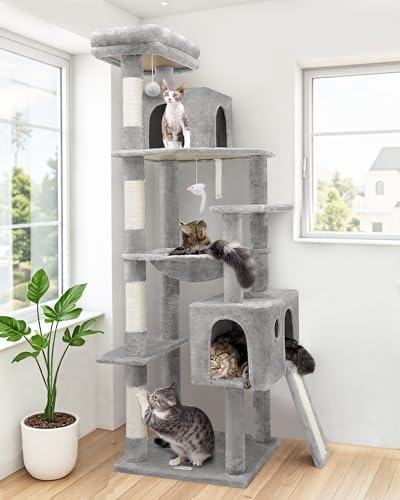
Ragdolls, being mostly indoor cats, prefer to stay close to their human family. To create the ideal family pet cat experience, your home should have ample vertical space. This includes cat trees or wall-mounted shelves, allowing your cat to watch the household from a secure height.
Comfort is crucial for this breed, so providing soft bedding in quiet spots is vital. Soft, plush surfaces replicate the cozy environment they seek during their extended naps. Make sure your living space is free from small, ingestible hazards, as these curious cats may occasionally explore items they should not.
Importance of Safe Outdoor Access
While many owners consider letting their cats roam freely, the American Society for the Prevention of Cruelty to Animals (ASPCA) generally advises keeping cats indoors. This protects them from predators, traffic, and disease. Yet, Ragdolls can still enjoy the outdoors through controlled access methods. A secure “catio” or an enclosed patio allows your pet to experience fresh air and sunshine without the risks of free-roaming.
If you decide to provide outdoor time, ensure the area is fully escape-proof. Supervised outings on a harness can also be a rewarding way to bond with your cat while keeping them safe. By prioritizing a protected environment, you uphold the values of responsible pet care and ensure your companion remains a cherished member of the family.
Health Considerations for Ragdolls
Understanding the specific health profile of your Ragdoll is crucial for responsible ownership. These cats, known for their calm demeanor, need diligent attention to their physical well-being. This ensures they thrive throughout their lives. By staying informed, you can effectively partner with your veterinarian to provide the best care.
Common Health Issues in Ragdolls
Ragdolls, like many purebred cats, have genetic predispositions that owners should monitor. One significant concern is Hypertrophic Cardiomyopathy (HCM), affecting the heart muscle. Responsible breeders often conduct genetic testing to reduce this risk. It’s essential to discuss this during your initial vet visits.
Some Ragdolls may also be prone to urinary tract issues or bladder stones. Monitoring your cat’s litter box habits is crucial. If you notice any changes in frequency or discomfort, consulting a professional immediately is vital.
Routine Veterinary Care
A consistent schedule of veterinary check-ups is key to a long, healthy life for your cat. Even if your cat appears perfectly healthy, annual or bi-annual exams are crucial. These visits help your vet establish a baseline for your pet’s health and catch potential issues early.
Preventative screenings, such as blood work and heart health monitoring, are recommended as your Ragdoll ages. Keeping vaccinations and parasite prevention up-to-date is also non-negotiable. By prioritizing these routine appointments, you protect your cat’s future and strengthen your bond through dedicated care.


Ragdoll Playtime Essentials
Playtime is crucial for bridging physical health and emotional bonding in Ragdolls. Despite their laid-back nature, they need regular exercise to stay healthy and mentally sharp. Consistent activity is key to preventing the lethargy common in indoor pets.
Daily play sessions allow you to connect with your cat’s unique personality. They provide the physical stimulation they need. Just a few minutes of play each day keeps your companion happy and agile.
Recommended Toys for Ragdolls
Choose toys that stimulate their natural hunting instincts without being too intense. Wand toys with feathers or soft ribbons are great. They allow you to control the game, building trust as your cat focuses on the toy, not your hands.
Puzzle feeders and treat-dispensing toys offer mental challenges for this intelligent breed. They keep your cat engaged as they work for rewards, mimicking wild foraging behavior. Ensure the toys are durable and free from small parts that could be a choking hazard.
“The bond between a human and their cat is strengthened through the simple, shared joy of play, turning every session into a moment of mutual discovery.”
Engaging Activities for Your Cat
Ragdolls prefer games that involve gentle chasing or tracking over high-intensity jumping. Try dragging a soft toy slowly across the floor to mimic prey. This low-impact exercise is perfect for their size and helps keep their joints flexible.
Hide and seek games by placing treats or toys in different areas of the room are also great. They encourage exploration and use of natural curiosity to find hidden treasures. The goal is to make every interaction positive and rewarding, ensuring your Ragdoll feels confident and secure.
Understanding Ragdoll Vocalization
Exploring the vocal signals of your pet uncovers insights into their emotional landscape and daily necessities. Despite their reputation for being quiet, Ragdoll cat behavior reveals a world of communication. They express themselves through soft, gentle sounds, eschewing loud outbursts.
Typical Sounds and Their Meanings
Owners frequently observe their cats using soft chirps and trills to welcome them. These melodious sounds signify happiness and contentment upon entering a room. It’s their way of greeting and acknowledging your arrival.
At times, a soft, breathy meow may be heard. This Ragdoll cat behavior typically signifies a polite request for attention, sustenance, or affection. Unlike more vocal breeds, they rarely engage in persistent yowling, except when they are severely distressed or neglected.
Communicating with Your Ragdoll
Establishing a profound connection necessitates active listening as much as speaking. When your cat chirps, respond with a soft, calm tone. This positive reinforcement reinforces their sense of being heard, encouraging further communication.
Attentiveness to the context of their vocalizations is crucial. If your cat vocalizes near their food bowl, they are likely signaling a hunger need. By deciphering these subtle cues, you can better meet their needs and enhance your bond with your gentle companion.



Why Choose a Ragdoll as Your Family Cat?
Introducing a feline companion into your home fosters a profound bond, enhancing your daily existence. Ragdolls, renowned for their serene nature and unwavering loyalty, distinguish themselves as premier family cat breeds. Their tranquil disposition and deep affection towards humans make them an exemplary choice for families.
Long-Term Companionship Benefits
These felines offer enduring affection and a consistent presence, enriching your life for years to come. Their gentle character renders them an ideal choice for households desiring a stress-free pet. They become steadfast companions, seamlessly integrating into your routine, offering solace during tranquil evenings.
Finding the Right Ragdoll for Your Family
Ensuring the health and temperament of your new pet is paramount. The Best Friends Animal Society champions the adoption of animals from shelters, ensuring they find permanent, loving homes. Resources like Rescue Me or Save-A-Pet USA can aid in finding a cat in need of a second chance.
Opting for adoption or purchase from reputable sources promotes ethical practices within the pet industry. These organizations prioritize the welfare of family cats, providing essential medical care and socialization. Welcoming a Ragdoll into your life initiates a journey of trust and mutual care, promising a rewarding experience.

FAQ
What defines the unique Ragdoll temperament compared to other breeds?
Are Ragdolls considered one of the best family cat breeds for households with children?
What are the most recognizable Ragdoll cat characteristics?
What should new owners know about Ragdoll cat care tips and grooming?
How would you describe the Ragdoll personality traits regarding social interaction?
Are Ragdolls prone to any specific health issues owners should be aware of?
Can you train a Ragdoll cat using positive reinforcement?
Where is the best place to find a Ragdoll cat for adoption?
References:
This article was created based on information from the following authoritative sources: American Society for the Prevention of Cruelty to Animals (ASPCA) and American Veterinary Medical Association