Animal shelters are critical in providing a safe environment for dogs in need. Yet, the threat of parvovirus outbreaks is significant, endangering the health and well-being of these animals. The American Society for the Prevention of Cruelty to Animals (ASPCA) highlights parvovirus as a highly contagious and potentially lethal disease.
To safeguard shelters against this deadly virus, effective prevention strategies are essential. Understanding the risks and implementing stringent hygiene practices and vaccination protocols are key. This guide will outline the critical steps to ensure the health and safety of animals in your care. It aligns with best practices in Shelter Management.
Key Takeaways
- Understanding parvovirus and its risks
- Implementing effective vaccination protocols
- Maintaining rigorous hygiene practices
- Strategies for Shelter Management
- Reducing the risk of parvo outbreaks
Understanding Parvovirus in Dogs
Grasping the essence of parvovirus is imperative for shelters to thwart outbreaks and safeguard the well-being of dogs under their care. The American Pet Products Association (APPA) emphasizes the critical role of parvovirus comprehension in curbing its dissemination. Canine parvovirus, commonly dubbed parvo, is a highly contagious virus that impacts dogs across all age spectrums.
What is Canine Parvovirus?
Canine parvovirus constitutes a viral affliction that ravages the gastrointestinal tract of dogs, precipitating severe illness. Its high contagion rate and potentially lethal consequences render it a pressing concern for shelters. The virus’s resilience allows it to persist in the environment for prolonged durations, posing a formidable challenge to eradication efforts.
Symptoms of Parvovirus
The manifestations of parvovirus encompass severe diarrhea, vomiting, lethargy, and diminished appetite. Infected canines may also exhibit fever and abdominal discomfort. Prompt identification of these symptoms is vital for timely intervention and therapeutic measures.
How Parvo Spreads Among Dogs
Parvovirus predominantly disseminates through direct contact with infected feces. Dogs can contract the virus by sniffing, licking, or consuming contaminated fecal matter. Indirect transmission occurs through contaminated surfaces, food and water bowls, and even the attire and footwear of individuals who interact with infected dogs.
Comprehending the transmission and symptoms of parvovirus is fundamental for shelters to devise efficacious preventive measures. The following table encapsulates essential information regarding parvovirus:
| Transmission Methods | Symptoms | Prevention Measures |
|---|---|---|
| Direct contact with infected feces | Severe diarrhea, vomiting | Vaccination |
| Indirect contact through contaminated surfaces | Lethargy, loss of appetite | Proper hygiene and cleaning |
| Contact with contaminated clothing or shoes | Fever, abdominal pain | Quarantine procedures |
Importance of Parvo Prevention in Shelters
Parvovirus prevention is a critical aspect of shelter management, ensuring the well-being of dogs and the community. Effective prevention strategies help shelters maintain a healthy environment. This reduces the risk of outbreaks and protects both dogs and humans from the indirect effects of parvovirus.
Impact on Shelter Operations
Outbreaks of parvovirus can significantly disrupt shelter operations. When a shelter experiences an outbreak, it may need to close temporarily, relocate dogs, or implement costly quarantine measures. According to the Best Friends Animal Society, maintaining a healthy environment is critical for shelter operations. Preventing parvo is essential to avoid these disruptions and ensure continuous operation.
Public Health Concerns
While parvovirus mainly affects dogs, it can indirectly impact public health. Contaminated environments can pose a risk to humans, mainly those with weakened immune systems. By preventing parvo in shelters, we contribute to a safer community environment.
Economic Implications
The economic implications of parvovirus outbreaks in shelters are substantial. Treating infected dogs is costly, and the loss of dogs due to parvo can lead to significant expenses for shelters. A detailed breakdown of these costs is shown in the table below:
| Expense Category | Cost per Dog | Total Cost for Outbreak |
|---|---|---|
| Veterinary Care | $500 | $10,000 (for 20 dogs) |
| Medication | $100 | $2,000 (for 20 dogs) |
| Quarantine Facilities | $200 | $4,000 (for 20 dogs) |
| Total | $800 | $16,000 |
Preventing parvovirus not only saves lives but also reduces the financial burden on shelters. This allows them to allocate resources more effectively.
Vaccination Protocols for Parvovirus
Vaccination stands as a fundamental preventive measure against canine parvovirus in animal shelters. It is imperative to implement effective vaccination protocols to safeguard dogs from this lethal virus. The American Society for the Prevention of Cruelty to Animals (ASPCA) and Rescue Me underscore the necessity of adhering to stringent vaccination protocols to avert parvovirus outbreaks.
Key Vaccines for Canine Parvovirus
The core vaccines for canine parvovirus are indispensable for all dogs entering a shelter. These vaccines aim to confer immunity against the virus, substantially diminishing the risk of infection. The ASPCA advises that puppies should initiate vaccinations at 6-8 weeks of age, with subsequent boosters administered every 3-4 weeks until they reach 16-17 weeks old.
Vaccination Types: Various vaccine types are available, including modified live virus (MLV) vaccines and killed virus vaccines. MLV vaccines are generally regarded as providing more robust immunity and are frequently recommended.
Recommended Vaccination Schedule
Adherence to a recommended vaccination schedule is critical to ensure dogs are adequately shielded against parvovirus. The schedule may fluctuate based on the dog’s age, health status, and the vaccine type employed.
| Age | Vaccination Type | Booster Interval |
|---|---|---|
| 6-8 weeks | Initial Vaccination | Every 3-4 weeks |
| 16-17 weeks | Final Booster | 1 year later |
| 1 year+ | Booster Shots | Every 3 years |
Importance of Booster Shots
Booster shots are indispensable for maintaining immunity against parvovirus. They ensure the dog’s immune system remains adept at combating the virus. Save-A-Pet USA emphasizes the importance of adhering to the recommended booster schedule to ensure continuous protection.
In summary, a meticulously designed vaccination protocol is essential for preventing parvovirus in shelters. By comprehending the key vaccines, adhering to a recommended vaccination schedule, and administering booster shots, shelters can significantly mitigate the risk of parvovirus outbreaks.
Hygiene Practices to Combat Parvovirus
Combating parvovirus necessitates a multifaceted strategy, beginning with stringent hygiene practices. A clean environment is essential in preventing parvovirus spread in shelters.
Cleaning and Disinfecting Shelter Facilities
Shelters must adhere to rigorous cleaning and disinfecting protocols. The ASPCA emphasizes the importance of using appropriate disinfectants. A bleach and water solution is effective against parvovirus.
“Proper cleaning and disinfection are critical in controlling the spread of parvovirus.” – ASPCA
The virus can persist on surfaces for prolonged periods, necessitating regular disinfection.
Proper Waste Management
Effective waste management is a vital hygiene practice. Shelters must have systems for the safe disposal of waste, including feces and contaminated materials.
Proper disposal minimizes the risk of parvovirus transmission.
Basic Personal Hygiene for Staff
Staff members must adhere to good personal hygiene practices. This includes frequent hand washing and the use of protective gear when handling potentially infected animals or contaminated materials.

Quarantine Procedures for New Arrivals
Effective quarantine procedures are essential for shelters to prevent parvovirus outbreaks among new arrivals. These protocols are critical in safeguarding the health of dogs in shelters. They ensure new dogs are isolated until confirmed free of parvovirus.
Isolating Infected Animals
Shelters must have a designated isolation area for dogs suspected or confirmed to be infected with parvovirus. Isolating infected animals is critical to prevent the spread of the virus. The isolation area should be well-ventilated, easy to clean, and equipped with necessary supplies to care for the dogs.
Monitoring New Arrivals
Monitoring new arrivals closely for signs of parvovirus is vital during the quarantine period. Shelters should check for symptoms such as vomiting, diarrhea, lethargy, and loss of appetite. Any dog showing these symptoms should be isolated immediately, and a veterinarian should be consulted.
Duration of Quarantine
The duration of quarantine should be determined based on the risk assessment and veterinary advice. According to the Best Friends Animal Society, a quarantine period of at least 14 days is recommended. This ensures new arrivals are not infected with parvovirus. During this time, dogs should be kept under observation, and their health status should be regularly assessed.
By implementing these quarantine procedures, shelters can significantly reduce the risk of parvovirus outbreaks. This protects the health of their canine populations.
Educating Staff on Parvovirus Management
Effective staff education is the cornerstone of parvovirus prevention in shelters. By ensuring that all staff members are well-informed about parvovirus management, shelters can significantly reduce the risk of outbreaks.
Training on Identification of Symptoms
Training staff to identify the symptoms of parvovirus is critical. Symptoms include severe diarrhea, vomiting, lethargy, and loss of appetite. Early detection is key to providing timely treatment and preventing the spread of the virus.
Key Symptoms to Identify:
- Severe diarrhea
- Vomiting
- Lethargy
- Loss of appetite
Recognizing and Reporting Outbreaks
Staff should be trained to recognize and report outbreaks by monitoring dog health closely. Any suspected cases of parvovirus should be reported immediately to management to facilitate prompt action.
| Action | Responsibility | Timeline |
|---|---|---|
| Monitor dog health | All Staff | Ongoing |
| Report suspected cases | All Staff | Immediate |
| Isolate infected dogs | Management/ Veterinary Staff | Within 2 hours |
Staff Responsibilities in Prevention
Staff play a vital role in preventing parvovirus outbreaks. This includes maintaining hygiene standards, ensuring dogs are up-to-date with vaccinations, and monitoring the health of new arrivals.
According to the American Society for the Prevention of Cruelty to Animals (ASPCA), maintaining a clean environment is critical in preventing the spread of parvovirus. Staff should be educated on proper cleaning and disinfecting protocols to ensure the shelter remains a safe environment for all animals.
Community Engagement and Outreach
Outreach and education are fundamental in combating parvovirus in animal shelters. Through community engagement, shelters can effectively lower parvo incidence among dogs.
Informing the Public About Parvovirus
It is imperative to educate the public about parvovirus to prevent its spread. Shelters can leverage various channels to disseminate information on parvo risks and preventive measures. The ASPCA and local veterinarians serve as invaluable allies in this educational mission.
Key Strategies for Public Education:
- Distributing informational brochures
- Utilizing social media platforms
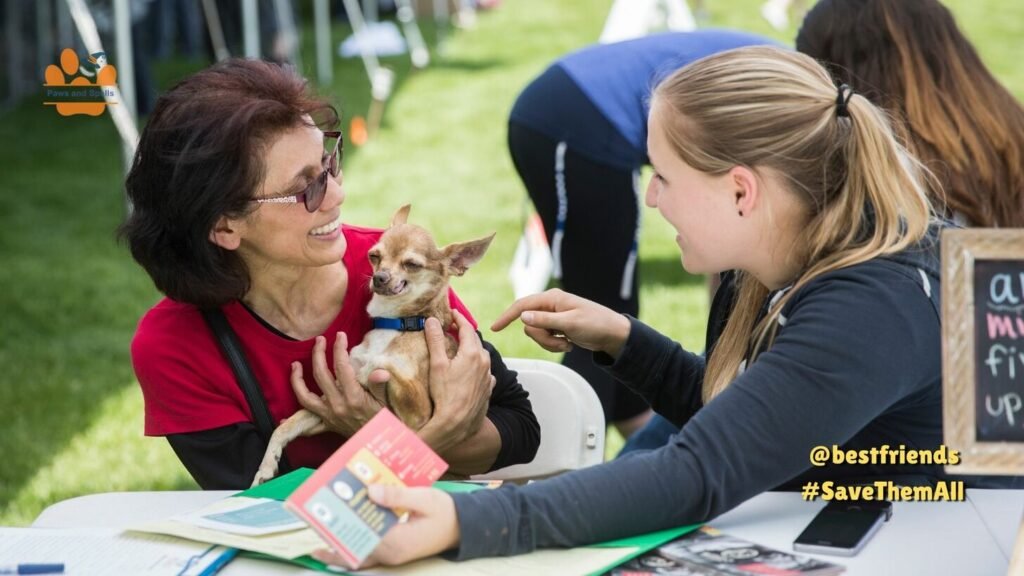
- Organizing community events
Hosting Educational Workshops
Workshops are a potent tool for educating the community on parvovirus prevention. These sessions can address vaccination protocols, hygiene practices, and the critical role of early detection.
Collaborating with Local Veterinarians
Collaboration with local veterinarians is vital for promoting optimal dog care and parvo prevention. Veterinarians offer indispensable insights and resources, bolstering shelters’ outreach efforts.
| Partner | Role in Community Engagement |
|---|---|
| Local Veterinarians | Providing expert advice on parvovirus prevention |
| ASPCA | Offering resources and support for community outreach |
| Rescue Me | Assisting in the dissemination of information about parvovirus |
By adopting these strategies, shelters can cultivate an informed community capable of preventing parvovirus. Continuous engagement and education are essential for reducing parvo incidence and ensuring the health of dogs in shelters.
Importance of Adoption Verification
Adoption verification is critical for the health and well-being of dogs in shelters. It involves several key steps to prevent the spread of diseases, such as parvovirus. This process is essential for the safety of both the dogs and the community.
Assessing the History of Adopted Dogs
Before adopting a dog, it’s vital to review its health history. This includes examining vaccination records and understanding its disease exposure. Shelters collaborate with organizations like the American Society for the Prevention of Cruelty to Animals (ASPCA) to implement rigorous screening processes.
Ensuring Vaccination Compliance
Ensuring adopted dogs are current on vaccinations is critical. This protects the dog and prevents parvovirus spread in the community. Shelters must provide adopters with vaccination records and schedules for future vaccinations.
Follow-Up Care for Adopted Dogs
Follow-up care is a key part of adoption verification. Shelters should encourage adopters to schedule vet appointments to monitor the dog’s health. This aids in early detection of health issues.
To illustrate the importance of adoption verification, consider the following data on vaccination compliance among adopted dogs:
| Vaccination Status | Percentage of Adopted Dogs |
|---|---|
| Up-to-date on vaccinations | 85% |
| Not up-to-date on vaccinations | 10% |
| Unknown vaccination status | 5% |
Fostering Strategies to Reduce Risk
Implementing effective fostering strategies is essential for minimizing the risk of parvovirus transmission in shelters. Fostering is a valuable resource that helps alleviate overcrowding and provides dogs with a nurturing environment. It requires careful management to prevent the spread of parvo.
Screening Foster Homes
Thoroughly screening foster homes is the first line of defense against parvovirus. Shelters must assess the health and safety of the foster environment, ensuring it is free from infection sources. This includes checking the vaccination status of other pets and evaluating the foster family’s understanding of parvo prevention.
Key factors to consider during screening include:
- The foster family’s experience with dogs
- The health status of other pets in the home
- The ability of the foster family to monitor for signs of illness
Guidelines for Foster Families
Providing clear guidelines to foster families is essential for maintaining a safe environment for foster dogs. Shelters should educate foster families on parvovirus symptoms, hygiene practices, and how to care for dogs at risk. Regular communication between shelters and foster families can help identify issues early.
Guidelines should cover:
- Recognizing symptoms of parvovirus
- Proper hygiene and cleaning practices
- Isolating foster dogs from other pets
Emergency Protocols for Foster Dogs
Despite best efforts, cases of parvovirus can occur in foster dogs. Shelters must have emergency protocols in place, including immediate veterinary care and isolation procedures. Foster families should be equipped with the necessary resources and knowledge to respond quickly and effectively.
By implementing these fostering strategies, shelters can significantly reduce the risk of parvovirus transmission. It’s a multifaceted approach that requires attention to detail, clear communication, and a commitment to providing a safe environment for foster dogs.
Monitoring and Reporting Outbreaks
Shelters must employ proactive monitoring and reporting to mitigate parvovirus outbreaks. Effective management necessitates a multi-faceted approach. This includes establishing a response team, collecting data on infected dogs, and implementing effective communication strategies.
Establishing an Outbreak Response Team
An outbreak response team is critical for managing parvovirus outbreaks. This team should consist of staff from various departments, including veterinary care, animal handling, and administration. Their roles include identifying infected animals, implementing quarantine measures, and coordinating with veterinary professionals for treatment and vaccination protocols.
The team’s clear responsibilities and communication channels are essential for a swift response. The American Society for the Prevention of Cruelty to Animals (ASPCA) emphasizes that a dedicated team can reduce virus spread and improve infected dogs’ recovery chances.
Data Collection for Effective Reporting
Accurate data collection is vital for understanding an outbreak’s scope and developing effective reporting mechanisms. Shelters should record details such as the number of infected dogs, symptoms observed, vaccination history, and outcomes. This data aids in identifying trends and areas for improvement in outbreak management.
| Data Category | Description | Importance |
|---|---|---|
| Infected Dogs | Number of dogs showing symptoms of parvovirus | Helps in understanding the spread of the virus |
| Vaccination History | Details of vaccination status of infected dogs | Aids in assessing the effectiveness of vaccination protocols |
| Outcomes | Recovery or mortality rates among infected dogs | Essential for evaluating the success of treatment protocols |
Communication Strategies During Outbreaks
Effective communication is critical during an outbreak. Shelters must have a plan to inform staff, volunteers, and the public about the outbreak status and measures being taken. Regular updates, email alerts, and social media posts can achieve this.
Clear communication reduces panic and misinformation. It ensures all stakeholders are aware of their roles and responsibilities in managing the outbreak. Best Friends Animal Society highlights the importance of transparent communication in maintaining trust and cooperation during challenging times.
By implementing these strategies, shelters can enhance their ability to monitor and report parvovirus outbreaks effectively. This ultimately reduces the impact on the animals in their care.
Support a Shelter Today
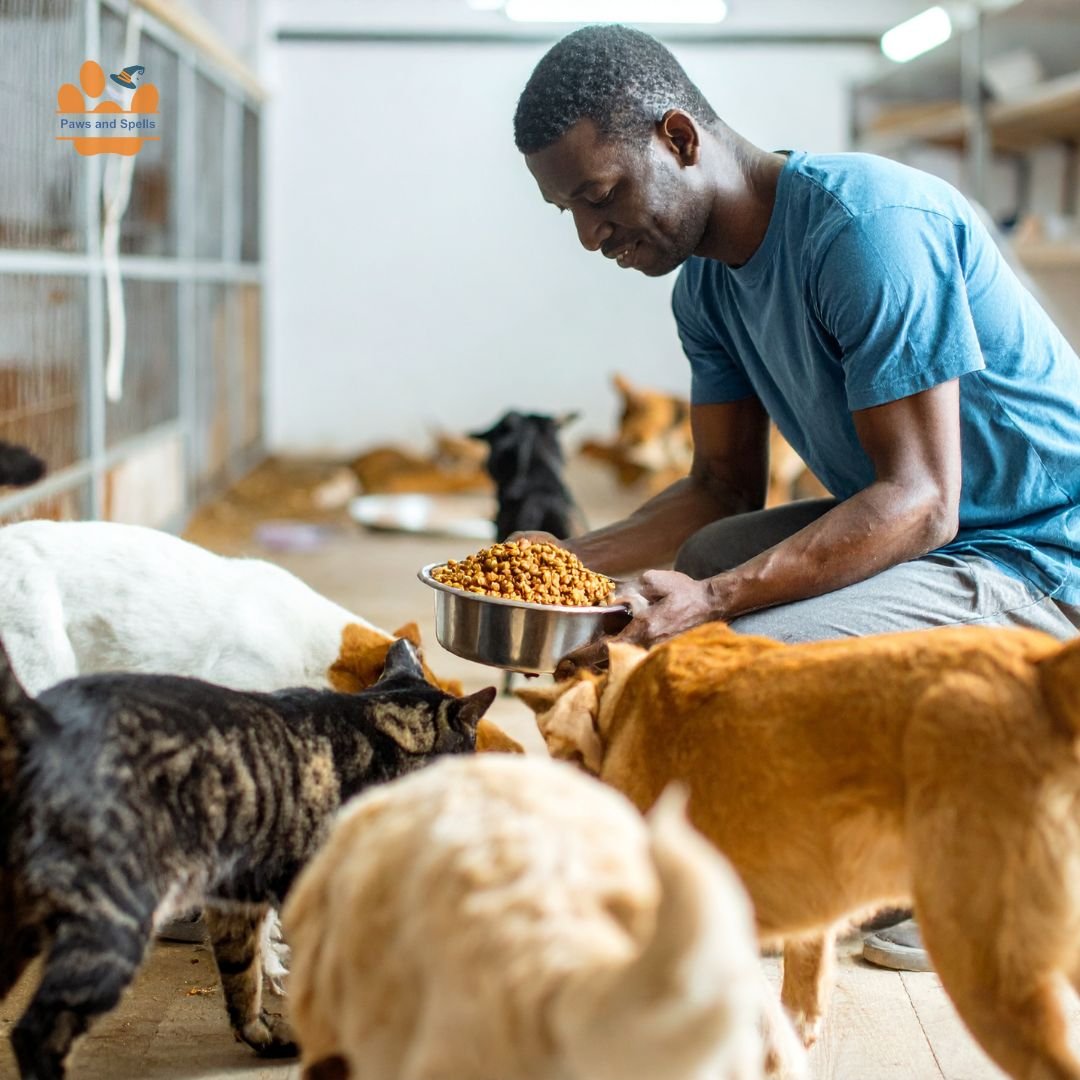
Animal shelters rely on everyday essentials to provide comfort and care for pets in transition. Donating trusted supplies helps shelters focus on healing, safety, and second chances.
Utilizing Technology for Prevention
Integrating technology into shelter operations is a critical step in fighting parvovirus. Modern technological solutions significantly boost prevention efforts when used effectively.
Technology in shelters serves multiple purposes, providing essential tools for managing and preventing parvovirus. Key technological implementations include:
- Kennel Management Software: This software organizes and manages animal data, facilitating the tracking of health records, vaccination schedules, and other critical information.
- Digital Vaccination Records: Keeping digital records of vaccinations ensures animals are current on their shots, lowering the risk of parvovirus outbreaks.
- Animal Health Tracking: Technology enhances the monitoring of animal health, enabling quick responses to any health concerns.
Implementing Kennel Management Software
Kennel management software is a powerful tool that streamlines shelter operations. It enables staff to:
- Keep detailed records of animal health and history.
- Track vaccination schedules and monitor animal intake and output.
- Improve overall efficiency in managing shelter operations.
The American Society for the Prevention of Cruelty to Animals (ASPCA) emphasizes the importance of effective shelter management in preventing disease spread, including parvovirus.
Digital Vaccination Records
Digital vaccination records are vital for ensuring all shelter animals are vaccinated correctly. This technology:
- Reduces the risk of parvovirus outbreaks by ensuring timely vaccinations.
- Provides easy access to vaccination history for shelter staff and adopters.
- Ensures compliance with vaccination protocols.
Tracking Animal Health
Tracking animal health is essential for early identification and response to health issues. Technology aids in:
- Monitoring the health status of animals in real-time.
- Identifying patterns or signs of illness that may indicate a parvovirus outbreak.
- Enabling swift action to contain and treat any health issues.
By embracing technology, shelters can significantly enhance their ability to prevent parvovirus outbreaks. This creates a safer environment for animals.
Building a Strong Network for Support
A robust support network is essential for shelters to access vital resources, expertise, and guidance in managing parvovirus. Through strategic partnerships, shelters can significantly improve their capacity to prevent and respond to parvo outbreaks effectively.
Partnering with Local Animal Rescues
Collaborating with local animal rescues can significantly enhance a shelter’s resources and support. Such partnerships facilitate the exchange of knowledge, resources, and best practices in parvovirus management. For example, organizations like Rescue Me and Save-A-Pet USA can offer invaluable insights and assistance.
These collaborations are also instrumental in coordinating response efforts during outbreaks. They ensure that shelters are not overwhelmed and can provide the necessary care to affected animals.
Networking with Veterinary Clinics
Networking with veterinary clinics is another critical aspect of building a support network. Veterinary clinics provide expert advice and medical resources that are indispensable in preventing and treating parvovirus. They can also offer training and guidance to shelter staff on the latest parvovirus management protocols.
By collaborating closely with veterinary clinics, shelters can ensure they have the latest information and resources to combat parvo effectively.
Joining Veterinary Associations for Resources
Joining veterinary associations grants shelters access to a vast array of information, guidelines, and resources on parvovirus management. Associations such as the American Society for the Prevention of Cruelty to Animals (ASPCA) offer guidelines, training, and support that enhance a shelter’s capacity to manage parvo.
These associations frequently provide updates on the latest research and best practices. This enables shelters to remain informed and adapt their strategies as needed.
By establishing a strong network through partnerships, networking, and association memberships, shelters can significantly improve their ability to prevent and manage parvovirus outbreaks.
Continuous Improvement in Shelter Practices
To effectively prevent parvovirus, shelters must adopt a culture of continuous improvement. This involves regularly reviewing and updating policies to reflect the latest research and best practices. By doing so, shelters can ensure they remain effective in their prevention efforts.
Regular Policy Review
Shelters should establish a routine for reviewing their parvovirus prevention policies. This includes assessing the effectiveness of current protocols and making adjustments as needed. Organizations like the American Society for the Prevention of Cruelty to Animals (ASPCA) and Best Friends Animal Society provide valuable resources and guidelines to support this process.
Staying Informed
Staying up-to-date with the latest research on parvovirus is critical for long-term success. Shelters can achieve this by participating in workshops, collaborating with local veterinarians, and engaging with veterinary associations. This enables them to adapt their strategies to emerging trends and findings.
By prioritizing continuous improvement, shelters can enhance their ability to prevent parvovirus outbreaks. This ensures a safer environment for animals in their care.