Did you know that over 85 million households in the United States currently share their homes with a companion animal? The American Pet Products Association (APPA) reports this staggering figure, underscoring a pressing need for informed, evidence-based care. Families seeking a gentle addition to their home often prioritize safety and harmony.
Among the most popular large cat breeds, this feline stands out for its remarkable temperament. Renowned for their laid-back personality, they are an ideal match for active households. Parents often observe a bond between Maine Coon kids built on mutual respect and endless patience.
Choosing the right pet requires understanding their unique needs to foster a long-lasting relationship. By prioritizing proper socialization and health, you ensure your new friend thrives in a busy environment. We aim to provide the guidance necessary to help your family enjoy a rewarding experience with these gentle giants.
Key Takeaways
- High pet ownership rates in the U.S. underscore the importance of choosing the right companion.
- This breed is widely recognized for its calm and patient demeanor.
- Their size and temperament make them excellent partners for energetic family members.
- Evidence-based care is essential for maintaining the health and happiness of your pet.
- Building a strong bond relies on understanding the specific needs of your animal.
Overview of Maine Coon Cats
The Maine Coon stands out as the largest domestic cat breed, bringing a unique presence to any home. Their stature is matched by a deep connection to human families. Understanding their background reveals the traits that make them beloved companions.
History and Origin
The Maine Coon’s roots are firmly planted in America, originating from Maine’s rugged terrain. Their hardy nature likely developed over centuries, adapting to New England’s harsh winters. Early settlers prized them for their hunting prowess and ability to control rodent populations in barns.
Their exact origins are shrouded in folklore, but natural selection is believed to have played a significant role. This history has imbued them with a resilient and adaptable nature, a trait that defines the breed today.
Physical Characteristics
The Maine Coon’s physical attributes are striking. Their sturdy, muscular build supports their Maine Coon size. Their tufted ears and long, bushy tails are adaptations for cold climates.
Their coats are water-resistant, feeling silky to the touch. These features combine to create a cat that is both beautiful and functional.
Personality Traits
The Maine Coon temperament is what truly captivates families. They are known for their exceptional friendliness, intelligence, and desire to interact with humans. Owners often describe them as “gentle giants,” given their calm demeanor despite their size.
These cats are highly social, enjoying daily household activities. Their playful and curious nature makes them ideal for active children seeking a steady, affectionate friend.

Extra 40% Discount on All Orders
Why pay full price for quality? Want the VIP treatment for your pet? Join PetCare+ now to solve the problem of recurring costs with a massive 40% OFF, plus exclusive free gifts and free shipping on every order.
Pet Care Supplies
Mon-Fri 9 AM – 5 PM CST
Why Maine Coons are Great Family Pets
The Maine Coon emerges as a top pick for families in search of a steadfast and robust companion. These felines exhibit a distinct Maine Coon temperament, effortlessly blending into diverse household settings. Their capacity to maintain serenity while offering affection distinguishes them as ideal for fostering a peaceful home atmosphere.
Gentle Giants: Size and Temperament
Despite their notable Maine Coon size, these cats display remarkable caution and awareness. Dubbed “gentle giants,” they rarely employ their size to intimidate others. This inherent gentleness ensures their safe interaction with family members across all age groups.
Patience with Children
The Maine Coon’s renowned tolerance is a hallmark of their characteristics. They maintain composure in environments characterized by constant noise and activity. This makes them an excellent choice for Maine Coon kids who are beginning to learn about animal interactions.
The Maine Coon is celebrated for its dog-like loyalty and steady, patient demeanor, positioning it as a dependable companion for families with young children.
Social and Playful Nature
These cats, beyond their calm nature, are highly social and crave human interaction. They relish being part of family activities, whether it’s watching a movie or engaging in play. Their playful spirit ensures they remain engaging companions for Maine Coon kids seeking an active yet affectionate pet.
Opting for this breed invites a pet that prioritizes companionship above all else. Their consistent Maine Coon temperament offers reassurance to parents seeking a stable and loving pet. By creating a nurturing environment, you guarantee your cat’s happiness and integration into your family for many years.
Health Considerations for Maine Coons
Ensuring the long-term health of your feline friend begins with grasping their unique biological needs. Early proactive care is crucial for Maine Coon kittens as they grow into large, dynamic adults. Knowledge of breed-specific tendencies is key to guaranteeing your pet’s vibrant and healthy existence.
Common Health Issues
Purebred cats, including Maine Coons, are prone to certain genetic conditions. Hypertrophic cardiomyopathy (HCM) is a prevalent heart condition that necessitates early veterinary screening. Responsible breeders conduct genetic testing on their breeding cats to minimize the risk of passing these conditions to Maine Coon kittens.
Hip dysplasia is another significant concern, given their size and weight. Though commonly linked with dogs, it can also affect large cats as they mature. Early detection through physical exams is essential for managing their mobility and comfort throughout their lives.
Regular Veterinary Care
Regular check-ups are the cornerstone of a robust health strategy. Your veterinarian will monitor your cat’s weight, as obesity can strain their joints and heart. Regular blood work and physical exams enable the early detection of potential issues, preventing them from becoming severe.
Building a relationship with a trusted clinic ensures your pet receives tailored care. Keeping a detailed record of vaccinations and screenings is crucial for tracking their health history. This proactive approach is essential for maintaining their overall well-being.
Diet and Nutrition Needs
Feeding your cat a high-quality, balanced diet is vital for supporting their large frame and high energy levels. Maine Coon kittens require nutrient-dense food to fuel their rapid growth phases. Always consult with your veterinarian to select a diet that meets their specific life stage requirements.
Proper hydration and portion control are equally crucial to prevent weight gain. High-protein diets are often recommended to maintain lean muscle mass in these active cats. Refer to the following table for a quick guide on essential health maintenance tasks.
| Health Focus | Action Required | Frequency |
|---|---|---|
| Cardiac Health | Professional Screening | Annually |
| Weight Management | Body Condition Score | Every 6 Months |
| Joint Support | Mobility Assessment | During Wellness Exams |
| Nutritional Balance | Dietary Review | As Needed |


Engaging Games for Kids and Maine Coons
Engaging in active play fosters a profound, enduring connection between Maine Coon kids and their feline companions. Such activities promote the cat’s physical well-being while instilling children with empathy and a sense of responsibility. By fostering a playful atmosphere, you ensure the well-being of both your pet and your offspring.
Interactive Toys
Interactive toys serve as a safe outlet for your cat’s innate hunting drive. These toys enable children to engage in the play without risking injury from claws or teeth. Safety is paramount when selecting items for your domicile.
Integrating these popular items into your collection will keep your Maine Coon kids captivated:
- Feather wands: These mimic the flight of birds, encouraging your cat to leap.
- Laser pointers: Ideal for evoking a chase response, but always conclude with a tangible toy to avert disappointment.
- Puzzle feeders: These challenge your cat’s cognitive abilities, rewarding them with treats.
- Automatic ball tracks: Suitable for independent play, allowing children to focus on their studies.
Structured Playtime Activities
Structured playtime establishes a routine that Maine Coons find comforting. When children initiate these sessions, it cultivates mutual respect and trust. Regular interaction ensures the cat’s security and the child’s ability to interpret feline body language.
To optimize your time together, set specific objectives for each play session. For instance, you might practice “fetch” or instruct the cat to follow a target stick. These activities maintain the Maine Coon kids partnership’s focus and productivity. Always conclude the play session positively with a treat or gentle commendation to reinforce positive behavior.
Grooming Your Maine Coon
Your Maine Coon’s long, water-resistant fur necessitates specific attention to maintain its condition. Understanding the Maine Coon grooming requirements is crucial for any owner aiming to keep their pet content and healthy. By dedicating time to these grooming tasks, you can prevent painful mats and ensure your cat’s comfort throughout the year.
Brushing and Bathing
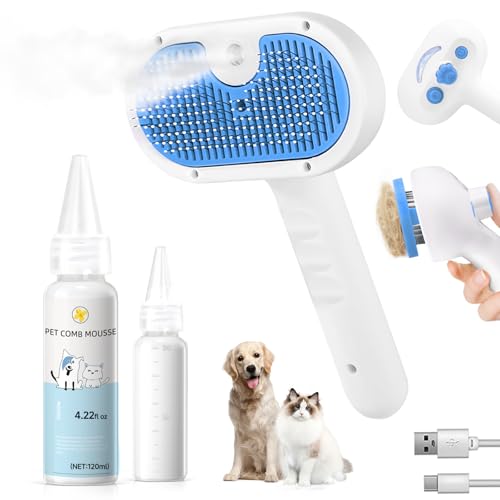
Due to their dense, double-layered coat, Maine Coons require regular brushing to remove loose hair and debris. It is advisable to brush your cat at least twice a week with a high-quality metal comb or slicker brush. Consistency is key to avoid the formation of tight mats that can cause skin irritation.
While Maine Coons are generally clean, occasional baths are necessary to manage oil buildup and maintain fur softness. Utilize a mild, cat-specific shampoo and ensure thorough drying afterward. Introduce water gradually to minimize stress for your pet.
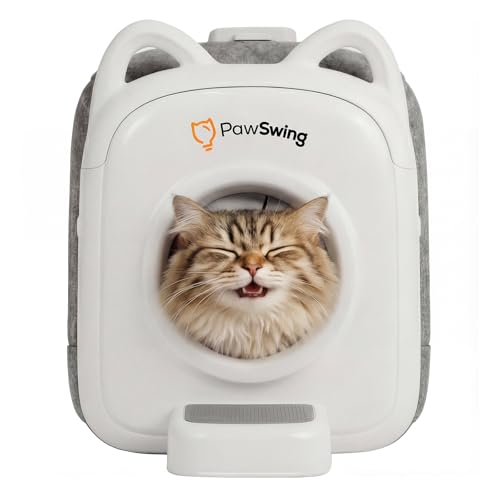
- 【Self – cleaning Mechanism】The slicker brush features a unique self-cleaning mechanism that allows you to easily removes…
- 【Skin-friendly Massage Needles】 The mental pins on the cat brushes for long haired cats have little round rubber tips on…
- 【Upgraded Cat Comb &No Electricity Required】 Features an ergonomic design. The 360° surround grooming system allows for …
Nail Care and Ear Cleaning
Nail trimming is a critical aspect of your Maine Coon grooming requirements to prevent overgrowth and accidental scratches. Trim the tips of the claws every two to three weeks using specialized feline clippers. If your cat resists, offer a small treat to associate the process positively.
Ear cleaning is also essential to prevent wax buildup and potential infections. Gently wipe the outer ear with a soft, damp cloth or a veterinarian-approved ear cleaner. Avoid inserting objects deep into the ear canal to prevent injury.
Managing Shedding
Maine Coons shed seasonally, leading to a significant amount of fur around your home. Regular grooming sessions can significantly reduce loose hair on your furniture. Utilizing a de-shedding tool during peak shedding months helps maintain a healthy coat.
| Grooming Task | Recommended Frequency | Primary Benefit |
|---|---|---|
| Brushing | 2-3 times per week | Prevents painful matting |
| Nail Trimming | Every 2 weeks | Maintains paw health |
| Ear Cleaning | Monthly | Prevents ear infections |
| Bathing | As needed | Removes excess oils |

Creating a Kid-Friendly Environment
A harmonious household is built on a foundation of security and kindness. Designing a space that respects your Maine Coon’s needs fosters a peaceful and lasting bond between your pet and family members.
Safe Spaces for Cats
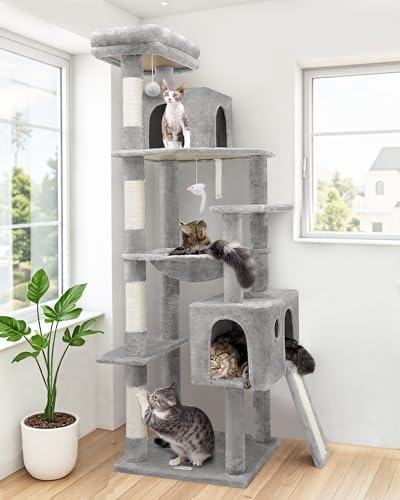
Maine Coons are social but need solitude to recharge. Offering vertical spaces like cat trees or wall-mounted shelves allows them to observe from a safe distance.
Designate quiet retreats, such as a spare room or a cozy corner with a bed, for your cat to escape when overwhelmed. These areas must be off-limits to children, ensuring the cat has a guaranteed sanctuary.
Teaching Kids Proper Handling
Education is key to preventing accidents and stress. Teach children to approach the cat slowly and avoid pulling on tails, ears, or whiskers.
Encourage them to let the cat come to them instead of chasing or cornering. Show them how to pet the cat gently on the back or head, teaching the difference between respectful touch and rough play.
Supervision and Interaction Guidelines
Following the ASPCA’s guidelines, children under six should be supervised when interacting with pets. This constant oversight prevents negative experiences and keeps both the child and the cat safe.
Use the following table to guide your family on appropriate and inappropriate interaction styles:
| Interaction Type | Child Behavior | Outcome |
|---|---|---|
| Positive | Gentle petting and calm talking | Stronger bond and trust |
| Neutral | Playing with a wand toy | Healthy exercise and fun |
| Negative | Chasing or pulling fur | Stress and potential injury |
By adhering to these standards, you foster a nurturing atmosphere where your Maine Coon and children can thrive together. Consistency in these rules ensures a more predictable and enjoyable home environment for all.
Training Your Maine Coon
Maine Coons are remarkably bright cats that thrive when given mental stimulation through structured training. While often seen as independent, these gentle giants possess a high level of intelligence that makes them excellent candidates for learning new skills. Engaging your cat in this way not only teaches them manners but also strengthens the unique bond you share.
Basic Commands
Start by teaching simple commands like “sit” or “come” using high-value treats. Keep your sessions short, ideally lasting no more than five minutes, to maintain your cat’s interest and focus. Consistency is the key to success when working with such an intelligent breed.
Always use a clear, consistent verbal cue paired with a hand signal. When your Maine Coon performs the desired action, provide an immediate reward to reinforce the behavior. This process helps your cat associate the command with a positive outcome.
Litter Training Tips
Most Maine Coons take to litter boxes quickly, but a few simple steps can ensure a stress-free experience for your household. Place the litter box in a quiet, accessible area where your cat feels safe and undisturbed. A clean environment is essential, so scoop the box daily to encourage consistent use.
If you have a multi-story home, consider placing a box on each level to make access easier for your pet. Avoid using harsh cleaning chemicals that might deter your cat from using the box. If accidents occur, address them calmly without punishment, as stress can often lead to further behavioral issues.
Positive Reinforcement Techniques
Positive reinforcement is the most effective way to encourage good behavior and build trust. By rewarding desired actions with treats, praise, or play, you create a cooperative partnership with your Maine Coon. Punishment is never recommended, as it can damage the relationship and cause unnecessary anxiety.
“The secret to training a cat is to make them believe that doing what you want is actually their own brilliant idea.”
Focus on catching your cat doing something right and rewarding that moment immediately. This approach fosters a confident and happy pet who is eager to interact with you. Use the following table to understand how different reinforcement methods impact your training progress.
| Method | Effectiveness | Best Used For |
|---|---|---|
| Food Treats | High | Learning new commands |
| Verbal Praise | Medium | Reinforcing good habits |
| Interactive Play | High | Building trust and energy |
| Physical Affection | Medium | Calming and bonding |
Choosing the Right Maine Coon
Adding a new member to your family requires thoughtful consideration of the source and the cat’s temperament. Maine Coons, known for their size and sociability, demand an informed decision for a peaceful coexistence. This ensures a harmonious life for both your family and the new pet.
Finding a Reputable Breeder
Choosing to buy Maine Coon kittens should prioritize the animal’s health and well-being. A responsible breeder conducts genetic testing to detect hereditary conditions, ensuring a healthy companion.
It’s essential to ask for health documentation of the parents. Transparency is a sign of a trustworthy breeder who values the breed’s future.
Understanding Adoption Options
Adoption offers a loving home to a cat in need. Organizations like the Best Friends Animal Society promote adoption as a primary means to find family pets. Many rescue groups focus on specific breeds.
“The best way to find a companion is to look toward local shelters and rescue organizations, where many wonderful animals are waiting for a second chance at a happy life.”
Adopting a cat means saving a life and gaining a loyal friend. Many rescues provide initial veterinary care, ensuring a peaceful start to your journey.
Evaluating Individual Personalities
When seeking the best large cat breeds, remember that each cat has a unique personality. Observe how the cat interacts with people and other animals to ensure compatibility with your family’s energy level.
Some large cat breeds are naturally more laid-back, while others are highly active, requiring constant engagement. Assessing these traits early ensures you find the best large cat breeds for your lifestyle.
The bond with your Maine Coon kittens will be shaped by the time and patience invested in the selection process. Seek a companion whose temperament matches your family’s daily rhythm for a fulfilling experience.
Conclusion:
Welcoming a Maine Coon into your household introduces a special dynamic, enhancing the lives of both children and other pets. These cats uniquely combine patience and affection, teaching young family members about empathy and responsibility. The American Society for the Prevention of Cruelty to Animals (ASPCA) underscores the profound emotional benefits such bonds offer to growing children.
Nurturing the Lifelong Connection
For a child and a cat to thrive, consistent care and mutual respect are paramount. Establishing trust through daily interactions and understanding your cat’s needs is crucial. This dedication turns simple pet ownership into a lasting, meaningful partnership.
Commitment to Long-Term Wellness
Creating a stable environment ensures your cat’s happiness as a family member. The American Pet Products Association (APPA) emphasizes the importance of health care and routine maintenance for a vibrant life. Whether adopting from Best Friends Animal Society or a private breeder, your commitment is key. Every moment spent nurturing this bond adds warmth and joy to your home.


FAQ
Why are Maine Coons considered one of the best large cat breeds for families?
How large does the Maine Coon actually grow?
What are the primary Maine Coon grooming requirements?
Are there specific health issues to watch for in Maine Coon kittens?
How can I ensure a safe interaction between my child and a Maine Coon?
Is it possible to adopt a Maine Coon from a rescue organization?
How do Maine Coons handle busy, active households?
References:
This article was created based on information from the following authoritative sources: American Society for the Prevention of Cruelty to Animals (ASPCA) and American Veterinary Medical Association