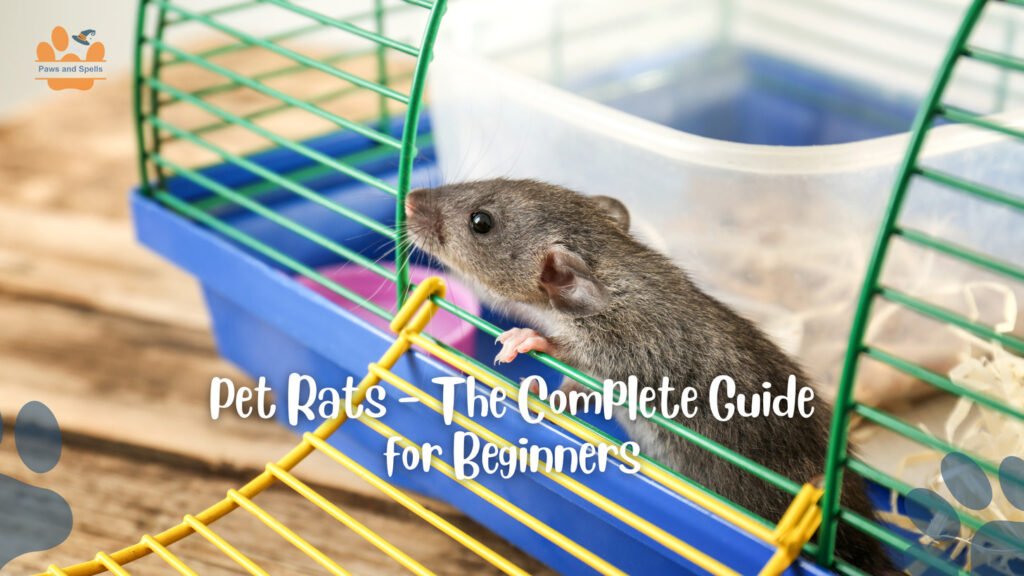
Are you weary of the persistent gnawing of your hamster on its cage? This behavior is not only exasperating but also raises significant concerns about your pet’s health. The American Pet Products Association (APPA) emphasizes that an appropriate environment and care can greatly diminish stress-related behaviors in pets.
Grasping the motivations behind your pet’s cage biting is essential for effective intervention. Is it caused by boredom, stress, or insufficient stimulation? In this article, we will dissect the underlying reasons for this behavior. We will also offer practical advice on how to prevent it, aiming to ensure a more joyful and robust pet life.
Key Takeaways
- Understand the reasons behind your hamster’s cage biting behavior
- Learn how to provide a stimulating environment for your pet
- Discover practical tips to prevent cage biting and reduce stress
- Improve your hamster’s overall well-being with evidence-based care tips
- Strengthen your bond with your pet through better understanding and care
Why Hamsters Engage in Cage Biting
Hamsters biting their cage is a complex issue, influenced by their natural instincts, emotional states, and external factors. Understanding these causes is critical for effective management of this behavior.
Natural Chewing Instincts in Rodents
As rodents, hamsters are predisposed to chewing. This instinct is essential for their dental health, as their teeth grow continuously. In their natural habitat, they chew on wood and roots to manage their teeth length. The American Society for the Prevention of Cruelty to Animals (ASPCA) advises using chew toys to redirect this behavior from cage bars.
Stress and Anxiety Indicators
Stress and anxiety are major factors behind cage biting in hamsters. Environmental changes, handling, or the presence of other pets can trigger stress. The ASPCA suggests creating a stimulating yet calm environment to mitigate stress. Placing your hamster’s cage in a quiet, secure spot can help reduce stress-related cage biting.
Boredom and Lack of Mental Stimulation
Boredom and insufficient mental stimulation also contribute to cage biting. Hamsters, being intelligent, need both physical and mental challenges. Engaging them with puzzle toys or tunnels can keep them occupied and decrease cage biting. The American Pet Products Association (APPA) recommends changing toys frequently to maintain their interest.
Understanding Hamster Cage Biting Patterns
To effectively address hamster cage biting, it’s essential to comprehend the different patterns involved. Hamsters exhibit cage biting behavior for various reasons. Understanding these patterns can help owners identify the underlying causes and take corrective action.
Different Types of Destructive Chewing
Hamsters display different types of destructive chewing behaviors, including:
- Bar biting: This involves biting the metal bars of the cage, which can lead to tooth damage.
- Corner chewing: Hamsters may chew on the corners of their cage, potentially creating holes or damaging the structure.
- Accessory destruction: Some hamsters may chew on cage accessories, such as tunnels or toys.
Recognizing these different types of chewing can help owners understand their hamster’s behavior and identify the causes.
Timing and Frequency of Biting Behavior
Observing the timing and frequency of cage biting behavior is critical. Hamsters may bite their cage more frequently during certain times of the day or night, or in response to specific stimuli. For example, hamsters may exhibit increased cage biting during:
- Peak activity hours: Hamsters are nocturnal, so they may be more active at night.
- Feeding times: Hunger or anticipation of food may trigger cage biting.
- Stressful events: Changes in the environment or handling can cause stress, leading to cage biting.
When Cage Biting Becomes Problematic
Cage biting becomes problematic when it leads to health issues, such as tooth damage or stress-related problems, or when it causes significant damage to the cage. According to the Best Friends Animal Society, understanding and addressing the underlying causes of behavioral issues is critical for providing appropriate care. Owners should monitor their hamster’s behavior and consult a veterinarian if they notice persistent or severe cage biting.
Health Consequences of Excessive Cage Biting
The habit of biting their cage can lead to several health concerns in hamsters, affecting their overall well-being. Hamsters are prone to various health issues when they excessively bite their cage, making it essential for owners to understand these risks.
Dental Problems and Tooth Damage
Excessive cage biting can lead to dental problems and tooth damage in hamsters. Continuous chewing on hard surfaces can cause their teeth to become misaligned or damaged. According to the American Society for the Prevention of Cruelty to Animals (ASPCA), hamsters’ teeth grow continuously. Improper chewing habits can lead to uneven wear, potentially causing pain and difficulty eating.
Stress-Related Health Issues
Stress and anxiety are significant contributors to health issues in hamsters. Persistent cage biting is often a sign of underlying stress or anxiety, which can lead to a range of health problems, including stress-related disorders. Organizations like Rescue Me and Save-A-Pet USA emphasize the importance of providing a stress-free environment to prevent such issues.
Physical Injury Risks from Metal Bars
Hamsters can also suffer physical injuries from biting the metal bars of their cage. The ASPCA advises that hamsters can hurt their mouths, teeth, or paws on the cage bars, highlighting the need for safe and appropriate cage accessories.
To mitigate these risks, hamster owners should consider hamster care tips that address hamster behavior issues. Providing appropriate hamster cage accessories, such as chew toys and safe hiding places, can help reduce cage biting behavior. By understanding the causes and consequences of excessive cage biting, owners can take proactive steps to ensure their hamsters lead healthier, happier lives.
Selecting the Right Cage to Minimize Biting
A well-designed hamster cage can significantly reduce stress and promote healthy behavior in hamsters. The American Pet Products Association (APPA) emphasizes the importance of a suitable cage in maintaining the overall well-being of small pets.
Appropriate Cage Size for Different Hamster Species
The size of the cage is a critical factor in preventing cage biting. Different hamster species have varying space requirements. For example, Syrian hamsters need more space than dwarf hamsters. A minimum cage size of 24 inches long, 12 inches wide, and 12 inches tall is recommended for Syrian hamsters. Providing ample space for movement and activities can help reduce stress and boredom.
Best Cage Materials and Designs
The material and design of the cage can also impact hamster behavior. Cages made from safe, chew-resistant materials like metal or solid plastic are preferable. Avoid cages with sharp edges or small gaps that can harm your hamster. A cage with a solid bottom is recommended, as hamsters can get their feet caught in wire mesh.
| Cage Material | Pros | Cons |
|---|---|---|
| Metal | Durable, easy to clean | Can be noisy, may have sharp edges |
| Solid Plastic | Safe, easy to clean | May be prone to chewing damage |
| Wood | Natural, aesthetically pleasing | May be chewed, can harbor bacteria |
Strategic Cage Placement in Your Home
Where you place the cage in your home can also affect your hamster’s behavior. It’s essential to position the cage in a quiet, draft-free area away from direct sunlight and predators. Avoid placing the cage near heating vents or air conditioning units, as this can cause temperature fluctuations that may stress your hamster.
By considering these factors and choosing the right cage, you can help minimize cage biting behavior and create a comfortable, safe environment for your hamster.
Essential Enrichment to Prevent Hamster Cage Biting
To prevent hamster cage biting, it’s essential to provide a variety of enrichment activities. Enrichment not only keeps hamsters engaged but also satisfies their natural instincts. This reduces stress and boredom.
Safe and Effective Chew Toys
Chew toys are vital for hamsters as they help to satisfy their natural chewing instinct. Providing safe and durable chew toys made from materials like wood or untreated wicker can significantly reduce cage biting. The American Society for the Prevention of Cruelty to Animals (ASPCA) recommends rotating toys regularly to keep the environment stimulating.
Exercise Wheels and Activity Centers
Exercise wheels and activity centers are essential for providing hamsters with physical exercise and mental stimulation. These tools help to reduce stress and boredom, which are common causes of cage biting. When selecting an exercise wheel, ensure it is solid-surfaced to prevent foot injuries.
Hideouts, Tunnels, and Nesting Materials
Providing hideouts, tunnels, and nesting materials helps create a sense of security for hamsters, reducing stress and the likelihood of cage biting. These elements allow hamsters to exhibit natural behaviors such as burrowing and nesting.
| Enrichment Item | Benefits | Examples |
|---|---|---|
| Chew Toys | Satisfies chewing instinct, reduces cage biting | Wooden toys, untreated wicker toys |
| Exercise Wheels | Provides physical exercise, reduces stress | Solid-surfaced wheels |
| Hideouts and Tunnels | Creates sense of security, reduces stress | Cardboard tubes, wooden hideouts |
By incorporating these enrichment strategies, hamster owners can significantly reduce cage biting behavior. This creates a more stimulating and comfortable environment for their pets.
Dietary Solutions to Reduce Destructive Chewing
A well-balanced diet is essential for hamsters, as it can help curb destructive chewing behaviors. Hamsters naturally chew due to instinct, but a proper diet can significantly reduce this behavior.
Foods That Promote Healthy Tooth Wear
Hamsters’ teeth grow continuously, necessitating foods that wear them down naturally. Providing hard, chewable foods like wooden chew toys or hard pellets is vital for dental health. The Best Friends Animal Society emphasizes the importance of a balanced diet for pets’ overall health.
Foods rich in fiber, such as timothy hay, also contribute to healthy tooth wear. These foods help keep the hamster’s teeth trimmed, reducing the urge to chew excessively on the cage.
Treat-Dispensing Toys and Puzzles
Introducing treat-dispensing toys and puzzles into a hamster’s environment can provide mental stimulation and combat boredom. These toys challenge the hamster to work for its food, keeping it engaged and active. Utilizing treat-dispensing toys filled with healthy treats is an effective method to minimize destructive chewing.
Optimal Feeding Schedules and Techniques
Establishing a consistent feeding schedule is key to regulating a hamster’s behavior and reducing stress-related chewing. It’s critical to provide fresh food daily and remove any uneaten food to prevent spoilage. By adhering to optimal feeding techniques, hamster owners can foster a healthy appetite and decrease the chance of cage biting.
Employing various feeding methods, such as hiding food around the cage or using foraging toys, can also enhance the hamster’s engagement and stimulation. This further diminishes the inclination to chew on the cage.
Exercise and Handling Routines
Ensuring hamsters receive adequate exercise and handling routines is vital to curb cage biting. Physical activity and social interaction are key to their health and happiness. The American Pet Products Association (APPA) highlights the importance of varied toys and activities in reducing pet stress and boredom.
Creating a Safe Playpen Environment
Creating a safe playpen environment is essential for hamsters to explore and exercise outside their cages. It must be free from hazards like electrical wires, toxic substances, and small objects. The Best Friends Animal Society advocates for a secure, stimulating environment to foster healthy behavior in pets.
Supervised Free-Roaming Time
Supervised free-roaming time is critical for hamsters to burn energy and exhibit natural behaviors. It’s imperative to hamster-proof the area, removing hazards and securing it to prevent escape. Organizations like Rescue Me and Save-A-Pet USA stress the significance of supervised interaction in strengthening the bond between hamsters and their owners.
Species-Specific Exercise Needs
Diverse hamster species have distinct exercise requirements. For instance, Syrian hamsters are more active and need more space than dwarf hamsters. Understanding these needs is essential for providing suitable care. The ASPCA advises owners to research their pet’s specific needs to ensure optimal care.
| Hamster Species | Exercise Needs | Recommended Activities |
|---|---|---|
| Syrian Hamsters | High | Large exercise wheels, extensive playpens |
| Dwarf Hamsters | Moderate | Smaller exercise wheels, tunnels, and mazes |
Behavioral Modification Techniques
Understanding hamster behavior is key to addressing cage biting. A multifaceted approach is necessary to modify their behavior. This strategy ensures a more peaceful environment for your pet.
Positive Reinforcement Methods
Positive reinforcement is a potent method for changing hamster behavior. Rewarding your hamster with treats or praise for good behavior encourages healthier habits. For example, praise them when they are calm or play with toys instead of biting the cage.
Distraction and Redirection Strategies
Distraction and redirection can shift your hamster’s focus from cage biting. Introducing new toys or chewables redirects their chewing to more suitable items. Regular changes in their environment or adding new elements keep them engaged, reducing cage biting.
Establishing Consistent Routines
A consistent daily routine provides your hamster with security and reduces stress behaviors like cage biting. This includes set times for feeding, play, and cleaning. Consistency creates a predictable environment, calming your hamster and reducing biting urges.
Implementing these behavioral modification techniques can greatly reduce hamster cage biting. It also enhances your pet’s overall well-being.
When to Seek Professional Help for Hamster Cage Biting
Excessive cage biting in hamsters can signal various issues, from stress and boredom to medical conditions. While occasional biting might be normal, persistent or severe cases often require professional intervention. It’s vital to recognize the signs that indicate a need for professional assistance to address the behavior effectively.
Signs of Underlying Medical Conditions
Hamsters displaying cage biting behavior may be experiencing an underlying medical issue. Indicators that your hamster needs veterinary care include changes in appetite, weight loss, lethargy, or visible signs of illness or injury. For example, dental problems can lead to excessive cage biting. The American Pet Products Association (APPA) emphasizes the importance of regular veterinary check-ups for pet health.
| Signs | Possible Causes |
|---|---|
| Changes in appetite, weight loss | Dental issues, gastrointestinal problems |
| Lethargy, hiding | Respiratory infections, stress |
| Visible signs of illness or injury | Injuries from cage bars, infections |
Finding and Consulting with an Exotic Pet Veterinarian
Not all veterinarians are adept at treating hamsters or other exotic pets. It’s critical to locate a veterinarian with expertise in small mammals. The Association of Exotic Mammal Veterinarians can assist in finding a qualified professional. When consulting with a vet, provide detailed information about your hamster’s behavior, diet, and environment to aid in identifying the cause of the cage biting.
By recognizing the signs of underlying medical conditions and seeking professional help when necessary, you can effectively address your hamster’s cage biting behavior. This ensures its overall health and well-being.
Conclusion: Creating a Harmonious Habitat for Your Hamster
To create a harmonious habitat for your hamster, it’s essential to understand their natural behaviors. This understanding allows you to provide an environment that caters to their physical and emotional needs. By addressing the causes of cage biting and implementing the discussed solutions, pet owners can foster healthy behavior. This, in turn, strengthens the bond between the owner and their hamster.
Hamster cage enrichment is critical in preventing boredom and stress, common triggers for cage biting. A variety of toys, tunnels, and climbing structures can keep your hamster engaged and active. The American Society for the Prevention of Cruelty to Animals (ASPCA) highlights the importance of a stimulating environment for pets.
Following hamster care tips such as a balanced diet, adequate exercise, and gentle handling can also reduce stress and anxiety. If your hamster continues to exhibit behavior issues, consulting a veterinarian or animal behaviorist can offer valuable insights and guidance.
By integrating these strategies and being attentive to your hamster’s needs, you can create a nurturing environment. This environment promotes overall well-being and happiness. Organizations like Best Friends Animal Society advocate for providing pets with a safe, loving environment. This is vital for their health and well-being.