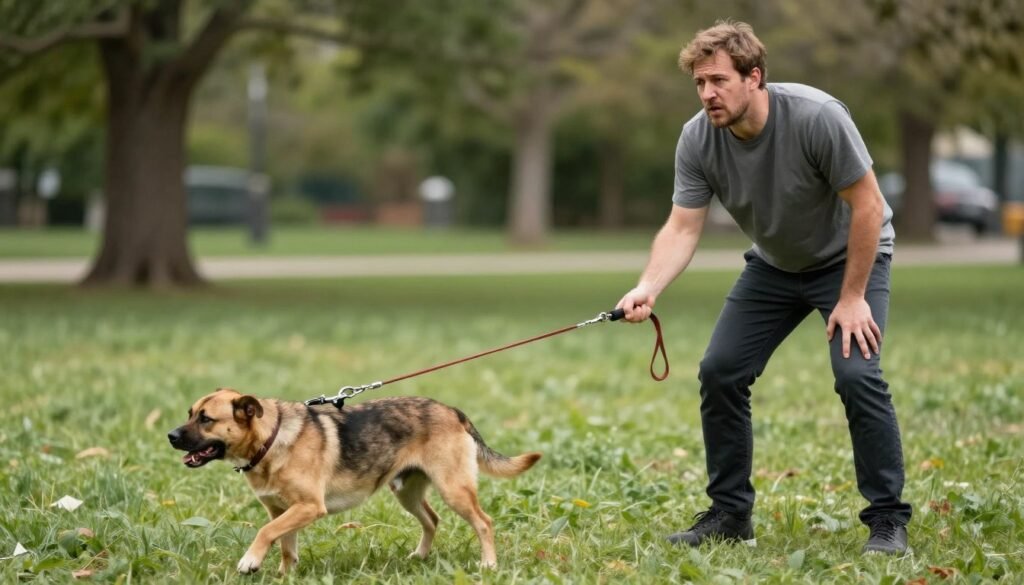
As a pet owner, have you ever pondered the effects of harsh climate conditions on your furry companion? Many of us remain oblivious to the perils linked to changing weather patterns.
The American Pet Products Association (APPA) reveals a staggering number of pet owners are uninformed about the threats posed by extreme temperatures and weather events to their dogs. This ignorance can endanger our pets.
It is imperative to comprehend how to shield our pets from severe weather’s adverse effects. By staying informed and taking proactive measures, we can safeguard them against the dangers of extreme weather conditions.
Key Takeaways
- Recognize the risks associated with extreme temperatures for your dog.
- Learn how to prepare your dog for severe weather events.
- Discover simple yet effective ways to keep your dog safe during harsh weather.
- Understand the importance of being proactive in protecting your pet.
- Find out how to identify signs of distress in your dog due to weather conditions.
Understanding Extreme Weather and Its Risks to Dogs
Extreme weather conditions pose significant risks to dogs, and understanding these risks is essential for their safety. The American Society for the Prevention of Cruelty to Animals (ASPCA) highlights that extreme weather can cause significant stress and health issues in dogs.
Types of Extreme Weather Conditions
Extreme weather encompasses a range of conditions, including heatwaves, winter storms, thunderstorms, and flooding. Each of these conditions can impact dogs in different ways.
- Heatwaves: Prolonged periods of high temperatures that can lead to heat stress.
- Winter Storms: Cold temperatures, snow, and ice that can cause hypothermia and frostbite.
- Thunderstorms: Loud noises and bright lights that can cause anxiety in dogs.
- Flooding: Water accumulation that can lead to waterborne diseases.
Common Health Risks for Dogs
Extreme weather conditions can lead to various health risks for dogs. Some of the most common issues include:
- Heat Stress: Elevated body temperature due to high environmental temperatures.
- Hypothermia: Lowered body temperature due to cold exposure.
- Frostbite: Freezing of skin and underlying tissues due to cold.
- Waterborne Diseases: Infections caused by contaminated water.
Behavioral Changes in Dogs During Severe Weather
Dogs often exhibit behavioral changes during extreme weather conditions. These can include:
- Increased Anxiety: Dogs may become more anxious or fearful during thunderstorms.
- Restlessness: Dogs may pace or seem restless due to discomfort from heat or cold.
- Hiding: Some dogs may hide or seek secluded spots to feel safe.
Understanding these behavioral changes can help dog owners provide the necessary care and comfort to their pets during extreme weather events.
Effects of Heat Waves on Dogs
Heat waves are a significant threat to canine health, requiring pet owners to be vigilant and proactive. As temperatures soar, understanding the risks of heat stress and how to prevent them is essential.
Signs of Heat Stress in Dogs
Dogs display specific symptoms when they are experiencing heat stress. These include excessive panting, drooling, and restlessness. In extreme cases, dogs may collapse or have seizures.
- Excessive panting and drooling
- Restlessness and agitation
- Collapse or seizures in severe cases
Cooling Strategies for Hot Weather
To combat heatwaves, several strategies can be implemented. Creating a cool, shaded area for dogs to rest, using cooling pads or mats, and ensuring access to cold water are effective measures.
Key Cooling Measures:
- Provide shaded areas for rest
- Utilize cooling pads or mats
- Limit exercise to cooler parts of the day
Importance of Hydration for Canines
Hydration is critical for canine health, more so during hot weather. It is vital to ensure dogs have access to fresh, clean water at all times. The American Society for the Prevention of Cruelty to Animals (ASPCA) stresses the importance of adequate hydration in preventing heat-related illnesses.
Effective hydration strategies include:
- Providing multiple water sources
- Using water fountains to attract dogs
- Adding ice cubes to water for a cooler drink
The Impact of Winter Storms on Dogs
Winter storms pose significant risks to dogs, necessitating a deep understanding of the dangers and proactive measures to mitigate them.
Hypothermia and Frostbite Risks
Extreme cold temperatures inherent in winter storms can precipitate severe health conditions in dogs, such as hypothermia and frostbite. Hypothermia occurs when a dog’s body temperature falls below the normal range, often happening swiftly when exposed to cold for extended periods. Frostbite, by contrast, involves the freezing of skin and underlying tissues, commonly affecting extremities like ears, tails, and paws.
Signs of Hypothermia in Dogs:
- Shivering
- Lethargy
- Confusion
- Slow movement
Recognizing these symptoms promptly and acting swiftly to warm the dog is critical.
Protecting Dogs from Snow and Ice
Ensuring dogs’ safety from snow and ice is imperative during winter storms. This entails:
- Limiting exposure to extreme cold
- Utilizing dog coats or sweaters for added warmth
- Avoiding icy areas to prevent slipping
- Wiping paws clean after walks to remove ice and salt
Winter Care Essentials for Dog Owners
To safeguard dogs during winter storms, owners must have certain essentials:
| Essential Item | Purpose |
|---|---|
| Dog Coat/Sweater | Provides extra warmth |
| Paw Protection | Protects paws from ice and salt |
| Warm Bedding | Ensures a warm place to rest |
| Emergency Kit | Includes supplies like food, water, and first aid for emergencies |
By being prepared and taking the necessary precautions, dog owners can ensure their pets’ safety during winter storms.
Rainy and Flooding Conditions: A Dog’s Challenge
Dogs encounter numerous hazards in rainy and flooding conditions, necessitating preventive actions from owners. These weather-related challenges impact dogs’ health, behavior, and overall well-being.
Risk of Waterborne Diseases
The risk of waterborne diseases is heightened during flooding. The ASPCA warns that flooded areas can harbor contaminated water, containing harmful bacteria, viruses, and pathogens. Owners must be vigilant about preventing their dogs from drinking from or playing in such areas.
To mitigate this risk, it is imperative to:
- Keep dogs on a leash and steer clear of areas with standing water.
- Ensure dogs have access to clean, fresh water to discourage them from drinking from contaminated sources.
- Clean and disinfect dogs’ paws and bodies after they have been exposed to floodwater.
Safe Outdoor Exposure During Heavy Rain
While it’s vital to limit dogs’ exposure to heavy rain and flooding, they must be taken outside for regular bathroom breaks and exercise. To ensure safe outdoor exposure, owners should:
- Select routes with minimal flooding and avoid fast-moving water.
- Keep outings brief and closely monitor weather conditions.
- Be attentive to signs of distress or discomfort in dogs, such as shivering or reluctance to continue.
Training Dogs for Rainy Weather
Training dogs to navigate rainy weather can enhance their comfort and safety. This involves:
- Gradually acclimating dogs to rainy conditions to reduce anxiety.
- Employing positive reinforcement techniques to foster calm behavior during rain.
- Developing a routine that includes rainy-day activities to maintain mental stimulation.
By grasping the challenges posed by rainy and flooding conditions and taking proactive measures, dog owners can safeguard their pets and ensure their well-being during adverse weather.
The Dangers of Thunderstorms and Lightning
As thunderstorms approach, many dog owners notice a significant change in their pet’s behavior, often due to anxiety. Thunderstorms can be challenging for dogs, with loud thunder, bright lightning, and changes in air pressure causing distress.
Canine Anxiety During Storms
Dogs experiencing anxiety during thunderstorms may exhibit a range of behaviors, including pacing, panting, trembling, and attempting to hide or escape. According to various animal welfare organizations, such as the American Society for the Prevention of Cruelty to Animals (ASPCA), many dogs suffer from thunderstorm anxiety. This can be distressing for both the dog and the owner.
Recognizing the signs of anxiety in your dog is the first step in providing comfort and support. It’s essential to understand that your dog’s behavior is a response to the perceived threat or discomfort caused by the storm.
Tips for Calming Anxious Dogs
Several strategies can help calm an anxious dog during a thunderstorm. These include:
- Creating a quiet, safe space for your dog to retreat to
- Using white noise or calming music to mask the thunder
- Providing a familiar comfort object, such as a favorite toy or blanket
- Engaging your dog in a calming activity, such as massage or gentle petting
- Considering the use of calming aids, such as pheromone diffusers or calming treats
It’s essential to remain calm and patient when helping your dog through a thunderstorm. Your dog can sense your emotions, so staying calm can help reassure them that everything is okay.
Creating a Safe Space for Your Dog
A safe space is vital in helping your dog cope with thunderstorm anxiety. This could be a crate or a specific room in your home that is quiet and comfortable. The key is to make this space feel safe and welcoming to your dog.
Tips for creating a safe space include making it cozy with familiar bedding, reducing outside noise with curtains or blinds, and ensuring it’s well-ventilated. You can also add calming aids like pheromone diffusers to enhance the calming atmosphere.
Tornadoes and Hurricanes: Preparing Your Dog
Preparing your dog for natural disasters like tornadoes and hurricanes is essential for their well-being and safety. These severe weather events can be unpredictable and devastating. It’s vital for dog owners to have a detailed plan in place.
Emergency Preparedness for Pets
Emergency preparedness for pets involves several key steps. First, creating a pet emergency kit is critical. This kit should include vital supplies such as food, water, and medication. The American Society for the Prevention of Cruelty to Animals (ASPCA) advises having enough supplies for at least three days.
- Food and water for at least three days
- Medications and medical records
- A first-aid kit for pets
- A carrier or crate with familiar items like blankets
Evacuation Planning with Dogs
Evacuation planning with dogs requires identifying pet-friendly shelters or hotels in advance. It’s also essential to have a list of emergency contact numbers, including your veterinarian and local animal control. Rescue Me and Save-A-Pet USA are resources for finding pet-friendly evacuation centers.
When evacuating, keep your dog’s identification and vaccination records easily accessible. Consider microchipping your dog to ensure they can be identified if you become separated.
Building a Disaster Kit for Your Dog
Building a disaster kit for your dog involves more than just packing supplies. It’s about creating a portable kit with essential items like food, water, bowls, and a manual can opener. The kit should be easily accessible and ready to go at a moment’s notice.
In addition to basic supplies, consider including comfort items like your dog’s favorite toy or blanket. These items can help reduce stress during emergencies. Regularly check and update the kit to ensure all supplies are usable and not expired.
By taking these steps, you can help ensure your dog’s safety during tornadoes and hurricanes. Preparation is key to minimizing stress and keeping your pet safe during these extreme weather events.
Managing Allergies During Extreme Weather
Dogs with allergies encounter unique challenges in extreme weather. Weather changes can increase allergens like pollen, mold, and dust, worsening symptoms. It’s essential to manage these allergies to keep your dog healthy and comfortable.
How Weather Affects Allergy Symptoms
Extreme weather can intensify allergy symptoms in dogs. Warmer temperatures and more rainfall can boost pollen and mold, triggering allergic reactions. Common symptoms include itching, scratching, and skin irritation. Early recognition of these signs is key to timely interventions.
Heatwaves can worsen allergies and heat stress in dogs. Cold snaps, on the other hand, can dry out their skin, increasing irritation. Knowing these weather-related allergy triggers is vital for managing your dog’s condition.
Identifying Allergens for Your Dog
Identifying your dog’s specific allergens is essential for effective management. Veterinarians often recommend allergy testing to pinpoint the cause of symptoms. Common allergens include pollen, dust mites, mold, and certain foods.
- Observe your dog’s symptoms and reactions to different weather conditions.
- Keep a log of your dog’s symptoms to share with your veterinarian.
- Discuss possible allergens with your vet, considering local flora and weather patterns.
Treatment Options for Affected Dogs
After identifying allergens, various treatments can be explored. Antihistamines and corticosteroids are often used, but under veterinary guidance. Immunotherapy, or allergy shots, can also be effective for some dogs.
Lifestyle changes can also help manage symptoms. Regular grooming to remove allergens, using air purifiers, and adjusting your dog’s diet to include hypoallergenic foods are beneficial.
Understanding the impact of extreme weather on canine allergies and taking proactive steps can greatly improve your dog’s quality of life. Always consult with a veterinarian to develop a tailored plan for your dog’s specific needs.
Long-Term Health Effects of Extreme Weather Changes
Extreme weather changes pose not only immediate threats but also have profound long-term effects on canine health. As our planet undergoes shifts in climate patterns, it is imperative for dog owners to grasp these impacts.
Climate Change and Its Impact on Canine Health
Research reveals that climate change has significant implications for canine health, as documented by veterinary studies. The rise in temperatures and changes in precipitation patterns can escalate the occurrence of certain diseases and conditions in dogs.
Key Health Impacts:
- Increased risk of heat-related illnesses
- Higher incidence of vector-borne diseases
- Changes in pollen and air quality affecting allergies
Studying Patterns in Dog Illnesses
To grasp the long-term health effects, it is vital to study patterns in dog illnesses in relation to extreme weather events. This entails analyzing data on disease outbreaks, seasonal variations, and long-term trends.
| Weather Condition | Potential Health Impact | Preventative Measures |
|---|---|---|
| Rising Temperatures | Increased heat stress | Provide cool environments, hydration |
| Altered Precipitation | Higher risk of waterborne diseases | Avoid contaminated water sources |
| Extreme Weather Events | Increased stress and anxiety | Provide safe spaces, calming aids |
Preventative Measures for Pet Owners
Pet owners can implement several preventative measures to mitigate the long-term health effects of extreme weather on their dogs. This includes staying informed about weather forecasts, maintaining a safe and healthy environment, and ensuring their dogs receive regular veterinary check-ups.
By being proactive and aware, dog owners can significantly reduce the risks associated with extreme weather changes and ensure their pets lead healthier lives.
Seasonal Adjustments for Dog Care
As seasons transition, it’s imperative to modify your dog care regimen to safeguard their health and comfort. Veterinary experts advocate for seasonal adjustments to account for weather fluctuations that can affect your dog’s well-being.
Nutritional Needs in Varying Weather
Dogs’ nutritional requirements evolve with the seasons. For instance, in colder months, they might need additional calories to maintain body heat. The American Pet Products Association (APPA) emphasizes the importance of understanding these needs for your dog’s health. “Dogs have distinct nutritional needs based on their age, size, and activity level, which can vary by season,” an APPA spokesperson notes.
In warmer weather, ensuring your dog’s hydration is critical. They may require more water and possibly a diet tweak to avoid dehydration. Monitoring their food intake is also essential, as some dogs may be less active in extreme heat.
Adjusting Exercise Routines Seasonally
Exercise is a vital aspect of dog care, necessitating seasonal adjustments. In colder weather, shorter, more intense workouts are advisable. In hotter weather, exercising during cooler parts of the day is recommended to prevent heatstroke.
The American Society for the Prevention of Cruelty to Animals (ASPCA) advises adjusting exercise intensity and duration based on weather to prevent health risks. This might involve indoor activities during extreme weather.
Grooming Considerations for Different Climates
Grooming must also be seasonally adjusted. In colder climates, a thicker coat helps keep your dog warm, while in hotter climates, a shorter coat prevents overheating. Regular grooming removes dirt and debris from your dog’s coat, regardless of the season.
Save-A-Pet USA highlights that regular grooming enhances your dog’s appearance and contributes to their health by reducing skin irritations and infections. This is critical during seasonal changes when dogs may shed more.
By implementing these seasonal adjustments in your dog care routine, you can ensure your dog’s health and comfort throughout the year. Whether it’s modifying their diet, exercise, or grooming, being proactive about your dog’s needs is essential for their well-being in extreme weather conditions.
The Role of Dog Breeds in Weather Resistance
Dog breeds exhibit a wide range of abilities to endure various weather conditions. This disparity stems from the diverse characteristics and physiological adaptations inherent in each breed. Recognizing these differences is vital for dog owners to ensure their pets receive the necessary care and protection.
Breeds Most Affected by Heat and Cold
Some dog breeds are more vulnerable to extreme temperatures. For example, breeds with dense coats, such as Huskies and Malamutes, are better suited for cold weather. In contrast, breeds with short coats or less body fat, like Greyhounds and Chihuahuas, are more sensitive to cold. On the other hand, breeds with thick coats struggle in hot weather, whereas those adapted to warmer climates, such as the Basenji, can handle higher temperatures.
Key factors that influence a breed’s tolerance to weather include:
- Coat type and thickness
- Body size and composition
- Origin and historical climate adaptation
Selecting the Right Breed for Your Climate
When selecting a dog breed, it is critical to consider the climate of your region. For colder climates, breeds like Siberian Huskies and Alaskan Malamutes are ideal due to their thick coats and cold-resistant physiology. In contrast, breeds such as the Basenji or Dalmatian are more suitable for warmer climates, as they are adapted to higher temperatures.
Adaptations in Canine Physiology
Dogs possess various physiological adaptations to cope with different weather conditions. For instance, some breeds can adjust their metabolism to retain heat in cold weather, while others can cool down by panting and sweating through their paw pads in hot weather. Understanding these adaptations is essential for dog owners to protect their pets from extreme weather.
By considering the specific needs and characteristics of different dog breeds, owners can better protect their pets from the impacts of extreme weather. This includes providing the right environment, care, and precautions tailored to the breed’s requirements.
Outdoor Safety: Monitoring Weather Conditions
Protecting your dog from extreme weather hazards requires understanding and preparation. Animal welfare organizations, like the American Society for the Prevention of Cruelty to Animals (ASPCA), emphasize the importance of staying informed. This knowledge can greatly reduce the risks associated with severe weather.
Tools for Tracking Weather Alerts
Using weather tracking tools is essential for your dog’s safety during extreme weather. Various tools are available, including weather apps, emergency alert systems, and wearable devices for dogs. These devices monitor temperature and other environmental factors.
Weather Apps: Apps like Dark Sky and Weather Underground offer hyperlocal forecasts, alerts, and radar information. They help plan your dog’s outdoor activities effectively.
Emergency Alert Systems: Registering for emergency alerts from local authorities keeps you updated on weather events. This allows for timely precautions.
Creating a Weather-Ready Routine for Dogs
Developing a weather-conscious routine is key to your dog’s safety and comfort. Adjust exercise schedules, provide suitable shelter, and acclimate your dog to different weather conditions.
- Adjust exercise routines according to weather forecasts.
- Provide shelter that protects against extreme temperatures and precipitation.
- Acclimate your dog to different weather conditions gradually.
Staying Informed About Local Weather Risks
Being informed about local weather risks is critical for dog owners. It involves tracking weather forecasts and understanding the health impacts of various weather conditions on your dog.
“The key to keeping your dog safe during extreme weather is being prepared and informed. By understanding the risks and taking proactive steps, you can significantly reduce the dangers posed by severe weather conditions.” – Best Friends Animal Society
Professional Help: When to Seek Veterinary Advice
As a responsible dog owner, it’s essential to recognize when to seek professional veterinary advice during extreme weather. Events like heatwaves, winter storms, and hurricanes can significantly affect your dog’s health. Understanding when to consult a veterinarian is critical.
Signs Your Dog Needs Immediate Care
During extreme weather, it’s vital to closely monitor your dog’s behavior and health. Indicators that your dog requires immediate veterinary care include:
- Excessive panting or difficulty breathing
- Severe lethargy or loss of appetite
- Vomiting or diarrhea
- Seizures or tremors
- Frostbite or hypothermia symptoms
The American Society for the Prevention of Cruelty to Animals (ASPCA) emphasizes the importance of acting swiftly if you observe these symptoms. “If your dog is showing signs of distress, don’t hesitate to seek veterinary help,” advises the ASPCA.
Routine Checkups for Weather-Related Issues
Regular veterinary checkups are essential for maintaining your dog’s health, even more so during extreme weather. Your veterinarian can offer guidance on preparing your dog for weather events and monitor for weather-related health issues.
For example, during a heatwave, your vet can assess for dehydration and heat stress. In cold weather, they can check for hypothermia and frostbite. Routine checkups can prevent weather-related illnesses and ensure timely treatment if necessary.
Finding a Vet Experienced in Environmental Impacts
Not all veterinarians are equally experienced with weather-related canine health issues. When searching for a vet, consider their experience with environmental impacts on dog health.
Ask prospective vets about their experience with weather-related cases, such as heatstroke or hypothermia. The
“Your veterinarian is a valuable resource in keeping your dog safe during extreme weather,” notes Best Friends Animal Society.
A vet with experience in this area can offer tailored advice and care for your dog.
By being proactive and seeking professional help when needed, you can ensure your dog’s safety and well-being during extreme weather conditions.
Conclusion: Ensuring Your Dog’s Safety in Any Weather
Extreme weather conditions present substantial risks to our canine companions. Understanding these risks and implementing protective strategies are essential. Dog owners can safeguard their pets’ health and well-being by doing so.
Key Strategies for Protection
Protecting dogs from extreme weather requires a multifaceted approach. This includes recognizing signs of heat stress and protecting against hypothermia and frostbite. It also involves managing allergies and preparing for severe weather events like thunderstorms and hurricanes. Organizations such as the American Society for the Prevention of Cruelty to Animals (ASPCA) and the Best Friends Animal Society provide valuable resources and guidance on extreme weather pet care.
Awareness and Education
Raising awareness among dog owners about the impacts of extreme weather on canine health is critical. By staying informed and educated, pet owners can take proactive steps to protect their dogs. The American Pet Products Association (APPA) and other reputable animal welfare organizations offer insights and advice on protecting dogs from extreme weather.
Further Resources
For more information on caring for your dog during extreme weather conditions, consult reputable sources. The ASPCA, Best Friends Animal Society, and Rescue Me are excellent resources. These organizations offer a wealth of information to help dog owners navigate the challenges of extreme weather.