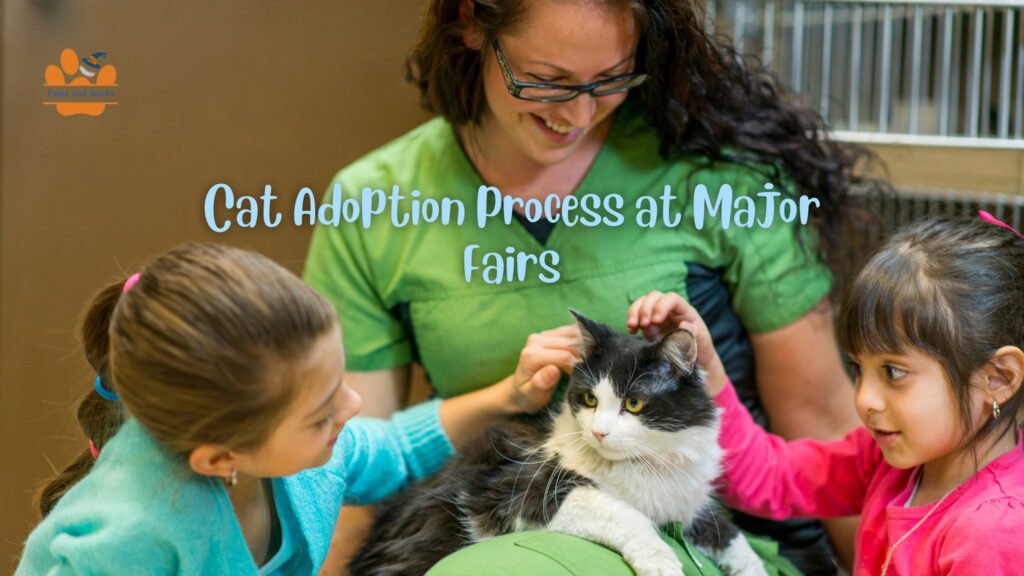
The American Society for the Prevention of Cruelty to Animals (ASPCA) has been a leader in animal welfare for over a century. Its success is largely due to strategic partnerships with corporate entities. These collaborations have been vital in pushing forward animal welfare initiatives across the United States.
According to the ASPCA, corporate support is essential in driving positive change for animals in need. Companies like Subaru and FedEx show that business success and animal welfare can coexist. Through ASPCA strategic cause partnerships, these corporate giants are making a significant, nationwide impact.
Key Takeaways
- The ASPCA partners with corporate entities to advance animal welfare initiatives.
- Corporate support is critical in driving positive change for animals in need.
- Companies like Subaru and FedEx are leading examples of successful ASPCA collaborations.
- These partnerships create a significant, nationwide impact on animal welfare.
- Business success and animal welfare can be mutually beneficial.
The Power of Corporate-ASPCA Collaborations
The alliance between corporate titans and the ASPCA has transformed animal welfare efforts nationwide. This partnership has broadened the reach of animal welfare programs. It has also reshaped corporate social responsibility.
Historical Development of Animal Welfare Partnerships
Animal welfare partnerships have a long history, with the ASPCA leading the way. These collaborations have grown from simple donations to complex, multi-faceted efforts.
The Evolution of Corporate Social Responsibility in Animal Protection
Corporate social responsibility (CSR) has seen a major shift, with animal protection now a core part of CSR. Today, companies are eager to join forces in impactful partnerships that drive real change.
From Donations to Strategic Partnerships
The move from traditional donations to strategic partnerships has been vital. This shift allows companies to use their resources, expertise, and networks to make a lasting impact.
- Enhanced resource allocation
- Increased community engagement
- Better alignment with corporate values
Measuring Impact on Animal Lives Saved
It’s essential to measure the impact of these partnerships. By tracking outcomes like animals rescued, rehabilitated, and rehomed, we can gauge success. This helps corporations and the ASPCA refine their efforts.
“The ASPCA’s partnership with corporations has been instrumental in saving countless animal lives. Together, we’re making a difference in communities across the country.”
The American Pet Products Association (APPA) notes a rise in pet owners seeking companies that support animal welfare. This trend highlights the value of corporate-ASPCA collaborations. They not only save animal lives but also boost brand reputation and consumer trust.
How Corporate Giants Partner with ASPCA: Strategic Frameworks
Corporate giants and the ASPCA form partnerships based on strategic frameworks. These frameworks drive significant animal welfare initiatives. The collaborations are multifaceted, addressing various aspects of animal welfare through different models.
Types of Partnership Models
Corporate giants engage with the ASPCA through diverse partnership models. Each model is designed to address specific needs within the animal welfare sector.
Financial Sponsorship Programs
Financial sponsorship programs are a cornerstone of ASPCA-corporate partnerships. Companies like Subaru have successfully partnered with the ASPCA through financial sponsorship. They contribute significantly to animal rescue operations. These programs enable the ASPCA to fund critical initiatives, from rescue missions to community outreach programs.
In-Kind Support and Resource Sharing
In addition to financial support, many corporate partners offer in-kind support and resource sharing. This includes donations of goods, services, or expertise that enhance the ASPCA’s operational capacity. For instance, companies may provide pet food, veterinary supplies, or even volunteer services. These contributions aid in the care and rehabilitation of rescued animals.
Creating Sustainable Long-term Alliances
For partnerships between corporate giants and the ASPCA to be truly effective, they must be built on sustainability and mutual commitment.
Partnership Governance and Accountability
A key element in creating sustainable alliances is robust partnership governance and accountability. This involves establishing clear guidelines, objectives, and metrics for success. Regular assessments and transparent reporting ensure both parties remain aligned and committed. Effective governance structures also facilitate adaptive management, allowing partnerships to evolve in response to changing circumstances.
Landmark Corporate Partnerships That Transformed Animal Welfare
The ASPCA’s alliances with major corporations have significantly impacted animal rescue efforts. These partnerships have provided financial support and raised awareness about animal welfare issues. This collaboration shows the power of strategic partnerships in transforming animal welfare.
Subaru’s “Share the Love” Campaign Impact
Subaru’s “Share the Love” campaign has been a cornerstone of corporate-ASPCA partnerships. This annual event has generated substantial donations for the ASPCA. It supports animal rescue and adoption initiatives.
Annual Donation Milestones and Achievements
Subaru’s “Share the Love” campaign has raised millions of dollars for the ASPCA. The campaign’s success highlights the power of cause-related marketing. It demonstrates the impact of corporate-ASPCA partnerships.
- Over $145 million raised for ASPCA and other charities
- Significant increase in adoption rates through supported events
- Enhanced brand loyalty for Subaru through association with animal welfare
Adoption Event Success Stories
The ASPCA has organized numerous adoption events in partnership with Subaru. These events have successfully rehomed thousands of animals. They not only find forever homes for pets but also educate the public about animal welfare.
| Year | Donation Amount | Adoption Events Supported | Animals Rehomed |
|---|---|---|---|
| 2018 | $10 million | 250 | 5,000 |
| 2019 | $12 million | 300 | 6,500 |
| 2020 | $15 million | 350 | 8,000 |
Rachael Ray Nutrish’s Contribution to Animal Rescue
Rachael Ray Nutrish has made significant contributions to animal rescue through its partnership with the ASPCA. The brand has donated to support rescue efforts and promote pet adoption.
PetSmart Charities’ Collaborative Rescue Initiatives
PetSmart Charities has worked closely with the ASPCA on various rescue initiatives. Their collaborative efforts have led to the development of adoption programs and community outreach initiatives.
These landmark corporate partnerships underscore the importance of collaboration in advancing animal welfare. By working together, corporations and animal welfare organizations can achieve far-reaching impact.

Support a Shelter Today
Animal shelters rely on everyday essentials to provide comfort and care for pets in transition. Donating trusted supplies helps shelters focus on healing, safety, and second chances.
The Business Case for Supporting Animal Protection
As consumers grow more environmentally and socially aware, companies are embracing animal protection to boost their brand and attract purpose-driven talent. This move not only aids organizations like the ASPCA but also bolsters the businesses’ long-term success.
Enhancing Brand Reputation and Consumer Trust
Supporting animal protection can greatly improve a company’s reputation. The American Pet Products Association (APPA) shows that consumers favor brands that engage in CSR. By teaming up with the ASPCA, businesses show their dedication to social causes, building trust and loyalty.
Aligning Corporate Values with Social Impact
When corporate values match social impact, it creates a virtuous cycle. Companies backing animal welfare initiatives contribute to the greater good and strengthen their brand. This alignment boosts loyalty and retention, as customers prefer businesses that share their values.
Employee Engagement and Retention Benefits
Supporting animal protection also positively impacts employee engagement. Companies with volunteer and team-building activities focused on animal welfare see improved morale and retention. Purpose-driven talent seeks employers committed to social responsibility.
Volunteer Programs and Team Building
Volunteer programs in animal rescue or conservation foster teamwork and camaraderie. Organizations like Best Friends Animal Society and Save-A-Pet USA provide volunteer opportunities that fit corporate team-building needs.
Attracting Purpose-Driven Talent
In today’s job market, attracting and keeping top talent requires more than just salary and benefits. Purpose-driven employees are attracted to companies making a positive difference. By backing animal protection, businesses stand out as employers of choice.
How Corporate Support Transforms ASPCA’s Rescue Operations
Corporate support has been key in changing the ASPCA’s response to animal welfare emergencies. By teaming up with big companies, the ASPCA has grown its rescue efforts. It has also improved its resources and given vital help to animals in trouble.
Expanding Rescue Resources and Infrastructure
The ASPCA has used corporate backing to strengthen its rescue capabilities. This includes:
- Improving its fleet of rescue vehicles
- Updating its communication systems
- Expanding its network of foster homes and adoption centers
As the ASPCA notes, “Corporate partnerships have helped us tackle big animal cruelty cases and natural disasters better.” This strategic partnership has been essential in moving the ASPCA’s mission forward.
Funding Specialized Medical Equipment and Services
Corporate support has also helped fund specialized medical gear and services for the ASPCA. This includes:
| Equipment/Service | Description | Benefit |
|---|---|---|
| Mobile Veterinary Units | Provides on-site medical care during rescue operations | Improves response time and care quality |
| Advanced Surgical Equipment | Allows for complex surgeries for rescued animals | Boosts survival rates and improves outcomes |
Enabling Rapid Response to Natural Disasters
Corporate support has been vital in helping the ASPCA respond quickly to natural disasters. The ASPCA’s disaster response efforts include:
- Emergency sheltering for displaced animals
- Search and rescue operations
- Providing medical care and supplies
Case Study: Hurricane Response Efforts
During Hurricane Katrina, the ASPCA used its resources to rescue animals stranded by the floodwaters.
“The ASPCA’s response to Hurricane Katrina showed the strength of corporate-ASPCA collaborations. It allowed for a swift and effective response to one of the most devastating natural disasters in U.S. history.”
Emergency Sheltering Capabilities
The ASPCA’s emergency sheltering abilities have been boosted through corporate support. This provides safe places for animals displaced by disasters. This includes:
- Temporary housing facilities
- Food and water supply chains
- Medical care services
In conclusion, corporate support has greatly changed the ASPCA’s rescue operations. It has enabled the organization to respond more effectively to animal welfare crises.
Cause-Related Marketing: Driving Sales While Saving Animals
Cause-related marketing campaigns are a win-win for businesses and animal welfare organizations. By partnering with the ASPCA, companies can launch impactful campaigns. These campaigns boost sales while supporting animal welfare initiatives.
Co-branded Products and Donation Campaigns
Co-branded products and donation campaigns are effective in cause-related marketing. Subaru’s “Share the Love” campaigns are a prime example. A portion of sales goes to support animal welfare programs. This not only increases sales but also enhances brand loyalty and social responsibility.
Social Media Amplification Strategies
Social media is vital in amplifying cause-related marketing efforts. Viral campaigns and digital fundraising innovations are key. For instance, social media challenges can go viral, raising awareness and support for animal welfare causes.
Viral Campaigns That Drove Adoption
Campaigns like “Adopt Don’t Shop” have seen significant success on social media. They encourage people to adopt pets from shelters instead of buying from breeders. These campaigns often lead to a significant increase in adoptions.
Digital Fundraising Innovations
Digital fundraising has evolved with online platforms and social media. Organizations can now easily create fundraising pages and share them widely. This makes it simpler for supporters to contribute to animal welfare causes.
Measuring ROI on Animal Welfare Initiatives
Understanding the return on investment (ROI) for animal welfare initiatives is essential. Companies can track engagement metrics, sales data, and campaign reach. This data helps refine future cause-related marketing strategies.
Comfort Beyond Adoption
Soft blankets provide warmth, security, and stress relief for animals adjusting to shelter life. Comfort items help create calmer, safer spaces.
Corporate Volunteer Programs: Beyond Financial Contributions
Corporate volunteer programs are now a key part of supporting animal welfare. Companies see the value in their employees volunteering to help causes like the ASPCA. This approach goes beyond just giving money.
Employee Volunteer Days and Skill-Based Volunteering
Employee volunteer days let companies mobilize their teams to help animal welfare groups. Skill-based volunteering takes it further by using employees’ skills to help non-profits. This boosts the non-profits’ work and impact.
Corporate-Sponsored Adoption Events
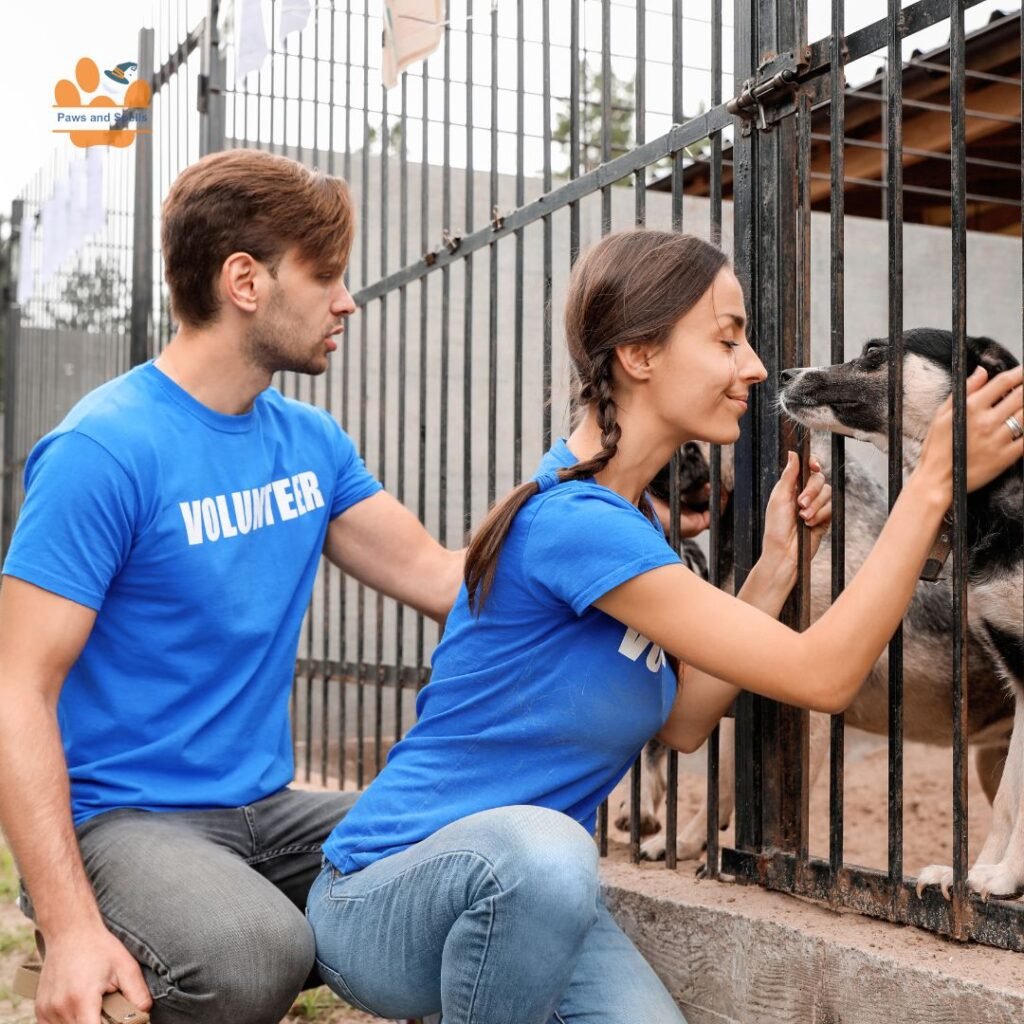
Adoption events sponsored by companies bring people and animals together. These events help animals find homes and raise awareness about animal welfare. Companies like PetSmart Charities work with rescue groups to host these events.
Success Metrics and Community Impact
The success of these events is seen in the adoptions made and community involvement. They build a sense of community and improve the company’s image.
Creating Memorable Brand Experiences
Companies can make lasting impressions through meaningful activities. This strengthens brand loyalty and enhances the company’s image.
Executive Leadership in Animal Welfare Advocacy
Leadership is key in driving corporate volunteer efforts. When executives support animal welfare, it inspires the whole company. This leads to more involvement and dedication to these causes.
Future Trends in Corporate-ASPCA Partnerships
Emerging technologies and global expansion are set to redefine the landscape of corporate-ASPCA partnerships in the coming years. As the animal welfare sector continues to evolve, collaborations between corporations and the ASPCA are becoming increasingly sophisticated.
Technology-Driven Collaboration Opportunities
The integration of technology in animal welfare initiatives is opening new avenues for corporate-ASPCA partnerships. Two key areas where technology is making a significant impact are:
- AI and Data Analytics: The use of AI and data analytics is significantly improving the ASPCA’s ability to track animal welfare trends, predict outcomes, and optimize rescue operations.
- Digital Platforms for Engagement: Digital platforms are being leveraged to engage the public, raise awareness about animal welfare issues, and mobilize support for ASPCA initiatives.
AI and Data Analytics for Animal Welfare
The ASPCA is utilizing AI and data analytics to improve its operational efficiency and effectiveness. For instance, predictive analytics can help identify areas prone to animal cruelty, enabling targeted interventions.
Digital Platforms for Engagement
Digital platforms, including social media and dedicated websites, are critical for engaging the public and promoting the ASPCA’s mission. These platforms facilitate real-time updates, fundraising campaigns, and community outreach programs.
Global Expansion of Corporate Animal Welfare Initiatives
As corporations increasingly adopt global animal welfare policies, the ASPCA is well-positioned to support these efforts through international collaborations. This global expansion is expected to drive significant advancements in animal welfare worldwide.
Integrating Animal Protection into ESG Frameworks
The growing importance of Environmental, Social, and Governance (ESG) frameworks is leading corporations to integrate animal protection into their sustainability strategies. The ASPCA is working closely with corporations to develop and implement robust animal welfare policies within these frameworks.
By embracing these future trends, corporate-ASPCA partnerships are poised to make a lasting impact on animal welfare globally.
Conclusion: The Transformative Impact of Corporate-ASPCA Alliances
The partnerships between corporate giants and the ASPCA have been truly transformative for animal welfare. These collaborations have made a significant impact on the lives of animals in need. By working together, they have achieved more than they could alone.
Through these alliances, companies have used their resources and expertise to drive positive change. The ASPCA has received financial and volunteer support from its corporate partners. This support has enabled the ASPCA to expand its rescue operations and provide critical care to animals in crisis.
These collaborations have also helped raise awareness about important animal welfare issues. They promote a culture of compassion and empathy. As the ASPCA continues to work with its corporate partners, the transformative impact will only continue to grow.
By supporting animal welfare initiatives, corporate giants demonstrate their commitment to creating a better world for animals. The ASPCA and its corporate partners are making a tangible difference in the lives of animals. Their efforts serve as a model for other organizations seeking to drive positive change.
FAQ
What is the significance of corporate partnerships for the ASPCA?
How have corporate-ASPCA collaborations evolved over time?
What types of partnership models are used by corporate giants to partner with the ASPCA?
Can you provide an example of a successful corporate-ASPCA partnership?
How do corporate partnerships enhance the ASPCA’s rescue operations?
What is the role of cause-related marketing in supporting animal welfare?
How do corporate volunteer programs contribute to animal welfare?
What are the future trends in corporate-ASPCA partnerships?
How do corporate partnerships align with the ASPCA’s mission?
What are the benefits of corporate social responsibility initiatives for animal welfare?
References:
This article was created based on information from the following authoritative sources: Best Friends Animal Society and the Humane Society of the United States.