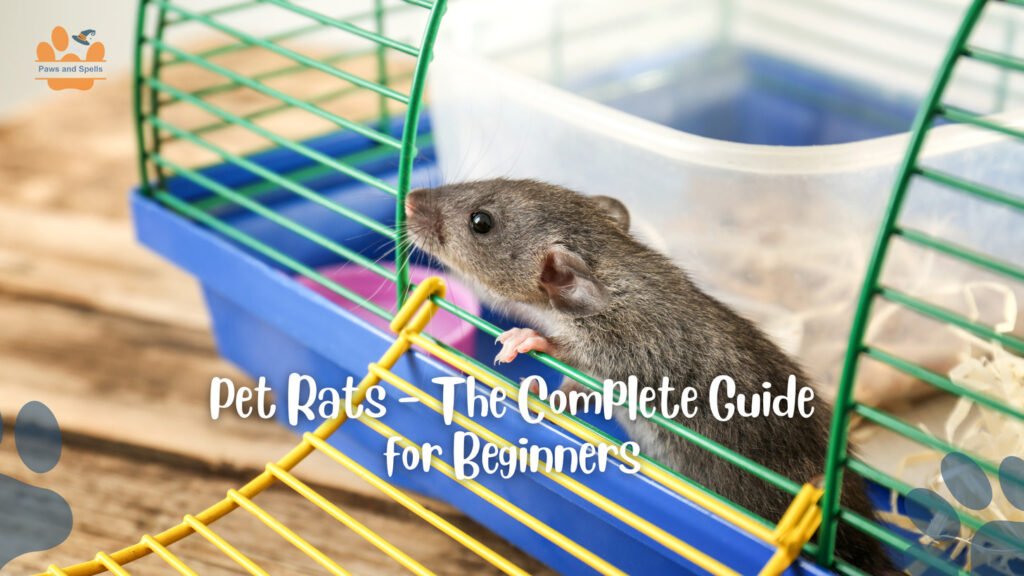
Are you considering bringing a hamster into your home as a new pet? Raising hamsters at home can be a wonderful experience, but it’s important to understand the essentials of hamster care to ensure the well-being and longevity of your furry friend.
In this article, we’ll provide you with essential tips and insights on raising hamsters at home. From creating the perfect hamster habitat to understanding the hamster lifespan, we’ll cover all aspects of hamster care for beginners.
Whether you are a first-time hamster owner or looking to enhance your knowledge, this guide is designed to help you provide the best possible care for your beloved pet.
Key Takeaways:
- Raising hamsters at home requires an understanding of proper hamster care.
- Providing a suitable hamster habitat is crucial for their well-being.
- Hamsters have a relatively short lifespan, and it’s important to be aware of their needs.
- Creating a happy and healthy environment for your hamster involves choosing the right toys and ensuring mental stimulation.
- Cultural considerations may affect the decision to keep hamsters as pets in certain religious beliefs.
Getting Started with Hamster Care
Welcome to the exciting world of hamster ownership! Before bringing a hamster home, it’s essential to be well-prepared and equipped with the knowledge needed to provide proper care. In this section, we will guide you through the basics of hamster care, including setting up their living space to ensure a happy and healthy environment.
Choosing the Perfect Hamster Cage
The first step in hamster care is selecting the right cage for your furry friend. A suitable cage should provide ample space for your hamster to move around and engage in their natural behaviors. Consider the size, material, and design of the cage. A wire cage with a solid bottom is recommended as it allows for good ventilation while preventing bedding from being kicked out. Ensure the bar spacing is not wide enough for your hamster to escape.
When it comes to choosing the perfect hamster cage, there are a few things to keep in mind. First and foremost, you want a cage that provides good ventilation for your furry friend. A wire cage with a solid bottom is often recommended as it allows for airflow while preventing bedding from being kicked out.
Another important factor to consider is the bar spacing. You want to make sure that the spacing between the bars is not wide enough for your hamster to escape. Hamsters are notorious escape artists and can squeeze through small spaces, so it’s crucial to choose a cage with appropriate bar spacing.
In addition to these considerations, it’s also important to think about the size of the cage. Hamsters need plenty of space to move around and explore, so opt for a cage that provides enough room for them to climb, run, and burrow. A general rule of thumb is to choose a cage that is at least 24 by 12 inches for dwarf hamsters and 30 by 15 inches for Syrian hamsters.
Taking care of a hamster, especially for beginners, requires understanding the dos and don’ts of hamster care. Providing a suitable living environment is an essential part of ensuring your hamster’s well-being. By considering the ventilation, bar spacing, and size of the cage, you’re off to a great start in providing a comfortable home for your new furry friend. Happy hamster raising!
“A spacious and secure cage is essential for the well-being of your hamster.”
Creating a Cozy Hamster House
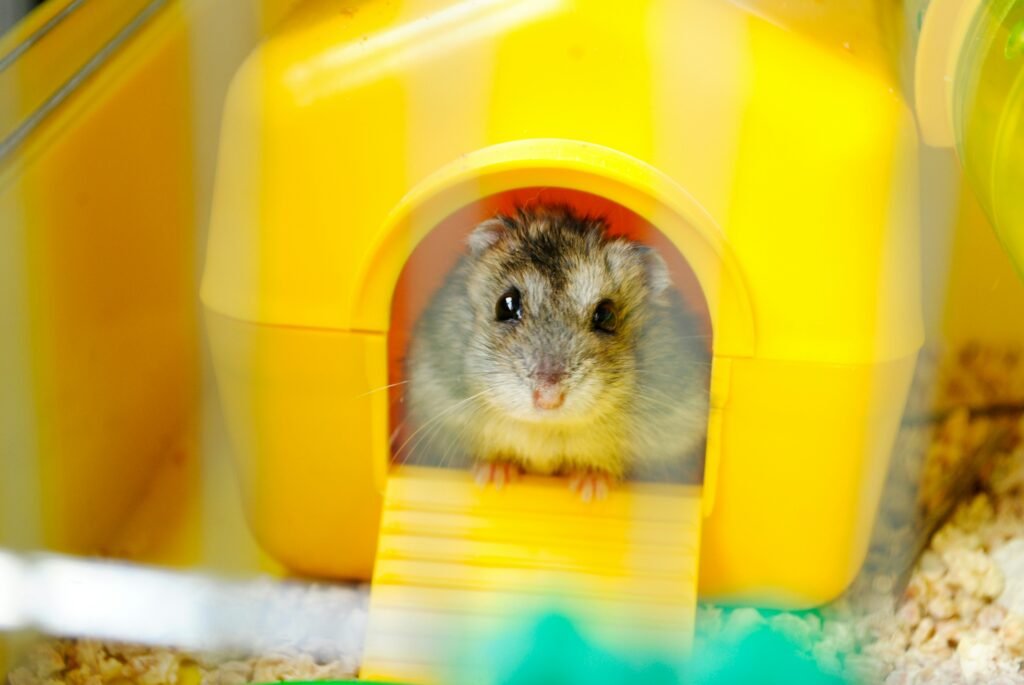
Inside the cage, provide a cozy hamster house where your pet can retreat and sleep. Opt for a suitable hiding spot or igloo-style house that provides privacy and comfort. Place bedding material, such as shredded paper or aspen shavings, in the house to create a soft and warm nest for your hamster.
It’s important to note that hamsters are nocturnal creatures and prefer a dark and quiet environment during the day for adequate rest. Place the cage in a calm area of your home away from direct sunlight and loud noises.
Proper Nutrition and Hydration
A well-balanced diet is crucial to your hamster’s health. Provide a range of hamster-approved foods, including commercial hamster pellets, fresh vegetables, fruits, and occasional treats. Ensure a constant supply of fresh water in a sipper bottle or a shallow dish that is easily accessible to your hamster. Monitor their eating habits and adjust their food quantity accordingly.
Understanding Exercise and Enrichment
Hamsters are active creatures and require opportunities for mental stimulation and physical exercise. Provide a hamster wheel or exercise ball to allow your hamster to run and burn off excess energy. Additionally, offer a variety of toys, tunnels, and chew toys to keep them entertained. Regular playtime outside of the cage in a safe and secure environment will also help promote their well-being and overall health.
Regular Cleaning and Maintenance
Maintaining a clean hamster cage is essential for your pet’s health. Spot clean the cage daily by removing any soiled bedding and waste. Every week, thoroughly clean the cage and accessories using mild, hamster-safe detergent. Ensure all items are thoroughly dried before placing them back in the cage. Regular cleaning will help prevent odors and the buildup of harmful bacteria.
The Perfect Hamster Care Checklist
- Choose a suitable and secure hamster cage
- Create a cozy hamster house with bedding material
- Provide a well-balanced diet, including fresh water
- Offer exercise opportunities with a hamster wheel or exercise ball
- Provide a variety of toys for mental stimulation
- Maintain a clean and odor-free environment
Comparison of Popular Hamster Cages
| Brand | Size | Material | Price |
|---|---|---|---|
| Kaytee CritterTrail | Medium | Plastic | $25 |
| Prevue Pet Products | Large | Wire | $40 |
| Ferplast Favola | Extra-Large | Plastic and Wire | $50 |
Remember, providing proper care is essential for the well-being and happiness of your hamster. By following these basic guidelines, you’ll be off to a great start in creating a comfortable and loving environment for your new furry friend.
Creating a Happy and Healthy Environment
When it comes to raising hamsters at home, creating a happy and healthy environment is crucial. These active little creatures need mental stimulation and exercise to thrive. One way to provide both is through the use of hamster toys. Choosing the right toys can keep your furry friend entertained and ensure their overall well-being.
Selecting the Right Hamster Toys
When selecting hamster toys, it’s important to consider their safety and suitability for your hamster’s needs. Opt for toys that are specifically designed for hamsters, avoiding small parts that could pose a choking hazard. Some popular options include:
- Hamster exercise wheels: These provide an essential outlet for your hamster’s energy and help keep them physically active.
- Tunnels and hideouts: Hamsters love to explore and seek out cozy spaces. Providing tunnels and hideouts not only satisfies their natural instincts but also gives them a sense of security.
- Chew toys: Hamsters have constantly growing teeth, and chewing on safe toys helps keep their teeth trimmed and healthy. Choose chew toys made from non-toxic materials.
- Puzzle toys: These toys offer mental stimulation, allowing your hamster to use their problem-solving skills to retrieve treats or navigate through obstacles.
Remember to rotate and introduce new toys regularly to prevent boredom. This will keep your hamster engaged and prevent them from losing interest in their toy collection.
“Providing engaging toys not only keeps hamsters physically active but also mentally stimulated, contributing to their overall well-being.” – Dr. Emily Johnson, Small Animal Veterinarian
Creating a Stimulating Environment
Besides providing toys, there are other ways to ensure a happy and healthy environment for your hamster. Consider the following tips:
- Safe and spacious habitat: Choose a suitable hamster cage that provides ample space for your hamster to move around comfortably. Ensure the cage has proper ventilation and is escape-proof.
- Variety in bedding: Use different types of bedding materials to create a comfortable and stimulating environment. Choices like shredded paper, aspen shavings, or paper pellets give your hamster options for burrowing and nesting.
- Diet and hydration: Provide a balanced diet of hamster pellets, fresh vegetables, and occasional treats. Ensure there is a fresh supply of clean water available at all times.
- Natural day-night cycle: Hamsters are crepuscular animals, meaning they are most active during dawn and dusk. Maintain a consistent light cycle to mimic their natural habitat, allowing them to settle into a healthy rhythm.
- Quiet and calm environment: Avoid placing the hamster cage near loud noises or in direct sunlight, as this can cause stress and discomfort for your hamster.
Chart: Recommended Daily Playtime for Hamsters
| Hamster Age | Playtime Duration |
|---|---|
| Newborn to 4 weeks | 5-10 minutes |
| 4-8 weeks | 15-20 minutes |
| 8-12 weeks | 20-30 minutes |
| 12 weeks and older | 30-60 minutes |
It’s important to gradually increase playtime as your hamster grows older, allowing them to adjust to longer periods of activity. Remember to supervise playtime to ensure your hamster’s safety and well-being.
By selecting the right hamster toys and creating a stimulating environment, you can provide your furry friend with the mental and physical stimulation they need to stay happy and healthy. With these tips, beginners can confidently raise hamsters at home, fostering a thriving and delightful bond with their adorable pets.
Do’s and Don’ts of Hamster Care
When it comes to caring for your hamster, there are certain do’s and don’ts that can make a significant difference in their overall well-being. Learning from experienced hamster owners, we’ve compiled a list of valuable tips and insights that they wish they knew before getting a hamster. By following these guidelines, you can provide the best possible care for your furry friend.
Do: Provide a proper diet tailored to your hamster’s needs.
Don’t: Overfeed your hamster or give them foods that are toxic to them.
Do: Create a comfortable and spacious habitat for your hamster.
Don’t: Keep your hamster in a cage that is too small or lacks essential features.
Do: Handle your hamster with care and gentleness.
Don’t: Roughly handle or squeeze your hamster, as they are delicate animals.
Do: Provide mental stimulation with a variety of toys and activities.
Don’t: Neglect their need for exercise and mental enrichment.
Do: Maintain cleanliness in your hamster’s habitat to prevent illness.
Don’t: Neglect cleaning the cage on a regular basis.
Do: Spend quality time bonding with your hamster.
Don’t: Neglect socialization and interaction with your hamster.
“Having a hamster is a wonderful experience, but it’s important to educate yourself on proper care. I wish I had known about the importance of providing a diverse diet and ensuring enough space for my hamster to explore and exercise. These do’s and don’ts have made all the difference in my hamster’s health and happiness.” – Sarah, experienced hamster owner
By following these do’s and don’ts of hamster care, you’ll be well-equipped to provide a safe and nurturing environment for your furry friend. Remember, every hamster is unique, so always observe your pet’s behavior and make adjustments accordingly. Your hamster will thank you with endless love and joy!
Understanding the Hamster Lifespan
Hamsters have relatively short lifespans, typically ranging from 2 to 3 years. However, with proper care and attention, you can help maximize your hamster’s years of companionship. Understanding the factors that affect a hamster’s lifespan is crucial in providing appropriate care and ensuring their well-being.
Factors Affecting Hamster Lifespan
- Genetics: Just like humans, hamsters inherit certain genetic traits that can influence their lifespan. It’s important to choose a healthy hamster from a reputable breeder or pet store to give them the best start in life.
- Diet and Nutrition: A well-balanced diet is key to a hamster’s longevity. Providing a mix of commercial hamster food, fresh vegetables, and occasional treats can help ensure they receive essential nutrients.
- Environmental Factors: The living environment plays a significant role in a hamster’s lifespan. An appropriate cage size, optimal temperature, and good ventilation contribute to their overall health and well-being.
- Exercise and Mental Stimulation: Hamsters are active animals and need regular exercise to stay healthy. Providing a wheel, tunnels, and toys can help keep them physically and mentally stimulated.
- Healthcare: Regular veterinary check-ups and prompt treatment of any health issues are crucial for maintaining a hamster’s well-being and extending their lifespan.
To ensure the best possible care for your hamster, it’s important to understand the average lifespan and take these factors into consideration. Now, let’s explore some helpful tips for maximizing your hamster’s years of companionship:
Tips for Maximizing Hamster Lifespan
- Promote a Healthy Diet: Provide a balanced diet consisting of commercial hamster food, fresh vegetables, and occasional treats. Avoid foods that are toxic to hamsters, such as chocolate, onions, and citrus fruits.
- Create a Safe and Enriching Environment: Ensure your hamster’s cage is suitable for their size and provides ample space for exercise. Include toys, tunnels, hideouts, and a wheel to keep them physically and mentally stimulated.
- Maintain Proper Hygiene: Clean the hamster cage regularly to prevent the build-up of bacteria and ensure a hygienic living environment. Change bedding, clean food and water containers, and remove any waste promptly.
- Monitor Health and Seek Veterinary Care: Pay attention to any changes in your hamster’s behavior, appetite, or appearance. If you notice anything unusual, consult a veterinarian who specializes in small animals.
- Provide Gentle and Regular Handling: Handle your hamster gently and regularly to build a bond and ensure they feel secure and loved. Avoid sudden movements or loud noises that may startle or stress them.
By implementing these tips and providing attentive care, you can help ensure a long and healthy lifespan for your precious hamster companion. Remember, every little effort counts when it comes to maximizing the years you spend together.
| Lifespan Factors | Impact |
|---|---|
| Genetics | Varies |
| Diet and Nutrition | Important |
| Environmental Factors | Crucial |
| Exercise and Mental Stimulation | Essential |
| Healthcare | Crucial |
Keeping Hamsters as Pets: Cultural Considerations
If you’re considering keeping a hamster as a pet, it’s important to be aware of cultural considerations, especially if your religious beliefs are a significant factor in your decision-making process. In Islam, the permissibility of keeping certain animals as pets is a topic of discussion among scholars.
While there is no direct mention of hamsters in Islamic texts, the majority of scholars agree that small mammals, including hamsters, are permissible to keep as pets, as long as their care does not conflict with Islamic principles.
“Maintaining animals as pets is generally allowed in Islam, as long as their care does not entail neglect or cruelty and is consistent with the principles of cleanliness and hygiene.”
Just like with any pet, it is essential to provide proper care, attention, and a safe environment for your hamster. This includes providing appropriate housing, a balanced diet, and regular veterinary care.
Conclusion
In conclusion, raising hamsters at home can be a rewarding and enjoyable experience. Our expert tips and guidance have provided you with a better understanding of hamster care, enabling you to create a happy and healthy environment for your furry friend. However, it’s important to note that hamsters are generally solitary animals.
While hamsters may do okay alone, it’s crucial to provide them with adequate socialization and care to ensure they thrive. Regular interaction and playtime with your hamster can help prevent loneliness and promote their overall well-being. Consider setting up a schedule for daily handling and play sessions to keep your hamster mentally stimulated and entertained.
Additionally, be attentive to your hamster’s behaviors and preferences. Some hamsters may enjoy the company of another compatible hamster, while others may prefer to be the sole pet in the household. Be sure to monitor their interactions closely and introduce any new hamsters gradually to prevent stress or conflicts.
By following these tips and being mindful of your hamster’s individual needs, you can provide a loving and enriching environment where your hamster can thrive. Happy hamster parenting!