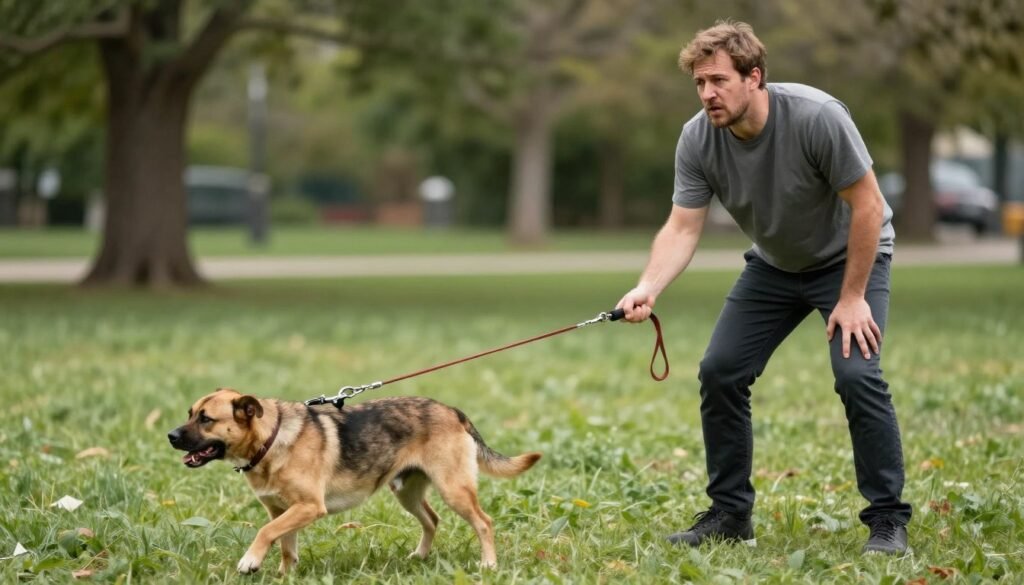
Unlocking the secrets to the best dog training at home starts within the cozy confines of your abode, where trust and bond form the heart of teaching your furry friend. Ever wondered, “how do I tell my dog no?” or “what is the first thing to train a dog?” You’re in luck. Training your canine companion is a blend of art and science – it’s about more than commands; it’s a conversation. From those first sit and stay commands to mastering the polite “no,” we’re here to guide you in tailoring a dog training journey that is as delightful as it is effective.
Key Takeaways
- Affirming a positive dog training experience at home.
- Fostering clear and compassionate communication with your dog.
- Importance of beginning with fundamental commands for a solid training base.
- Implementing positive reinforcement to encourage good behavior.
- Strategies for addressing common training questions and challenges.
- Tailored advice for the first steps in your dog training adventure.
Understanding Your Dog’s Behavior for Better Training Results
Embracing the journey of dog training at home requires more than just commands and treats; it’s about forging a deeper connection with your furry friend. By gaining insights into your dog’s behavior and creating a nurturing environment, you’ll be equipped to train your dog by yourself effectively. Let’s explore how interpreting body language, addressing behavioral challenges, and fostering a positive learning space can enrich your dog training experience.
Interpreting Body Language
Dogs communicate volumes through their body language, and as a pet owner, interpreting these cues is vital for understanding their feelings and intentions. Observing the subtleties of your dog’s posture, tail wagging, ear positioning, and eye contact, provides indispensable clues to their emotional state. This attunement aids in preempting issues before they arise, ensuring timely guidance and reassurance during training sessions.
Addressing Common Behavioral Challenges
One of the quintessential dog training tips for beginners is recognizing why dogs engage in common problematic behaviors like barking, chewing, or jumping. Is your dog barking to alert you, seeking attention, or expressing anxiety? Pinpointing these motivations enables you to apply the proper corrective measures that address the root cause rather than just the symptom, resulting in a more harmonious home environment.
Creating a Positive Learning Environment
Fostering a positive training ambiance is a cornerstone for engaging dogs in effective learning. When your home becomes a safe haven where successes are celebrated, and mistakes are met with patience, your dog is more likely to excel. Consistency, positive reinforcement, and empathy are integral to establishing a conducive learning environment, ensuring your dog’s training is not only successful but also a delightful bonding experience.
In your quest for dog training at home near me, remember that every interaction with your dog is an opportunity to strengthen trust and facilitate learning. With a blend of patience, consistency, and a loving approach to their education, discovering how can I train my dog by myself? becomes not just a question, but a rewarding adventure in companionship.
The Basics of Dog Training at Home
Embarking on the journey to the best dog training at home starts with understanding that mastery of a few fundamental commands lays the groundwork for a disciplined and happy pet. Every dog owner, seasoned or new, should aim to weave these basic instructions into everyday life to cultivate a well-behaved companion.
Essential Commands Every Dog Should Know
The bedrock of any dog training basic obedience lesson plan is the seven essential commands. These commands form the core language through which you and your dog will communicate. Let’s examine what they are and why they’re important:
- Sit: Provides a base for many other commands and helps with self-control.
- Stay: Teaches patience and helps in managing potentially dangerous situations.
- Down: Encourages calm behavior and submission, useful for creating boundaries at home.
- Come: Essential for recall, ensuring your dog’s safety during off-leash situations.
- Heel: Alleviates pulling during walks and ensures a pleasant walking experience.
- No: A vital command for stopping any unwanted behavior immediately.
- Off: Useful for discouraging jumping on people and surfaces.
Implementing Reward-Based Training Methods
Reward-based training, or positive reinforcement, is a highly effective approach where good behaviors are rewarded with treats, play, or praise, making the experience positive and enjoyable for your dog. The goal here is to create an association between the command and something pleasant to encourage repetition of the desired behavior.
Here’s a simple dog training basic obedience lesson plan to get you started:
| Command | Action | Reward | Training Tip |
|---|---|---|---|
| Sit | Gently press on the hindquarters until your dog sits down. | Give a treat and verbal praise. | Start training in a quiet environment to minimize distractions. |
| Stay | Open your hand in front of you and ask your dog to stay. | Gradually increase the distance and reward compliance. | Practice for short periods and gradually increase the duration. |
| Down | Lure your dog into a down position using a treat. | Praise and reward once they lie down. | Ensure the surface is comfortable for your dog to lie down. |
| Come | Use a cheerful tone to call your dog to come. | Offer a treat and affection when they arrive. | Start with a leash to guide your dog, and eventually work towards off-leash recall. |
| Heel | Keep your dog at your side while walking; no pulling allowed. | Reward with a treat and praise for proper positioning. | Use a short leash and treats to maintain position by your side. |
| No | Firmly say ‘no’ without shouting whenever unwanted behavior occurs. | Redirect to a positive behavior and reward. | Maintain consistent use of the command to avoid confusion. |
| Off | Command ‘off’ when your dog jumps on something or someone. | Give a treat when all four paws remain on the ground. | Teach this command preemptively before the behavior becomes a habit. |
Remember, patience and consistency are key. With practice, implementing these commands into your routine will lead to a harmonious relationship with your furry friend, laying the foundation for the best dog training at home. As the saying goes, “Train with love, and your dog will love the training.”

Dog Training at Home Free Resources
Embarking on the path of dog training at home free has never been easier, thanks to a myriad of online portals dedicated to helping pet owners like you. From detailed dog training videos that guide you through each step, to expert blogs that offer tips and insights, these resources are designed to assist you in creating a well-behaved and happy canine companion, all at no cost.
Remember, the best resource is the one that corresponds to your dog’s learning style and your training preferences. – Renowned Dog Trainer
Below is a comprehensive table of various types of free dog training resources that you can conveniently access from the comfort of your home:
| Type of Resource | Description | Key Benefits |
|---|---|---|
| Online Videos | Video tutorials from experienced trainers | Visual and auditory learning, step-by-step instructions |
| Expert Blogs | Articles written by dog training professionals | Diverse topics, professional insights |
| Downloadable Guides | PDFs and ebooks on dog training techniques | Printable, in-depth guides, convenient for reference |
| Interactive Tools | Online quizzes and tools for personalized training guidance | Customized training suggestions, engaging for both dog and owner |
| Community Forums | Discussion boards for dog owners to share experiences | Peer support, real-life case studies, networking |
As you delve into these resources, bear in mind that consistency and patience are key to your dog’s learning process. Utilize these free tools to enhance your dog training journey, ensuring you and your four-legged friend can enjoy a harmonious and loving relationship.
Best Dog Training at Home Techniques
Transforming your furry friend into a well-behaved companion begins with understanding and implementing top-notch training methods. Engaging your dog with effective strategies not only strengthens the bond but ensures a harmonious living environment. Begin your journey with trusted techniques and the foundational rules that every dog owner should know.
Clicker Training: A Modern Approach
Clicker training stands out as a sophisticated yet simple technique thriving on the power of positive reinforcement. This modern approach uses a sound—a click—to mark the exact moment your dog performs the desired behavior. By immediately following the click with a treat, your dog begins to associate the sound with positive rewards, leading to quicker learning and more enduring habits.
Tackling Problem Behaviors with Consistency
Successfully managing and redirecting problem behaviors in dogs hinges on a constancy that can’t be overstated. Consistent reactions from you help your dog to understand which behaviors are acceptable and which are not. Adherence to the five golden rules of dog training is key here, as they provide a framework that can lead to significant improvements in behavior with steadfast application.
| Golden Rule | Description | Application in Training |
|---|---|---|
| Consistency | Setting and following rules without deviation | Same command, same reaction from you every single time |
| Patience | Remaining calm and not expecting immediate results | Allowing the dog to learn at their own pace without pressure |
| Timing | Acknowledging good behavior promptly | Rewards or corrections given immediately after the behavior |
| Reward | Positive reinforcement for desirable actions | Usage of treats, praise, or play as incentives for good behavior |
| Respect | Understanding and consideration for your dog’s feelings | Training methods that do not involve fear or intimidation |
Remembering these principles is crucial for anyone seeking dog training tips for beginners. By consistently applying these rules, dog owners can ensure a positive trajectory in their home dog training efforts. So, embark on the training journey with your companion, equipped with knowledge and the right set of tools for success.
Establishing a Routine for Dog Training at Home Near Me
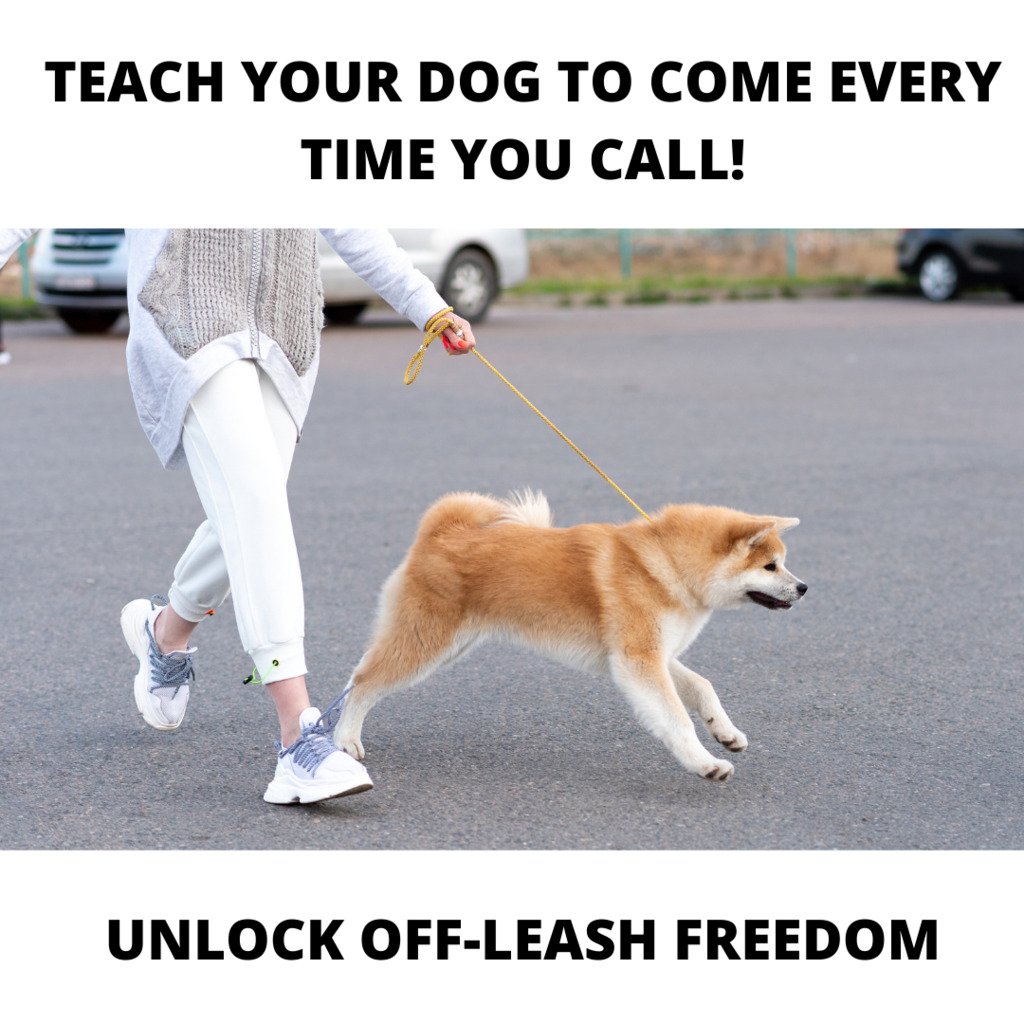
When it comes to dog training at home near me, the benefits of establishing a dog training routine cannot be overstated. A consistent schedule teaches your dog what behaviors are expected and when, creating a sense of reliability and order that is conducive to learning. For those looking to integrate expert advice into their home practice, reaching out to local dog training services can provide a structure that can be emulated in your home environment.
“Consistency is key in dog training,” notes a well-respected dog behaviorist. “Developing a regular rhythm for your training sessions not only helps your dog settle into a comfortable and predictable pattern, but also enhances the effectiveness of the training itself.”
Establishing consistent training times each day helps your faithful companion anticipate learning opportunities, making dog training at home near me both efficient and enjoyable.
Here are some practical steps you can follow:
- Decide on regular training times that suit your schedule and stick to them.
- Keep sessions short and focused to maintain your dog’s attention.
- Incorporate training into everyday activities for seamless learning.
- Consult with local experts to ensure your training methods are effective.
- Adapt the routine as your dog progresses, challenging them with new tasks.
In fostering a successful training environment at home, remember that patience and positive reinforcement will go a long way. While searching for “dog training near me” or “dog training at home near me” may yield diverse strategies from local trainers, the core principles of establishing a dog training routine are universal in leading to a well-behaved and well-adjusted pet.
How to Train a Dog for Toilet Successfully
Training your dog to use the toilet appropriately is an essential aspect of pet ownership that contributes to a harmonious living environment. This task revolves around consistency, patience, and positive reinforcement. By following a structured approach to potty training, you can minimize accidents and set your dog up for success.
The Step-by-Step Process
Beginning with a dependable bathroom schedule is the cornerstone of effective toilet training. Take your dog outside regularly, focusing on key times such as after eating, playing, or waking up from sleep. Consistency here cannot be overstressed—adhering to a predictable pattern goes a long way in ingraining these habits in your pet’s routine.
- Choose a Designated Toilet Area: Select an area that your dog will reliably associate with going to the bathroom.
- Establish a Feeding Schedule: Regular feeding times will lead to regular bathroom needs, helping you anticipate when your dog will need to go.
- Observe and Learn: Watch for signs that your dog needs to use the toilet—sniffing, circling, or whining—and take them out immediately.
- Use Commands: Introducing a consistent command, like “go potty,” will help your dog understand the desired action.
- Reinforce with Praise: When your dog successfully goes to the bathroom outside, offer them praise and treats to reinforce the behavior.

Dealing With Accidents Positively
Despite the best training efforts, accidents may occur. It’s important to handle these situations constructively, to ensure your dog does not develop anxiety around going to the toilet. Clean up any messes immediately and use enzymatic cleaners to remove odors that might attract your dog back to the same spot. Remember, positive reinforcement goes a long way.
| Reaction to Accidents | Long-Term Impact on Training |
|---|---|
| Remain Calm and Redirect | Builds trust and helps the dog feel secure in continuing efforts |
| Clean Up Effectively | Prevents re-marking and reinforces the correct toilet area |
| Reassess the Routine | Helps identify the gaps in training and areas needing more focus |
| Never Punish After an Accident | Encourages a stress-free environment conducive to learning |
In closing, toilet training your dog involves a mixture of forethought, vigilance, and the ability to maintain an unwaveringly positive approach. Keep the lines of communication open with your pet through clear commands and signals, and before long, you’ll find a well-trained dog and a clean home coexisting in perfect harmony.
Dog Training Basic Obedience Lesson Plan
Embarking on the journey of dog training at home can often feel daunting, but developing a structured obedience lesson plan is a solid step towards success. Understanding how to chart out your training days and effectively gauge your dog’s progress will equip you with the tools necessary for achieving your training goals.
Day-to-Day Training Schedule
Creating a daily training schedule is a cornerstone of a successful dog training basic obedience lesson plan. A consistent routine not only helps your dog understand expectations but also fosters a learning environment that can lead to quicker retention of commands. Below is an example of what your week might look like:
| Day | Command | Session Duration | Notes |
|---|---|---|---|
| Monday | Sit | 15 minutes | Focus on hand signals |
| Tuesday | Stay | 20 minutes | Gradually increase distance |
| Wednesday | Down | 15 minutes | Incorporate distractions |
| Thursday | Come | 15 minutes | Practice in different locations |
| Friday | Heel | 20 minutes | Add challenges with pace changes |
| Saturday | Review & Combine | 30 minutes | Reinforce commands learned |
| Sunday | Rest & Play | – | Balance training with relaxation |
Remember, consistent short sessions are more effective than infrequent long ones, and always end each session on a positive note to ensure your dog associates training with a happy experience.
Progress Tracking and Adjustments
Keeping a log of your dog’s accomplishments and areas that require further work is pivotal to an effective training program. By asking yourself, “How can I train my dog by myself?“, you’ll often find that attentive progress tracking offers part of the answer. Here’s how you might approach it:
- Set clear, achievable goals for each week.
- Maintain a journal detailing your dog’s reactions and any challenges faced in each session.
- Celebrate milestones to motivate both you and your pet.
- Be prepared to adapt your plan based on your dog’s learning pace and interest levels.
Remember, flexibility is a key ingredient in the recipe for dog training success. Each dog is unique, and what works for one may not work for another. Continually assess and adjust your plan, ensuring it remains tailored to your dog’s individual progress.
Advanced Tips: What Age and How Can I Train My Dog by Myself?
Embarking on the journey of canine training is an experience full of growth and bonding. When it comes to answering the pertinent question, what is the best age to train a dog?, the consensus is that the earlier, the better. Yet, many dog owners might also wonder what age is too late to train a dog? and is 1 too old to train a dog? Here we unravel these queries, providing insights into how to tailor training to the age and stage of your furry friend.
Understanding the Best Age to Start Training
Commencing dog training at a young age offers the benefit of malleability – puppies are naturally more receptive to learning new concepts. The optimal starting point is around eight weeks, when puppies are inquisitive and capable of retaining simple commands. This does not mean that older dogs cannot be trained. The plasticity of brain development in dogs means that learning can occur at any stage of life, though patience and understanding are paramount when initiating training routines for older pets.
Strategies for Training Older Dogs
While puppies might grasp the basics rapidly, training older dogs requires a modified approach. Adjustments to training methods include prioritizing shorter, engaging sessions to maintain the dog’s attention and assuaging any physical limitations with gentler exercises. Tailoring teaching techniques to accommodate the unique demeanor and abilities of your senior dog ensures that the axiom you can’t teach an old dog new tricks is comfortably debunked.
| Age Group | Training Focus | Special Considerations |
|---|---|---|
| Puppies (8 weeks – 6 months) | Basic commands, Socialization, House training | Short training sessions, Positive reinforcement |
| Young Adults (6 months – 2 years) | Consolidating basic skills, Leash training, More advanced commands | High energy engagement, Consistent practice |
| Adults (2 years – 7 years) | Refining obedience, Specialized skills, Active problem-solving | Intellectual stimulation, Managing distractions |
| Seniors (7+ years) | Maintaining skill sets, Cognitive exercises, Gentle physical activity | Patience with slower learning, Adjusting for health & mobility |
In sum, while the formative weeks of a pup’s life may present ideal conditions for foundational training, it’s never too late to embark on the training journey. With thoughtful strategies and adaptations, dogs of all ages can learn and thrive within their own capacities. It brings to life the notion that the richness of dog training lies not just in the age, but in the approach and the strength of the bond it fosters between you and your dog.

Conclusion
We’ve embarked on a journey exploring the intricate world of canine behavior and the rewarding task of dog training at home. From the foundation of understanding your loyal companion’s needs to mastering essential commands and embracing modern training techniques such as clicker training, you’ve gained the tools and insights necessary to guide your dog toward becoming a well-behaved member of the family. We’ve highlighted the valuable free resources available, which make it possible to access the best dog training at home without incurring extra costs.
Summarizing Key Takeaways
Reflecting on our discussions, it is evident that successful dog training hinges on patience, consistency, and positive reinforcement. We’ve unearthed the significance of establishing a routine and a positive learning environment, harnessing the power of reward-based methods, and addressing common behavioral challenges with a calm and firm approach. Every dog, regardless of age, can learn and thrive when given the right guidance and support.
Continuing Education for You and Your Dog
The end of this article does not signify the end of the journey. Like any skill worth mastering, continuing dog training education is vital in keeping your dog’s abilities sharp and your training tactics up to date. Stay informed about the latest techniques and theories in dog training, and never underestimate the value of reinforcing the bond between you and your four-legged friend. Together, you can continue to grow and enjoy the incredible benefits that come from the best dog training at home.
References:
This article was created based on information from the following authoritative sources: American Society for the Prevention of Cruelty to Animals (ASPCA) and American Veterinary Medical Association (AVMA).