Is your furry friend’s bad breath a sign of a more serious issue? Many pet owners overlook the importance of their pet’s oral health, but the American Veterinary Medical Association (AVMA) emphasizes that dog dental disease is a significant health concern.
As a dedicated pet owner, it’s crucial to recognize the warning signs of canine periodontitis and other oral health issues. The AVMA’s stance on pet oral health highlights the need for awareness and proactive care during AVMA dental month and beyond.
Key Takeaways
- Understanding the importance of pet oral health
- Recognizing the signs of dog dental disease
- The role of the AVMA in promoting dental health
- Simple steps to improve your dog’s oral hygiene
- The connection between dog bad breath and overall health
Understanding Dog Dental Disease
Understanding canine dental disease is crucial for maintaining the overall health of dogs. Canine dental disease encompasses a range of conditions that affect the teeth and gums of dogs, potentially leading to serious health issues if left untreated.
What is Canine Dental Disease?
Canine dental disease refers to conditions such as gingivitis and periodontitis that affect the oral health of dogs. According to the American Society for the Prevention of Cruelty to Animals (ASPCA), periodontal disease is one of the most common health issues in dogs, affecting a significant percentage of the canine population.
The American Veterinary Medical Association (AVMA) emphasizes the importance of oral health in dogs, noting that regular dental care can prevent many dental diseases. Canine dental disease is often caused by the accumulation of plaque and tartar on the teeth, leading to inflammation and infection of the gums.

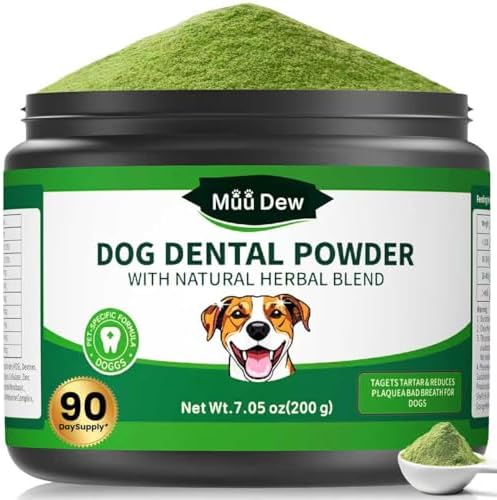
Common Types of Dental Conditions in Dogs
Dogs can suffer from various dental conditions, each with distinct symptoms and consequences. The most common types include:
- Gingivitis: Inflammation of the gums caused by plaque buildup.
- Periodontitis: A more severe infection that damages the gums and bone supporting the teeth.
- Tooth Abscess: A painful infection around the root of a tooth.
| Dental Condition | Description | Symptoms |
|---|---|---|
| Gingivitis | Inflammation of the gums | Redness, swelling, bad breath |
| Periodontitis | Infection damaging gums and bone | Pain, loose teeth, gum recession |
| Tooth Abscess | Painful infection around a tooth root | Severe pain, swelling, fever |
Understanding these conditions is the first step in maintaining your dog’s oral health. Regular veterinary check-ups and proper dental care at home can significantly reduce the risk of these conditions.
Importance of Pet Oral Health
Oral health is a critical aspect of dog care, influencing not just their mouth but their entire body. Ensuring good oral health in dogs is vital for preventing a range of health issues, from dental disease to systemic infections.
Why Regular Check-Ups Matter
Regular dental check-ups are essential for maintaining good pet oral health. These check-ups allow veterinarians to identify and treat dental issues early on, preventing more severe problems from developing. During a check-up, the veterinarian will examine your dog’s teeth and gums, looking for signs of disease or infection.
The American Animal Hospital Association recommends that dogs have a dental check-up at least once a year, although the frequency may vary depending on the dog’s age, breed, and health status. Regular check-ups can help prevent dental disease, which is a common issue in dogs.
- Early detection of dental problems
- Prevention of dental disease progression
- Reduction of risk for systemic infections
The Link Between Oral Health and Overall Wellbeing
There is a significant link between oral health and overall wellbeing in dogs. Studies have shown that there is a correlation between oral health and heart disease in dogs. Bacteria from the mouth can enter the bloodstream and affect other parts of the body, including the heart.
Maintaining good pet oral health is crucial for preventing systemic infections and ensuring the overall health of your dog. By prioritizing regular dental check-ups and good oral hygiene practices, you can help safeguard your dog’s health and wellbeing.
According to the American Veterinary Medical Association (AVMA), good oral health is essential for the overall health and wellbeing of dogs. By understanding the importance of pet oral health and taking proactive steps, dog owners can help prevent a range of health issues and ensure their pets lead healthy, happy lives.

Extra 40% Discount on All Orders
Why pay full price for quality? Want the VIP treatment for your pet? Join PetCare+ now to solve the problem of recurring costs with a massive 40% OFF, plus exclusive free gifts and free shipping on every order.
Pet Care Supplies
Mon-Fri 9 AM – 5 PM CST
Red Flag 1: Bad Breath
Bad breath in dogs, also known as halitosis, is more than just a nuisance; it can be a sign of underlying dental issues. The American Society for the Prevention of Cruelty to Animals (ASPCA) emphasizes the importance of monitoring your dog’s oral health, as dental disease can lead to more serious health problems if left untreated.
Halitosis in dogs is often a result of the buildup of bacteria in the mouth. These bacteria can cause infections and lead to dental disease. Several factors can contribute to bad breath, including poor oral hygiene, diet, and certain health conditions.
Causes of Halitosis in Dogs
The primary cause of halitosis in dogs is the accumulation of plaque and tartar on the teeth, which creates an ideal environment for bacteria to thrive. Other factors that can contribute to bad breath include:
- Diet: Feeding your dog a diet high in sugars or carbohydrates can contribute to the development of bacteria in the mouth.
- Oral Hygiene: Infrequent brushing of your dog’s teeth can lead to plaque buildup.
- Health Conditions: Certain health issues, such as kidney disease or diabetes, can also cause bad breath.
When Bad Breath Becomes a Concern
While an occasional bad breath might not be a cause for concern, persistent halitosis can be a sign of an underlying issue that needs veterinary attention. If your dog’s bad breath is accompanied by other symptoms such as loss of appetite, pawing at the mouth, or visible tartar on the teeth, it’s crucial to consult with a veterinarian.
Regular check-ups with your veterinarian can help identify dental issues early on, preventing more severe problems. Maintaining good oral hygiene practices, such as brushing your dog’s teeth regularly and providing dental chews, can also help mitigate the risk of dental disease.
Red Flag 2: Red or Swollen Gums
One of the key red flags for dog owners to watch out for is red or swollen gums. This condition can be a sign of gum inflammation, which, if left untreated, can lead to more severe dental problems.
Identifying Gum Inflammation
Gum inflammation, also known as gingivitis, is often characterized by redness, swelling, and bleeding of the gums. To identify gum inflammation, look for these signs:
- Red or swollen gums
- Bleeding gums during chewing or when touched
- Bad breath
- Yellow or brown tartar buildup on the teeth
According to the American Pet Products Association (APPA), a significant number of dogs suffer from some form of dental disease, with gum inflammation being a common issue. Regular inspection of your dog’s gums can help in early detection.
Preventing Gum Disease
Preventing gum disease involves a combination of good oral hygiene practices and regular veterinary check-ups. Here are some tips:
- Brush your dog’s teeth regularly to remove plaque and tartar.
- Provide dental chews or toys that help reduce tartar and plaque.
- Schedule regular dental check-ups with your veterinarian.
- Consider a dental diet or water additives that promote oral health.
By being proactive about your dog’s oral health, you can significantly reduce the risk of gum disease and associated complications. Regular monitoring and maintenance are key to ensuring your dog’s gums remain healthy.
Red Flag 3: Difficulty Eating
If your dog is having trouble eating, it could be due to oral health problems that are causing pain or discomfort. Difficulty eating is a significant indicator that something might be wrong with your dog’s dental health.
Signs That Your Dog May Be in Pain
Dogs often exhibit subtle signs of pain while eating, which can include:
- Dropping food while chewing
- Chewing on one side of the mouth
- Taking longer than usual to finish a meal
- Avoiding certain types of food, especially hard kibble
These behaviors can indicate that your dog is experiencing oral pain, potentially due to dental disease.
Food Preferences as an Indicator
Changes in your dog’s food preferences can also signal dental issues. For instance, if your dog suddenly prefers soft food over hard kibble, it might be because chewing hard food is painful. Monitoring these changes can help you identify potential dental problems early.
Some common changes include:
- Preferring softer foods
- Avoiding certain textures
- Showing hesitation before eating
By recognizing these signs, you can take proactive steps to address your dog’s dental health.
Consulting with a veterinarian is crucial if you notice any of these changes in your dog’s eating habits. They can provide a proper diagnosis and recommend appropriate treatment to alleviate your dog’s discomfort and prevent further complications.

- 100 percent complete and balanced adult dog food pouch
- Purina Moist and Meaty dog food made with real beef
- Moist dog food in convenient individual pouches for quick, no-mess meals
Red Flag 4: Excessive Drooling
Excessive drooling is more than just a nuisance; it can be a red flag for various canine health issues. Dogs naturally drool to some extent, but a significant increase in salivation can indicate an underlying problem.
Reasons Behind Increased Salivation
Several factors can contribute to excessive drooling in dogs. Dental disease is a common culprit, as infections and abscesses can cause pain and lead to increased salivation. Other potential causes include:
- Foreign objects stuck in the mouth or throat
- Gum disease or tooth decay
- Oral injuries or infections
- Neurological disorders
It’s essential to identify the root cause of your dog’s excessive drooling to provide appropriate care.
When to Consult a Veterinarian
If you notice a sudden or significant increase in your dog’s drooling, it’s crucial to consult with a veterinarian. They can perform a thorough examination to determine the underlying cause and recommend suitable treatment.
The following table outlines potential signs that necessitate a veterinary consultation:
| Signs | Possible Causes | Recommended Action |
|---|---|---|
| Swelling or redness in the mouth | Dental disease, infection | Schedule a vet visit within 24 hours |
| Difficulty swallowing | Foreign object, oral injury | Seek immediate veterinary care |
| Bad breath, yellow or brown teeth | Dental decay, gum disease | Consult a vet within a few days |
Early consultation with a veterinarian can help prevent minor issues from becoming major health concerns. By understanding the causes of excessive drooling and taking prompt action, you can help ensure your dog’s overall health and wellbeing.


Red Flag 5: Loose or Missing Teeth
Tooth loss is a significant indicator of advanced dental disease in canines. It’s a condition that not only affects your dog’s oral health but also has broader implications for their overall wellbeing.
Understanding Tooth Loss in Dogs
Tooth loss in dogs is often a result of periodontal disease, a condition characterized by the inflammation of the gums and surrounding tissues. When left untreated, periodontal disease can lead to the deterioration of the support structures around the teeth, causing them to become loose and eventually fall out.
Other factors contributing to tooth loss include trauma, dental abscesses, and oral tumors. Regular veterinary check-ups can help identify these issues early on.
Impact of Tooth Loss on Health
The consequences of tooth loss extend beyond oral health. Dogs with missing teeth may experience difficulty eating, leading to nutritional deficiencies. Moreover, the underlying causes of tooth loss, such as periodontal disease, have been linked to systemic health issues, including heart disease and kidney disease.
- Difficulty eating and nutritional deficiencies
- Systemic health issues like heart disease and kidney disease
- Increased risk of oral infections
Maintaining good oral health is crucial for your dog’s overall health. Regular dental care, including brushing and veterinary check-ups, can help prevent tooth loss and its associated complications.
How to Maintain Your Dog’s Oral Health
Maintaining your dog’s oral health is crucial for their overall wellbeing. Good oral health can prevent a range of issues, from bad breath and gum disease to more serious health problems. As a dog owner, you play a significant role in ensuring your pet’s teeth and gums remain healthy.
Brushing Your Dog’s Teeth
Brushing your dog’s teeth is one of the most effective ways to maintain their oral health. It helps remove plaque and tartar, which can lead to dental disease if left unchecked. To brush your dog’s teeth, you’ll need a dog-specific toothbrush and toothpaste. Human toothpaste is not suitable for dogs due to its high fluoride content and other ingredients that can be harmful if swallowed.
Tips for Brushing Your Dog’s Teeth:
- Start slowly to help your dog get accustomed to the process.
- Use a gentle, circular motion to brush the teeth.
- Focus on the areas where the teeth and gums meet.
- Reward your dog with praise and treats to make the experience positive.
Importance of Dental Treats
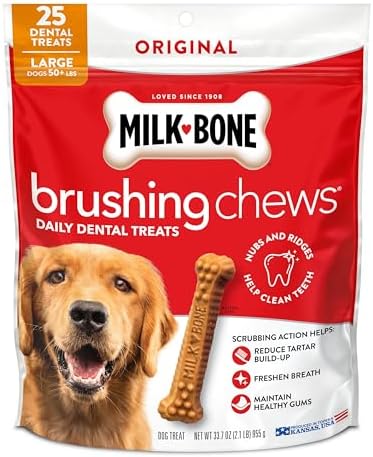
Dental treats can be a valuable addition to your dog’s oral health routine. They are designed to help reduce plaque and tartar, and some even contain ingredients that help freshen breath. When choosing dental treats, look for products that have been approved by veterinary dental organizations, such as the American Veterinary Medical Association (AVMA).
| Oral Health Practice | Benefits |
|---|---|
| Brushing Dog’s Teeth | Removes plaque and tartar, prevents gum disease |
| Dental Treats | Reduces plaque and tartar, freshens breath |
| Regular Veterinary Check-Ups | Early detection of oral health issues, professional cleaning |
By combining regular brushing, dental treats, and veterinary check-ups, you can significantly improve your dog’s oral health. Remember, a healthy smile contributes to a happy, healthy life for your pet.

Resources for Dog Dental Care
For dedicated pet owners, having the right resources for dog dental care can make a significant difference in their pet’s overall health. Ensuring your dog’s oral health is maintained requires access to reliable information and professional guidance.
AVMA Recommendations for Pet Owners
The American Veterinary Medical Association (AVMA) provides comprehensive guidelines for pet owners on maintaining their dog’s dental health. These recommendations include regular dental check-ups, proper brushing techniques, and the importance of a balanced diet in preventing dental issues.
Key AVMA Recommendations:
- Regular dental examinations
- Brushing your dog’s teeth regularly
- Providing dental chews and toys
- Feeding a balanced diet that supports oral health
Finding a Veterinary Dentist
Finding a qualified veterinary dentist is crucial for your dog’s dental care. The AVMA and other reputable organizations like the American Veterinary Dental College (AVDC) offer resources to help locate a veterinary dentist in your area.
| Organization | Resource | Benefit |
|---|---|---|
| AVMA | Veterinary Dentist Locator | Finds certified veterinary dentists |
| AVDC | Dental Specialist Directory | Lists veterinary dental specialists |
| ASPCA | Dental Care Tips | Provides general dental care advice |
It’s essential to consult with a veterinary dentist to get personalized advice on your dog’s dental care.
By leveraging these resources and following the recommendations provided by reputable organizations, dog owners can ensure their pets receive the best possible dental care.
Conclusion: Be Proactive About Your Dog’s Dental Health
As a responsible pet owner, it’s essential to prioritize your dog’s dental health. Recognizing the red flags of dental disease – bad breath, red or swollen gums, difficulty eating, excessive drooling, and loose or missing teeth – is crucial for early detection and prevention.
By being proactive about your dog’s oral health, you can help prevent dental disease and ensure their overall wellbeing. Regular check-ups, brushing your dog’s teeth, and providing dental treats can make a significant difference. Organizations like the American Society for the Prevention of Cruelty to Animals (ASPCA) and the American Pet Products Association (APPA) emphasize the importance of pet oral health.
By taking proactive care and being aware of your pet owner responsibility, you can help your dog maintain good dog dental health. Consult with your veterinarian to create a personalized plan for your dog’s dental care, and don’t hesitate to seek professional help if you notice any signs of dental disease.


FAQ
What are the common signs of dog dental disease?
According to the American Veterinary Medical Association (AVMA), common signs include bad breath, red or swollen gums, difficulty eating, excessive drooling, and loose or missing teeth.
How can I prevent dental disease in my dog?
Regular brushing, providing dental treats, and scheduling regular check-ups with a veterinarian can help prevent dental disease, as recommended by the AVMA and supported by the American Pet Products Association (APPA).
Why is oral health important for my dog’s overall wellbeing?
Studies have shown that there’s a link between oral health and overall wellbeing, with poor oral health potentially leading to systemic infections and conditions such as heart disease, as noted by various veterinary health organizations.
How often should I check my dog’s teeth?
It’s recommended to check your dog’s teeth regularly, ideally during daily care routines, and to have a professional veterinary check-up at least once a year, or as advised by your veterinarian.
Can I use human toothpaste to brush my dog’s teeth?
No, human toothpaste is not suitable for dogs due to its fluoride content and other ingredients; you should use a dog-specific toothpaste that is safe for ingestion.
Where can I find a veterinary dentist for my dog?
The AVMA provides guidelines and resources to help you find a veterinary dentist; you can also ask your regular veterinarian for a referral to a veterinary dentist.
Are there any organizations that provide resources on dog dental care?
Yes, organizations such as the AVMA, ASPCA, and Best Friends Animal Society offer valuable resources and information on dog dental care and overall pet health.

References:
This article was created based on information from the following authoritative sources: American Society for the Prevention of Cruelty to Animals (ASPCA) and American Veterinary Medical Association