Did you know that over 85 million households in the United States share their homes with a companion animal? The American Pet Products Association (APPA) reveals a significant increase in pet ownership. This trend underscores the need for pets that excel in family environments. Parents often seek a gentle temperament and a sociable personality in their new pets.
The Burmese breed emerges as a preferred choice for families. Renowned for their affectionate nature, they crave constant human interaction. Their Burmese cat behavior is notably patient with children, often mirroring the loyalty of a dog rather than a typical cat.
It is crucial to comprehend the specific needs of your pet for a harmonious home environment. Whether you manage an indoor space or plan outdoor play, this breed promises a fulfilling experience. By prioritizing their social needs, you cultivate a profound, enduring connection with your cat. These cats infuse joy into any home, provided you grasp their playful and affectionate behavior.
Key Takeaways
- The APPA reports record-high pet ownership across the United States.
- This breed is highly regarded for its social and family-oriented personality.
- Their patient nature makes them ideal companions for households with children.
- Understanding breed-specific needs is essential for a healthy, happy pet.
- Consistent interaction helps foster a deep, loving bond with your companion.
Understanding Burmese Cat Behavior
Delving into the Burmese cat’s behavior requires an exploration of their genetic makeup. These felines exhibit a distinct personality, distinguishing them from many other pets. Their history offers insight into why they excel in environments that are both active and loving.
Origins and Traits of the Burmese
The modern Burmese breed’s origins trace back to the 1930s with Wong Mau, a pivotal cat. Introduced to the United States, she was mated with Siamese cats, laying the groundwork for the breed we know today. This selective breeding ensured the Burmese cat breed traits we see, including their robust physique and striking, golden eyes.
These cats are celebrated for their remarkable intelligence and innate curiosity. Their problem-solving prowess often astonishes even seasoned pet owners. Their physical attributes also support an energetic lifestyle, making them an excellent fit for families who relish interactive play.
Social Nature and Affection
The breed’s intense social nature is a defining characteristic. Unlike many independent cat breeds, Burmese cats form deep, dog-like bonds with their human families. They seek constant attention and are rarely content to be alone for extended periods.
This affectionate nature is a fundamental aspect of Burmese cat behavior. They are known to accompany their owners, participating in daily activities with vocal enthusiasm. Their emotional intelligence enables them to empathize with their companions, offering comfort when needed most.
Comparison with Other Breeds
Comparing the temperament of different cats reveals the Burmese’s unique social nature. While some breeds prefer solitude, the Burmese is notably gregarious. The following table illustrates these differences across common breeds.
| Breed | Social Level | Activity Level | Bonding Style |
|---|---|---|---|
| Burmese | Very High | High | Dog-like/Clingy |
| Siamese | High | Very High | Vocal/Demanding |
| Persian | Low | Low | Independent/Quiet |

Extra 40% Discount on All Orders
Why pay full price for quality? Want the VIP treatment for your pet? Join PetCare+ now to solve the problem of recurring costs with a massive 40% OFF, plus exclusive free gifts and free shipping on every order.
Pet Care Supplies
Mon-Fri 9 AM – 5 PM CST
The data clearly shows the Burmese cat breed traits emphasize high engagement. This makes them an ideal choice for households seeking a pet that is truly a family member. Their unique combination of playfulness and devotion remains a hallmark of the breed.
The Personality of Burmese Cats
The Burmese cat personality is often likened to that of a dog, characterized by an outgoing and inquisitive nature. Unlike many felines, they do not simply exist in the background of a home. Instead, they actively participate in the daily lives of their human companions. Their social intelligence allows them to adapt quickly to various household dynamics, making them a favorite among active families.
Playful and Energetic Attitudes
Owners often notice that these cats maintain a kitten-like playfulness well into their adult years. They possess high energy levels and require consistent mental and physical stimulation to remain happy. Engaging them with interactive toys is a great way to channel their natural curiosity and keep them physically fit.
Without adequate outlets for their energy, they may become bored or restless. Providing climbing structures and puzzle feeders helps satisfy their need for exploration. A well-stimulated cat is a content cat, and this breed thrives when given plenty of opportunities to play.
Communication Styles with Humans
Understanding Burmese cat behavior involves learning their unique language. These cats are famously vocal and will often “talk” to their owners to express their needs or simply to share their day. They use a wide range of chirps, trills, and meows to initiate a clear dialogue with their human family.
Beyond vocalization, they are masters of body language. A Burmese will often follow its owner from room to room, using gentle nudges or direct eye contact to seek attention. This constant communication creates a deep, meaningful connection that is rarely found in more independent breeds.
Bonding with Family Members
The depth of the bond a Burmese forms with its family is a hallmark of the breed. They are deeply affectionate and often prefer to be in the same room as their favorite people. This social nature means they do not handle long periods of isolation well, as they truly crave human interaction.
By observing their Burmese cat behavior, owners can see how these pets prioritize social harmony. They are sensitive to the moods of their family members and often offer comfort when it is needed most. Cultivating this Burmese cat personality through consistent love and attention ensures a lifelong, loyal friendship.
Ideal Living Conditions for Indoor Burmese Cats
Creating the ideal indoor space for your Burmese cat demands meticulous planning and a focus on detail. These cats, with their boundless energy, flourish in environments that cater to their innate curiosity and athleticism. A well-structured yet engaging home environment is crucial for the indoor cat care of these pets.
Space Requirements and Environment
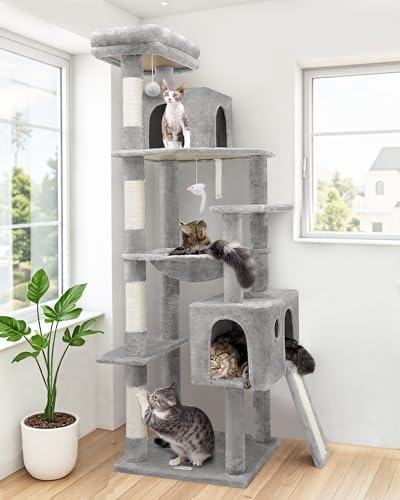
Burmese cats are known for their high activity levels and desire to explore every nook and cranny. To meet their needs, it’s essential to maximize vertical space in your home. Cat trees, wall-mounted shelves, and window perches enable them to climb and observe their surroundings from a secure vantage point.
Ensure that your living space is spacious enough for them to run and play. Even in smaller homes, you can create an engaging environment by rearranging furniture or introducing specialized climbing structures. This strategy helps indoor cats expend their energy while feeling secure in their environment.
Safety Precautions for Indoor Living
Ensuring a safe home environment is critical for your cat’s well-being. Conduct a thorough assessment of your living space to identify potential hazards that could lead to accidents. Adhere to guidelines from organizations like the ASPCA, and consider these essential steps:
- Remove or relocate all toxic houseplants, such as lilies or philodendrons.
- Install sturdy screens on all windows to prevent accidental falls.
- Secure loose electrical cords to avoid chewing hazards.
- Keep small objects that could be swallowed out of reach.
Providing Adequate Stimulation
A bored Burmese cat can quickly turn destructive. Effective indoor cat care goes beyond physical safety, requiring mental stimulation. Allocate time each day for interactive play that challenges their natural hunting instincts.
Introduce puzzle feeders or hidden treat games to keep their minds engaged. By offering a variety of textures and toys, you ensure your cat remains mentally satisfied throughout the day. A well-stimulated cat is a content, healthy family member who feels truly at home.


Burmese Cats and Children: A Perfect Match
Introducing a Burmese cat to a household with children can forge a lifelong bond, grounded in trust. These felines are renowned for their devoted and people-oriented nature, making them ideal for dynamic family settings. By grasping their distinct personality, parents can establish an environment where both children and cats feel safe and content.
Tolerance and Patience with Kids
The American Society for the Prevention of Cruelty to Animals (ASPCA) underscores the importance of social interaction for cats’ mental well-being. Burmese cats, in particular, exhibit a remarkable tolerance, fitting them perfectly for the energetic dynamics of children. They often seek human interaction, fostering an early and robust bond.
These cats’ high social nature keeps them calm amidst noise. Their resilient and affectionate personality enables them to endure children’s gentle play. Yet, it’s crucial to monitor these interactions to safeguard the cat’s comfort.
Engaging Activities for Both
Engaging both children and cats in play can be incredibly fulfilling. Burmese cats, being naturally energetic, relish games that challenge their physical and mental agility. Such activities not only exhaust their energy but also deepen their emotional bond with the child.
- Feather wands: These toys allow children to engage with their cat from a safe distance, keeping the cat active.
- Puzzle feeders: Kids can assist in setting up these toys, offering a fun way to watch the cat solve problems.
- Soft ball chasing: Rolling a soft toy across the floor encourages the cat to pounce and play safely.
Teaching Kids About Cat Care
Teaching children to respect a cat’s personal space is crucial for a healthy relationship. When kids learn to interpret a cat’s body language, they become more empathetic and responsible pet owners. Parents should encourage children to recognize when the cat desires play and when it seeks solitude.
“Respecting a pet’s space is the greatest sign of affection a child can show. It teaches them that love is not just about holding, but about understanding the needs of another living being.”
Involving children in daily cat care tasks, such as refilling the water bowl or brushing the cat’s coat, promotes a sense of shared responsibility. This hands-on approach ensures the cat feels valued as a family member. Over time, this practice cultivates a compassionate bond, benefiting both the child’s development and the cat’s well-being.
Training Your Burmese Cat
Burmese cats, renowned for their intelligence, flourish under clear guidance and consistent training. Engaging in regular training sessions enhances the bond between you and your feline friend. This dedication provides the mental and physical stimulation necessary for a content, well-adjusted pet.
Basic Commands and Tricks
Cats, including Burmese, can learn more than just using a litter box. They often enjoy mastering commands like “sit,” “stay,” or even playing fetch. These activities redirect their natural energy into productive outlets, ensuring they remain entertained and focused.
Initiate with short, five-minute sessions to maintain your cat’s interest. Employ a clicker or a specific verbal cue to immediately mark the desired behavior. Consistency is paramount in teaching your cat new skills.
Positive Reinforcement Techniques
The most effective training method for Burmese cats is positive reinforcement. This approach rewards good behavior, avoiding punishment for mistakes. Offer a small, healthy treat or a favorite toy as an immediate reward when your cat performs a trick correctly.
Steer clear of raising your voice or physical discipline, as it can erode trust. Instead, maintain a calm, encouraging demeanor. Positive associations with training will make these sessions a highlight of your cat’s day.
Addressing Behavioral Issues
Even the most well-behaved pets may occasionally face indoor cat behavior problems. Addressing issues like scratching furniture or excessive vocalization requires patience. Implementing effective cat behavior tips can redirect these behaviors to appropriate items like scratching posts or puzzle feeders.
Always seek the root cause of the behavior, such as boredom or a need for more attention. Consistent training and environmental enrichment often naturally resolve these challenges. Employing these cat behavior tips ensures a peaceful home environment for all.
| Training Method | Primary Benefit | Best For |
|---|---|---|
| Clicker Training | Precision and clarity | Learning complex tricks |
| Treat-Based Reward | High motivation | Basic commands |
| Redirection | Correcting habits | Scratching issues |


Socializing Your Burmese Cat
Proper socialization is crucial for a Burmese cat’s confidence and adjustment throughout its life. It fosters positive experiences, making your cat more adaptable and relaxed in different settings. Early implementation of cat behavior tips ensures your pet feels secure, regardless of who enters your home.
Introducing to New People
When guests arrive, let your Burmese cat approach them at its own pace. Forcing interaction can cause unnecessary anxiety. Provide a quiet space for the cat to retreat if feeling overwhelmed. Encourage visitors to sit calmly and offer treats, helping the cat associate new people with positive rewards.
Multi-pet Households
Integrating a Burmese cat into a multi-pet home requires a slow, controlled approach. Begin by keeping the animals in separate rooms to allow them to get used to each other’s scents without direct contact. Once they seem calm, move to supervised, short meetings to ensure safety and comfort for all.
Signs of Stress in Social Situations
Even the most social cats may occasionally feel overwhelmed. Watch for subtle indicators such as flattened ears, excessive hiding, or a twitching tail, which are common signals of discomfort. If you notice these behaviors, provide your cat with a safe, quiet area to decompress immediately.
| Social Scenario | Recommended Action | Goal |
|---|---|---|
| New Visitors | Use positive reinforcement | Build trust |
| New Pet Arrival | Gradual scent swapping | Reduce territoriality |
| Signs of Stress | Provide a quiet retreat | Restore confidence |
“Socialization is not just about exposure; it is about creating a sense of safety and predictability for your pet.”
Consistent, gentle guidance is the best way to support your cat’s emotional health. By staying observant and patient, you strengthen the bond you share with your Burmese. These cat behavior tips will help ensure your home remains a peaceful sanctuary for all your furry family members.
Health Considerations for Indoor Burmese Cats
Ensuring a long, joyful life for your feline friend begins with grasping their unique health requirements. Indoor cats, such as the Burmese, are generally resilient but greatly benefit from focused health care and vigilant monitoring. By taking proactive measures, you can ensure your pet remains energetic and lively for years to come.
Common Health Issues
The Burmese breed is renowned for its robust nature, yet owners must be vigilant about certain genetic tendencies. Some may be susceptible to diabetes mellitus or dental problems. Early detection is crucial in managing these issues, preventing them from significantly affecting your cat’s well-being.
Be attentive to any behavioral changes, such as increased thirst, lethargy, or a sudden drop in appetite. If you spot these signs, seek veterinary advice promptly. The American Society for the Prevention of Cruelty to Animals (ASPCA) offers invaluable resources for recognizing when a cat needs medical intervention.
Regular Vet Check-ups
Regular veterinary visits are fundamental to preventive care. Even if your pet seems perfectly healthy, annual or bi-annual check-ups are vital. They enable your vet to establish a health baseline and detect potential issues like heart murmurs or early-stage kidney disease.
During these visits, discuss your cat’s lifestyle and any behavioral changes you’ve noticed. A strong vet-client relationship is essential for your pet’s well-being. It ensures they receive the most effective care. Remember, preventative screenings are far more effective than reactive treatments.
Importance of a Balanced Diet
Nutrition is key to the longevity of indoor cats, given their typically lower activity levels compared to outdoor cats. Obesity, a common risk, can lead to various metabolic issues, including joint problems and diabetes. A high-quality, protein-rich diet, tailored to your cat’s life stage, is essential for maintaining an optimal body condition.
Resist the urge to overfeed, even when your cat uses their charm to beg for more treats. Instead, focus on portion control and interactive feeding methods that stimulate natural hunting behaviors. By balancing calories with daily play, you help your Burmese maintain a healthy weight and a strong, active heart.
Enriching Your Burmese Cat’s Life
Unlocking your Burmese cat’s full potential hinges on enrichment. These cats, with their high intelligence and boundless energy, need constant mental stimulation to remain content. Ensuring indoor cat care keeps your pet curious and happy within your home’s safety.
Creating a Stimulating Environment
A stimulating home environment is crucial for promoting healthy indoor cat behavior. Burmese cats are naturally inclined to climb and observe from elevated spots. Installing cat trees, wall-mounted shelves, or window perches satisfies this instinct.
These features allow your cat to survey their territory safely. Vertical space effectively doubles your home’s usable area, providing your cat with a sense of security and adventure.
Interactive Toys and Games
To engage your Burmese, tap into their hunting instincts. Rotate toys regularly to maintain interest. Interactive play sessions are key for bonding and physical exercise.
- Use feather wands to mimic the movement of birds or small prey.
- Introduce puzzle feeders that require your cat to solve a problem to access their treats.
- Hide small toys around the house to encourage daily exploration and “hunting” behavior.
These activities are excellent for promoting healthy indoor cat behavior by preventing boredom. A mentally occupied cat is less likely to engage in destructive habits.
The Importance of Routine
Consistency is key to a stress-free life. The Best Friends Animal Society notes that a predictable daily routine significantly reduces pet anxiety. Feeding, playing, and grooming your cat at similar times each day provides a sense of security.
This structured approach is a cornerstone of excellent indoor cat care. When your Burmese knows what to expect, they feel more confident and relaxed. A predictable schedule allows your cat to thrive, strengthening the bond you share with your intelligent, affectionate friend.


Conclusion:
Welcoming a feline into your home initiates a journey filled with rewards. The Burmese cat’s distinct personality profoundly influences every family member. It brings deep affection and constant engagement.
Reflecting on Key Traits
These cats are deeply invested in human interaction and active play. Their social nature makes them perfect for busy households. They bring a strong, loving presence to any home.
Guidance for Future Owners
Preparation is crucial for a successful transition. Organizations like the American Society for the Prevention of Cruelty to Animals offer invaluable resources. Create a safe, stimulating environment that honors the Burmese cat’s active personality.
Celebrating the Lasting Bond
Your dedication to compassionate care lays a foundation of trust. Whether adopting through Best Friends Animal Society or a reputable breeder, the rewards are immense. Continuously learning about your pet ensures a lifetime of happiness and health for your loyal companion.
FAQ
What are the primary Burmese cat breed traits that set them apart from other felines?
Why is the Burmese often recommended for families with young children?
What are the best cat behavior tips for managing a Burmese in a strictly indoor environment?
How can I address common indoor cat behavior problems in my Burmese?
What should I know about indoor cat care and the health of my Burmese?
How do I handle socialization when introducing a Burmese to a multi-pet household?
References:
This article was created based on information from the following authoritative sources: American Society for the Prevention of Cruelty to Animals (ASPCA) and American Veterinary Medical Association