Did you know that over 65% of households in the United States now include a pet? This staggering statistic underscores the importance of selecting a pet that aligns with your lifestyle. Many individuals seek a perfect household pet with a gentle nature and steady temperament.
The British Shorthair stands out as a top choice for those desiring a serene home environment. These calm cats offer a unique blend of grounding companionship and affection. By understanding their specific needs, you can foster a lasting and harmonious bond.
Whether you’re a novice owner or an experienced enthusiast, this breed offers a dependable presence. We will examine why these animals are becoming the preferred choice for a modern British Shorthair family. Let’s explore the traits that make these feline companions truly exceptional.
Key Takeaways
- Over 65% of U.S. households own a pet, making breed selection essential for harmony.
- The breed is widely recognized for its stable and gentle temperament.
- These pets are ideal for owners who prioritize a peaceful and quiet home.
- Proper care and understanding of their needs strengthen the human-animal bond.
- Choosing the right companion improves the overall quality of life for everyone involved.
What Makes British Shorthairs Ideal Family Cats?
The British Shorthair emerges as a top pick for families desiring a serene and dependable companion. These cats combine physical robustness with emotional steadiness, ideal for contemporary lifestyles. They are celebrated as among the most low maintenance cats, effortlessly integrating into diverse home settings.
Gentle Temperament
Their allure stems from a remarkably patient and consistent temperament. Unlike more energetic breeds, they favor a calm pace and rarely display destructive tendencies. They are known for their quiet demeanor, often preferring to watch family activities from a distance rather than seeking constant engagement.
Low Maintenance Grooming Routine
For those with hectic schedules, the easy grooming needs of this breed are a significant advantage. Their thick, soft coat resists matting, requiring only a weekly brushing to maintain their appearance. This simplicity allows for more time spent on bonding with the pet, rather than managing intricate grooming routines.

Extra 40% Discount on All Orders
Why pay full price for quality? Want the VIP treatment for your pet? Join PetCare+ now to solve the problem of recurring costs with a massive 40% OFF, plus exclusive free gifts and free shipping on every order.
Pet Care Supplies
Mon-Fri 9 AM – 5 PM CST
Compatibility with Children and Other Pets
British Shorthairs are celebrated for being great with kids due to their patient nature. They handle children’s unpredictable movements with grace and composure. Their social disposition also makes them excellent friends for other pets, including dogs and cats.
| Trait | British Shorthair | Average Breed |
|---|---|---|
| Activity Level | Low to Moderate | High |
| Grooming Needs | Minimal | Moderate to High |
| Social Tolerance | High | Variable |
| Family Suitability | Excellent | Good |
Understanding the Calm Nature of British Shorthairs
The serene demeanor of the British Shorthair stems from meticulous breeding and lineage. These calm cats are renowned for their composure in chaotic environments. Their consistent temperament makes them a preferred choice for families desiring a stable and gentle pet.
Origins of Their Temperament
The breed’s history significantly influences its current temperament. Initially bred as working cats in the United Kingdom, they were prized for their resilience and patience, not their high-energy hunting prowess. Breeders over the years aimed to preserve a robust, laid-back nature. This allowed these cats to adapt to diverse settings.
This selective breeding focused on a balanced nervous system. Unlike more energetic or vocal breeds, the British Shorthair was bred to be an observer. This historical context solidifies their reputation as one of the most calm cats available today.
Social Behavior
Genetics set the stage for their personality, but environment also plays a crucial role. The American Society for the Prevention of Cruelty to Animals (ASPCA) stresses the importance of early socialization for a cat’s behavioral well-being. Exposure to various people and sounds aids in their development into confident, well-adjusted adults.
British Shorthairs exhibit a reserved yet affectionate social demeanor. They prefer the company of their human family without needing constant attention or physical contact. This independent nature, combined with their inherent patience, ensures they remain calm cats amidst household chaos or unpredictability.
Key Characteristics of British Shorthair Cats
Beyond their calm demeanor, British Shorthairs exhibit a distinct physical presence. They are known for their sturdy, muscular build and a balanced, compact frame. This gives them a powerful appearance, reflecting their history of resilience and strength.
Distinctive Physical Features
Their teddy-bear-like appearance is striking. They have a broad chest, strong shoulders, and short, thick legs. These support their solid bodies. Their heads are round and full, with large, expressive eyes that often match their coat color.
Another defining trait is their plush, dense coat. While no cat breed is entirely free of allergens, British Shorthairs have a shorter coat. This makes them easier to manage for individuals with mild sensitivities.
Color Varieties and Patterns
The aesthetic appeal of the British Shorthair is enhanced by a wide array of colors and patterns. The iconic blue remains the most recognizable variety. Yet, these cats come in many other shades, including black, white, cream, red, and silver-shaded varieties.
Beyond solid colors, the breed displays beautiful patterns such as tabby, tortoiseshell, and color-point. Each cat offers a unique look, ensuring that every owner finds a visually stunning companion. Their coat texture remains consistently thick and resilient, regardless of the specific color or pattern.
Tips for Integrating a British Shorthair into Your Home
Welcoming a new feline companion into your living space demands a structured approach to ensure a stress-free transition. British Shorthairs, known for their steady and calm nature, often adapt well to new environments with the right support. Preparation and patience are key to fostering trust from the start.
Preparing Your Home for a New Cat
Before your new friend arrives, ensure you have all necessary supplies ready. A well-prepared home reduces the need for sudden changes that might startle a cat. Essential items include a high-quality litter box, age-appropriate food, sturdy scratching posts, and comfortable bedding.
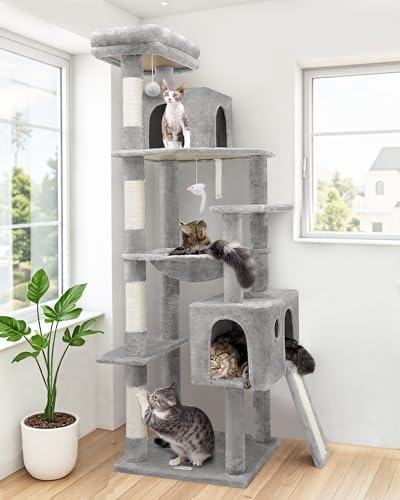
Take a moment to “cat-proof” your living area by securing loose electrical cords and removing toxic houseplants. Providing a variety of vertical spaces, such as cat trees or window perches, allows your British Shorthair to observe their new surroundings from a position of safety. This proactive approach helps them feel confident and secure in their new territory.
Introducing Your New Family Member
The introduction process should always be gradual to respect your cat’s comfort levels. If you have other pets, keep them separated initially to allow for scent swapping through closed doors. This method helps all animals adjust to the presence of a new member without the pressure of direct physical contact.
When you are ready for face-to-face meetings, keep sessions short and positive. Always supervise these interactions closely to ensure that everyone remains calm. If your British Shorthair shows signs of stress, such as hiding or hissing, simply return to the previous stage of the introduction process.
Creating a Safe Space
Every new cat benefits from having a dedicated sanctuary space where they can retreat when feeling overwhelmed. This room should be quiet, low-traffic, and equipped with all the basic necessities like food, water, and a litter box. Consistency is key during the first few days of the transition.
Allow your cat to explore the rest of the house at their own pace once they show signs of confidence. By providing a secure base, you empower your pet to build trust in their own time. This gentle guidance is the foundation for a lifelong, happy bond with your new family member.
| Integration Phase | Primary Goal | Recommended Duration |
|---|---|---|
| Sanctuary Setup | Establish a secure base | 1-3 Days |
| Scent Exchange | Familiarize with other pets | 3-7 Days |
| Supervised Interaction | Build positive associations | Ongoing |
| Full Integration | Encourage shared living | 2-4 Weeks |


Health Considerations for British Shorthairs
Understanding the unique health profile of your British Shorthair is crucial for responsible pet ownership. By staying informed about potential risks, you can provide the best possible care for your companion. Proactive management ensures that your cat remains comfortable and active throughout its life.
Common Health Issues
Like many purebred cats, this breed has specific genetic predispositions that owners should monitor. One primary concern is hypertrophic cardiomyopathy (HCM), a condition that affects the heart muscle. Regular screening by a veterinarian can help identify early signs of this issue before it impacts your cat’s quality of life.
Weight management is another critical factor for this sturdy breed. Because they are naturally less active than some other breeds, they can be prone to obesity. Maintaining a healthy weight is essential to prevent secondary health complications like joint stress or diabetes.
Importance of Regular Vet Check-ups
Routine wellness exams are the cornerstone of preventative medicine. These visits allow your veterinarian to track changes in weight, heart health, and overall vitality over time. Early detection of subtle health shifts often leads to much better outcomes for your pet.
Consistent veterinary care builds a baseline for your cat’s health. When you establish a relationship with a trusted clinic, you ensure that your cat receives personalized guidance tailored to its specific needs. Consistency is truly the key to a long and happy life for your feline friend.
| Health Focus | Action Required | Frequency |
|---|---|---|
| Heart Health | Professional Auscultation | Annual Exam |
| Weight Control | Body Condition Scoring | Every 6 Months |
| Dental Hygiene | Oral Health Assessment | Annual Exam |
| General Vitality | Comprehensive Bloodwork | Bi-Annually (Seniors) |
Feeding a British Shorthair: Best Practices
British Shorthairs, often leading a sedentary lifestyle, require a diet carefully managed to prevent weight gain. The right diet is crucial for their sturdy, muscular build and to maintain optimal energy levels. High-quality ingredients are essential to support your cat’s health at every stage of life.
Choosing the Right Diet
The foundation of a healthy diet for this breed is high-quality, protein-rich food. Given their muscular nature, they need sufficient animal-based proteins to maintain lean muscle mass. Opt for formulas where a named meat source, such as chicken or salmon, is the first ingredient.
It’s vital to choose food that matches your cat’s life stage. Kittens, adults, and seniors have different metabolic needs. Consult your veterinarian to ensure the right formula, whether grain-free or specialized for indoor cats, meets your pet’s health needs.
Portion Control and Treats
Indoor cats, like British Shorthairs, are prone to obesity. To combat this, strict portion control is essential, rather than free-feeding throughout the day. Using a digital scale to measure meals helps provide the exact caloric intake for their activity level.
Treats should not be a primary food source but a small supplement. Limit them to no more than ten percent of their total daily calories to avoid weight gain. Mindful snacking fosters a healthy bond without compromising your cat’s physical health.
| Life Stage | Primary Focus | Feeding Frequency |
|---|---|---|
| Kitten | Growth and Development | 3-4 times daily |
| Adult | Weight Maintenance | 2 times daily |
| Senior | Joint and Organ Health | 2 times daily |
Playing and Exercising with British Shorthairs
The British Shorthair, despite its dignified look, is a playful feline breed that excels in interactive play. They are known for their calm nature but still need regular exercise to remain content and healthy. Structured activities help to positively channel their natural instincts.
Fun Activities to Keep Them Engaged
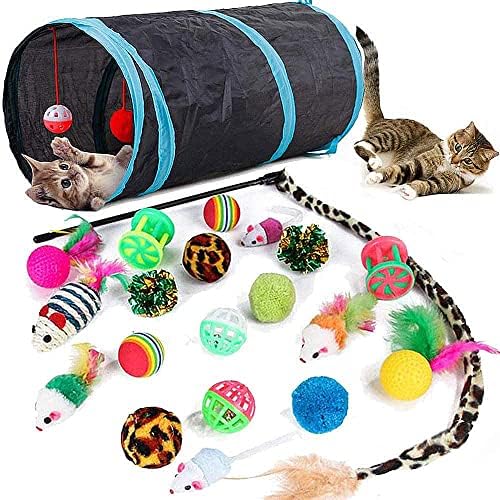
High-intensity exercise is not necessary to keep your cat content. Instead, focus on games that mimic small prey movements, such as feather wands or laser pointers. These tools encourage stalking, pouncing, and jumping without overexerting their sturdy frames.
Puzzle feeders are another excellent way to keep this playful feline breed mentally sharp. By hiding treats inside a toy, you force your cat to solve a problem to earn their reward. This simple addition to their day provides meaningful mental stimulation that prevents boredom.
Importance of Playtime for Their Well-being
Consistent playtime is more than just a way to burn off extra calories. It serves as a vital tool for strengthening the bond between you and your companion. When you participate in these sessions, you build a foundation of trust and affection that lasts a lifetime.
Regular activity also helps maintain a healthy weight, which is crucial for this breed’s long-term health. By incorporating short, daily sessions into your routine, you ensure your playful feline breed remains physically fit and emotionally balanced. Dedicated interaction is truly the secret to a happy, thriving pet.


Training Your British Shorthair
Training your British Shorthair is a delightful way to deepen your bond while keeping their mind sharp. These cats are famous for their calm demeanor, yet they possess a quiet intelligence that thrives on gentle guidance. By focusing on consistency and kindness, you can turn short training sessions into a highlight of your cat’s day.
The Best Friends Animal Society advocates for consistent, positive reinforcement training methods to help pets succeed. This approach builds trust and encourages your cat to participate willingly rather than out of fear. When you reward desired behaviors with treats or affection, you create a positive association that makes learning fun for both of you.
Basic Commands and Tricks
Teaching your cat simple commands provides excellent mental exercise, which is vital for their overall well-being. Start with easy tasks like “sit” or “come” to build their confidence before moving on to more complex tricks. Keep sessions brief, usually lasting no more than five to ten minutes, to ensure your cat stays engaged and interested.
To get started with basic training, consider these effective strategies:
- Use high-value treats: Small pieces of cooked chicken or specialized cat treats work best as rewards.
- Clicker training: A clicker can help mark the exact moment your cat performs the right action, making it easier for them to understand what you want.
- Keep it positive: If your cat seems bored or frustrated, end the session on a high note and try again later.
Litter Box Training Tips
Most British Shorthairs are naturally clean and take to litter boxes quickly, but occasional challenges can arise. If your cat begins to avoid the box, it is often a sign of stress or a need for a change in the environment. Maintaining a clean and stress-free space is the most effective way to prevent these issues from becoming habits.
Consistency is the foundation of a happy home. By providing a predictable environment and rewarding good behavior, you empower your cat to thrive in your care.
If you encounter difficulties with litter box habits, consider these troubleshooting steps:
- Check the location: Ensure the box is in a quiet, low-traffic area where your cat feels safe and undisturbed.
- Evaluate the litter: Some cats have strong preferences for specific textures or scents, so try a different type if your cat seems hesitant.
- Daily maintenance: Scoop the box at least once a day to keep it inviting, as British Shorthairs are highly sensitive to cleanliness.


Conclusion:
Choosing a pet is a significant life event that shapes your daily routine and emotional well-being. A British Shorthair family dynamic often thrives because these cats adapt so well to the quiet rhythms of a modern household.
Lasting Advantages of This Breed
These cats provide a unique balance of independence and warmth. They serve as an affectionate companion for individuals who value a steady presence in their living space. Organizations like the American Society for the Prevention of Cruelty to Animals emphasize that understanding your pet leads to a better life for everyone involved.
Cultivating a Deep Connection
Building a strong relationship requires patience and consistent care. You create a foundation for trust by meeting their needs for nutrition, play, and medical attention. Many owners find that the time invested in these animals returns tenfold in loyalty and quiet comfort.
Consider reaching out to groups like Best Friends Animal Society if you are ready to start your search. Adopting a cat brings immense joy and purpose to your home. Embrace this journey with confidence as you welcome a new member into your life.
FAQ
Why is the British Shorthair family dynamic so successful in American households?
Are British Shorthairs considered low maintenance cats for busy owners?
How does this breed interact with energetic children and other pets?
Are British Shorthairs considered hypoallergenic pets?
What is the best way to ensure a calm temperament in my British Shorthair?
Do these cats require a lot of exercise and play?
What health issues should I be aware of when choosing this breed?
Can British Shorthairs be trained using positive reinforcement?
Where can I find a British Shorthair if I am looking to adopt?
References:
This article was created based on information from the following authoritative sources: American Society for the Prevention of Cruelty to Animals (ASPCA) and American Veterinary Medical Association