Have you ever pondered the phenomenon of a diminutive creature dominating a space with a mere glance? These spirited companions are renowned for their bold spirits and unyielding devotion to their human counterparts.
As a devoted pet owner, you are likely aware that size is not a determinant of a dog’s complexity of needs. The American Pet Products Association (APPA) underscores the importance of recognizing your pet’s specific requirements for a superior quality of life. Adequate chihuahua care transcends mere sustenance; it necessitates a profound comprehension of their distinct physical and emotional characteristics.
By excelling in the intricacies of chihuahua care, you guarantee your diminutive companion prospers within your domicile. Let us delve into the critical strategies that empower these grand personalities to flourish daily.
Key Takeaways
- Small breeds possess unique health needs that require specialized attention.
- Understanding your pet’s temperament is essential for building a strong bond.
- Consistent, evidence-based routines promote long-term physical health.
- Emotional well-being is just as critical as physical nutrition for tiny dogs.
- Expert guidance helps owners navigate the challenges of small-breed ownership.
Understanding the Unique Needs of the Chihuahua Breed
To ensure optimal care for Chihuahuas, it is imperative to grasp their distinct requirements. These are influenced by their physical characteristics and temperament. Their large eyes, erect ears, and compact bodies contribute to their allure. Yet, these traits also necessitate specific health and care considerations.
Physical Characteristics and Temperament
Chihuahuas, among the smallest dog breeds, weigh between 2 to 8 pounds on average. Their diminutive stature, coupled with a delicate bone structure, demands meticulous handling to avert injuries. Temperament-wise, Chihuahuas exhibit a wide range, from bold and confident to timid and shy.
Their temperament is shaped by genetics, socialization, and environment. Early socialization is paramount for a well-adjusted Chihuahua, one that is not excessively fearful or aggressive. The American Society for the Prevention of Cruelty to Animals (ASPCA) underscores the importance of early socialization for any dog breed, including Chihuahuas.
- Loyal and Attached: Chihuahuas are renowned for their unwavering loyalty to their owners.
- Variable Temperament: Their temperament spans from bold to timid.
- Requires Gentle Handling: Due to their small size and fragile structure.
The Importance of Early Bonding
Early bonding is pivotal for Chihuahuas. It fosters a robust bond between the dog and its owner, significantly impacting the dog’s emotional and psychological development. A well-bonded Chihuahua tends to be more confident and less susceptible to behavioral problems.
The bonding process involves gentle handling, positive reinforcement, and consistent interaction. The Rescue Me! organization and other animal welfare entities stress the significance of gentle, early handling. This approach aids in fostering trust and confidence in puppies.
- Handle your Chihuahua gently and carefully from an early age.
- Employ positive reinforcement techniques, such as treats and praise, to encourage desirable behavior.
- Consistency in interactions is crucial to provide a sense of security and stability.
Essential Chihuahua Care for Longevity and Vitality
Creating a daily routine is paramount for your Chihuahua’s well-being. A consistent schedule is vital for their physical and mental health. It ensures they live a long, healthy life.
Creating a Routine for Your Small Dog
A structured routine for your Chihuahua must include a balanced Chihuahua diet. This diet should be rich in nutrients, tailored to their size and age. The American Pet Products Association (APPA) emphasizes the importance of high-quality food that meets their nutritional needs.
Key components of your Chihuahua’s daily routine include:
- Regular feeding times to maintain a healthy metabolism
- Adequate hydration to prevent dehydration
- Regular exercise tailored to their energy levels
- Time for rest and relaxation
Monitoring Daily Energy Levels
Chihuahuas are known for their lively personalities. It’s crucial to monitor their daily energy levels to detect any potential health issues early. A decrease or significant change in energy can signal underlying health problems.
Daily monitoring involves observing your Chihuahua’s activity levels, appetite, and overall behavior. Any notable changes should be discussed with a veterinarian. This is to rule out health concerns such as hypoglycemia or heart issues.
Some signs to watch for include:
- Lethargy or lack of interest in activities
- Changes in appetite or water intake
- Vomiting or diarrhea

Extra 40% Discount on All Orders
Why pay full price for quality? Want the VIP treatment for your pet? Join PetCare+ now to solve the problem of recurring costs with a massive 40% OFF, plus exclusive free gifts and free shipping on every order.
Pet Care Supplies
Mon-Fri 9 AM – 5 PM CST
Navigating the Chihuahua Vaccination Schedule
Implementing a meticulously planned vaccination regimen is paramount for safeguarding Chihuahuas against perilous health conditions. Vaccinations are instrumental in curtailing the transmission of infectious diseases among canines.
The American Society for the Prevention of Cruelty to Animals (ASPCA) underscores the significance of adhering to a prescribed vaccination schedule for puppies, including Chihuahuas. Core vaccines are of utmost importance as they safeguard against severe illnesses.
Core Vaccines for Puppies
Core vaccinations for Chihuahua puppies encompass immunizations against distemper, hepatitis, and parvovirus. These diseases pose a significant threat to a puppy’s life, and vaccination remains the most effective preventive measure.
“Puppies should initiate their vaccinations at approximately 6-8 weeks of age, with booster shots administered every 3-4 weeks until they reach about 16 weeks of age,” as stipulated by veterinary guidelines.
Booster Shots and Adult Maintenance
Following the initial puppy vaccinations, booster shots are imperative to sustain immunity against core diseases. The interval between booster shots can fluctuate based on the dog’s health, lifestyle, and vaccine type.
Adult Chihuahuas necessitate regular health assessments and may require booster shots as advised by their veterinarian to maintain disease protection.
Managing Vet Visits Without Stress
Efficient management of vet visits is critical for Chihuahuas, given their sensitivity to new environments. The Best Friends Animal Society advocates for creating a comfortable atmosphere during vet visits by utilizing carriers or familiar objects to alleviate anxiety.
“Optimizing the comfort of vet visits can substantially diminish stress for both the pet and the owner,” according to veterinary care specialists.
By comprehending and adhering to the recommended Chihuahua vaccination schedule, owners can make a substantial contribution to their pets’ well-being and longevity.
Expert Chihuahua Health Tips for Common Breed Issues
Chihuahuas, being one of the smallest dog breeds, are susceptible to specific health challenges. Their diminutive size and delicate physiology render them vulnerable to various health issues. These issues can significantly impact their quality of life.
Managing Hypoglycemia in Tiny Pups
Hypoglycemia, or low blood sugar, is a prevalent issue in Chihuahuas, notably in puppies. To manage this condition, it is imperative to feed them frequent, small meals throughout the day. Monitoring their energy levels and observing for signs of hypoglycemia, such as shakiness, lethargy, or confusion, is crucial.
Key signs of hypoglycemia include:
- Shakiness or tremors
- Lethargy or depression
- Confusion or disorientation
- Seizures in severe cases
Protecting Fragile Bones and Joints
Chihuahuas possess fragile bones and joints that necessitate careful handling to prevent injuries. Gentle handling and avoiding excessive jumping or strain are essential to protect their skeletal health. Some Chihuahuas may also benefit from dietary supplements that support joint health.
Recognizing Signs of Patellar Luxation
Patellar luxation is a prevalent issue in Chihuahuas, where the kneecap slips out of place. Recognizing the signs, such as skipping or hopping on one leg, is crucial for early intervention. Regular veterinary check-ups can aid in early identification of this condition.
| Condition | Signs to Watch For | Preventive Measures |
|---|---|---|
| Hypoglycemia | Shakiness, lethargy, confusion | Frequent, small meals; monitor energy levels |
| Patellar Luxation | Skipping, hopping on one leg | Regular veterinary check-ups; gentle handling |
| Fragile Bones and Joints | Frequent injuries, pain | Gentle handling; consider joint supplements |
By understanding these common health issues and taking proactive steps, Chihuahua owners can significantly improve their pets’ quality of life. Regular veterinary care, a balanced diet, and a safe living environment are all crucial components of caring for these tiny companions.
The Importance of Specialized Chihuahua Dental Care
Chihuahuas necessitate specialized dental care due to their unique jaw structure and tooth arrangement. Their small mouths are prone to overcrowding, which can lead to various dental issues if not properly managed.
Why Small Mouths Need Extra Attention
Chihuahuas’ small jaws often result in overcrowded teeth, making them more susceptible to dental problems such as tartar buildup, gum disease, and tooth loss. Regular dental care is essential to prevent these issues.
Common dental issues in Chihuahuas include:
- Tartar buildup
- Gum disease
- Tooth loss
- Periodontal disease
Daily Brushing Techniques
Daily brushing is a critical component of Chihuahua dental care. Utilize a toothbrush designed for small breeds and toothpaste that is safe for dogs. Brushing should be done gently to avoid causing discomfort or injury.
Tips for effective brushing:
- Start with short sessions to help your Chihuahua get accustomed to the process
- Use gentle circular motions
- Focus on the areas where the teeth and gums meet
Choosing the Right Dental Chews
Dental chews can be a useful addition to daily brushing. When selecting dental chews, look for products that are designed for small breeds and have the Veterinary Oral Health Council (VOHC) seal of approval. These chews can help reduce tartar and plaque.
| Dental Chew Features | Benefits | Recommendations |
|---|---|---|
| VOHC Seal of Approval | Ensures effectiveness in reducing tartar and plaque | Look for the VOHC seal when purchasing dental chews |
| Designed for Small Breeds | Catering to the specific needs of Chihuahuas | Choose products that are designed for toy breeds |
| Rawhide or Dental Sticks | Helps in removing plaque and tartar | Supervise your Chihuahua when giving rawhide chews |


Crafting the Perfect Chihuahua Diet
Chihuahuas necessitate a diet that is meticulously tailored to their breed-specific needs. A diet that is well-balanced and addresses their unique nutritional requirements is paramount for their health.
Nutritional Requirements for Toy Breeds
Toy breeds, such as Chihuahuas, exhibit distinct nutritional needs compared to their larger counterparts. They require a diet that is rich in high-quality protein, moderate in fat, and low in carbohydrates. A balanced diet for Chihuahuas must include essential vitamins and minerals like vitamin D, calcium, and phosphorus for bone health. The American Pet Products Association (APPA) emphasizes the importance of nutrient-dense foods that align with the pet’s life stage and lifestyle.
Portion Control to Prevent Obesity
Controlling portions is vital in preventing obesity in Chihuahuas. Excessive feeding can lead to weight gain, which worsens health issues such as diabetes and heart disease. Monitoring food intake and adjusting portion sizes based on the dog’s activity level and age is essential.
| Age | Weight | Daily Food Intake |
|---|---|---|
| Puppy (up to 1 year) | 2-4 lbs | 1/4 to 1/2 cup |
| Adult | 4-6 lbs | 1/2 to 3/4 cup |
| Senior (7+ years) | 2-6 lbs | 1/4 to 1/2 cup |
Safe Human Foods and Toxic Hazards
Sharing human food with your Chihuahua might seem appealing, but it’s crucial to discern what is safe and what is toxic. Foods like chocolate, grapes, and raisins are harmful to dogs and should be avoided. In contrast, plain cooked chicken, carrots, and green beans can serve as healthy treats. The ASPCA offers a detailed list of safe and toxic foods for pets, serving as a valuable resource for pet owners.
By adhering to these dietary guidelines, Chihuahua owners can significantly enhance their pet’s health and well-being.
Developing a Consistent Chihuahua Exercise Routine
Establishing a structured exercise regimen is paramount for Chihuahuas to avert health complications and foster overall well-being. Despite their diminutive stature, these canines necessitate regular physical and mental engagement to maintain their health and happiness.
Chihuahuas’ exercise requirements diverge significantly from those of larger breeds. Their petite frame renders them susceptible to fatigue, and their sensitivity to extreme temperatures necessitates meticulous planning when venturing outdoors.
Indoor Play vs. Outdoor Walks
An optimal exercise regimen for Chihuahuas integrates indoor play with brief outdoor strolls. Indoor play, encompassing toy interactions, hide-and-seek, and obstacle courses, offers physical exercise while shielding them from harsh weather.
Conversely, outdoor walks are indispensable for mental stimulation, exposing them to novel environments, scents, and sounds. These excursions, though, must be brief and gentle to prevent exhaustion.
Mental Stimulation Through Games
Mental stimulation is equally vital to physical exercise for Chihuahuas. Engaging your pet in interactive games and providing puzzle toys filled with treats can effectively combat boredom and stress.
- Interactive puzzle toys
- Hide-and-seek games
- Scent work and tracking
These activities not only challenge your Chihuahua’s cognitive abilities but also fortify the bond between you and your pet.
Avoiding Overexertion
Monitoring your Chihuahua’s energy levels and preventing overexertion is imperative. Indicators of exhaustion include panting, slowing down, or displaying reluctance to continue activity.
Tips to avoid overexertion:
- Keep exercise sessions short
- Avoid extreme temperatures
- Watch for signs of fatigue
By attentively considering these factors, you can forge a safe and pleasurable exercise regimen for your Chihuahua.
Mastering Chihuahua Grooming Techniques
The art of grooming a Chihuahua transcends mere aesthetics, delving into the realm of their specific needs. It encompasses everything from coat maintenance to meticulous nail care. This practice is not merely about aesthetics; it is a cornerstone of their health and happiness.
Chihuahuas exhibit two primary coat types: smooth and long. Each category necessitates a distinct grooming regimen. Grasping these nuances is imperative for optimal pet care.
Coat Maintenance for Smooth and Long Coats
For Chihuahuas sporting smooth coats, regular brushing is paramount. It serves to eliminate dead hair and facilitate the distribution of skin oils, thus enhancing their natural luster. In contrast, those with long coats must endure more frequent brushing to avert matting and tangling.
Coat Maintenance Tips:
- Employ a soft-bristle brush or a pin brush for daily grooming.
- For long-coated Chihuahuas, a detangling spray can ease the brushing process.
- Consistent brushing fosters a deeper connection between you and your pet.
Nail Trimming and Paw Care
Nail trimming is a pivotal component of Chihuahua grooming. Neglecting this can lead to discomfort and health complications. It is advisable to trim their nails every few weeks.
Nail Trimming Tips:
- Opt for a nail clipper tailored for small breeds.
- Exercise caution to avoid cutting the quick, which can be distressing for your pet.
- If uncertain, seek professional guidance from a veterinarian or groomer.
Bathing Frequency and Skin Sensitivity
Bathing is a critical grooming aspect for Chihuahuas. Their skin, being sensitive, demands careful consideration when bathing.
| Bathing Frequency | Skin Sensitivity Considerations |
|---|---|
| Every 1-3 weeks, depending on lifestyle and individual needs | Utilize gentle, hypoallergenic shampoos. |
| Avoid over-bathing to prevent dry skin | Be gentle when washing, avoiding vigorous rubbing. |
By mastering these grooming techniques, you can significantly enhance your Chihuahua’s quality of life. Regular grooming not only bolsters their physical health but also fortifies your bond with them.
Effective Strategies for Chihuahua Training
Effective Chihuahua training necessitates a deep understanding of the breed’s distinct traits and the adaptation of training methodologies to these characteristics. Chihuahuas, renowned for their intelligence and unyielding spirit, present both opportunities and obstacles in the training process. A meticulously crafted training regimen, emphasizing positive reinforcement, consistency, and patience, is essential for cultivating desirable behaviors and fortifying the bond between you and your pet.
Positive Reinforcement Methods
Positive reinforcement emerges as a potent training strategy for Chihuahuas. This approach rewards desired actions with treats, commendations, and affection, eschewing punitive measures for undesired ones. Consistency is paramount; it is imperative that all household members employ identical commands and rewards to prevent confusion among your pet.
- Utilize high-value treats to incentivize your Chihuahua during training sessions.
- Ensure training sessions remain brief to preserve your pet’s engagement.
- Exhibit patience and acknowledge minor achievements throughout the training journey.
Housebreaking Challenges
Housebreaking a Chihuahua poses unique challenges due to their diminutive bladder capacity and potential recalcitrance. Establishing a routine is imperative, necessitating frequent outings, notably post-consumption of meals and engagement in play. Be attentive to signs indicating your Chihuahua’s need to relieve itself, such as sniffing or circling.
“Consistency and patience are vital when housebreaking a Chihuahua. It’s not just about teaching them where to go, but also about building trust and understanding between you and your pet.” –
Crate Training for Security
Crate training emerges as a viable strategy for housebreaking and instilling a sense of security in your Chihuahua. The introduction of the crate should be gradual, commencing with brief periods and incrementally increasing the duration. Ensure the crate is a welcoming space by incorporating a soft bed and a selection of toys.
Addressing Common Chihuahua Behavior Issues
Understanding and addressing common behavior issues in Chihuahuas is crucial for a harmonious pet-owner relationship. Chihuahuas, like any other breed, can develop behavioral problems if their needs are not met or if they are not properly trained. This necessitates a comprehensive approach to their care and training.
Managing Excessive Barking
Excessive barking is a common issue in Chihuahuas, often stemming from anxiety, boredom, or alerting their owners to potential threats. To manage this, it’s essential to identify the underlying cause and address it appropriately. This may involve providing adequate exercise, mental stimulation, and training to reduce barking.
- Provide adequate exercise and mental stimulation to reduce boredom and anxiety.
- Train your Chihuahua to respond to “quiet” commands.
- Minimize exposure to triggers that cause barking.
Overcoming Small Dog Syndrome
Small Dog Syndrome refers to behaviors such as aggression, fearfulness, and excessive barking, often resulting from overindulgence and lack of proper training. To overcome this, owners should establish clear boundaries and rules, provide consistent training and socialization, and avoid overpampering. This ensures your Chihuahua understands its place in the family hierarchy.
- Establish clear boundaries and rules.
- Provide consistent training and socialization.
- Avoid overpampering and ensure your Chihuahua understands its place in the family hierarchy.
Dealing with Separation Anxiety
Separation anxiety is a distressing condition where Chihuahuas become anxious when left alone. Symptoms include destructive behavior, barking, and escaping attempts. To mitigate separation anxiety, owners should gradually increase alone time, starting from small intervals. Leaving a treat-filled toy can also keep your Chihuahua occupied. Crate training provides a safe space for your Chihuahua when you are away.
- Gradually increase alone time, starting from small intervals.
- Leave a treat-filled toy to keep your Chihuahua occupied.
- Consider crate training to provide a safe space.
Creating a Safe Environment for Your Tiny Companion
Ensuring a secure space for your tiny companion necessitates a multifaceted approach. Chihuahuas, as one of the smallest dog breeds, demand heightened vigilance regarding their environment. This is to avert accidents and guarantee their safety and well-being.
Puppy-Proofing Your Home
Puppy-proofing is an indispensable step in safeguarding your environment. It entails securing toxic substances, electrical cords, and fragile items beyond your Chihuahua’s reach. The American Society for the Prevention of Cruelty to Animals (ASPCA) underscores the importance of keeping harmful substances inaccessible for pet safety.
- Secure toxic substances in high cabinets.
- Keep electrical cords hidden or protected.
- Move fragile items to safe locations.
Preventing Falls and Injuries
Chihuahuas are susceptible to injuries due to their diminutive size and fragility. It is imperative to prevent falls from furniture or stairs. Utilizing pet stairs or ramps can significantly reduce this risk.
Providing a comfortable and secure resting place is crucial for your Chihuahua’s health. It is essential to ensure their bedding is situated in a quiet, draft-free area. The American Pet Products Association (APPA) highlights the significance of a comfortable resting place for pets.
- Choose a quiet location for their bed.
- Ensure the bedding is comfortable and clean.
- Keep the area draft-free.


Socialization Secrets for a Well-Adjusted Chihuahua
A well-socialized Chihuahua emerges from a regimen of deliberate and consistent exposure to novel stimuli, including people and environments. This breed, renowned for its unwavering loyalty and attachment to its owners, often exhibits caution towards strangers and unfamiliar settings. Effective socialization is instrumental in fostering their confidence and mitigating anxiety-related behaviors.
Introducing New People and Pets
The process of introducing your Chihuahua to new individuals and animals necessitates a gradual and controlled approach. Initiate with incremental steps, such as inviting acquaintances over or taking your pet to a serene park. Positive reinforcement is paramount; commend and reward your Chihuahua with treats and accolades for their calm demeanor in the presence of newcomers.
When introducing your Chihuahua to other animals, ensure the initial meeting occurs in a neutral space, preventing territorial disputes. Vigilantly observe the body language of both creatures, intervening promptly to avert any potential conflicts.
Exposure to Different Environments
Exposure to diverse environments is indispensable for broadening your Chihuahua’s experiences and fostering confidence in novel settings. This encompasses visits to different areas within your domicile, car excursions, and brief strolls in various locales. Variety is crucial to avert your Chihuahua’s overfamiliarity with a single environment.
During outings, ensure your Chihuahua’s safety by securing them, either on a leash or in a carrier, to forestall mishaps. Incrementally increase the duration and frequency of these excursions to enhance your pet’s resilience.
Building Confidence in Public
Enhancing confidence in public necessitates a gradual exposure to the myriad sights, sounds, and odors of various public venues. Initiate with less congested areas and progress to more populous environments. Consistency and patience are paramount in this endeavor.
During public excursions, maintain a serene and positive disposition, as your Chihuahua will absorb your energy. Acknowledge and reward their bravery with treats and affection, reinforcing the notion that novel experiences are beneficial.
Seasonal Care and Weather Protection for Chihuahuas
The advent of seasonal changes necessitates a heightened awareness among Chihuahua owners regarding the protection of their pets from extreme climatic conditions. It is imperative for pet owners to comprehend the nuances of caring for their Chihuahuas across various seasons, ensuring their health and overall well-being.
Keeping Warm in Winter
In the winter, Chihuahuas face a heightened risk due to their diminutive stature and sparse fur, rendering them more vulnerable to cold. Ensuring a warm environment is paramount; this can be achieved through the use of heated beds or by maintaining a draft-free living space. Appropriate canine attire, such as sweaters or coats, serves as an additional layer of insulation during outdoor excursions.
The American Society for the Prevention of Cruelty to Animals (ASPCA) advocates for indoor confinement during periods of extreme cold. If outdoor excursions are unavoidable, restrict the duration and vigilantly observe your Chihuahua for any signs of discomfort.
Staying Cool During Summer Heat
The summer season introduces its own set of perils for Chihuahuas, notably the risk of heatstroke. To mitigate this, ensure a constant supply of fresh water and a shaded retreat for your pet. Exercise should be scheduled during the cooler hours of the day, either in the early morning or late evening.
Protecting Paws from Hot Pavement
Hot pavement poses a significant threat to Chihuahuas, capable of inflicting burns on their delicate paw pads. To safeguard their paws, opt for grass or dirt paths over pavement. If such alternatives are not feasible, consider employing dog booties to shield their paws from extreme temperatures.
Adopting these seasonal care strategies will facilitate the maintenance of your Chihuahua’s health and comfort throughout the year. The cornerstone of effective care lies in proactive measures and preparedness for the seasonal challenges that arise.
Recognizing When to Consult Your Veterinarian
Identifying the opportune moment to consult a veterinarian can be a pivotal factor in your Chihuahua’s health. Given their predisposition to certain health challenges, it is imperative to be vigilant about the signs that signal the need for veterinary intervention. Such awareness is fundamental to ensuring their well-being.
Emergency Warning Signs
Chihuahuas are susceptible to a myriad of emergencies, encompassing respiratory distress, severe injuries, or abrupt behavioral or appetite alterations. It is crucial to monitor your pet closely and seek immediate veterinary care if any of these symptoms manifest.
- Severe vomiting or diarrhea
- Difficulty breathing or rapid breathing
- Severe lethargy or loss of consciousness
- Visible signs of pain or distress


Routine Wellness Exams
Regular veterinary check-ups are indispensable for preserving your Chihuahua’s health. These visits facilitate the early identification of potential health issues and ensure your pet remains current with preventative care, including vaccinations and parasite control.
During these examinations, your veterinarian will evaluate your Chihuahua’s overall health, scrutinizing for any signs of illness or breed-specific conditions.
Tracking Health Records
Accurate documentation of your Chihuahua’s health history, encompassing vaccination records and any health concerns, is invaluable. This information enables your veterinarian to make informed decisions regarding your pet’s care, proving essential in emergency situations.
Consider maintaining a health journal for your pet or utilizing a digital pet health record to track vaccinations, vet visits, and any health changes in your Chihuahua.
Unlock a Healthier and Happier Life for Your Pet
Discover vet-approved nutrition and joint support from EntirelyPets Pharmacy. Save 10% OFF Site Wide on reliable solutions to maintain strong joints and enhance vitality for a joyful pet life.

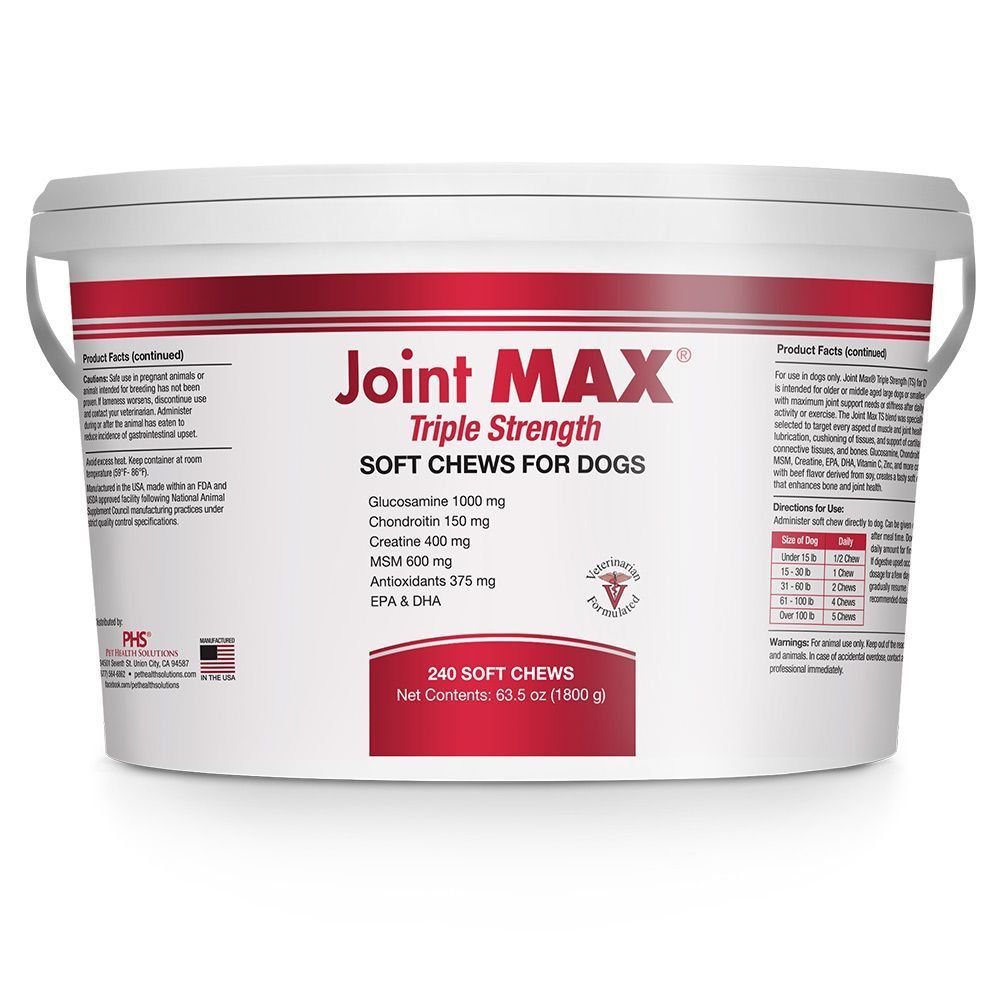
Joint MAX provides an advanced formula with Glucosamine, Chondroitin, and MSM, designed to lubricate joints and improve overall mobility.

Crave provides essential vitamins, minerals, and proteins to boost energy levels and support a strong immune system.
Conclusion
Caring for a Chihuahua necessitates a comprehensive understanding of their health and well-being. Owners must provide a balanced diet, regular exercise, and meticulous grooming. This ensures their pets enjoy a life filled with happiness and health.
Chihuahua care extends beyond physical health, encompassing their emotional and social needs. Training, socialization, and a safe environment are crucial. These elements protect them from potential dangers and foster their well-being.
Organizations like the American Society for the Prevention of Cruelty to Animals (ASPCA) and the Best Friends Animal Society underscore the significance of a nurturing environment. Adhering to the guidelines in this article enhances the bond between Chihuahua owners and their pets. It significantly improves their pets’ quality of life.
Chihuahua care is a complex endeavor, demanding dedication, patience, and a steadfast commitment. It is essential to provide the best possible life for these cherished companions.
FAQ
Why is specialized chihuahua care necessary for such a small breed?
How can I ensure a strong bond and stable temperament in my Chihuahua?
What should I know about the chihuahua vaccination schedule?
What are the most important chihuahua health tips for managing breed-specific issues?
Why is chihuahua dental care considered a top priority?
How do I determine the best chihuahua diet for my pet?
What constitutes an appropriate chihuahua exercise routine?
What are the essential chihuahua grooming practices for smooth and long-haired varieties?
What is the most effective approach to chihuahua training?
How should I address common chihuahua behavior issues like barking or anxiety?
How can I protect my Chihuahua from seasonal weather changes?
References:
This article was created based on information from the following authoritative sources: American Society for the Prevention of Cruelty to Animals (ASPCA) and American Veterinary Medical Association