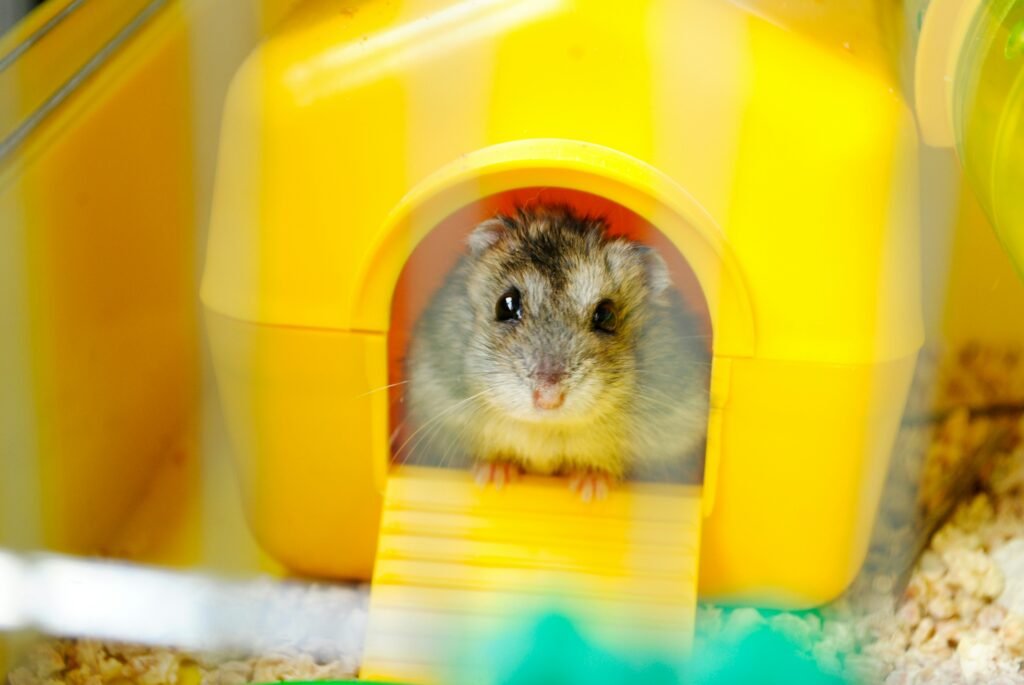
Welcome to the ultimate guide for pet rat enthusiasts! Whether you’re a seasoned pet owner looking to expand your furry family or a beginner venturing into the world of rat companionship, this comprehensive guide is your go-to resource. We’ll explore everything you need to know about pet rats, from their care needs to building a strong bond with these intelligent and sociable creatures.
As a beginner, you may have questions about whether rats make good pets or if they are suitable for your lifestyle. We’ll discuss the pros and cons of keeping pet rats, addressing common concerns related to their behavior, health, and care requirements. This guide aims to provide you with all the essential information you need to make an informed decision about bringing pet rats into your home.
Stay tuned as we delve into key topics such as creating a safe environment for your pet rats, feeding them a balanced diet, maintaining their health and hygiene, understanding their behavior, providing mental stimulation, gentle handling techniques, and even introducing another rat for companionship.
Are you ready to embark on a wonderful journey as a pet rat owner? Let’s dive in!
Key Takeaways:
- Pet rats make delightful companions for beginners, thanks to their intelligence, sociability, and playfulness.
- Understanding the pros and cons of keeping pet rats helps you make an informed decision.
- Creating a safe and comfortable environment is crucial for the well-being of your pet rats.
- A well-balanced diet is essential for the health and longevity of your pet rats.
- Regular health monitoring and hygiene practices are necessary to keep your pet rats in tip-top shape.
Are Rats Good Pets? Pros and Cons of Keeping Pet Rats
Before deciding to bring a pet rat into your life, it’s important to weigh the pros and cons. While caring for your pet rat can be a rewarding experience, it requires careful consideration and responsible handling. Let’s take a closer look at the advantages and disadvantages of keeping rats as pets.
Pros of Keeping Pet Rats:
- Rats are highly intelligent creatures, capable of learning tricks and even their own names. Their intelligence allows for interactive playtime and mental stimulation, making them fascinating pets to observe and interact with.
- Pet rats are social animals that thrive on companionship, both from humans and other rats. They enjoy cuddling and bonding with their owners and can form strong and loyal relationships.
- Rats have a playful and curious nature, making them entertaining and fun to have around. They can provide hours of amusement with their acrobatic abilities and love for exploration.
Cons of Keeping Pet Rats:
- Like any pet, rats require proper care and attention. They have specific needs, including a clean and comfortable environment, a balanced diet, and regular veterinary care. It’s essential to be committed to providing the necessary care and attention to keep your pet rat healthy.
- Health issues are a concern when it comes to pet rats. Respiratory problems are common, and tumors may develop as they age. Vet visits and preventive measures, such as maintaining a clean living space and ensuring proper ventilation, are crucial in managing their health.
- Pet rats need gentle handling and taming to build trust and create a positive relationship. It may take time and patience to establish a bond with your rat, and they may not be suitable as pets for young children.
“Caring for your pet rat requires dedication and responsible ownership. Understanding both the benefits and challenges of having rats as pets will help you make an informed decision.”
Ultimately, the decision to have rats as pets depends on your lifestyle, abilities, and willingness to provide the necessary care. If you are prepared to offer a loving and enriching environment, while also being mindful of their specific needs, pet rats can be affectionate and delightful companions.
Pet Rat Care: Providing a Safe and Comfortable Environment
Creating a safe and comfortable environment is essential for the well-being of your pet rat. By following a few simple guidelines, you can ensure that your furry friend is happy and healthy. Let’s explore the key aspects of pet rat care.
Cage Setup
Choosing the right cage for your pet rat is crucial. Opt for a cage with a solid bottom to prevent injury and provide a secure base. Make sure the cage is spacious enough for your rat to move around comfortably. Wire cages with narrow spacing are recommended to prevent escapes.
Include platforms, ramps, and hiding spots to create a stimulating and enriching environment. These additions provide opportunities for exercise and mental stimulation, enhancing your rat’s overall well-being.
Bedding Materials
Choosing appropriate bedding materials is essential for your pet rat’s comfort and hygiene. Avoid pine or cedar shavings, as they can be harmful to their respiratory system. Instead, opt for paper-based bedding or recycled paper pellets, which are safe and absorbent.
Temperature and Lighting
Maintaining an appropriate temperature in your rat’s environment is crucial to their well-being. Rats are sensitive to extreme heat and cold, so aim for a temperature range of 65-75°F (18-24°C). Avoid placing their cage in direct sunlight or near drafts.
Provide adequate lighting in your rat’s area to mimic their natural day-night cycle. Natural light during the day and dim lighting in the evening promotes a healthy sleep pattern.
Ventilation
Proper ventilation is essential for ensuring good air quality in your rat’s environment. Ensure that their cage has adequate airflow to prevent the buildup of ammonia and odors. Regularly clean and maintain their cage to ensure optimal ventilation.
Rat-Proofing Your Home
To keep your pet rat safe and prevent any unwanted adventures, it’s important to rat-proof your home. Seal any small openings or gaps that your rat could escape through. Keep electrical cords and toxic substances out of reach, as rats are naturally curious and love to explore.
“Providing a safe and comfortable environment is the foundation of good pet rat care. By following best practices for cage setup, choosing the right bedding, maintaining appropriate temperature and lighting, ensuring proper ventilation, and rat-proofing your home, you can create a happy and secure space for your pet rat.” – Dr. Emily Johnson, Veterinary Specialist
| Essentials of Pet Rat Care | Benefits |
|---|---|
| Proper cage setup | Ensures safety and promotes physical activity |
| Appropriate bedding materials | Provides comfort and hygiene |
| Maintaining temperature and lighting | Supports a healthy sleep cycle and overall well-being |
| Adequate ventilation | Ensures good air quality and prevents odors |
| Rat-proofing your home | Prevents escapes and keeps your pet rat safe |
Now that you understand the importance of providing a safe and comfortable environment for your pet rat, you’re well on your way to being a responsible rat owner. In the next section, we’ll explore the essentials of feeding your pet rat and maintaining a balanced diet for optimal health.
Feeding Your Pet Rat: A Balanced Diet for Optimal Health
A well-balanced diet is crucial for the overall health and longevity of your pet rat. Providing them with the right nutrition ensures their well-being, energy levels, and supports their immune system. Let’s explore the key components that make up a nutritious rat diet.
1. Fresh Fruits and Vegetables
To keep your pet rat healthy, incorporate a variety of fresh fruits and vegetables into their diet. These provide essential vitamins, minerals, and fiber. Offer rat-safe options such as:
- Apples
- Carrots
- Broccoli
- Bell peppers
- Leafy greens like kale and spinach
2. Grains and Seeds
Grains and seeds are rich in carbohydrates, protein, and healthy fats. Include these in your pet rat’s diet for energy and a well-rounded nutritional profile. Some suitable options include:
- Oats
- Quinoa
- Rice
- Barley
- Sunflower seeds
- Pumpkin seeds
3. Protein Sources
Protein is essential for growth and overall health. Ensure your pet rat receives adequate protein by offering animal-based and plant-based sources. Some suitable options include:
- Chicken
- Eggs
- Tofu
- Lentils
- Chickpeas
4. Commercial Rat Food
Commercial rat food can provide a balanced blend of nutrients. Look for high-quality, lab-block diets specifically formulated for rats. These diets typically contain a mix of grains, seeds, pellets, and other essential nutrients.
Quote: “A well-balanced diet is the key to ensuring your pet rat’s optimal health and longevity.” – Dr. Sarah Anderson, Rat Expert
It’s important to remember that each rat has its own unique dietary requirements. Consult with a veterinarian to determine the appropriate feeding schedule and portion sizes for your pet rat, taking into consideration factors such as age, activity level, and overall health.
Remember to always provide fresh water and clean food dishes on a daily basis. Regularly monitor your pet rat’s weight and adjust their diet as necessary to maintain a healthy body condition.
| Food Group | Recommended Serving |
|---|---|
| Fruits and Vegetables | 1-2 tablespoons per day |
| Grains and Seeds | 1-2 tablespoons per day |
| Protein Sources | 1-2 tablespoons every other day |
| Commercial Rat Food | As directed on packaging |
By providing a well-rounded and balanced diet, you can ensure that your pet rat thrives and enjoys a long, healthy life.
Health and Hygiene: Keeping Your Pet Rat in Tip-Top Shape
Just like any pet, regular health monitoring and care are essential for your pet rat’s well-being and longevity. In this section, we’ll explore common health issues that pet rats may encounter, including respiratory problems, tumors, and dental concerns. By familiarizing yourself with these health issues, you’ll be better equipped to provide the necessary care and attention to keep your furry friend in tip-top shape.
Respiratory Problems: A Common Concern
One of the most prevalent health issues in pet rats is respiratory problems. Rats have sensitive respiratory systems, and factors such as poor ventilation or exposure to irritants can lead to respiratory infections. Keep an eye out for symptoms such as sneezing, wheezing, or nasal discharge, which may indicate a respiratory issue. If your rat exhibits these symptoms, it’s crucial to consult a veterinarian for proper diagnosis and treatment.
Tumors: Understanding the Risks
Tumors are another significant health concern for pet rats, particularly in older individuals. Female rats are more prone to mammary tumors, while both males and females can develop benign or malignant tumors elsewhere in the body. Regularly check your rat’s body for any lumps, bumps, or abnormal growths. If you notice anything unusual, consult a veterinarian for further evaluation and potential treatment options.
Dental Concerns: Gnawing for Good Dental Health
“Dental hygiene is crucial for maintaining the overall health of your pet rat,” says Dr. Jessica Rodriguez, a veterinarian specializing in small animals. “Rats have continuously growing incisors, and providing appropriate chew toys and materials is essential. Regularly inspect your rat’s teeth for signs of overgrowth, malocclusion, or any other dental issues.”
In addition to providing chew toys, ensure your rat’s diet includes fibrous food and treats to help wear down their teeth naturally. If you suspect any dental problems, seek veterinary assistance promptly.
Signs of Illness: Recognizing Early Warning Signals
Being proactive in monitoring your rat’s health allows you to catch any potential issues early on. Some common signs of illness in pet rats include loss of appetite, weight loss, lethargy, changes in behavior, or abnormal discharge. If you notice any of these signs, it’s crucial to consult with a veterinarian for an accurate diagnosis and appropriate treatment.
Routine Check-ups: Preventive Care Matters
Regular check-ups with a qualified veterinarian are essential to ensure your pet rat’s ongoing health and well-being. During these check-ups, the veterinarian will conduct a thorough examination, including assessing weight, teeth, and overall condition. They may also recommend preventive treatments, such as vaccinations or parasite control, to keep your rat healthy and protected.
Maintaining Good Hygiene: A Clean Environment
Keeping your rat’s environment clean is vital for their overall health. Regularly clean and disinfect their cage to prevent the buildup and spread of bacteria or parasites. Provide a comfortable bedding material that is easy to clean and replace. Additionally, ensure that your rat has access to fresh water at all times and a well-balanced diet to support their immune system.
By prioritizing your pet rat’s health and maintaining good hygiene practices, you can help them live a happy and fulfilling life. Next, we’ll explore the fascinating behavior of pet rats and how to forge a strong bond with these delightful creatures.
Pet Rat Behavior: Understanding and Bonding with Your Rat
Building a strong bond with your pet rat is crucial for a harmonious and fulfilling relationship. By understanding their social behavior and communication cues, you can establish trust and create a deep connection. Contrary to popular misconceptions, rats can be wonderful pets when provided with the right care and attention.
Rats are highly social animals and enjoy companionship. While individual preferences may vary, many pet rats enjoy being held and interacted with. However, it’s important to remember that each rat has its unique personality, and it may take time for them to adjust to being handled.
“Over time, your pet rat may grow to love being held, as it provides a sense of security and belonging. Patience and consistency are key when establishing a bond with your furry friend.”
When handling your pet rat, it’s essential to use gentle and calm movements to ensure their comfort. Always support their body and avoid squeezing or gripping them tightly. If your rat shows signs of distress or discomfort, it’s best to give them space and try again later.
Rats are intelligent and curious creatures, and they enjoy exploring their surroundings. Providing them with a safe and enriching environment can help stimulate their minds and prevent boredom. Offer a variety of toys, such as tunnels, ropes, and puzzle feeders, to keep them engaged and entertained.
Common Rat Behaviors and Communication
Rats have their unique ways of expressing themselves and communicating with their owners. Understanding these behaviors can help strengthen the bond between you and your pet rat.
- Social Grooming: Rats groom each other as a sign of affection and bonding. They may also groom their owners by lightly nibbling or licking their skin. It’s a demonstration of trust and acceptance.
- Bruxing: Bruxing is the rhythmic grinding or gnashing of their teeth. It’s a sign of contentment and happiness, similar to a cat’s purring. Your rat may brux when they are relaxed or being petted.
- Boggling: Boggling is the rapid vibrating or bulging of a rat’s eyes. It’s a physiological response to pleasure or excitement. It often occurs when your rat is enjoying a pleasant interaction or tasty treat.
- Squeaking and Chirping: Rats are vocal animals and may make high-pitched squeaks or chirps to communicate their emotions. They may squeak when excited or to get your attention, and chirping can be a sign of happiness and contentment.
Debunking the Myths: Are Rats Bad Pets?
Despite the negative reputation they often receive, rats can be amazing pets when provided with proper care and attention. Let’s debunk some common myths surrounding pet rats:
- Myth 1: Rats are dirty and carry diseases. While it’s true that wild rats can carry diseases, pet rats from reputable breeders are generally clean animals. Regular cage cleaning and proper hygiene practices can mitigate any health risks.
- Myth 2: Rats are aggressive and bite frequently. Like any animal, rats may bite if they feel threatened or provoked. However, with proper handling and socialization, they are typically gentle and friendly pets.
- Myth 3: Rats are difficult to train. On the contrary, rats are highly intelligent and can be trained to perform various tricks and behaviors. They are eager to learn and respond well to positive reinforcement techniques.
By understanding and appreciating their unique qualities and needs, you can provide your pet rat with a loving and stimulating environment. With time and patience, you’ll develop a strong bond that will bring joy to both you and your furry friend.
| Rat Behavior Myths | Debunked |
|---|---|
| Rats are dirty and carry diseases | False – Reputable breeders ensure healthy and clean pet rats |
| Rats are aggressive and bite frequently | False – With proper handling and socialization, rats are gentle and friendly pets |
| Rats are difficult to train | False – Rats are highly intelligent and can be trained with positive reinforcement techniques |
Enrichment and Play: Stimulating Your Pet Rat’s Mind
Pet rats are intelligent and curious creatures that thrive on mental stimulation. Providing them with opportunities for play and enrichment is essential for their overall well-being and happiness. By keeping your rat entertained and mentally engaged, you can strengthen the bond between you and your furry friend.
Creating an Enriching Environment
One way to stimulate your pet rat’s mind is by creating an enriching environment. This can be achieved by incorporating various toys, puzzles, and interactive playtime activities into their daily routine.
- Provide a variety of rat toys: Invest in a selection of toys designed specifically for rats. This can include chew toys, tunnels, ropes, and climbing structures. Rotating the toys periodically will help maintain your rat’s interest.
- Introduce puzzle feeders: Puzzle feeders are a great way to provide mental stimulation while fulfilling your rat’s natural foraging instincts. These toys require your rat to problem-solve and work for their food, keeping them engaged for longer periods.
- Build obstacle courses: Set up a small obstacle course using cardboard boxes, tubes, and tunnels. This will encourage your rat to explore and navigate through different challenges, promoting physical activity and mental agility.
- Create a digging box: Rats love to dig, so creating a designated digging box filled with shredded paper or safe substrate will provide them with an outlet for their natural digging behavior.
Interactive Play and Bonding Time
Engaging in interactive play with your pet rat not only stimulates their mind but also strengthens the bond between you. It’s essential to spend time with your rat and provide opportunities for play and socialization.
“Interactive playtime is a fantastic way to bond with your pet rat. Use this time to interact with them, play games, and explore the world together.”
– Dr. Emily Foster, Rat Expert
- Explore new environments: Allow your rat to explore different areas of your home while supervised. This will give them a chance to discover new smells, textures, and objects, keeping their curious minds active.
- Teach tricks and commands: Rats are highly trainable and enjoy learning new tricks. Consider teaching basic commands like “sit,” “spin,” or even agility exercises. This not only provides mental stimulation but also strengthens the bond between you and your rat.
- Provide interactive toys: Invest in toys that require your rat to interact physically. For example, toys that dispense treats when manipulated or pressed can keep them engaged and entertained for extended periods.
Remember, every rat is unique, so observe your pet’s preferences and tailor the playtime activities to suit their individual needs and interests. Encouraging play and offering mental stimulation through toys and interactive sessions will contribute to a happy and contented pet rat.
Expert Tip: Spend Quality Time with Your Rat
Dr. Emily Foster advises, “Rats are highly social animals and thrive on human interaction. Make sure to set aside dedicated time each day for one-on-one bonding with your pet rat. This can include gentle petting, cuddling, or simply allowing them to sit on your shoulder while you go about your day. The key is to make them feel loved and appreciated.”
Handling and Taming Your Pet Rat: The Gentle Approach
Proper handling and taming techniques are crucial when it comes to ensuring a positive and fulfilling experience with your pet rat. By following these gentle approaches, you can establish trust, help your rat feel comfortable with handling, and build a bond based on mutual respect and understanding.
Gaining Trust and Building Confidence
- Give your rat time to acclimate to its new environment. Settle them into their cage with all the essential amenities, allowing them to explore and adjust at their own pace.
- Use positive reinforcement to create a sense of security. Offer your rat treats and rewards when they display calm behavior. This will help them associate you with positive experiences.
- Introduce your scent gradually. By placing an old t-shirt or cloth that carries your scent near their cage, you’ll help familiarize your rat with your presence.
- Keep interactions initially short and frequent. This will help your rat become accustomed to your touch and presence without overwhelming them.
- Offer your hand for your rat to explore voluntarily. With patience, they will gradually feel comfortable climbing, sniffing, and interacting with you.
The Gentle Approach to Handling
Rats have delicate bone structures and can be easily injured if handled improperly. Follow these guidelines for safe and gentle handling:
- Approach your rat from the front and keep your movements slow and steady. Avoid sudden movements or loud noises that may startle or distress them.
- Support your rat’s body by using both hands. Place one hand under their chest and the other supporting their hindquarters.
- Never pick up your rat by its tail. The tail may be used for balance but is not a suitable grip and can cause harm if pulled.
- Hold your rat close to your body to provide them with a sense of security and warmth.
- Extend handling time gradually to increase your rat’s comfort level. Pay attention to their behavior and body language, ensuring they show signs of relaxation and enjoyment.
Remember, building a strong bond with your pet rat takes time and patience. Each rat has unique personality traits and may require different approaches. By maintaining a gentle and respectful approach, you’ll create a trusting relationship that allows your pet rat to flourish as a cherished companion.
| Handling Tips | Taming Techniques |
|---|---|
| Approach your rat calmly and gently. | Use positive reinforcement to create a sense of security. |
| Support your rat’s body by using both hands. | Give your rat time to acclimate to its new environment. |
| Avoid picking up your rat by its tail. | Offer your hand for your rat to explore voluntarily. |
| Hold your rat close to your body for security. | Keep interactions short and frequent. |
Rat Breeds: Exploring Different Varieties of Pet Rats
Pet rats are available in a wide range of breeds, each with its own unique characteristics and attributes. Whether you’re looking for a specific color, pattern, or temperament, there’s a rat breed out there that will suit your preferences.
A Closer Look at Popular Rat Breeds
Let’s dive into some of the most popular rat breeds and what sets them apart:
- American Blue: Known for their striking blue-gray coat, American Blue rats are friendly, docile, and make excellent companions.
- Dumbo: Dumbo rats have distinct, oversized ears that sit lower on their heads. They are sociable and gentle, making them ideal for families.
- Hairless: Hairless rats, as the name suggests, lack fur or have minimal hair. They require a bit more attention when it comes to maintaining their body temperature but are just as affectionate and intelligent as their furry counterparts.
- Hooded: Hooded rats have a unique coat pattern characterized by a solid-colored body with a distinctive “hood” of a different color on their head. These rats are known for their playful and outgoing nature.
- Rex: Rex rats have curly or wavy fur, giving them a unique and adorable appearance. They are friendly, active, and love to explore.
- Siamese: Siamese rats are recognized for their striking points, similar to Siamese cats. They are highly sociable and enjoy spending time with their human companions.
- White: White rats, also known as albino rats, have a pure white coat and bright red eyes. They are gentle, intelligent, and make wonderful pets.
These are just a few examples of the diversity of rat breeds available. Each breed offers its own set of characteristics and personalities, so it’s essential to research and find the one that aligns with your preferences and lifestyle.
| Rat Breed | Coat Color | Temperament |
|---|---|---|
| American Blue | Blue-gray | Friendly, docile |
| Dumbo | Varies | Sociable, gentle |
| Hairless | No fur or minimal hair | Affectionate, intelligent |
| Hooded | Distinctive “hood” pattern | Playful, outgoing |
| Rex | Curly or wavy fur | Friendly, active |
| Siamese | Points similar to Siamese cats | Highly sociable |
| White (Albino) | Pure white | Gentle, intelligent |
As you can see, each rat breed has its own unique qualities that can make them a perfect addition to your family.
“Rat breeds offer a diverse range of appearances and temperaments, ensuring there’s a rat to suit every individual’s preferences.”
When choosing a pet rat, take into account your lifestyle, the amount of time you can dedicate to their care, and your personal preferences regarding appearance and temperament. Spending time with potential rat breeds can help you get an idea of their personalities and which one resonates with you the most.
Now that you have a better understanding of different rat breeds, you can make an informed decision and welcome the perfect pet rat into your home.
Introducing Another Rat: The Joys of Rat Companionship
Rats are highly social animals that thrive in the company of their own kind. Providing your pet rat with a companion can greatly enhance their well-being and overall happiness. However, introducing new rats to your existing furry friend requires careful consideration and a gradual approach.
Benefits of Rat Companionship
- Rats are naturally social creatures and enjoy the company of their own kind.
- Having a rat companion can alleviate loneliness and boredom, especially when you’re away.
- Companionship helps rats engage in natural behaviors and allows for mutual grooming and play.
When introducing a new rat to your existing one, it’s important to follow these steps to ensure a harmonious living environment:
- Provide separate housing: Start by housing the new rat in a separate cage adjacent to the existing rat’s cage. This allows them to become familiar with each other’s scent and presence.
- Gradual introductions: Begin by allowing short, supervised play sessions in neutral territory, such as a neutral playpen or a clean bathtub. This helps them get acquainted without territorial disputes.
- Observe body language: Pay attention to the rats’ body language during interactions. Signs of aggression, such as bristled fur, lunging, or biting, indicate that they need more time before being fully introduced.
- Supervised living arrangements: Once the rats show signs of compatibility and positive interactions, you can gradually introduce them to shared living quarters. Monitor their behavior closely to ensure there is no bullying or aggression.
Rats have a hierarchical nature, and there may be some initial dominance-related squabbles. However, these disputes typically resolve themselves over time as the rats establish a social structure. It’s crucial to provide enough space, resources, and hiding spots to minimize potential conflicts. Remember that the process of rat socialization requires patience, observation, and a gentle approach.
“When introducing rats, it’s important to go at their pace and provide a safe and stress-free environment for them to establish a bond.”
Keep in mind that not all rats may get along, and it’s possible that some rats may prefer solitary lives. In such cases, it’s essential to respect their individual needs and provide an enriched environment to compensate for the lack of social interaction.
| Rat Companionship Dos | Rat Companionship Don’ts |
|---|
- Observe their interactions and gradually increase their time together.
- Provide plenty of space, resources, and hiding spots to avoid conflicts.
- Ensure a gradual introduction process in neutral territory.
- Forcefully mix rats together without proper introduction and observation.
- Neglect their individual needs and preferences for solitude.
- Ignore signs of aggression or stress during introductions.
By following these guidelines and fostering a positive environment, you can introduce new rat companionships and provide a fulfilling social life for your rat. Remember, rat companionship can enrich their lives, leading to a happier and healthier pet.
Conclusion
In conclusion, owning pet rats can be a rewarding and enriching experience for beginners. By properly understanding the care needs of these intelligent and sociable creatures, creating a stimulating environment, and nurturing a strong bond, you can unlock the joys of having pet rats as delightful companions.
Throughout this comprehensive guide, we have covered various aspects of pet rat ownership, including their pros and cons, providing a safe and comfortable environment, feeding a balanced diet, maintaining their health and hygiene, understanding their behavior, offering enrichment and play, handling and taming techniques, exploring different rat breeds, and introducing them to companions.
Remember, rats are highly social animals that thrive on interaction and mental stimulation. By dedicating time and effort in caretaking and building trust, you can establish a loving and fulfilling relationship with your pet rats. These small creatures possess boundless love and loyalty, and their playful antics will surely brighten your days.
So, whether you are seeking a new furry friend or looking for a unique pet experience, consider welcoming pet rats into your life. With their charming personalities and the right care, pet rats can bring immense joy, companionship, and endless moments of laughter into your home.